How did paedophile Seán Leamy die in an Irish prison with no investigation?
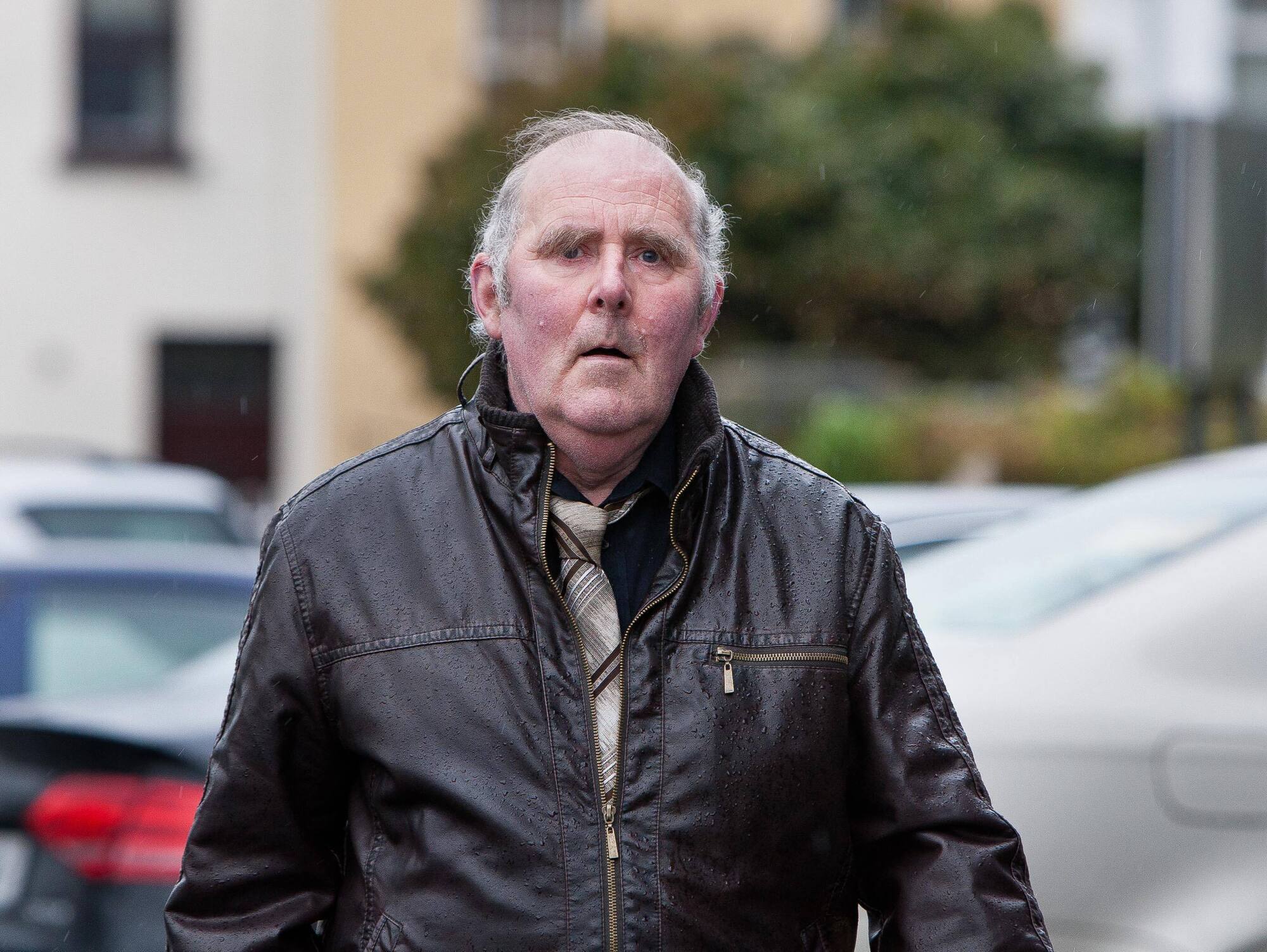
Sean Leamy would never again see his home in Tulla, east Clare. Serving his first prison sentence, his life was just about to come to a premature end.
The man on the CCTV footage shuffles around his landing at the Midlands Prison, helped on occasions by younger inmates. The footage taken exactly a decade ago appeared to portray just another day for the inmates on the new G wing.
For the apparently elderly man on the CCTV footage, the highlight of February 12, 2013, was to be a televised Uefa Cup game later in the evening — a far cry from his days of playing a central role in life in his native Clare, where he was once conductor of the famous Tulla Pipe Band.
But 61-year-old Sean Leamy would never again see Tulla, the village in east Clare where his home was on the main street and where he is still remembered today. Serving his first prison sentence, his life was just about to come to a premature end.
Today, the mystery of what happened to Sean Leamy in his final hours remains unsolved and he is one of two prison inmates who died in 2013 whose deaths still have not gone to inquest hearings.
The other man was a 50-year-old foreign national with an address in the UK who died in hospital in Mayo after becoming unwell in Castlerea Prison in December 2013. He was a remand prisoner at the time and died after being diagnosed in hospital with a terminal illness.
The Irish Penal Reform Trust (IPRT) says it is concerned about the delay in inquests investigating the deaths of people in prison, especially relating to the two from 2013, as their families have been waiting so long for the inquest findings.
“IPRT is clear that investigations into deaths in prison must be prompt and thorough to ensure that any systemic issues are identified and addressed as quickly as possible,” said a spokeswoman.
The IPRT adds that delays investigating the deaths of prisoners impact “on the ability for lessons to be learned and also makes it hard for external organisations such as ourselves to track what is happening on the ground in prisons”.
While the death of the Castlerea prisoner followed a terminal diagnosis, Leamy was found dead on the floor of his cell, with injuries including a laceration over his eyebrow and on the back of his head. He also had blood coming from his mouth.
A Garda investigation resulted in a direction from the Director of Public Prosecutions that there would be no prosecution in the case.
Leamy was due for release in October 2016, having been sentenced in May 2012 to six years for sexually abusing five boys over a 27-year period. Leamy had pleaded guilty to 21 counts of indecent assault and sexual assault from 1978 to 2005.
At his sentencing hearing, at Ennis district court, Judge Carroll Moran said Leamy’s victims “had their childhood stolen” by him. The judge also said it was “really scandalous” the abuse continued for so long.
The judge added: “All of the victims are traumatised and suffered acutely as a consequence of what happened.”
In a victim impact statement, one of his victims said: “My innocence was stolen... I carried around this secret. I was completely traumatised. My voice was silenced with all of this anguish and pain. My spirit and character were broken.”
The sentencing for the sex offences came as he awaited sentencing in relation to a high profile so-called “graves for sale” case which had attracted media attention.
In January 2012, he pleaded guilty to 50 charges relating to theft and larceny from Clare County Council, arising out of the sale of graves in Clonlea cemetery in Kilkishen.
As the caretaker and registrar of the cemetery, he had not passed on the fees for the plots to the county council over a period of 10 years. In November 2012, when he was already behind bars for the sex offences, he was sentenced to two years in relation to the “graves for sale” case, backdated to his guilty plea the previous January.
Now, in February 2013, he was settled into his new circumstances as an inmate of the Midlands Prison in Portlaoise.
The then inspector of prisons, Michael Reilly, described Leamy in his June 2015 report on the death: “He was frail and seemed to shuffle around the prison. He did not engage in any physical exercise or in any social or therapeutic activities. He did not attend the workshops or the school. He was a loner who relied on others — fellow prisoners and officers to help him and these people were kind to him.
“He could be described as an inoffensive country man whose main interest was in sport. His dress sense was poor. His appearance as seen on CCTV was dishevelled and his clothes were loose fitting. He was a non smoker who suffered from asthma and breathing difficulties.
"He had a history of diabetes. He also had other complex medical issues which are not relevant to this investigation save that they contributed to his general state of debility in the prison. His speech was difficult to understand at times.”
However, despite his ill-health, a post-mortem examination found that the cause of his death was “cardiac arrest precipitated by blunt force trauma to the head and trunk”, according to Mr Reilly’s report.
His death occurred almost three weeks after he was transferred onto the G wing in the prison. Prior to his move, he had raised concerns about sharing a cell, and according to the inspector of prison’s report, a doctor had recommended, “he should be in a single cell considering his condition and vulnerability”.
At the time of his transfer to the new wing, Leamy was on the enhanced prisoner incentivised regime within the Midlands, was not known to have drunk alcohol while in the prison, and was a non-smoker. By contrast, his new cellmate was known as a volatile prisoner, who was a smoker and who brewed “hooch” in their cell.
Following his examination of the death, Mr Reilly stated: “It was totally inappropriate that the deceased, a non smoker who suffered from multiple medical problems including asthma and breathing problems, was accommodated with a prisoner who smoked. It was inappropriate that the deceased, a non drinker in prison, was accommodated with a prisoner who was a known ‘hooch’ distiller.”
Leamy had been regularly visited by members of his family during his imprisonment, and was in regular contact by phone with them. Mr Reilly established in his investigation that Leamy had also raised concerns during his communications with his relatives about sharing a cell. He initially mentioned concerns about his new cellmate being a “chain smoker” and there was also mention of “poitín” being made in his new cell by the cellmate, who was 30 years younger than Leamy.
However, in later calls, he spoke of getting on well with his cellmate. In his last call with a relative on the day of his death, Leamy spoke about planning to watch a Uefa Cup game on television later that day.
The CCTV footage from the day of his death showed Leamy entering and leaving his cell several times. The last sighting on CCTV of Leamy was at 2.19pm, when he returned to his cell. Mr Reilly noted that at 4pm on the date of his death: “Deceased is in the cell on his own. I have ascertained this by closely scrutinising the CCTV footage. The cell door can be seen closing slightly. As I have already stated prison doors cannot move of their own accord. Therefore, the movement of the door was a conscious action by some person inside the cell and that could only have been the deceased.”
He also highlighted: “During all periods of unlock on 12 February 2013 and especially after midday unlock at 14.15.49, numerous prisoners including Prisoner 2 can clearly be seen entering and leaving cell 30 on multiple occasions. At times one or a number are in the cell for seconds or minutes. These prisoners appeared to be younger and fitter than many of the older and/or infirm prisoners accommodated on G1 Landing.
"It would appear that the reason for this activity was that Prisoner 2 (Leamy’s cellmate) was distilling ‘hooch’ in the cell and that other prisoners were calling to the cell either to drink ‘hooch’ or collect same for consumption elsewhere.”
On a number of occasions during the evening, prison staff can be observed on the CCTV footage checking the cell on four different occasions without incident. However, at 7.19pm, one officer pushed open the cell door, and a second officer can be seen going to the door 41 seconds later. 50 seconds later, a third prison officer went to the cell. Mr Reilly recorded: “Nurse Officer A can be seen on CCTV running through the landings and entering the cell at the same time as Chief Officer A at 19.23.36.”
Ambulance staff arrived on the landing within 15 minutes, with gardaí arriving at the prison less than an hour later. Leamy was pronounced dead in the cell which had been his home for just under three weeks.
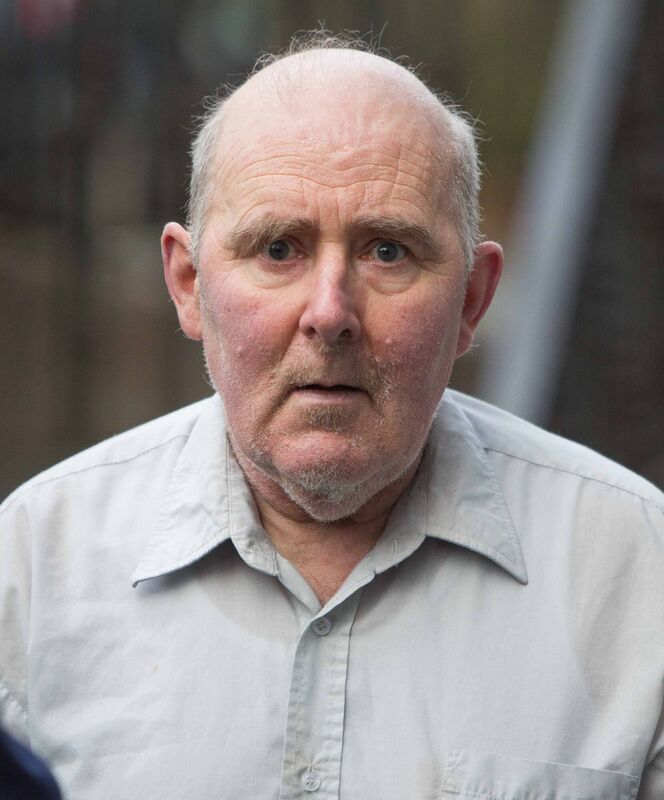
In his interviews with prison staff, Mr Reilly established that an officer went to the cell after two prisoners raised concerns between 7pm and 7.10pm that evening that they had not seen Leamy for “some time”.
When officers went into his cell, they found him lying on the floor of the cell, covered by a blanket. One of the officers told Mr Reilly: “I went into the cell and pulled the blanket down. (The deceased) was on his right hand side facing in towards the wall. I noticed that his pants were down below his waist. (The deceased) would think nothing of hopping into bed with his clothes on. I pulled him away from the wall and he was warm.
"At this stage I thought that he may have been given ‘hooch’ or had a seizure of some description. I noticed that there was blood on the blanket where he had been facing towards and I noticed blood coming from his mouth. He appeared to have some kind of a mark on the left hand side of his face.”
One nurse who attended the scene told Mr Reilly that Leamy had a deep, one-inch-long laceration over his eyebrow and on the back of his head, and had further injuries on his chest and arms.
The fact that Leamy’s pants was below his waist initially raised concern for Mr Reilly that he could have been sexually assaulted. But the inspector said this theory did not appear to be the case from the pathologist’s report, although he said, “this is a matter that may be explored at the Coroner’s Inquest”.
However, there is no plan in place for the inquest.
When contacted by the , the Laois Coroner’s Office said that a date for the inquest has not yet been set.
A spokesman for the Department of Justice said that all Death in Custody reports from the Inspector of Prisons have been received, and said that inquests are an issue for relevant coroners.
CONNECT WITH US TODAY



Be the first to know the latest news and updates