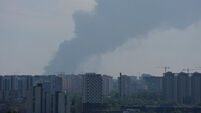
The Ukrainians who went home: 'Everything will be good in the near future'
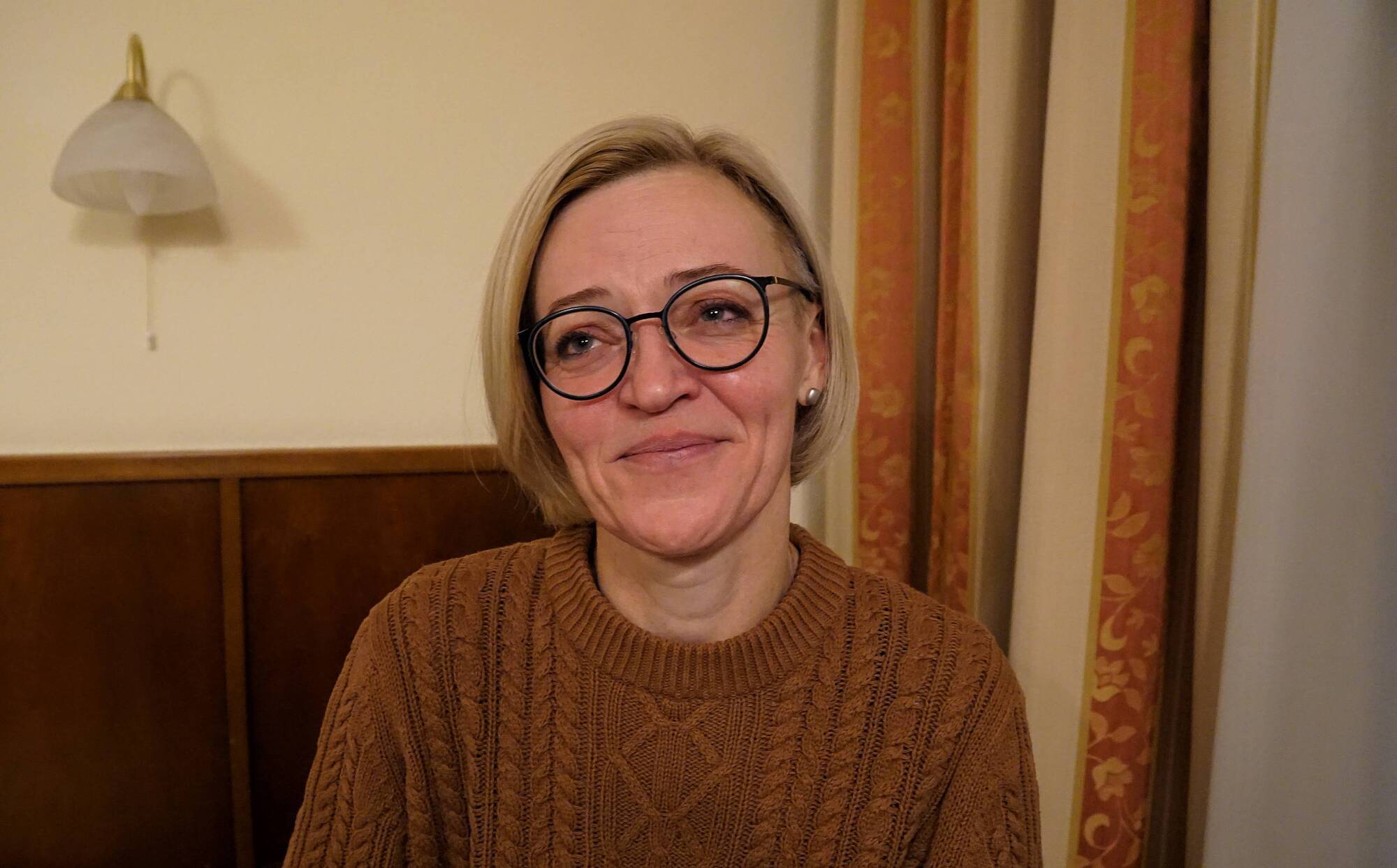
Olha Korzun: 'It made us feel so good when we saw so many Ukrainian flags in Ireland.' Picture: Hannah McCarthy
Olha Korzun liked to track her long daily walks in Kyiv on Pacer, a mobile phone application that connects people exercising around the world.
The Ukrainian civil servant would regularly post photos of where she was walking, or like photos posted by other users. Olha quickly struck up online friendships with walkers thousands of kilometres away.
When the Russian invasion began in February, Olha and other Ukrainian users started posting photos on Pacer of the damage they began to see in their home cities. Russian users responded angrily — “they were writing lots of negative stuff about Ukrainians,” she says.
In March, the gaming company that her daughter, Liza, 30, worked for arranged for the two women and Olha’s 17-year-old son Nazar to be evacuated to Warsaw while her husband stayed in Kyiv.
“It was so crowded in Warsaw though," says Liza “and it was impossible to find an apartment to rent long term.”
While they were in the Polish capital, Frank Lewis, a Pacer user in Ireland who Olha was friendly with on the platform reached out to her with an offer of accommodation in Dublin.
“I’d never met Frank in real life,” says Olha but she decided it would be better to stay with him than in a hotel in Warsaw.
She and her children arrived in Dublin on March 25. “It made us feel so good when we saw so many Ukrainian flags in Ireland.” They spent almost two months living with Frank in Stepaside, a suburb in South Dublin. Olha went on many walks in Ireland and still has a photo of Glendalough on her phone.
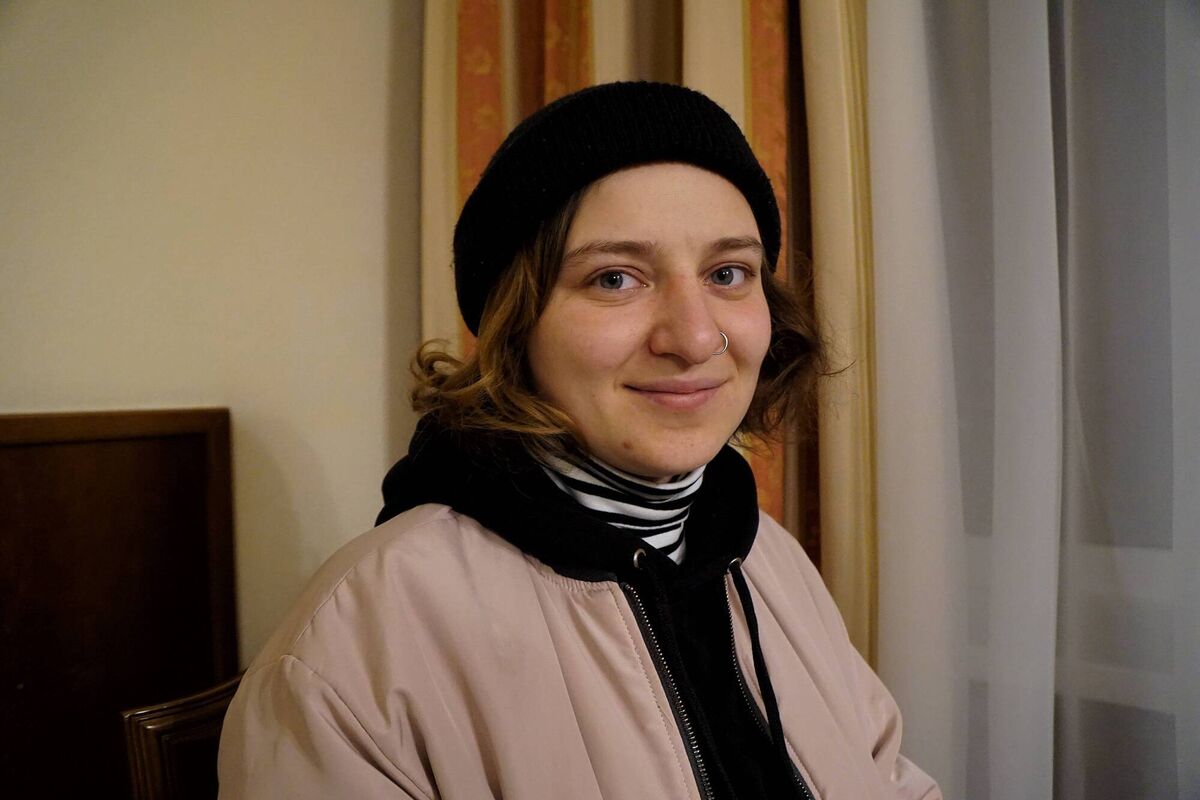
Liza continued to produce digital artwork for the company she worked for in Ukraine and Olha worked remotely for Energoatom, the state company which manages the nuclear power plants which supply over half of Ukraine’s power.
In May, the two returned home when the government in Kyiv announced that government employees should return to Ukraine, where they could continue to work remotely but from within the country.
The situation in Kyiv over summer was fairly stable — “there were air raid sirens, but nothing really hit the city,” Olha says.
That changed in October when the Kremlin began to attack the Ukrainian capital with missiles and Iranian-produced drones.
“On the 10th of October I walked across a pedestrian crossing in Kyiv 10 minutes before a missile hit,” she says.
Ukraine’s energy infrastructure was a key target for the Kremlin hoping to sew chaos into everyday life for Ukrainians ahead of the unforgiving winter season. Suddenly, Olha’s office at Energoatom was the focus of Russian missile strikes.
On November 23, every nuclear power plant in Ukraine went offline after a massive, orchestrated attack.
“We were all in the bunker in the office except for the management team who went to the crisis room to decide what to do,” she says.
In Kyiv, Olha lives on the 18th floor of an apartment block where about a quarter of the residents are elderly. Her home is now often without power.
At one point she had no electricity for 54 hours. “No electricity, no water, no heating, no mobile connection” Olha says, and jokes warily about the steps she adds to her Pace app while walking up and down 18 floors.
She doesn’t know if she will leave Kyiv again if the situation gets worse. "It’s too early to tell.”
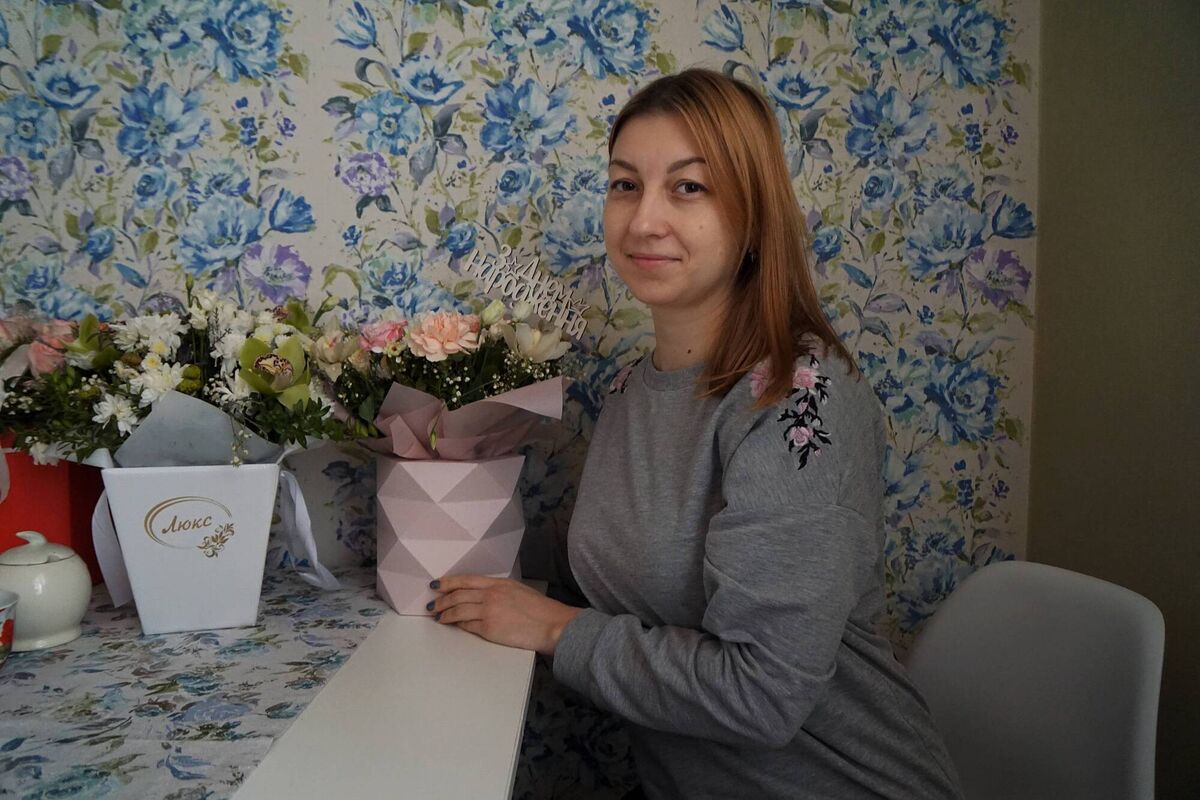
About an hour away from Olha’s home in Kyiv, Daryna Fedorenko also made the decision to flee in March, as Russian troops shelled the suburb of Irpin, where she lived with her husband and two children.
First, she went to a family member’s home in the neighbouring Zhytomyr province. Her mother joined her from Bucha, where she was evacuated as dead bodies lay in the streets: "She doesn’t want to return because she has memories of all the terrible things she saw.”
Daryna’s husband feared she would be surrounded in Zhytomyr if there was an attack from across the Belarusian border. By chance, the godfather of Daryna’s son Sasha knew a Ukrainian woman who had returned from Dublin to help her mother leave Irpin. The returning woman knew an Irish couple who were offering to accommodate a Ukrainian family.
On March 15, Daryna, her son and her daughter arrived in Ireland, where they spent two months in the Dublin suburb of Ballybrack with Svenja and Colin Hayes and their children. "They took care of me so well.”
Like Olha, Daryna returned home in May when the fighting had calmed around Kyiv, and it became clear Russian forces did not have the resources to take the Ukrainian capital or the surrounding area.
When Daryna speaks to The at her home in Irpin, there are bouquets of flowers on the kitchen table. They’re gifts for her 35th birthday which she celebrated recently.

There’s no electricity, running water, or phone signal in her apartment. It’s been like that for a few hours, but she says it is not too bad. So-called ‘invincibility’ points have been set up in her neighbourhood where she can go if she needs to charge her phone, get a signal, or simply stay warm.
The lack of electricity is a bigger issue for her 13-year-old daughter Viktoria, who goes to school in Bucha. “Either the school doesn’t have electricity, or we don’t,” she says.
The Russians “want to break you down but it works the other way around: it motivates you,” Daryna says. “I can’t speak for all Ukrainians, but I am so happy that I’m Ukrainian; I’m so glad to be here.”
But she worries about the men fighting on the frontline in the east and all the people that stand behind them and help. “I don’t know how to support them more,” she says, becoming emotional.
“We will stand, we will endure, and everything will be good in the near future,” Daryna says, “this won’t last for long.”
CONNECT WITH US TODAY



Be the first to know the latest news and updates