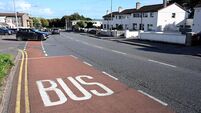
BusConnects plan drives a wedge between frustrated commuters and fearful homeowners
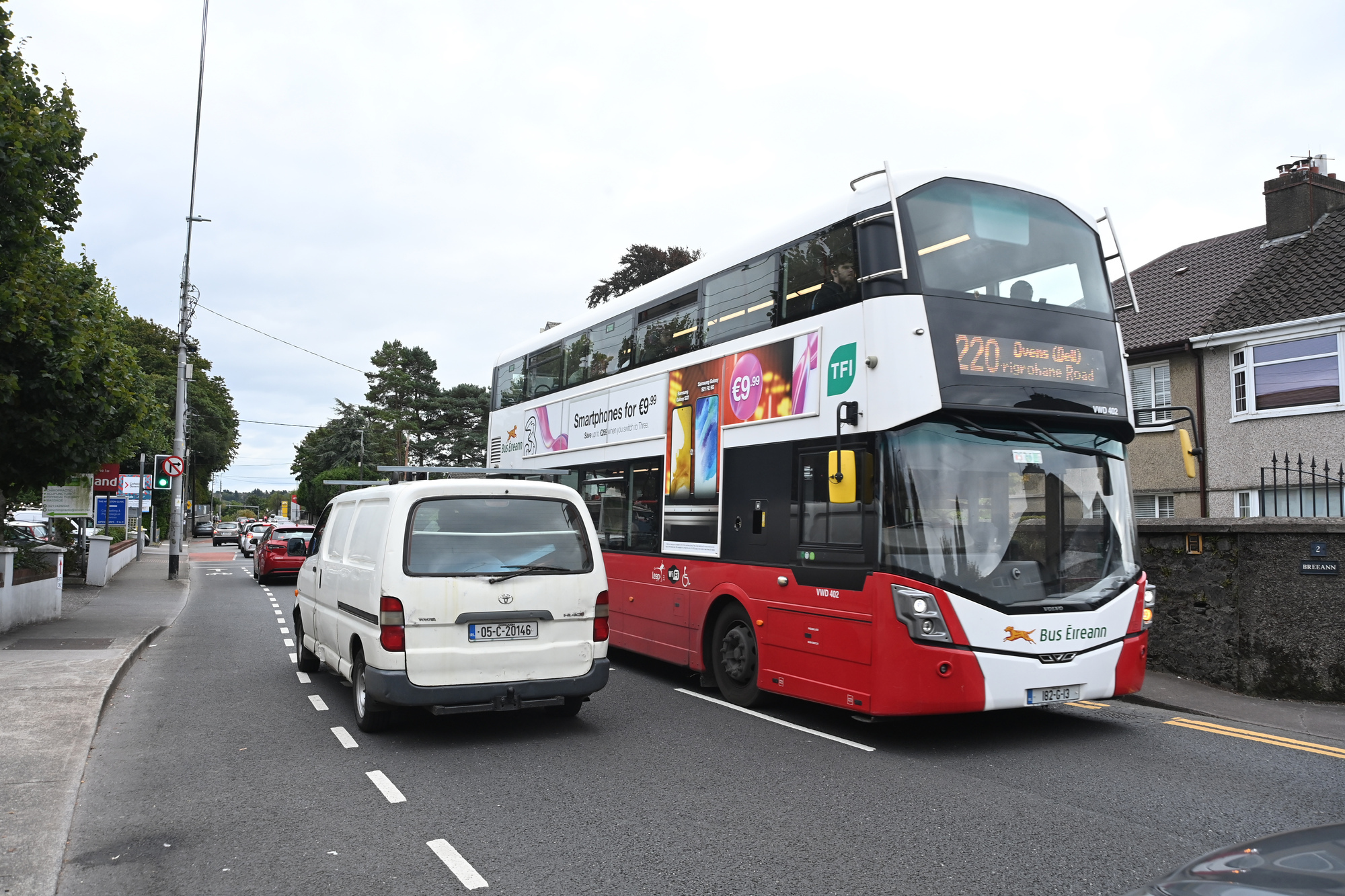
Frustrated bus users say something has to be done to make services run on time. Picture: Larry Cummins
The first round of public consultation has just concluded on the most expensive part of the ambitious BusConnects Cork scheme — the design of 12 strategic transport corridors (STCs) or super-bus and bike-lane routes.
These are draft proposals which could cut bus journey times in half, at the expense of hundreds of homes losing portions of gardens and the removal of hundreds of on-street parking spaces — and it is clear that the National Transport Authority (NTA) has hit a few speed bumps already.
In a city already suspicious of how another national agency, the OPW, has proposed fundamental changes to the streetscape, the NTA, which wants to deliver 93kms of bus priority lanes and 112kms of cycling facilities within the next few years, is facing similar criticisms and opposition.
It has been slated at Cork City Council meetings and at community meetings for its level of engagement and communication, with some of its proposals, for example, running a flyover through an urban woodland in Douglas, being described as “bonkers”.
Campaign groups have sprung up in communities citywide to oppose STC plans in their area.
Some homeowners facing the prospect of compulsory purchase orders (CPO) say they are fighting to protect their family homes and dreams.
Some business owners set to lose on-street parking say they are fighting for their livelihoods.
Others are fighting to save the hundreds of trees earmarked for removal while elsewhere, the people of one estate have erected signs reading “save our right-hand turns”.
However, frustrated bus users say something has to be done to make buses run on time, while cyclists say that for them, providing safe and segregated cycling facilities is a life-and-death issue.
They say BusConnects Cork represents a once-in-a-generation opportunity to put right the wrongs caused by decades of car dependence, that short-term pain for some will lead to long-term gain for all, and that with the looming existential threat to the planet posed by climate change, we simply have no option.
In a city with just 14km of bus lanes, where population growth of 50-60% is forecast by 2040, and all the transport and congestion challenges that that will bring, the NTA must chart a course forward.
Without a better public transport system and cycling network to cater for that growth, all the experts say traffic congestion will increase and become more widespread and severe.
Doing nothing is just not an option, the NTA says.
BusConnects Cork was unveiled last year as a package of nine measures that, combined, are designed to fundamentally transform the city’s bus system, making commuting by bus a viable and attractive choice for workers, students, and shoppers.
One of the key measures was a full redesign of the bus network itself, which saw a slew of new routes unveiled earlier this year that will see more buses running more often, with a promise that bus users will face shorter walks and waiting times.
Other measures include the introduction of a new state-of-the-art ticketing system, the implementation of a cashless payment system, a simpler fare structure to make interconnections easier and cheaper, the installation of new bus stops and shelters, better signage and bus-journey information, the development of new park-and-ride sites at key locations, and the gradual transitioning to a new zero-emissions bus fleet.
However, none of that will matter if the buses do not run on time. And because people cannot rely on buses today, bus usage is low.
The Cork metropolitan area has a population of more than 305,000 people making an average of 820,000 trips each weekday.
A staggering 74% of those trips are made by car, 20% by walking, with just 5% by public transport and just 1% by bike.
The NTA says it has to remove vehicles from traffic congestion in order to make buses more reliable, more punctual, and faster, and that means bus lanes or other systems of bus priority.
However, the constrained street layouts across the city make it very challenging to deliver on that ambition.
Therefore, one of the central planks to the success of BusConnects Cork is the proposed network of 12 STCs featuring bus and bike lanes, linking the suburbs to the city centre. The corridors will run from:
- Dunkettle to the city;
- Mayfield to the city;
- Blackpool to the city;
- Hollyhill to the city;
- Ballincollig to the city;
- Bishopstown to the city;
- Togher to the city;
- Airport Rd to the city;
- Maryborough Hill to the city;
- Mahon to the city;
- Kinsale Rd to Douglas;
- Sunday’s Well to Hollyhill.
If implemented in full, they would deliver a near-50% reduction in bus-journey times across most of the STCs, the NTA says.
The draft route designs have been at the centre of discussion in the affected communities for the last few weeks, with the NTA engaging in a series of community forums and one-to-one meetings with some of those set to be directly impacted.
As the full extent of the impact of BusConnects filters through, communities are beginning to mobilise.
BusConnects has been on the cards for several years and has been a key feature of major strategic planning policy documents for some time.
The National Planning Framework (NPF) envisages that Cork will become the fastest-growing county in Ireland, with a projected increase of its population of between 105,000 and 125,000 people by 2040.
The projected population and associated economic growth will result in a significant increase in the demand for travel, which the NTA says needs to be managed and planned for carefully to safeguard the region’s attractiveness as a place in which to live, work, visit and invest.
Several key transport projects need to happen to make sure that comes to pass, including an enhanced city-wide public transport system that includes an east-west corridor from Mahon, as well as improved traffic flow around the city.
The city council has been working on that traffic-flow issue for some time, with changes to traffic movement around Grattan St and the introduction of a time-regulated bus lane on St Patrick’s Street, which itself has not been without controversy.
There were significant traffic changes in August to traffic flow on the city’s northern quays, and work on the MacCurtain St revamp is to start soon.
There has been significant investment in public transport in the city in recent years, including the introduction of Ireland’s first 24-hour bus service in Cork, which has helped increase bus usage.
NTA figures published in 2019, the last pre-Covid figures available, show a 19m increase in passenger journeys on State-supported public transport operators in 2018 — a 7.5% increase compared to 2017.
Bus Éireann posted the single-biggest percentage increase with 35.1m passenger journeys compared to 31.1m in 2017 — a jump of 12.9%. Its city services in Cork, Galway, Limerick, and Waterford increased by 13.2% overall.
The NTA says the statistics prove that when it invests in the service, people respond.
It also points to Ireland’s Climate Action Plan, published in November 2021, which sets out the pathway to halving Ireland’s emissions by 2030 and reaching net zero by 2050.
Emissions relating to the transport sector account for approximately 20% of Ireland’s greenhouse gas emissions.
The goals of the NPF are ambitious. It wants to achieve an additional 500,000 daily journeys using public transport and active travel modes through the delivery of BusConnects networks in Cork, Galway, Limerick and Waterford, the construction of an additional 1,000km of cycling and walking infrastructure, and transitioning the bus fleet operating on Public Service Obligation (PSO) routes in Cork, Galway, Limerick, and Waterford metropolitan area to a low/zero-emission bus fleet.
The NTA also flags the National Sustainable Mobility Policy, published in April 2022 which sets out a strategic framework to 2030 for active travel (walking and cycling) and public transport journeys to help Ireland meet its — a 51% reduction in carbon emissions by the end of the decade).
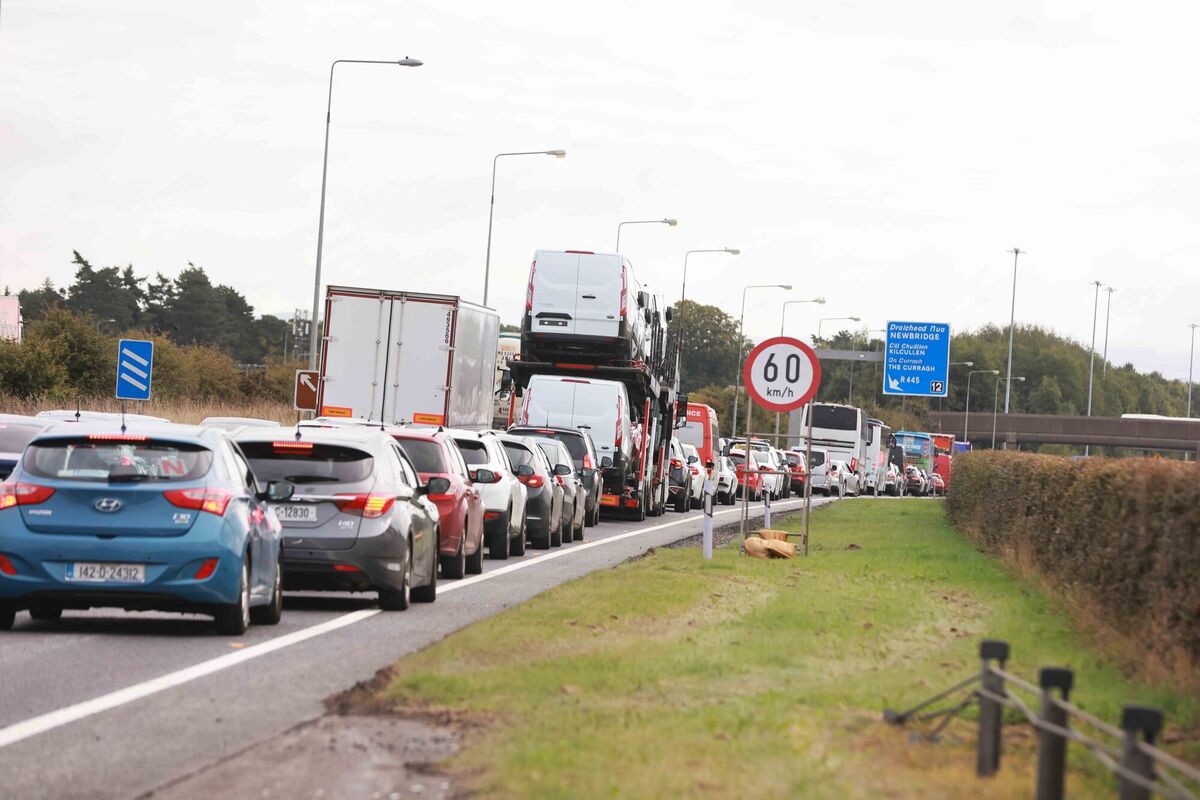
It aims to provide safe, green, accessible and efficient alternatives to car journeys, with dozens of new bike lanes planned across Cork city alone.
It also includes demand management and behavioural change measures to manage daily travel demand more efficiently and to reduce the journeys taken by private car.
The policy aims to deliver at least 500,000 additional daily active travel and public transport journeys by 2030 and a 10% reduction in the number of kilometres driven by fossil-fuelled cars by 2030.
However, delivering on-street sustainable transport infrastructure in a city where some street layouts date back to the sixth century, where in some places two cars cannot pass, let alone a bus lane and a bike lane, will be challenging.
The NTA acknowledges this:
“However, the NTA is committed to continuing its partnership with Cork City Council to mitigate any of the potential impacts of the infrastructural work and ensure that this €600m investment in Cork is realised," it says.
Having almost completed BusConnects Dublin, it says it has significant experience of designing bus and cycle infrastructure and of engaging extensively with local communities, residents, and businesses.
“We are acutely aware of the issues and concerns that may be raised regarding the impact of any change to road layout, loss of portions of gardens, parking and trees,” it says.
“All decisions taken by the NTA are to achieve better sustainable public transport options for people and address the climate crisis. Therefore, we endeavour to lessen likely impacts and where feasible find alternative solutions.”
It is keen to stress the positives that BusConnects will bring, including increased access to jobs, education, and other essential services, better walking and cycling infrastructure, and urban renewal, with businesses enjoying greater connectivity to attract the best talent to the city.
It says some roads may become one-way, new bus-only sections will be introduced, and in some places general traffic will have to take new routes in and out of the city.
However, it warns that it will often not be possible to accommodate the bus lanes and cycle tracks in the width available and that it will be necessary in places to acquire parts of the garden space of houses, plus land in front of commercial properties.
“Where this is necessary there will be appropriate consultation and engagement with potentially impacted property owners,” it says.
“Where lands, such as parts of gardens, are being acquired for widening, we will purchase the portion of front gardens from property owners; ensure new landscaping and replanting of the gardens as well as providing compensation for the garden portion loss and disruption.”
On-street parking will also be removed in places to accommodate the new road layouts and the NTA says that where “it is appropriate" it will try to provide replacement spaces.
It also insists that where trees are felled, it will replant mature or semi-mature ready-grown trees as close as possible to the original locations.
However, the submissions from the public so far show there is a long and difficult road ahead.
Many submissions open with an expression of support for better bus services but go on to criticise the STC proposals.
Some personal details and specific addresses are redacted but the publicly-available information gives a flavour of the issues.
The board of management of Our Lady of Lourdes National School in Ballinlough praises the BusConnects policy but says the implementation is flawed.
It cites concerns about the STC designs in its area and the lack of school drop-off places, which it fears will lead to an increase in traffic near the school.
Gaelscoil an Ghort Álainn in Mayfield also welcomes the investment in public transport but says it has concerns about the impact of a proposed bus gate at the junction of Old Youghal Rd and Murmount Park, which would divert inbound city traffic up Murmount Park towards the school.
“Any increase in traffic movement will impact both the school traffic, local traffic, and the diverted traffic,” it says.
“The school drop-off is a challenge at the best of times and as with every school around the city and country, safety is paramount. Adding additional traffic to the local system will likely frustrate all road users and compromise safety.”
It raises the practical point about the upper part of Murmount Park being very steep and prone to ice during cold weather, and the need for it to be included in any gritting programme if the proposals go ahead.
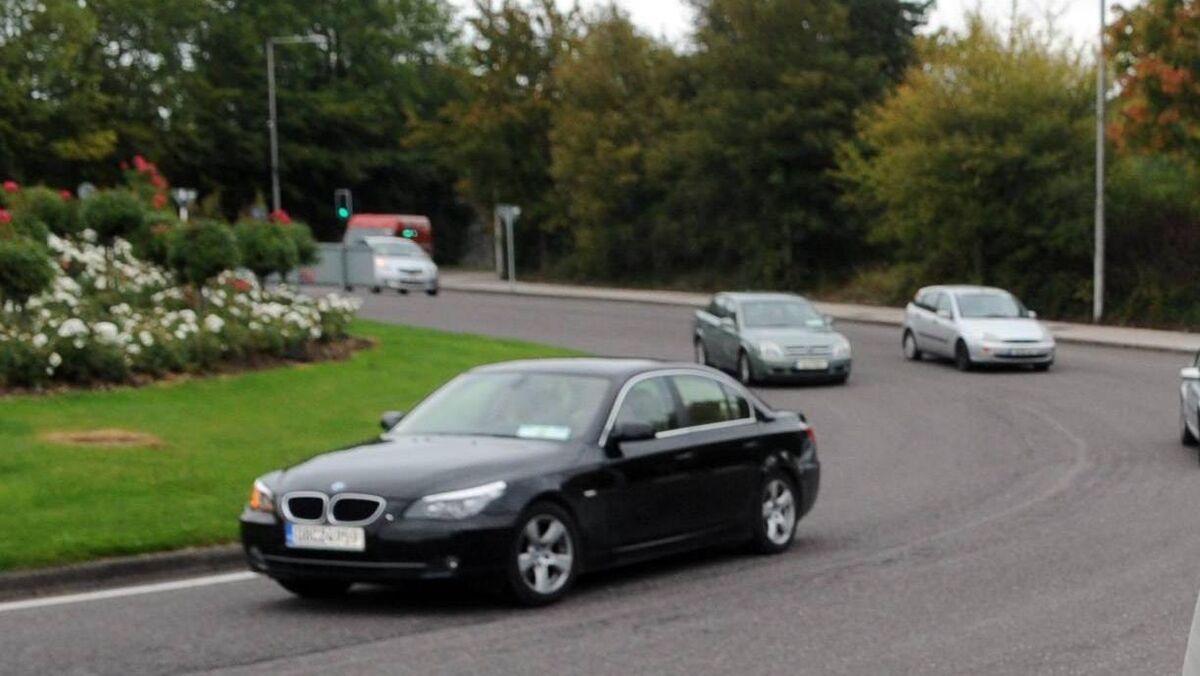
Residents of Westcliffe estate in Ballincollig have criticised proposals to fell some 60 trees and remove the Poulavone Roundabout and replace it with a signalised junction.
“Ballincollig will become like Cork city centre, all thanks to the disastrous plans by the NTA and the inaction of the city council. Shame on you,” its submission says.
A submission by a company called Castleventry Ltd, which owns potentially-impacted properties along a section of the Mahon-to-city route J, criticises the design of the part of that STC.
It says creating “unnecessary bus corridors on one of the widest roads in the city” will lead to the loss of a huge section of private gardens, a large number of private car-parking spaces, and communal bin and recycling stores, and will have a severe impact on all occupiers’ enjoyment of their properties and negatively impact on their value.
It criticises what it describes as the NTA’s refusal to acknowledge the impact of the removal of on-street parking along this road, and proposals to remove almost 300 mature trees.
“It is a ridiculous and unconsidered plan in every aspect,” it says.
Another submission says the STC which runs along the Boreenmanna Rd does not take into consideration the 350 children who train at the Cork Con grounds on Saturdays.
“Parents drop off their children and many stay to watch their children's activities. Youths and adult teams train every evening of the week. AIL games on Saturdays attract crowds of over 500,” it says.
“The facilities are also used by hundreds of people for other social purposes such as bridge clubs, keep fit classes, TAG rugby, and social events.
The Lough Community Association has raised issues about the Togher-to-city centre STC, including the location of some bus stops and the removal of 204 on-street parking spaces, which it describes as “a natural traffic-calming measure”, while the Pearse Rd Residents' Association, in an area famous for its decades-old cherry trees, is gathering a petition opposing the design of the STC through its area, which includes the removal of some trees and the removal of on-street parking.
“We are not against improving our beautiful city/neighbourhood if done in a way which has consideration for all,” it said.
“We have elderly/disabled people along our road who make daily hospital trips; we have people who receive the local meals-on-wheels service; we have people who require home help on a daily basis. We have young families with school-going children.
“We feel that your plan for the route has not been thought through properly and fails to take in our consideration as the residents of the area.”
There is a handful of submissions supporting the STCs but you must look hard to find them.
One man says he has received communication from one of his sports clubs urging him as a member to make a submission about the loss of parking in the area.
“I hope that this sort of nimbyism is ignored, rejected forcefully, and that the greater good is considered above that of individual organisations,” he says.
Another man says the implementation of the plan for Douglas is “essential and vital for the future wellbeing and quality of life in Douglas and the suburbs beyond”.
“We simply have to bite the bullet now,” he says.
Tier Mobility, one of Europe's leading providers of micro-mobility services, such as scooters, says BusConnects Cork presents a massive opportunity to revolutionise the city’s “transportation landscape”.
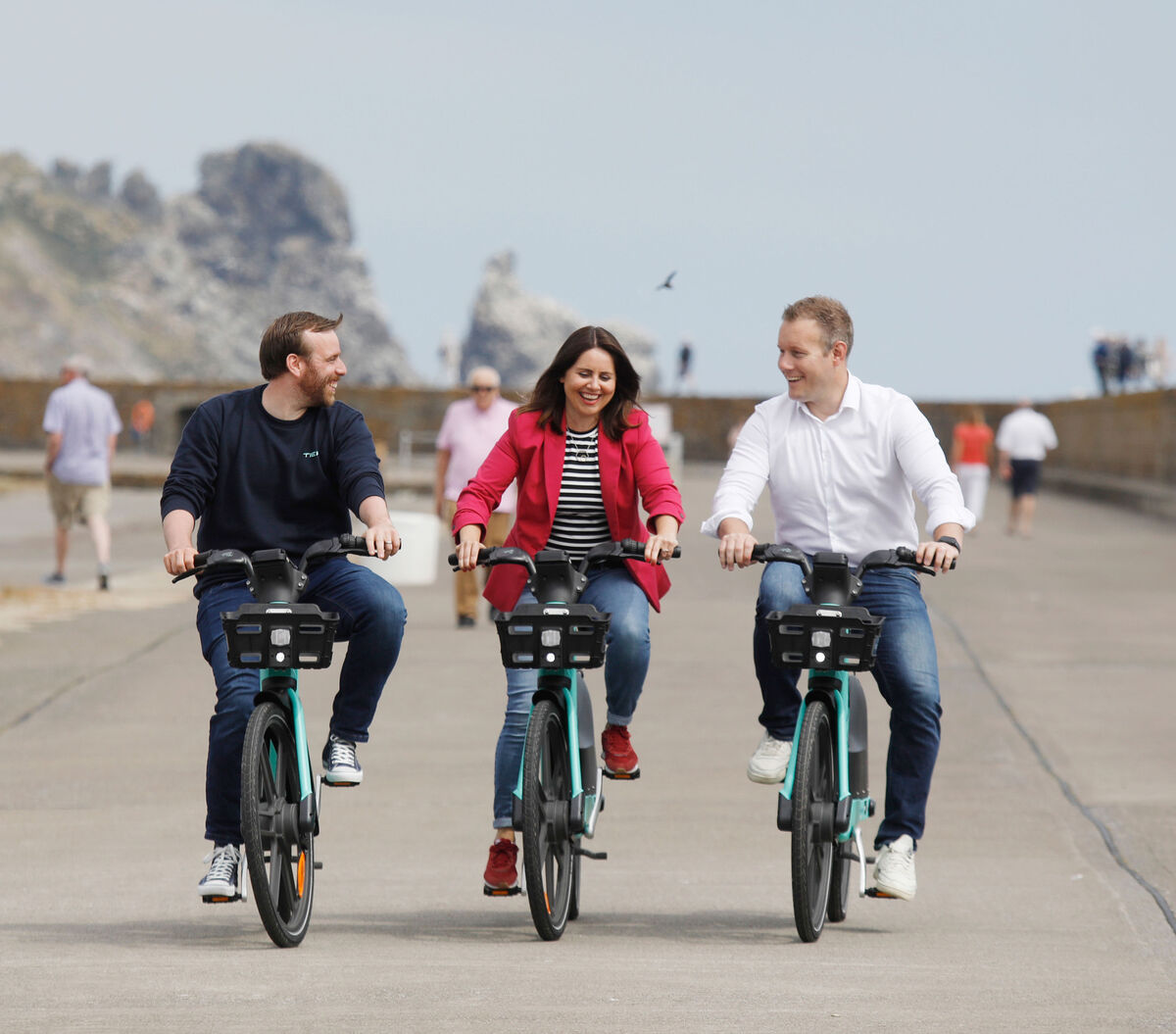
The firm has deployed scooters and e-bikes in over 160 partner cities across Europe and the Middle East, it operates shared e-bike schemes in 17 cities across seven countries including the UK, and it operates Ireland’s first e-bike tender scheme, within Fingal County Council.
It encourages the NTA to go further and extend high-quality cycle infrastructure to connect Blarney and Glanmire with the city, but it also calls for improvements to some of the STC junction designs which it says at the moment create “unnecessary clashpoints between pedestrians and cyclists”.
It suggests using a Dutch-style mode of junction, especially at areas such as the Old Fort Rd/Main St Ballincollig intersection and the Curraheen/Melbourn Rd intersection to improve ease of cycling and reduce pedestrian fear.
A man who describes himself as a parent and cyclist from Douglas also supports the plans.
“As a parent and a cyclist, I believe the future of our society is in healthy, safe public transport. I do not support the organised lobbying that has gone on in the area to protect car parking and access to car routes as an argument for dropping children and adults to sports events and shops,” he says.
Another man says “let’s get it built”.
“The current network and infrastructure is not fit for purpose for current needs and will only get worse the longer that we wait,” he says.
“I would like to say that if anything the proposals do not go far enough.
“Please have the courage to do the right thing and give us a future where the second city in Ireland can fulfill its people's potential.”
The NTA says it will spend the next few months assessing all of the submissions, continuing its engagement with affected property owners, considering alternatives, and revising its plans, which should be ready for a second round of consultation by March or April next year.
Shane Clarke, a champion of the 15-minute city concept and an expert in the management of urban assets, admits that BusConnects Cork has tested him.
The strategic transport corridor proposals for his area look set to cost him a parking space outside his one-car family home on Wellington Rd.
However, on reflection, he feels it is a price worth paying for the long-term benefit of the city — and of the planet.
“I’m famously on Twitter saying ‘cars bad, bikes and walking good’. And now this is immediately impacting upon me," he said.
"After my initial shock, I said ‘sod this’, I better put my money where my mouth is and back a winner,” he says.
The STC linking Mayfield to the city proposes an alternative cycling route along several sections, which requires the removal of 159 on-street parking spaces.
One of those cycling routes to the city will run along Wellington Rd, where several parking spaces, including the one where Shane parks the family car, may be removed.
He admits that realisation caused him to “draw a breath” but that on reflection, he feels it will be worth it in the long run.
Shane, a former chief executive of the London Bridge district, which includes the prominent business estates of London Bridge City and Shard Quarter, one of the UK’s busiest rail stations, Tower Bridge, and more than 400 businesses, led Nano Nagle Place in Cork before setting up his own consultancy, Garden City Culture.
He promotes and lives the 15-minute city concept, living a few minutes’ walk from the city centre.
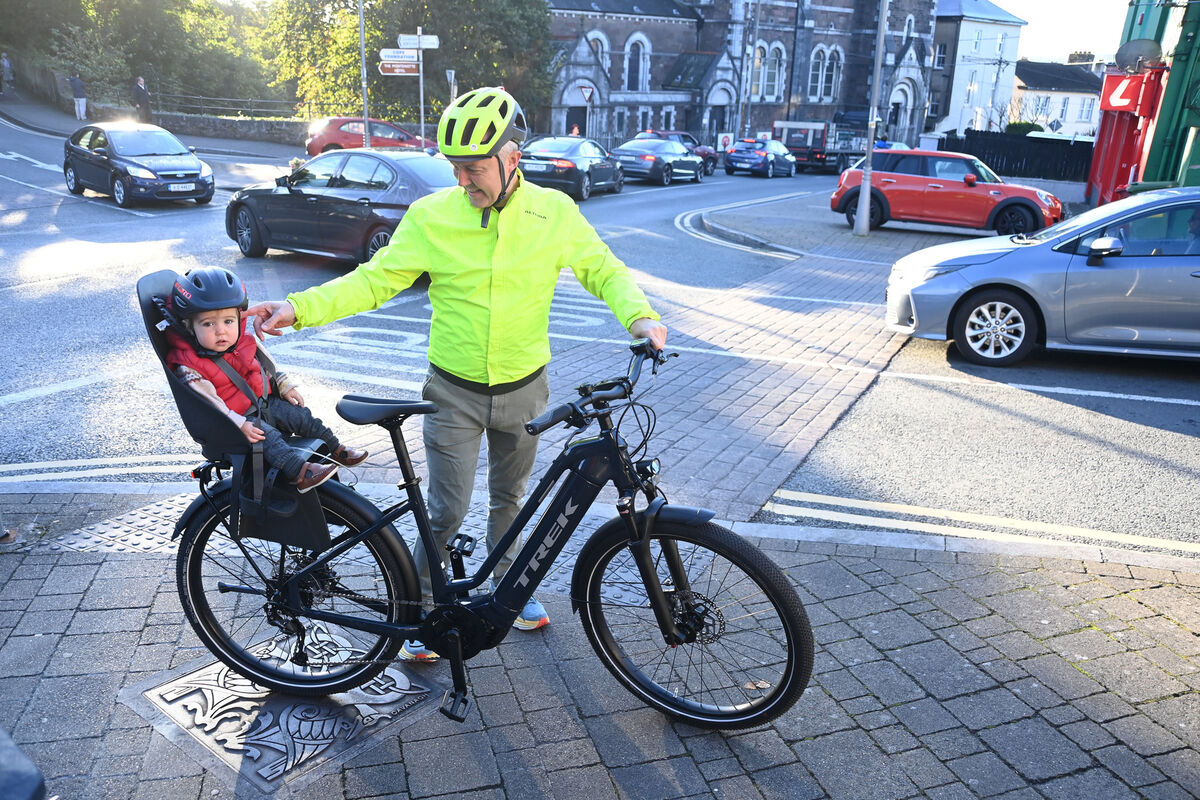
Last year he bought an electric bike which he uses to take his youngest child, Oisin, to creche in Farranferris every morning. Their 10-minute bike ride over the hills on the northside replaces a near 40-minute car journey.
“I would leave the house in the car at 8.15am and the whole journey was a pain in the arse and it would take anything from 20 minutes to 40 minutes, a crying baby in the back, me adding to congestion and pollution and all the other things, and so I thought sod this for a game of marbles — let's get an electric bike and stick him on the back,” he says.
“Now it takes 10 minutes. It doesn't matter what the traffic is, what the weather is. He sings away happily on the back.
“We have to be ultra-careful because there are serious issues around safety but he loves it and I love it. It’s much quicker and I’ve taken a car off the road.”
Shane says they, like most families, need a car to function, however.
“I do a big weekly shop, I drive my older kids, 10 and 12, around to their sporting and cultural stuff at the weekend,” he says.
“I’ve always walked them to school but they've only recently gone out and done it themselves because it’s only now that I’m confident that they’ve got the wherewithal to manage that.
“I don't have a dedicated parking space but I can usually park within 20 yards of the house.
“I think in the end, the city is going to be far better if we have BusConnects and it takes cars off the road and puts more people onto ‘feet first’ and cycle lanes and buses.”
He has reflected those views in his submission to the NTA but has also urged the BusConnects engineers and planners to take a bigger view, to examine the cause of congestion in parts of the city, especially around school-run time, and especially in the Wellington Rd area where there are several schools and third-level colleges.
“The traffic evaporates in this area in the summer,” he says.
“Those cars come in such a high volume that they clog everything up, including the junctions and that's when you have chaos. And they're all cross and stressed. And to me, that’s bonkers.
“I don't think it's doing any good. I don't think the parents like it because they're late for work, they’re doing it five days a week, they’re driving extra distances, it's not good for the kids, it's not good for this area because it’s clogged, polluted, and noisy; it's not good for the economy because of all the wasted time.
“We've got ourselves into this Catch-22 which nobody wants, but nobody can seem to get their way out of.
“It's the 15-minute city people who are losing their car-parking spaces to give up space for buses, which have to compete with the school-run traffic.
“There has been no look at the supply and demand for all those cars coming in and out of the city and I think that's where BusConnects has missed a trick.
“There needs to be a much rounder strategy to tackle congestion and actually make, over the medium term, people's lives better.”
He also expressed frustration at how the dialogue on BusConnects has been dominated by the idea of people losing car parking and parts of their gardens, entirely legitimate issues to be discussed, he says. “But we’ve got a seriously existential climate emergency and we've got to get our crap together.
“We're not hearing the voices of the bus users, those who don't have access to private vehicles, the younger people who are increasingly not buying cars.
“We're not hearing nearly enough about success stories elsewhere where this has worked.
“We're not hearing enough about the reduction in noise pollution levels and all those sorts of things. We're not getting a round picture of how transformative this will be.
“Move forward five years, and I think we will get a much better place and individuals would be much better off.
“In the short term there is pain and at the sharp end of that is those people losing their gardens. They are really affected more than anybody else. But when my kids are 18, I think this city will be a far better place, with a better quality of life. And it will be quieter, less polluted, and the benefits will start playing themselves out pretty quickly.
“We've got to learn the lessons about how to manage people through this change, and win them over to change.
“That’s a bloody hard job and nobody got it absolutely right but I think we need to be engaging people continually from a really early stage.”
He also called for greater leadership from the political class and praised Cork Chamber for its support of the BusConnects project.
“This is a winning ticket. Politicians need to get on the right side of things. There will be challenges in the short term, but in the long term, Cork is definitely moving in the right direction," he says.
“If you go back to the Cork of the 1900s, the essence of what Pure Cork is, all the streets had trams, we walked a lot more, we had street markets and people living in the city centre.
"We're not reinventing the wheel here. This is what the city used to be. It was what people loved about Cork.”

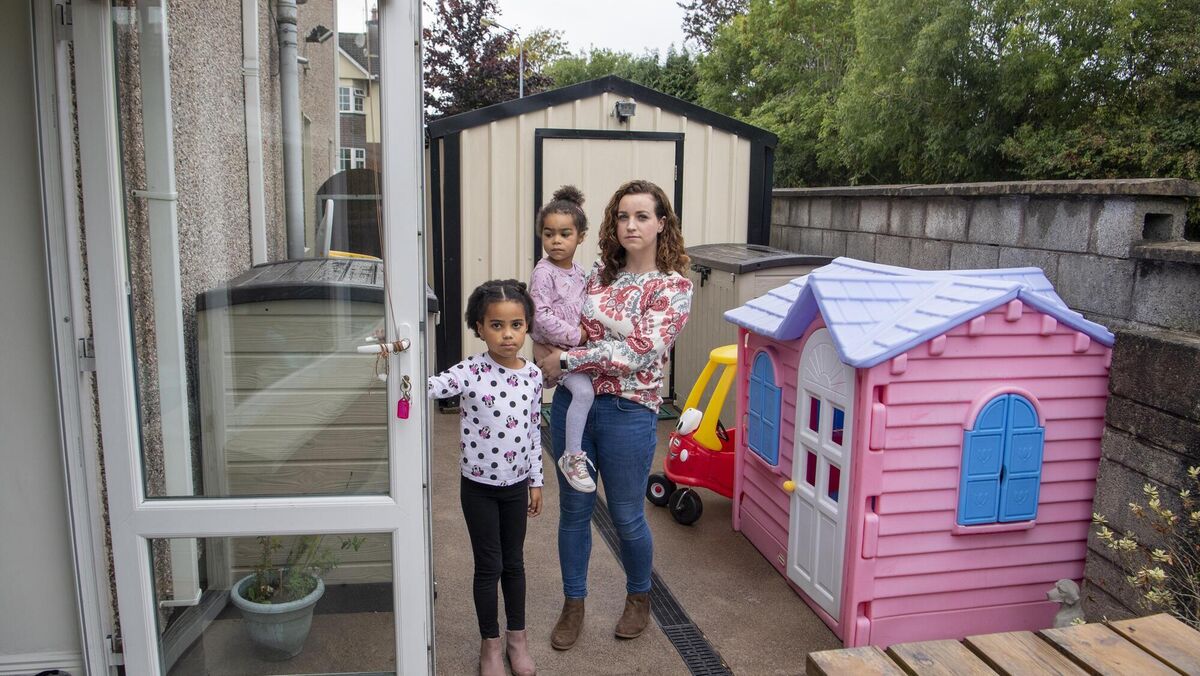
When they bought the house, they thought it was their forever home but since the BusConnects plans for their area were published, Sarah Adeleke says it does not feel like their home any more.
“It’s in somebody else's hands at the moment,” she says.
Sarah and her family are among the hundreds of people who may lose property to make space for bus and bike lanes as proposed under the 12 STCs across Cork city.
She lives with her husband and two young children in a semi-detached house along part of STC route K, which is due to run from the Kinsale Rd to Douglas.
Theirs is the only house in that cul-de sac without a front garden.
Under the BusConnects proposals for route K, the road over their boundary wall is to be widened for a bus and bike lane.
That means demolishing the high boundary wall which runs the length of their property and rebuilding it closer to their home, removing a large chunk of their drive, which would result in the loss of the car-parking space, the loss of the area to the side of their house where they have a shed and store their bins, and the loss of a large chunk of their back garden.
The draft proposals reduced Sarah to tears, she says.
“No-one spoke to us about this in advance. We got a 50-page booklet dropped in the postbox. I didn’t look too closely at it at first. I took no notice of it really for a few days. I thought it was something about new bus routes.
“It was only when my husband was talking to the man who owns property across the road, and they got chatting about the booklet, that we realised fully what was planned.
“We lived in an apartment until our eldest was two years old. We had no garden, no parking space, and then we put our whole life savings into this property, thinking that when we bought it, that we wouldn’t have those issues any more," she says.
“We bought the house four years ago, and thought this was our forever home, and then this booklet was thrown in our door. We were devastated when he saw the full detail.
“I didn’t sleep a wink, I cried for a week. I was so stressed that I couldn’t eat.” Her husband phoned the number in the booklet but Sarah says those who answered the call could not answer detailed questions and did not provide much help or reassurance.
She also says details about a public briefing on the plans for their community were not flagged in the booklet.
She spoke to the local residents' committee and to local city councillor Shane O’Callaghan, who helped arrange a one-to-one Zoom meeting with Mr Creegan.
“I was tearful on the call,” Sarah says.
“I told him about the devastating impact that it would have on us, and about the worry hanging over us.
“He told us they may be able to reduce the impact on our property, and there was some slight relief that the scale of what they proposed might not be needed but I still don’t know what they will propose after this.
“Every time I walk into our kitchen, I think of this plan. I look at the garden and the wall and I can’t escape the thought of it. It’s on my mind all the time.
“We had friends over during the summer for barbecues and I’m thinking if the NTA goes ahead with this, we won’t be able to do this any more.”
Sarah and her family may have to wait until next March before the feedback has been assessed and revised routes are published for further consultation to see if the impact on their home can be mitigated.
CLIMATE & SUSTAINABILITY HUB
CONNECT WITH US TODAY



Be the first to know the latest news and updates