At the Ukrainian border: 'This is not over yet. It’s only getting started'
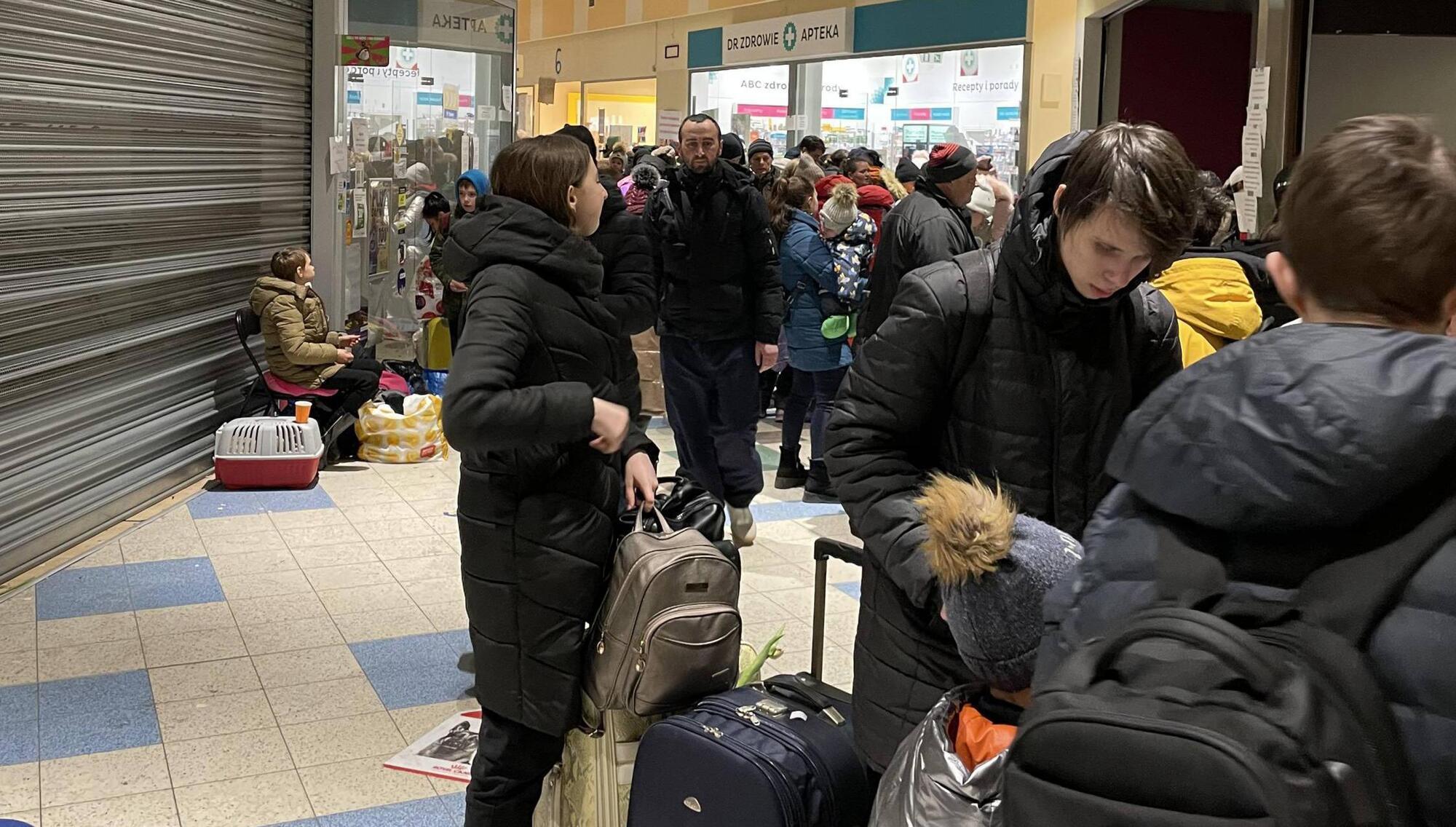
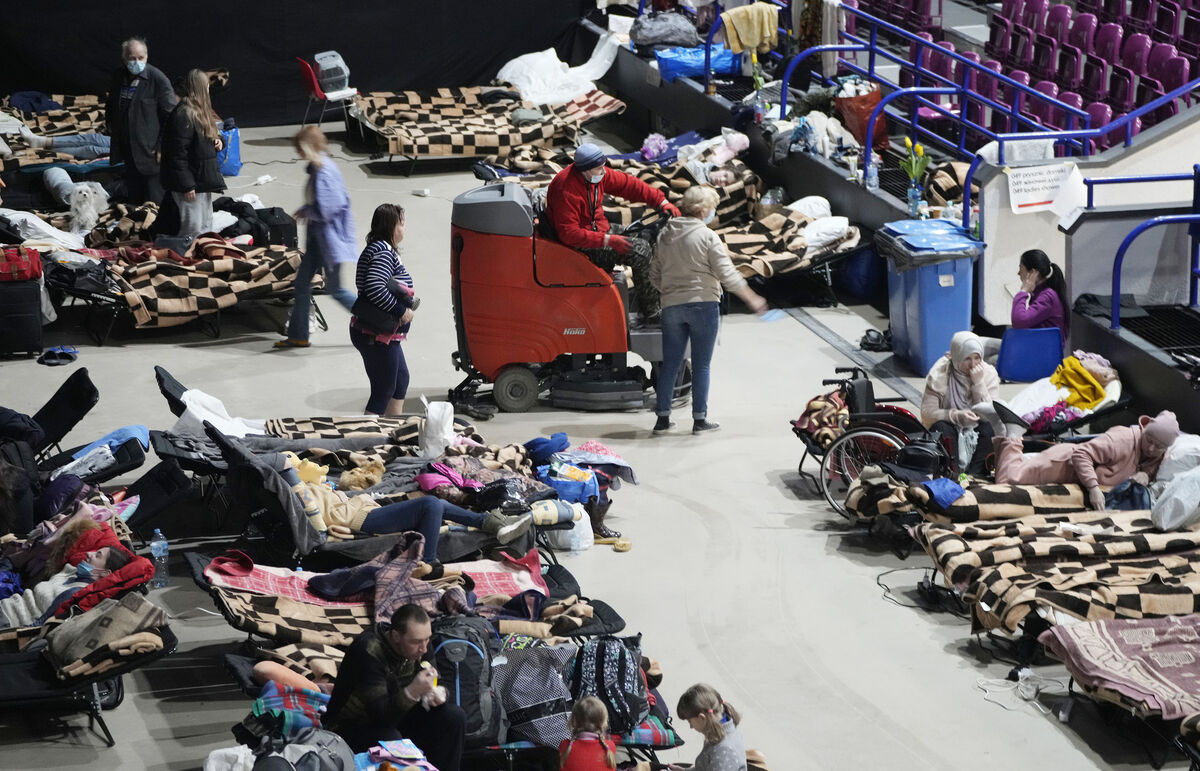
A humanitarian aid centre in Polish town of Przemysl, near border with Ukraine.
The numbers involved in the Ukraine war defy comprehension.
By Tuesday, over one million Ukraine people had already crossed the border into Poland, fleeing the war started by Vladimir Putin’s Russia in the early hours of 24 February, just 11 days earlier.
The head of the United Nations refugee agency has called it the worst refugee crisis since World War Two. The UN estimates as many as four million people may leave Ukraine, roughly one-tenth of the country’s population. On Thursday, Kyiv mayor Vitali Klitschko said that half of the capital city’s 2.8 million people had already left.
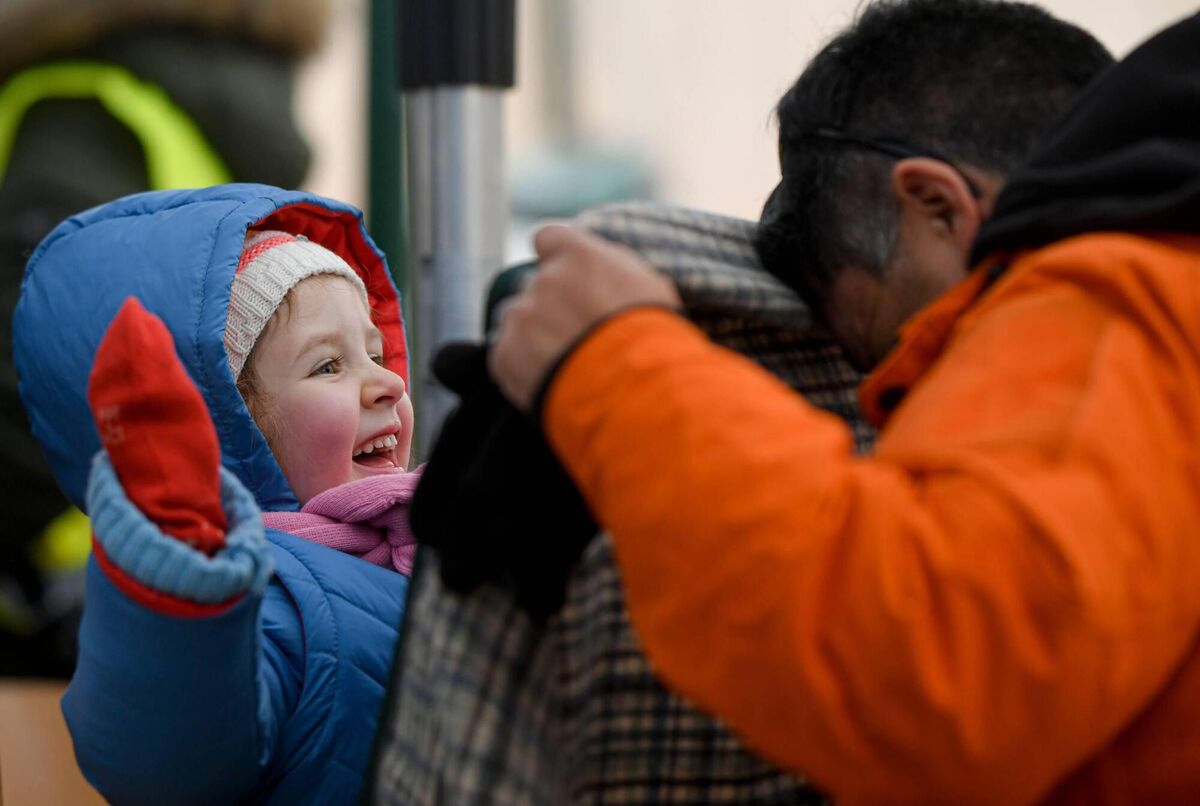
These statements on their own are staggering.
But, if there was any doubt as to the length, breadth or extent of this crisis, one would just have to spend five minutes in a huge Tesco on the outskirts of a town with a population slightly larger than Waterford city to truly appreciate what is happening.
It’s the kind of large supermarket complex we have all over Ireland. Of all the shops that had populated this small shopping centre in the south-eastern Polish town of Przemysl, only a small pharmacy remains.
The other units are now makeshift bed spaces for thousands of refugees who have crossed the Polish border in this area. Or they contain stalls set up by aid agencies and volunteers from all over Europe and beyond giving people food, supplies and information on how to make their onward journey.
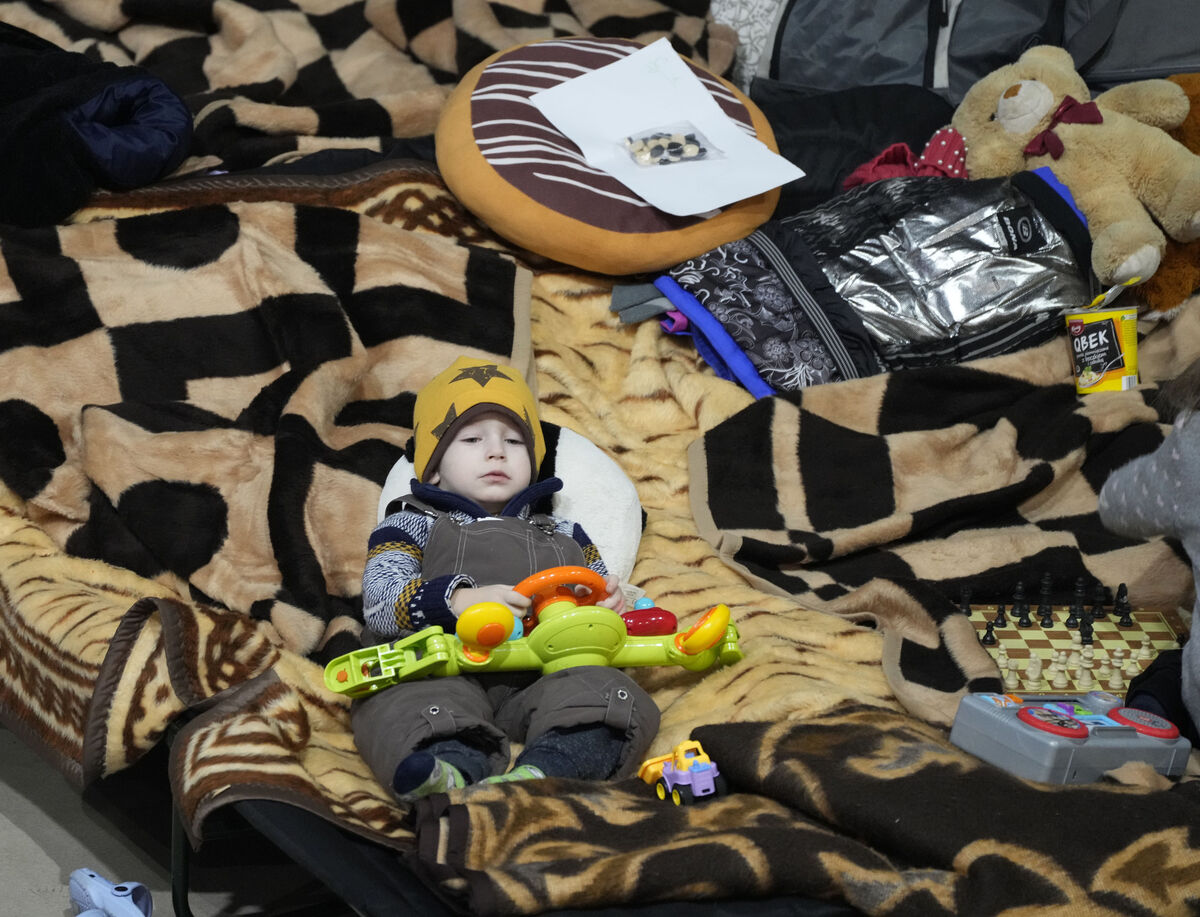
In the Tesco itself, there’s just row upon row of makeshift beds that have been brought in. Some of the children run between the beds playing, this experience a new novelty for them. Others cling to their parents, their only belongings now consisting of whatever they could carry .
Wheelie bags, rucksacks, plastic bags – that’s it. That’s all they have. It’s mostly women and children. The men have stayed to fight. Older people lie in corners or on their beds. Forced to leave the home they’ve known for decades, suddenly and forcibly ripped from under them.
As I walk through, one woman asks me if I can help her and her family get to Germany. She’s surrounded by women so like her they must be her sisters. Her voice is strained by panic and desperation.
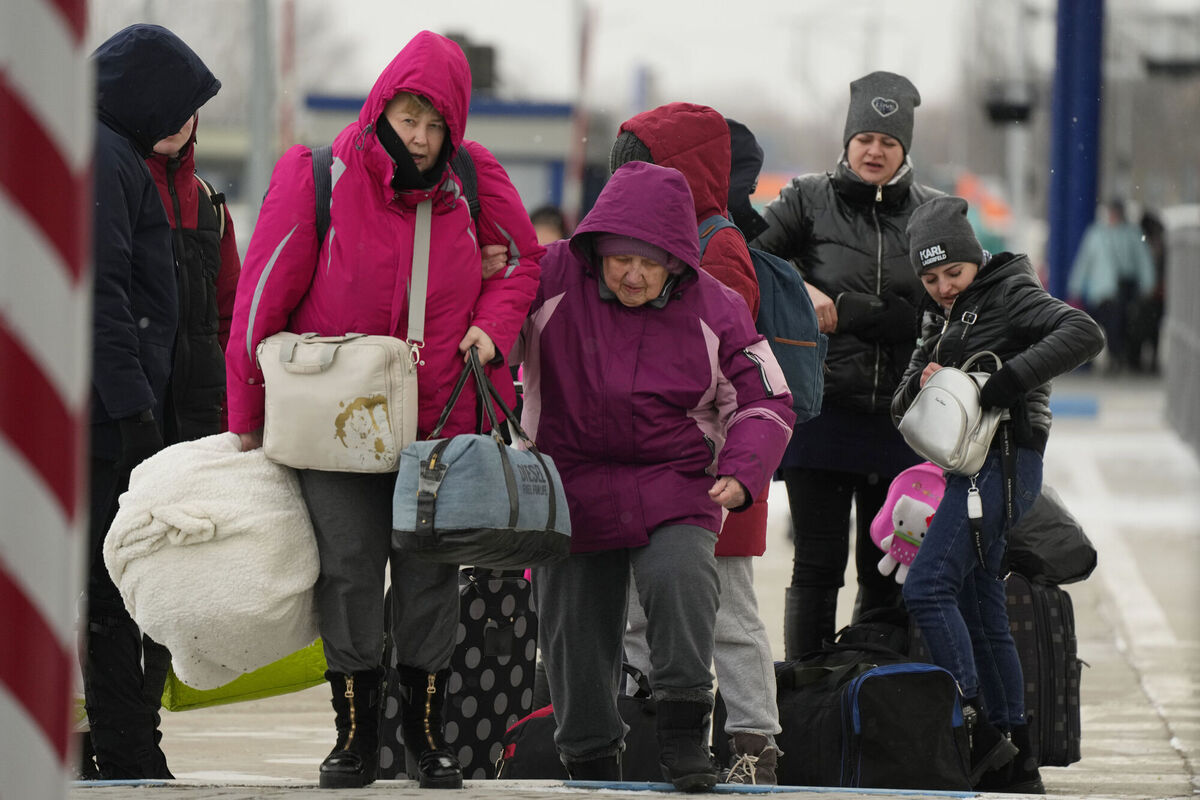
There are signs and posters littered throughout the shopping complex with information on how to get to different destinations. Some are organised coach journeys. Others just feature people who’ve pulled up in a minibus, a camper van or even their car to take as many as they can. There are Polish registration plates. But also French, German, Italian, Austrian.
In the office, the mayor of Przemysl is constantly on the phone, helping to coordinate the arrival of aid from around the continent. Others helping in the centre are just locals, taking time out of their jobs to help, whether it’s distributing food, unloading trucks, translating or wherever they’re needed.
Galway man, Tommy Byrne, is helping to coordinate the huge convoy of aid that set off from Dublin Port earlier in the week. He’s spoken to the mayor and helped arranged for some of it to come here.
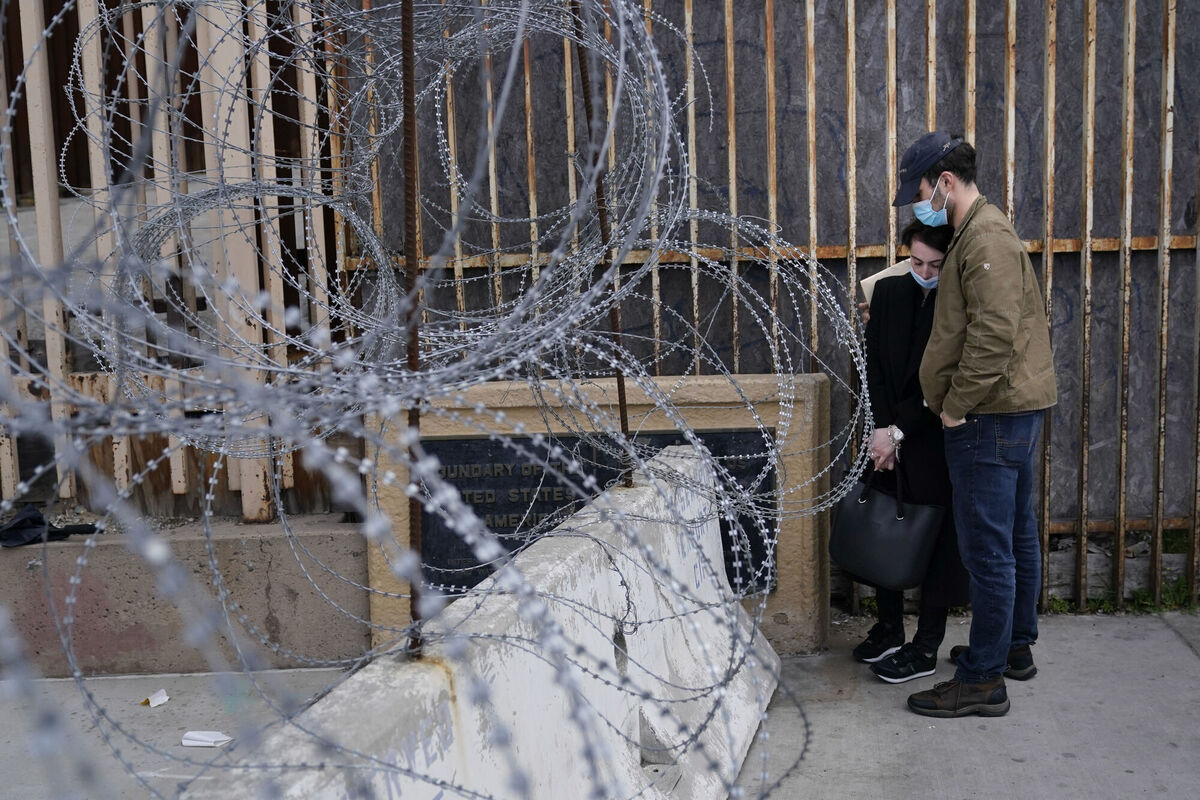
Kevin Byrne works for Hendrick European, a logistics company out of Dublin. He flew over on Thursday with Cobh man, John Morrissey, to help ensure that the aid that set off from Ireland flows smoothly.
Irish support is adding to the huge outpouring of assistance from around Europe to the biggest crisis the continent has faced in a generation. On the ground, ordinary Poles have reacted immediately and unquestioningly to what’s unfolding in front of them.
People are arriving who need their help. And they’re doing whatever they can.
It’s not just the border region where you can see a major crisis unfolding. The signs are everywhere. Krakow is a full three-and-a-half hours from the border crossing at Medyka, 10km beyond Przemsyl.
In a square by the main train station, tents have been erected offering medical aid with the signs in both Polish and Ukrainian. Information bearing the Ukrainian flag and written in that language can be seen everywhere.
In the train station itself, there are hundreds and hundreds of people in the concourse and in the corridors each morning. Many have slept, or are sleeping, on the floor. People in hi-vis jackets carrying boxes of fruit go around offering them to each person.
The only queue that’s larger than the one for the toilets is the queue for the information office set up for Ukrainians in the station. Many of the people here would have come from Przemsyl. Krakow is just the next stop for many. Some have much farther to go.
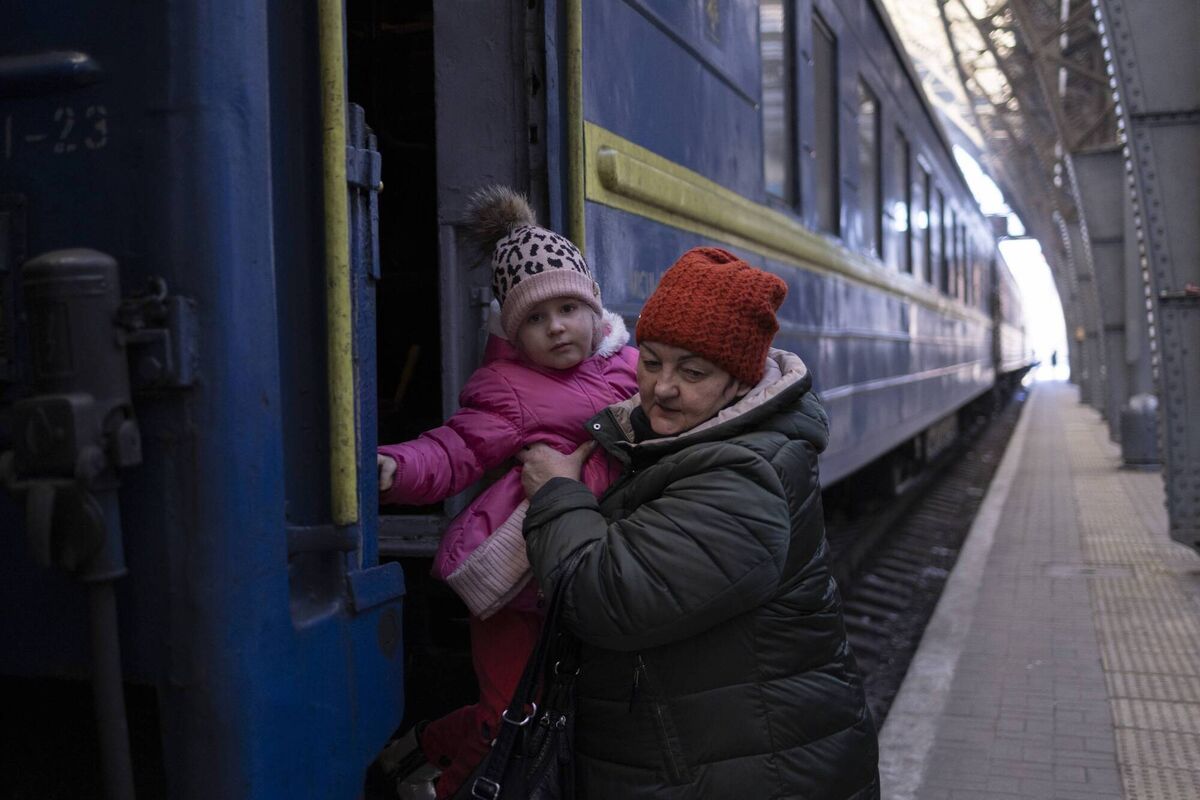
At Rzeszow train station 100km from the border, many people embark on the way back to Krakow. One woman and three children are helped with their luggage by a young couple. The couple disembark and wave at them, brandishing Ukrainian flags and a placard with what I take to be a message of support as they head onward.
At Medyka border crossing, people are greeted with hot food, a place to charge their phones, sweets for their children. They’re also greeted on Friday afternoon by a German piano player who’s been here every day for the last two weeks.
Read More
He plays Killing Me Softly as women and children laden down with bags queue up for a bus transport that will bring them to nearby Przemysl.
There’s a grim determination in their faces. A resolve. They’ve left their home and reached the border. While they may be out of danger for now their husbands, fathers and brothers are not. Neither are their family and friends.
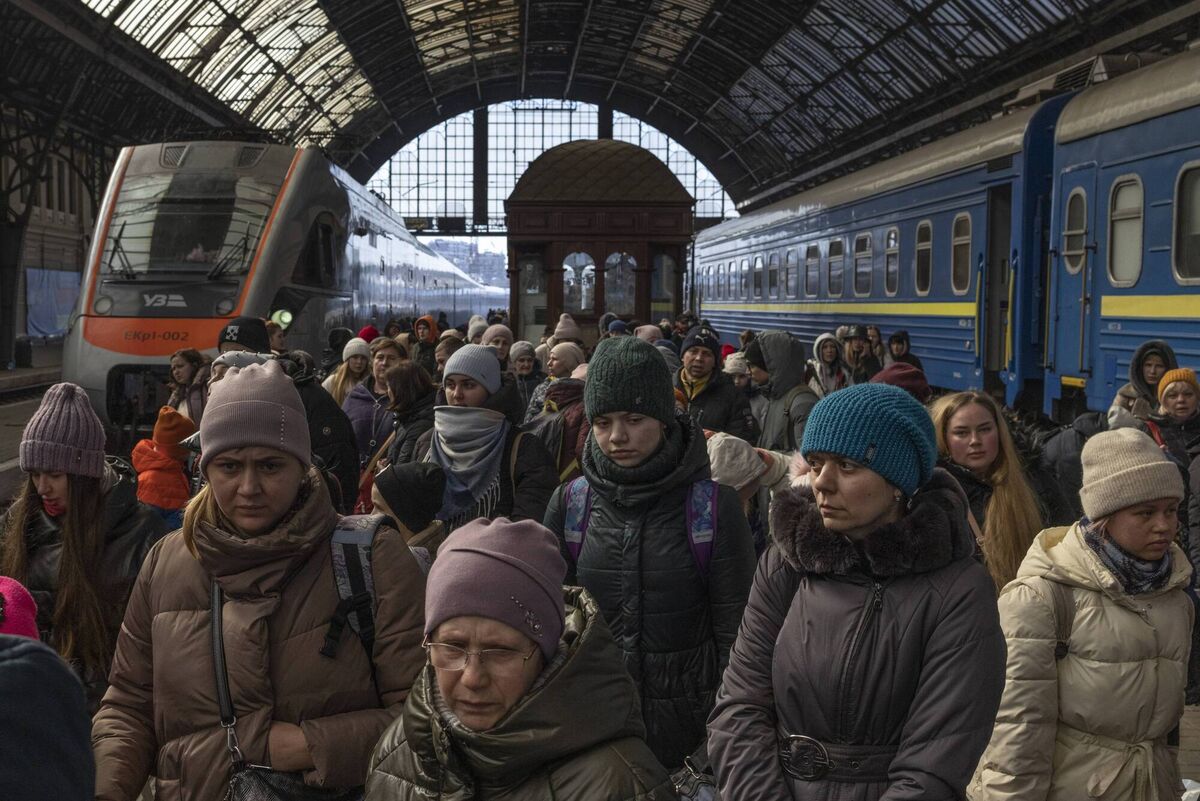
And Medyka and Przemysl are just the next steps on their journey. They’ve quite a way to go yet. Anna is from Lviv and said that her family had said they would stay as long as they could in the western town.
“We did not want to leave,” she said. “We were afraid to stay. We were afraid the bombs would fall on us.” Accompanied by her mother and two younger sisters, Anna said they travelled for over 12 hours amid traffic backlogs to make the roughly 80km journey from Lviv to the Polish border.
A friend of hers who came last week is in Gdansk. That’s where she wants to go next. As of Friday, Russian shelling had already made its way close to Ukraine’s western border with Poland.
They believe nowhere in Ukraine is safe. The UN estimated this week that at least 541 civilians have been killed in Ukraine so far due to the Russian invasion. The UN also thinks this toll is likely “far higher”.
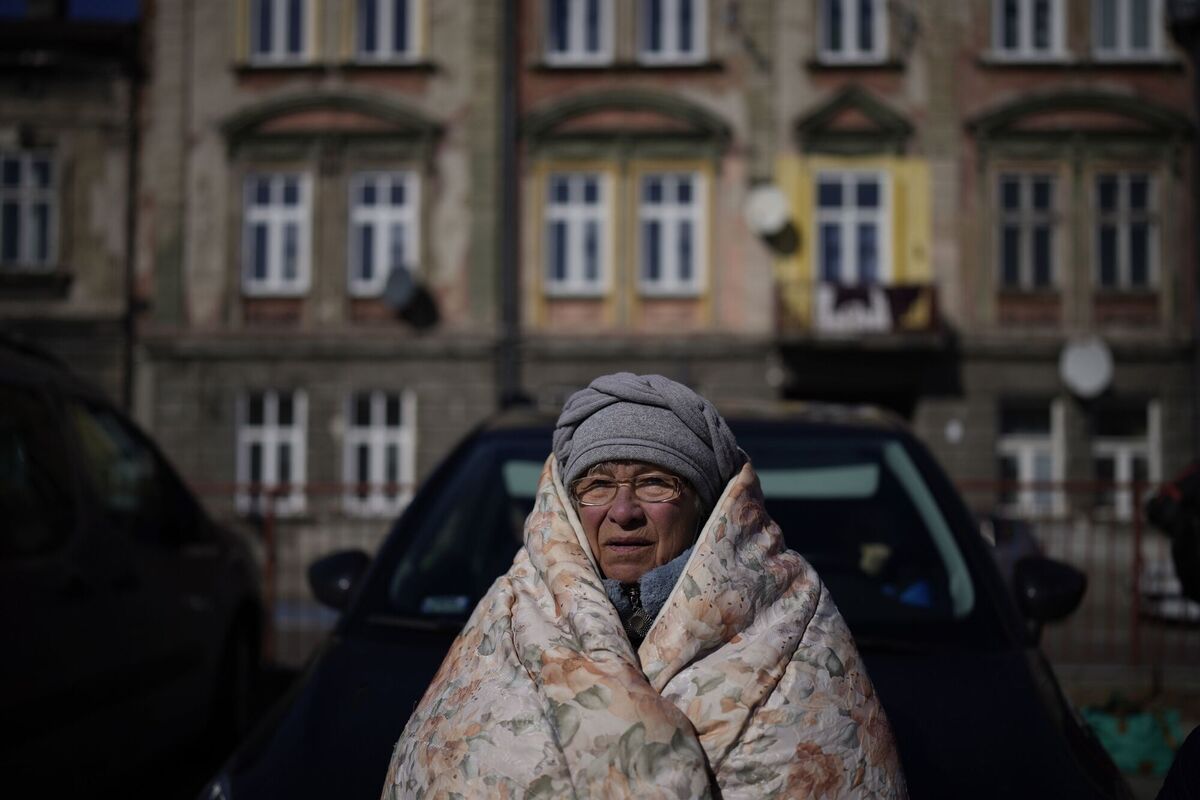
At Przemysl’s train station, it’s a hive of activity all day every day. It has a direct rail link to Lviv and capital Kyiv. Tens of thousands arrive every day. The main concourse is full of people. A sign in English, Polish and Ukrainian says “drinks, hot meals, sim cards for free”.
People in hi-vis jackets walk around the main hall of the station, up and down the platforms, bearing placards saying the likes of 'Berlin' and 'Warsaw'. This small town is in emergency mode. It’s not normal for its train station to have this many people in it.
But it copes. It offers help and it offers onward transport. Ukrainians board trains, buses and cars for their next journey. And it is this process that has become slicker and better run by the end of the second week of the war in Ukraine.
“The first week was chaos,” Szymon tells me at Medyka. “It’s becoming more and more organised.” But, the local man adds, “this is only beginning”.
It’s expected that more and more people will continue to make the journey out of Ukraine. One of the most striking aspects of all this is the generosity of the Polish people.
They’ve given up their jobs, opened up their homes, and even opened up their schools. Whatever they can do to help, people are doing it. Piotr, a Przemsyl local, said that he was proud of the reaction of the Polish people to the crisis.
“I work in a special school,” he said. “And we have opened up 80 refugee spaces there.” His wife is the vice-principal of the school, and classes are still carrying on as normal in the school, he says. Locals keep stepping up to do their bit for the families who may remain a few days before leaving again.
When the visits the home of a Polish woman who has taken in two Ukrainian families, she is asked why she has helped. Her answer is simple: “How can I not?” Joanna Sulkowska says she’s willing to take in more.
And in the 10 days or so they’ve lived with her, the bond they’ve created is clear.
But, of course, Przemysl is just a stopgap. Their hoped-for destination is Poznan. A tearful goodbye at the train station follows later in the day, but another bond between the Ukrainian and Polish people is forged. They will never forget the help they got in their hour of need.
Once they reach Poland, a key issue facing the Ukrainians is what they do next. They’ve made it out of the warzone that was their home. The next choice is their end destination. There’s no shortage of options.
At the Tesco in Przemysl, there’s information in a variety of languages for advice and times for transport to other countries. Estonia, Lithuania, Germany, Austria, Czech Republic. And those are just the flags I see.
On a portaloo in Medyka, there’s a large sign in Ukrainian and English advertising two buses bound for Italy. The next one leaves on Sunday at 10am and will stop at the likes of Bratislava and Vienna before going to a number of Italian cities.
That’s not counting the people who’ve literally just hopped into whatever vehicle they have and have driven here offering to fit as many people as they can in and bring them home.
Colin Rogers is the head of disaster preparedness and response on the ground in Poland for Plan International. Plan has partnered with a number of other charities Action Aid, Christian Aid, Tearfund, self-help Africa, Trocaire and World Vision make up the Irish Emergency Alliance to help coordinate support during the crisis in Ukraine.
He says of all the crises he’s seen in his career, he’s never seen such mobilisation from a public that wants to support in such a short space of time.
“Across Europe, it would be amazing to see a similar level of engagement and support, as we know so many refugees will be moving on” Mr Rogers said. “The response of Polish civil society has been humanitarianism at its finest.” His description strikes a chord with everything I’ve seen this week.
The response Poland-wide, continent-wide, and indeed worldwide, has been extraordinary. And, to be honest, humbling. This is humanitarianism on a scale that is unparalleled in living memory.
What can we do?
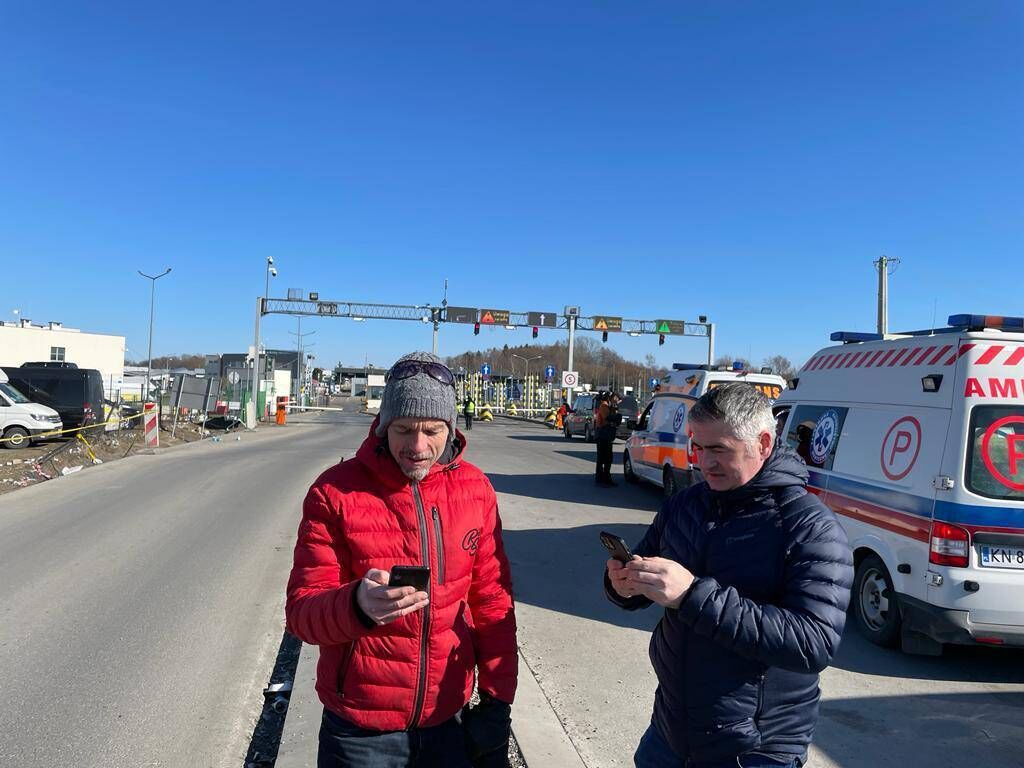
Ireland is certainly doing the best it can to help. Tommy Byrne works for Krushtech, a Galway-based construction manufacturer.
He lives in the west of Poland but was given two weeks off by his boss and set off to help coordinate the delivery of Irish aid to the border region here.
“It was the spirit of the Ukrainian man going back to fight that inspired me to do something,” he said. “All of these elderly people, and women and children, who now have to flee. There’s a gap we have to fill.” Part of the massive aid convoy that set off from Dublin port earlier on in the week was due to arrive in Przemsyl on Friday evening.
Having helped to coordinate back in Ireland, Kevin Byrne from Hendrick European arrived with his friend John Morrissey on Thursday ahead of the convoy’s arrival.
They’ve all given up time and money to be here. To do whatever they can to help. And all the Irish men on the ground are moved by what they’ve seen here. Going in and out of the Tesco to help finalise logistics, they’ve seen the harrowing scenes of refugees on the ground fleeing Ukraine.
From Medyka to Przemysl to Krakow, they’re not images you’ll forget in a hurry.
Irish people have responded generously to the calls for assistance to the Ukrainian people, but charities on the ground maintain that direct donations could be the most effective way of providing help.
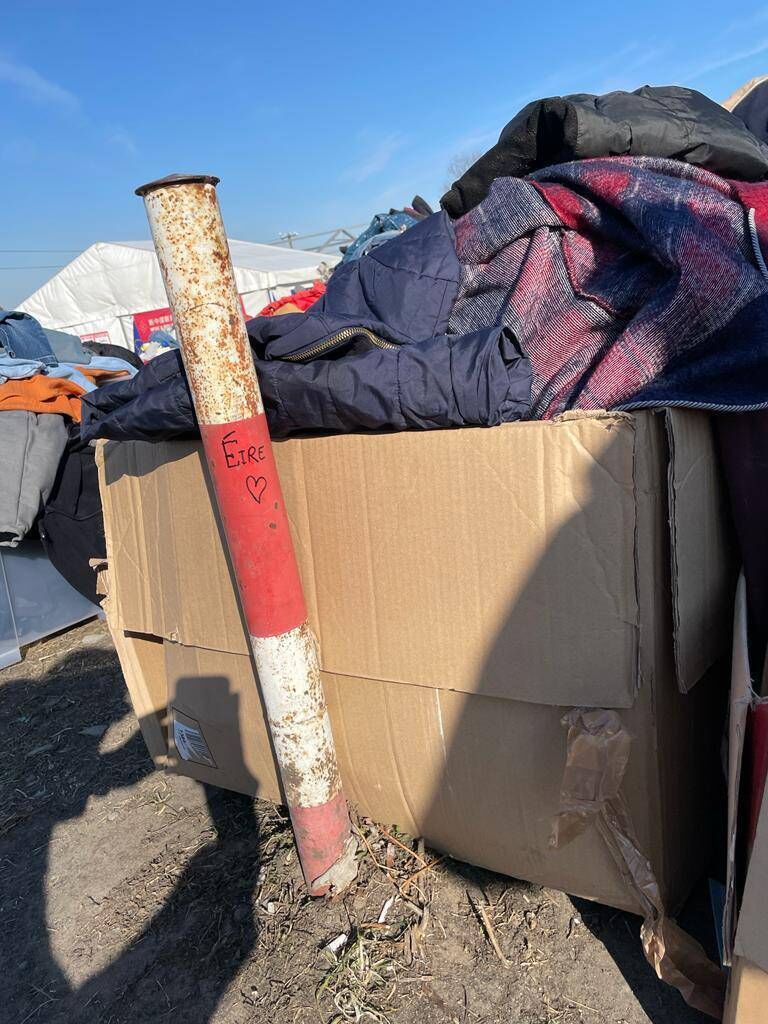
Mr Rogers, from Plan International, said: “To be honest, the best thing people can do is a cash donation. That could be spent by organisations on the ground and have a larger impact.
“Giving them access to cash lets refugees decide what they need. The best thing is giving that decision-making ability to them. Make sure the money is targeted where it will be needed most.”
When asked where they want to go, the answer from Ukrainian refugees varies widely. There are lots for Germany. There are lots of others for Polish cities. Italy crops up, Spain crops up.
Ireland does not. There is a lack of awareness that Ireland has waived its visa requirements and Ukrainians will be given help upon arrival. I fill Piotr and Ms Sulkowska in on these measures and tell them to pass the message on to the people they meet.
Poland has opened its doors and its hearts to Ukrainian refugees. With thousands of applications to the scheme welcoming refugees, Ireland is doing the same.
Imagine having to leave your home.
Leave everything behind bar what you could carry. Unsure if you’ve a home to go to when, or if, you return.
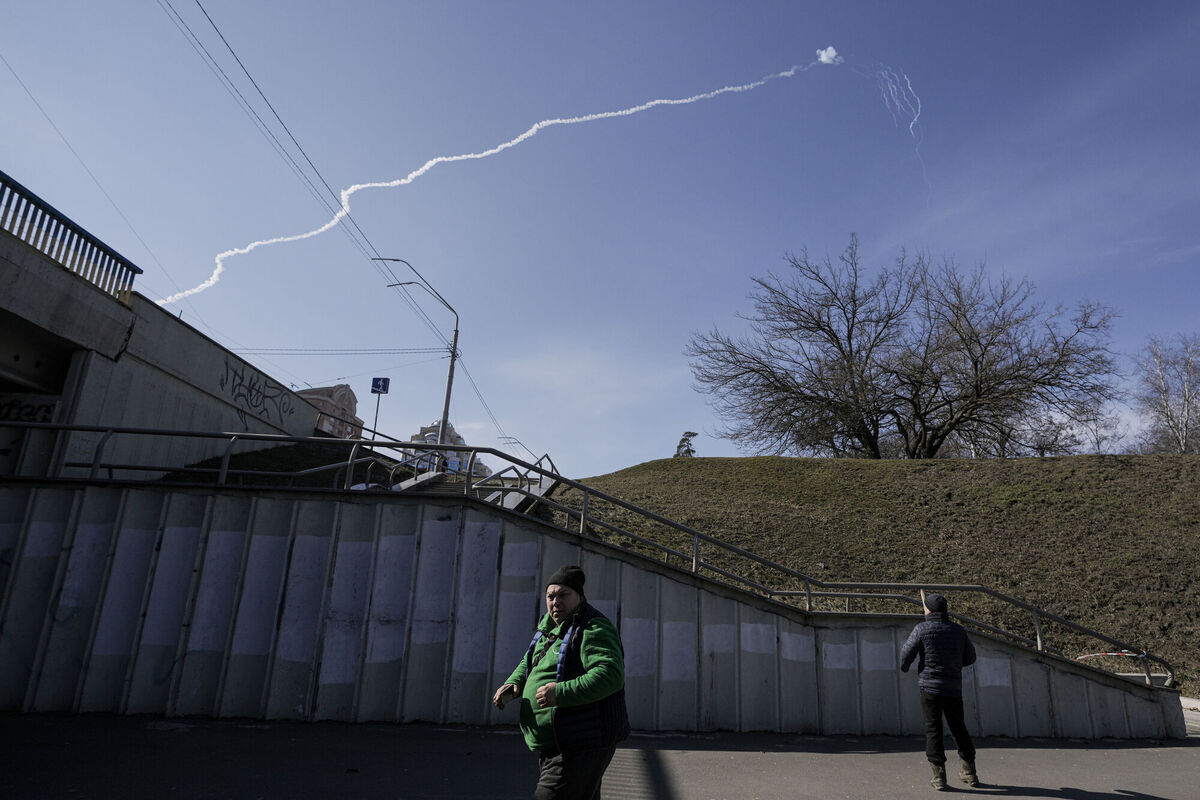
That is the reality for millions of Ukrainian people now. And this war has continually escalated since they left.
In the past seven days, the world has watched in horror at the scenes from Irpin where a family lay dying after Russian mortar fire. They’ve seen Mariupol maternity and children’s hospital obliterated, they’ve seen the destruction in Kharkiv.
Mr Rogers, from Plan International, said that work is ongoing to prepare for the next waves of refugees due in the coming weeks.
As harrowing as the plight of those who’ve already come has been, this next wave could have literally been through hell to get here.
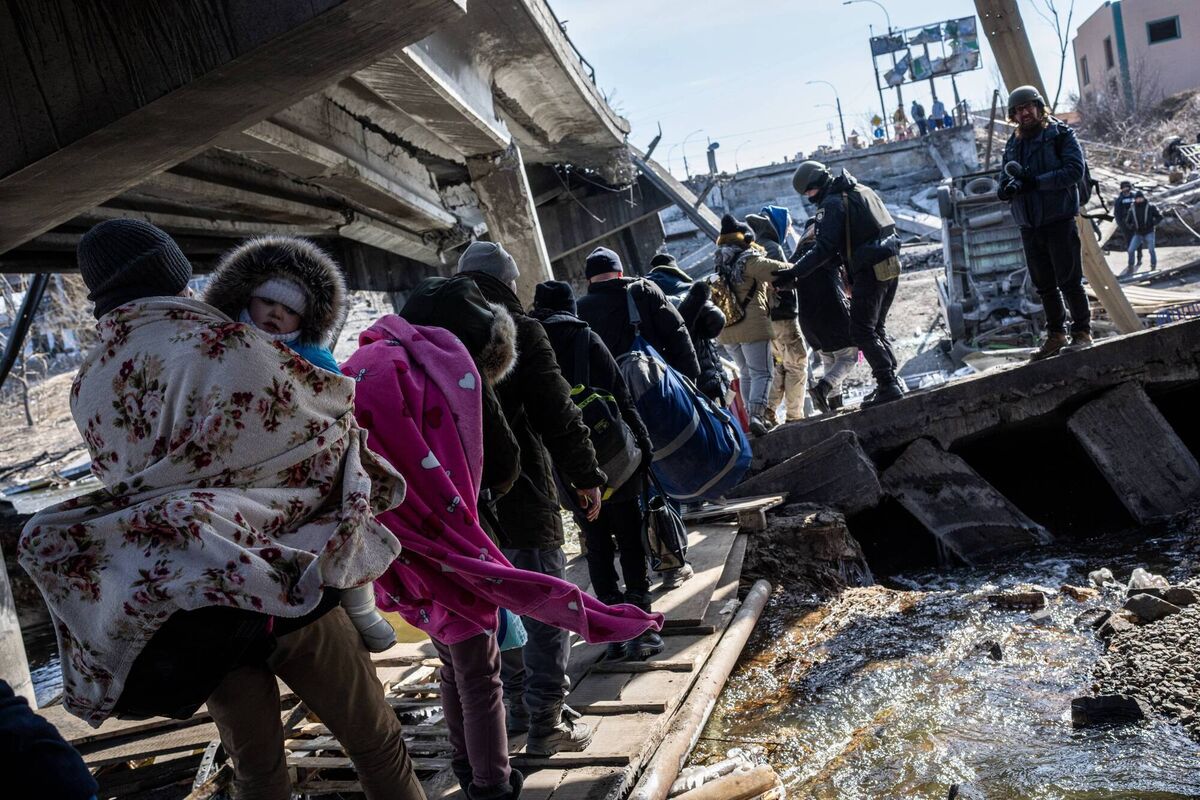
“Our immediate worry now is support for the refugees who’ve now arrived and have got to safety,” he said. “But for the civilians who have been in cities that have been bombed, been attacked, when safe corridors open up for them they’ll come too.
“They’ve been through such difficult times. We have to be prepared for refugees who’ve been through worse than those who are already here.
“We need to be ready. This is not over yet. It’s only getting started.”
CONNECT WITH US TODAY



Be the first to know the latest news and updates