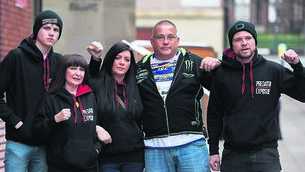
Reaching out to communities hesitant about vaccines
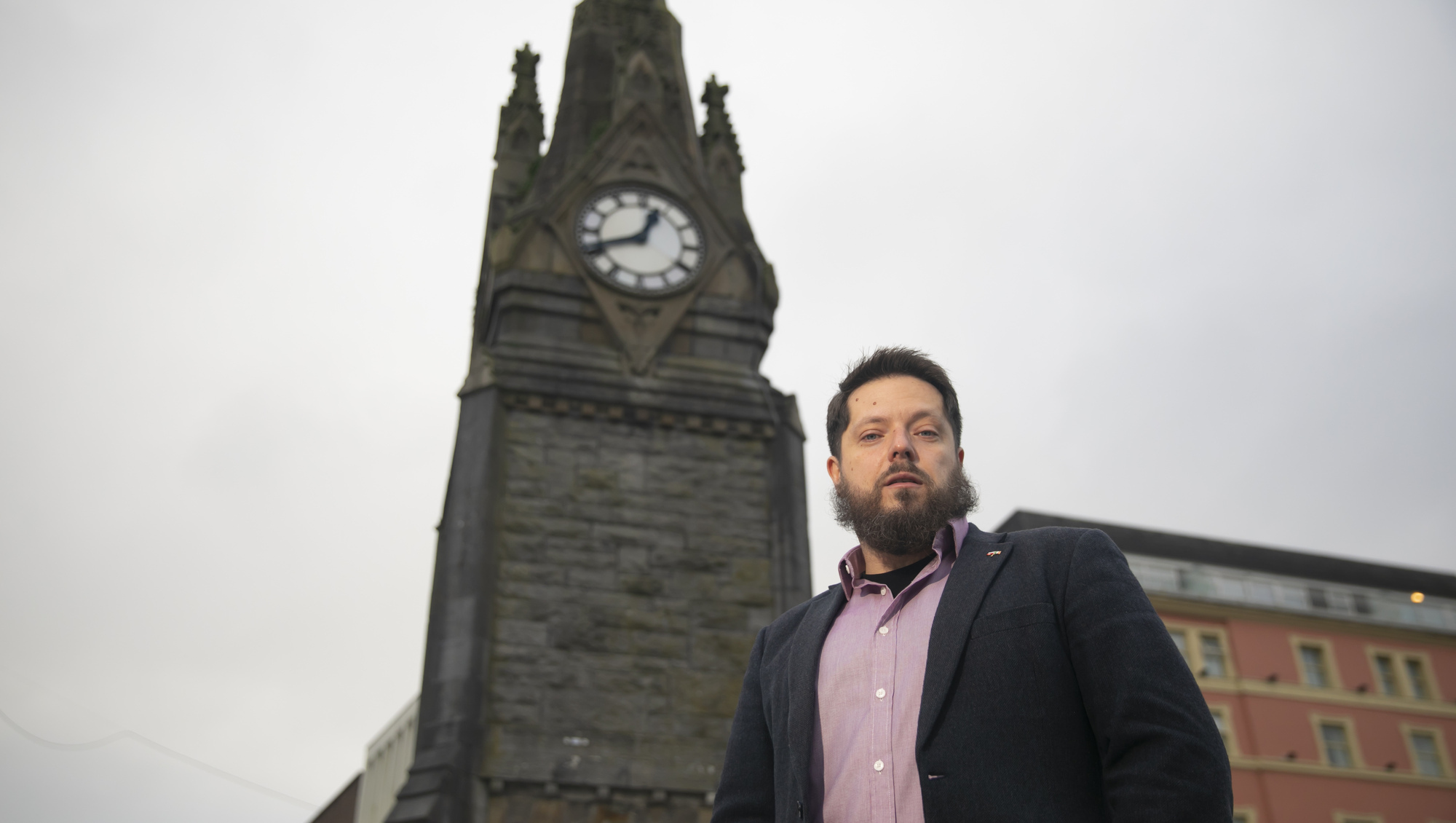
Bart Zdrojowy chairs the Polish Community in Waterford group: 'Information campaigns weren’t as accessible for the migrants.' Picture: Patrick Browne
The headline figure from statistics published by the Central Statistics Office on vaccination uptake in October 2021 was that only 44% of people from predominantly Eastern European countries had received one dose of a Covid-19 vaccine by then.
That compared to 90% of Irish nationals.
That 44% figure covered citizens of states which joined the EU in 2004.
Poland featured prominently in those figures and Polish people represent the largest non-Irish minority group in the country.
While such a low uptake would suggest a large amount of vaccine hesitancy among Eastern European communities, Polish community groups say a lack of effective communication and outreach has harmed uptake among these groups.
Bart Zdrojowy chairs the Polish Community in Waterford group.
He told the a dearth of information accessible to Polish people around the vaccine has played into lower uptake rates.
“I feel that we were ineffectively engaged with throughout this,” he said. “The HSE and the Government – they did a great job trying to explain how vaccines work, why they’re safe and the daily numbers.
According to Census 2016, 14.2% of people in Ireland who spoke a foreign language at home spoke English either not well or not at all. This rose to 18% of Polish nationals.
“Information campaigns weren’t as accessible for the migrants,” he said. “They might not access the information in the same way as Irish people do. They’re not watching the news on TV, or listening to the radio, or reading the local newspapers.”
Mr Zdrojowy said in lieu of being able to access the official information, many people would have turned to commentary on social media, which would have led some to accessing anti-vaccine commentary and misinformation on the topic.
In an effort to try and understand the issues and potentially address them, a group of Polish community organisations around the country — under the umbrella organisation Forum Polonia — got together and looked at a Scottish study on willingness to take the vaccine.
“We know that culturally Scotland is similar to here, and there are a number of Polish migrants over there,” Mr Zdrojowy said. “It could be answering what we have here.”
That survey, compiled by researchers at the University of Edinburgh between February and April 2021, found 22% of Polish migrants in Scotland said they had already received the vaccine while 40% said they intended to get vaccinated.
While 18.1% said they wouldn’t, a further 17% said they “didn’t know”.
“Now that showed that around a third of the population are vaccine-hesitant, not over 50%. That’s still too high, but there are many reasons why we think that there is hesitation,” he said.
He pointed to studies published in the medical journal and by the ESRI on why people may be vaccine-hesitant.
Mr Zdrojowy said: “They show that there is a greater chance for a person to be vaccine-hesitant if that person is in a precarious position, earning around the minimum wage, living in rented accommodation or if that person has a lower level of education.
“It somehow fits the description of the Polish migrant population in Ireland. Studies show that workers from Eastern Europe rarely occupy management positions, and half of them work in unskilled positions.”
He said Polish people living in Ireland would often fit into that category which may in turn make them more likely to be vaccine-hesitant, but that an effective outreach was key to trying to change that.
“There are grassroots organisations around the country that have contacts with Polish people,” he said. “We don’t know why but it was decided we wouldn’t be consulted on the communication during the pandemic.
Addressing the knowledge gap in an accessible way by giving people clear information in their own language and through a medium that will reach them is the way forward, according to the local community chair.
Mr Zdrojowy said reinforcing the messages “in a culturally accessible way” around how the vaccine is safe, proven to work effectively and doesn’t have severe side-effects might convince people who haven’t yet got the jab.
He pointed to a resource on the HSE website which provides a list of links in Polish as well as a video in Polish which sets out these messages.
“Credit must be given to the HSE that they do actually have a YouTube video in Polish, a video with a Polish GP from Meath,” he said. “But it’s finding it that’s the problem.”
He said googling the HSE and the Polish term for vaccination or similar words didn’t bring up this HSE page as the first result. As well as that, at the time of writing, that YouTube video has fewer than 300 views.
“If I was to ask any of the Polish people I meet, they wouldn’t know that video is on the website.”
Mr Zdrojowy said his group works with community organisations from other countries such as Croatia and Hungary, and that these organisations are in a position to spread that message.
“We would love to help,” he said. “We can help spread that message.
“There’s that feeling because we’re all from Europe and may share similar values, that migrants become invisible. You know they are good workers. You find them in the garage, and in the shop.
“But there are no programmes to get them involved and integrated. There might be that feeling they’re doing fine by themselves.
“But if the pandemic has shown us anything, the communication around the vaccine rollout shows us there is an issue that needs to be addressed for the Polish community, and for other Eastern Europeans.”
In a statement to the , the HSE said its communications programme on the vaccine has aimed to inform people and make them feel confident in the vaccine, with “channels and messages tailored to the group being invited at each stage".
“A range of multi-lingual information videos created in partnership with Translate Ireland were created early in the vaccination programme in a range of languages, and voiced by medical or health professionals working in Ireland,” a HSE spokesperson said.
“This week, additional and updated videos in the series are in the final stages of completion and will be published in the next week or so.”
It said it had used the likes of targeted advertising on social media, broadcast radio adverts in different languages, and used radio advertising on digital platforms like Spotify and podcasts.
It also said it had established the Covid-19 Vaccine Community Network, which meets monthly, and aims to disseminate information in particular groups.
“The HSE continues to work with the Department of Children, Equality, Disability, Integration and Youth to help ensure that migrant communities in Ireland are provided with the Covid-19 vaccine messages in their native languages,” the HSE spokesperson added.
“The Department of Justice has an established network of partners and web content.”
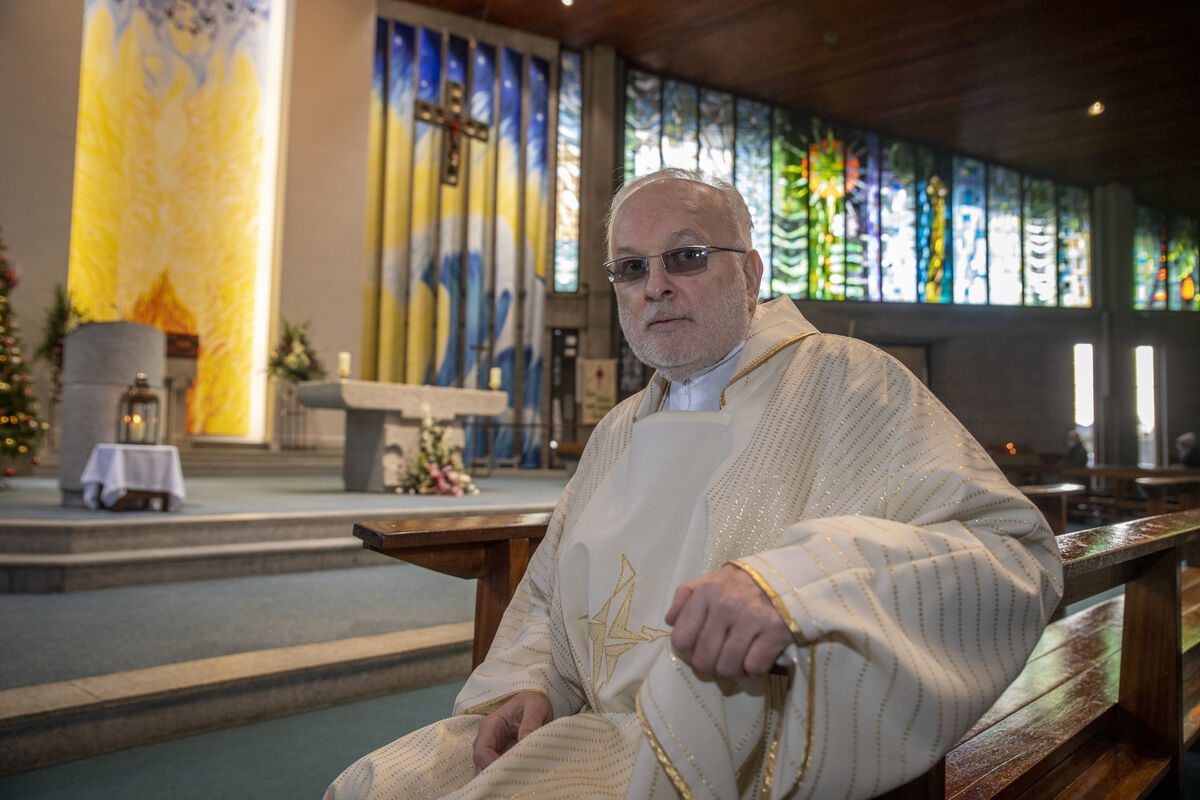
Fr Mario Jachym is a Polish priest who has been working in Co Kerry for over 30 years. On Christmas Eve 2019, he found himself in Kerry University Hospital struggling to breathe. Within days, he was on a ventilator in an induced coma, where he remained for over a week, as his lungs filled with fluid. He was later told he had pneumonia. This was weeks before the Covid-19 virus officially arrived in Ireland.
In October 2020, Fr Mario had a quadruple coronary bypass, also complicated by pneumonia, requiring weeks of rehabilitation. When he was offered the Covid-19 vaccine in August 2021, he was delighted to accept it. After the first jab, he "felt better". After the second jab, he felt "safe and protected".
In recent weeks, when he was saying Mass in Tralee, he noticed many of his parishioners were not wearing masks. From the altar, he addressed them by saying that "people you and I know have been very sick with this virus. Remember that I was very ill. If I get sick with this virus, I may not be able to serve you and there is no one to replace me. If you are not worried for yourself, wear the mask for my protection."
Many people reached into their pockets and put on their masks: The power of persuasion among community leaders rather than didactic messaging from authorities.
The high levels of Covid-19 in the community are rising exponentially, with the proliferation of the highly transmissible Omicron variant. CSO statistics published in November provided new insights into the type of people being admitted to hospital wards and ICUs across September and October.
Of the 252 patients admitted to ICU during this period of comparable calm, 54% were unvaccinated. The 7% of the population that were unvaccinated at this time were accounting for more than half of all people admitted to ICU. The unvaccinated population in ICU were often younger than the vaccinated population there and less likely to be suffering from underlying conditions. One in three unvaccinated patients in ICU had no underlying health condition compared to almost everyone (97%) of the vaccinated population. Average age of the unvaccinated in ICU was 52, compared to average age of the vaccinated at 61.
Similar studies in the UK, published in the in September, showed that of 40,000 patients with Covid-19 admitted to hospital between December 2020 and July 2021, 33,496 (84%) had not been vaccinated.
The unvaccinated in ICU are more likely to have been born abroad. Of the 136 unvaccinated in ICU, 64 listed their country of birth as "outside Ireland". Anecdotal evidence from infectious disease and ICU specialists says a lot of their unvaccinated patients originally come from a small number of countries, mainly in Eastern Europe.
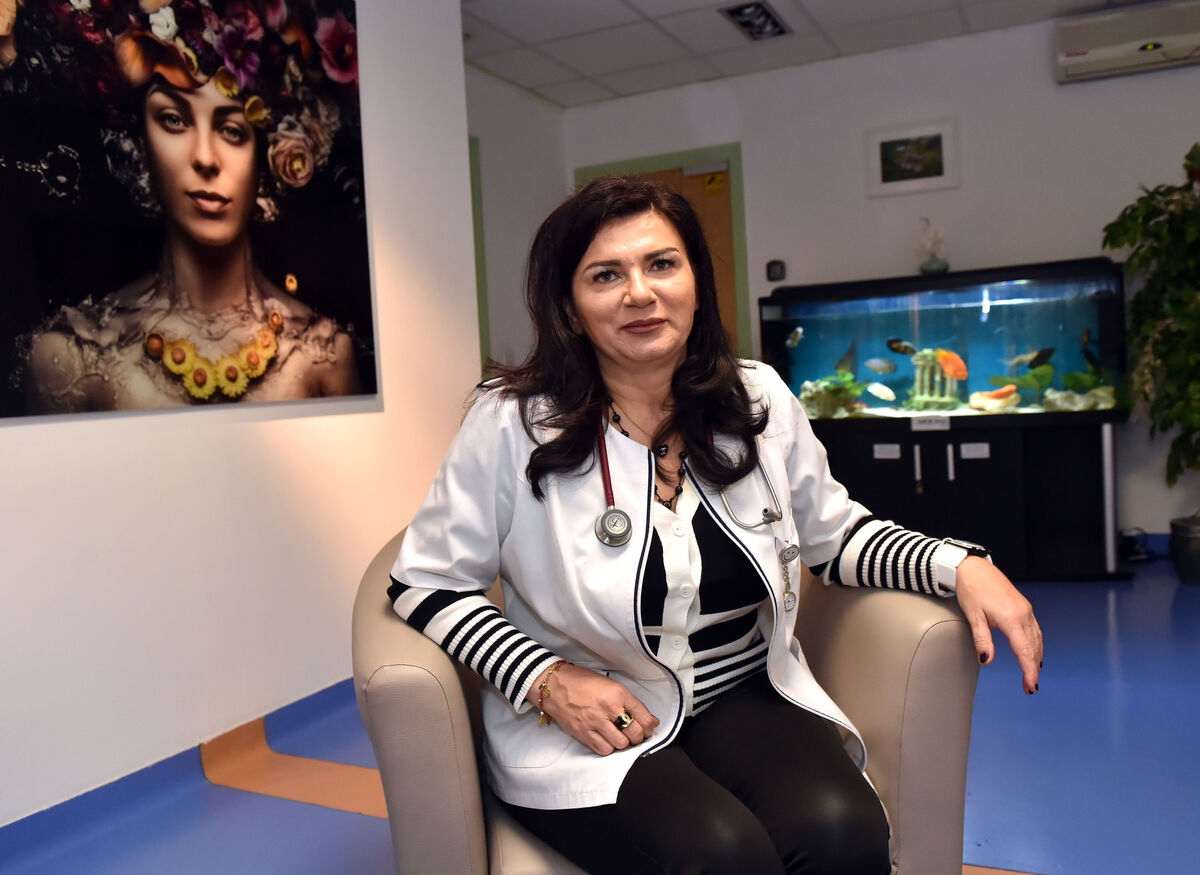
Dr Malgorzata Krowczyk is a Polish general practitioner in a busy family practice in Blackpool, Cork. She confirmed that vaccine hesitancy is an issue among many in the Eastern European communities, citing distrust of the vaccine, high uptake of alternative messages on social media, as well as lack of confidence in messaging from the Department of Health and the HSE. This is reflected in vaccine uptake in Poland, as well as here among the Polish and Eastern European communities.
But some, like Fr Mario, are happy to take the vaccine.
Mirek Kuras is the manager of Mizzoni Pizza in the Horan Centre in Tralee. His restaurant has a staff of nine and can have 600 customers every day. He wants his staff and his customers to be safe. Mirek has a friend who was very ill in hospital for several weeks with Covid-19 and knows the vaccine is the best protection against serious illness. He knows that people from home distrust health authorities, because of the communist era in Poland.
"But Ireland is different — there is no reason to distrust health messaging here."
Mirek has encouraged all his staff, friends, and family in the Polish community to get the vaccine.
Maria Bednarz is a housekeeper with Aperee Living in Tralee. Originally from Poland, “My job is to clean and disinfect, all day every day, to keep the nursing home free of Covid,” she said. Maria works with elderly and vulnerable people. She also knows elderly people who have been very ill with Covid-19. Being vaccinated means she is less likely to put the people she looks after at risk.
Dr Margaret Harris, from the WHO, says that in the face of the threat of the new Omicron variant of Covid-19, it is more important that people reconsider and get vaccinated. This includes getting the first and second vaccine, as well as getting a booster or third vaccine. The early evidence is that the vaccine does offer protection against Omicron. If large numbers are infected with this new variant, it is likely that the numbers being hospitalised and admitted to ICU will also rise.
The overriding response from those who decided to get vaccinated is very positive. Fears of the vaccine are understandable, but the security of protecting yourself, your family, and your wider community is huge. Vaccination campaigns targeting ethnic minorities are needed. To be effective, the tools of respect, empathy, and innovation need to be used and the campaign should focus on community leaders as vaccine champions rather than dictates from health authorities.
- Dr Catherine Conlon is a senior medical officer in the Public Health Department, HSE South, St Finbarr's Hospital, Cork. Her book, , was published by Veritas in 2020.
CONNECT WITH US TODAY



Be the first to know the latest news and updates