Special report: 'Court is terrifying, but it is often the only way to get compensation'

Keith Phelan with his sisters, Kelly and Lyndsey, and parents Tony and Margaret, after he settled his High Court action in July 2021 for €11m. Families are forced to go through a long legal battle to get access to justice, according to solicitor Lyndy Cantillon. Picture: Collins Courts
Last year was a record one for High Court settlements against Ireland’s health service, which could have profound implications for future payouts.
In a system that is overwhelmed and underfunded, mistakes can happen. However, there needs to be a shift in terms of how these mistakes are handled by the Health Service Executive (HSE) and how they treat those affected, according one of the country’s leading law firms.
In 2021, a number of records were broken following payouts topping €24m, €25m, and then €30m. Many of the cases had dragged on for years, only adding to the pain and suffering for loved ones and families.
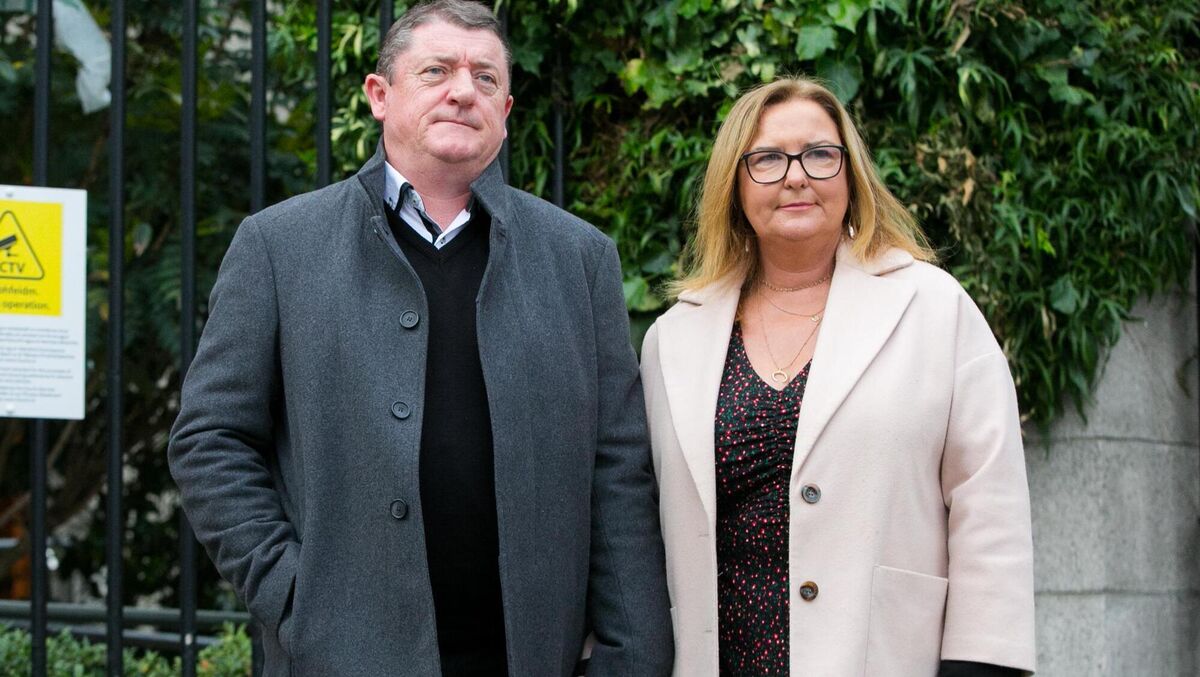
Fourteen-year-old Oran Molloy, who has cerebral palsy, was awarded €30m in November after settling his High Court action in a case against Portiuncula University Hospital for injuries suffered during his birth in December, 2006.
Liability was admitted, resulting in the largest settlement in a birth injury case in the history of the State.
[See Oran's story below.]
November also brought a resolution to the case of Corkman Conor McCormack (23) who settled for €25m a legal action over his treatment at Cork University Hospital. Mr McCormack was left blind and unable to walk as a teenager after attending CUH with brain shunt problems.
A handful of other cases also resulted in the HSE paying out vast sums this year, but solicitor Lyndy Cantillon, a partner at Cork-based Cantillons Solicitors, said that families have to endure too much to access these payments.
"Unfortunately, it is the position that we see families forced to go through a long legal battle in order to get access to justice," Ms Cantillon said.
“The added burden of going through years of litigation is stressful and time consuming, particularly in a situation where there are vulnerable people involved,” she said.
“The biggest impact of the delay in concluding these cases is that the injured person is denied access to funds which they could use to pay for therapies that would considerably ease their burden. Further, for children who have been catastrophically injured, the delay means that the burden of 24/7 care falls onto the parents.”
Ms Cantillon highlighted the fact that many of these cases relate to incidents that occurred during the plaintiff’s birth, meaning that any subsequent payout will have to be used for long-term future care:
The prospect of going to court and catapulting their lives into the public forum is a terrifying thought for many families, and one that they would rather avoid, Ms Cantillon explained. That, she added, would require a shift in the way the HSE deals with these cases.
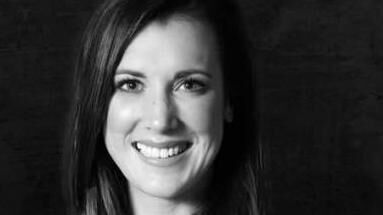
“Court is a terrifying thought for most families we meet. However, sadly, it is oftentimes the only way for them to be vindicated and compensated for what has happened to them or their loved one.
“There is an onus on the HSE to admit when they have done something wrong, and this admission should be proffered as soon as possible. If these cases are settled out of court, it would mean a quicker resolution, and thus earlier access to funds for the plaintiff.”
Delayed access to these funds can often lead to delayed care and therapy for plaintiffs, Ms Cantillon explained.
"If these cases could be settled at an earlier point in time, outside of court, then this would allow for earlier intervention in the child’s life,” she said, highlighting the need for a change in attitude in the HSE, citing the ‘defend and deny’ tactic of the health service.
A number of government-appointed committees have been tasked with determining the best way to ensure that cases like this do not end up in front of a courtroom. Most recently, a committee chaired by Justice Charles Meenan, and made up of stakeholders’ representatives, recommended the introduction of pre-action protocols.
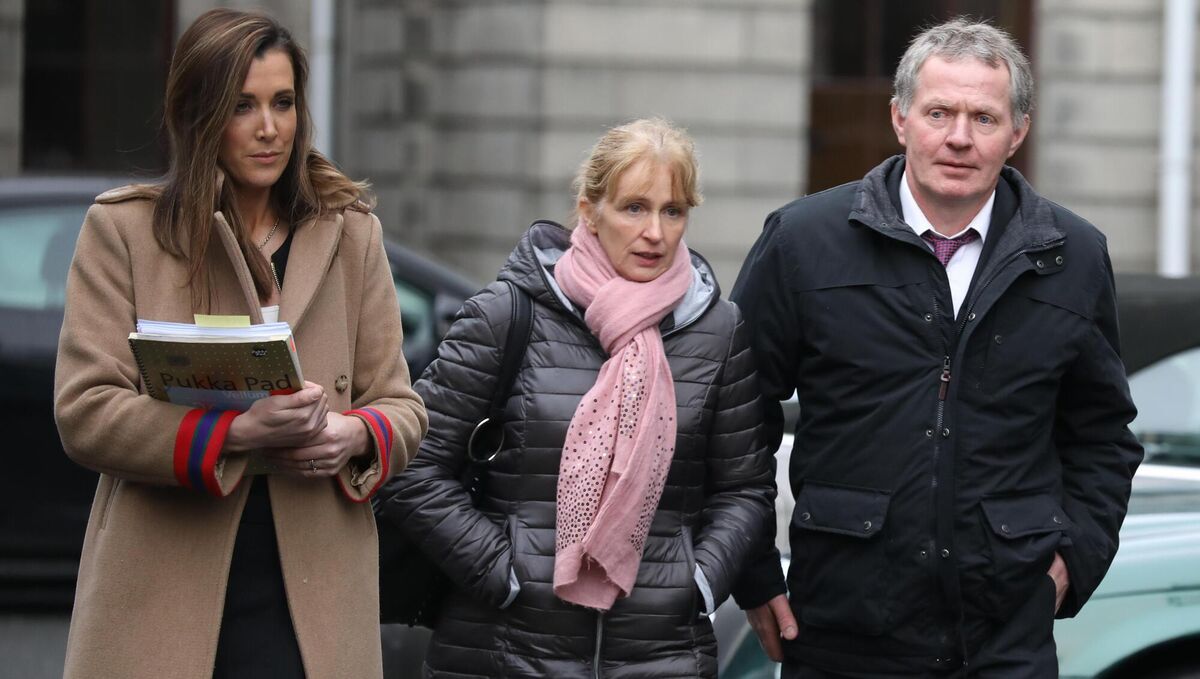
“These require both sides to get off the fence, as it were, at an early point prior to litigation and to face up to the issues in the case,” Ms Cantillon said. “Both sides will set out their stall with particularity. It will no longer be permissible for a patient to make vague allegations of negligence but more importantly the HSE will have to set out what happened and why."
Ms Cantillon highlighted the importance of bringing errors to the attention of the patient in a swift, frank manner, to rectify or minimise the damage and ensure the patient is less aggrieved and maybe less likely to take legal action.
“One would hope that lessons are learnt from mistakes that have been made in the past,” she added. “Oftentimes, arising out the litigation that occurs, changes are made to hospital protocols because issues have been brought to the forefront.
“For example, if one was to take the Vicky Phelan Cervical Check cases as a prime illustration of this point, as there is now hopefully far more scrutiny of the laboratories to whom pathology services are outsourced.
“The ability to make a change can often mean so much more to families than any money that is awarded.
In a statement, the State Claims Agency said: “The SCA is acutely conscious of the ordeal that individuals and their families suffer following an alleged clinical negligence event. It takes every step it can to ensure that litigation is handled sensitively and that, wherever possible, such litigation does not add to the considerable distress already suffered by the affected individuals and their families.
“But the SCA cannot ignore the fact that it has a statutory mandate that it must carry out. If it does not investigate claims and manage the resultant litigation conscientiously and professionally, that would constitute a failure on its part to do what it has been tasked to do by the Oireachtas.
“There are occasions where, faced with a claimants’ lawyer presenting a case with settlement demands that are excessively large, the only way the SCA can discharge its statutory mandate is to reluctantly proceed with allowing a case to go to a formal court hearing.
“Sometimes too, clinical negligence cases, which are invariably complex, involve liability and causation principles and considerations which require a court to adjudicate upon.”
A 14-year old boy with cerebral palsy, who sued over the circumstances of his birth at a Galway hospital, has settled his High Court action for €30 million.
Oran Molloy from Birr, Co Offaly, has spastic diplegia which affects all four limbs.
The court was told the boy’s settlement is the largest recovery of damages in a birth injury case in this jurisdiction. Counsel said the mediation talks were “protracted and difficult”.
When he was five, Oran had surgery in the US which was financed by local fundraising and he could then take some steps with crutches. However, his mobility has since lessened.
The court heard under the settlement agreement he will have a special needs assistant at school. Oran hopes to become an electrical engineer. He had sued the HSE over injuries suffered during his birth at Portiuncula University Hospital, Ballinasloe, Co Galway on December 31, 2006. Liability was admitted in the case.
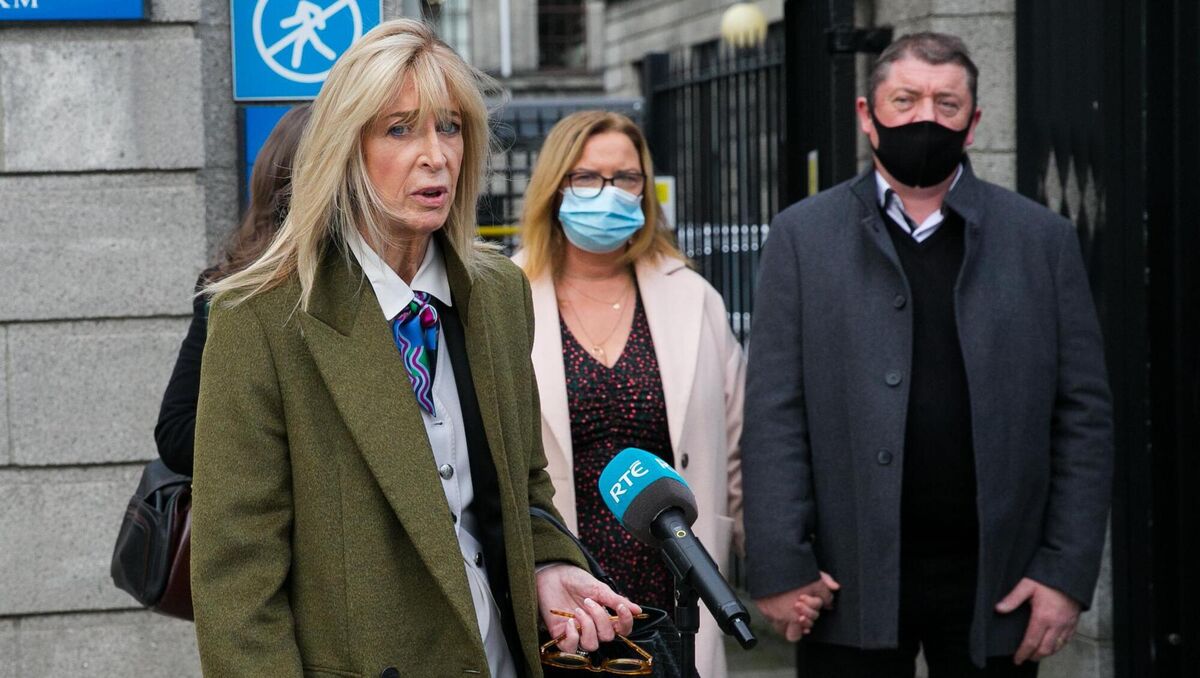
Outside court, Gillian O’Connor solicitor on behalf of Oran’s parents Adrian and Deirdre Molloy said that, while €30m was a lot of money, “the Molloys would give it back in a heartbeat” if only the night of the December 31 when Oran was born and injured at birth “could be changed and the errors erased.”
Three weeks before the trial date, she said liability was admitted in the case and the HSE then sought to adjourn the case for four years.
Ms O’Connor said they had asked for an annual payment linked to wage inflation but this was refused and so the Molloys were obliged to go for a lump sum.
“This is the highest award but justifiably so and is about €12m more than what is normally awarded,” she said.
Oran, of Riverstown, Birr, Co Offaly had through his mother Deirdre Molloy sued the HSE over the circumstances of his birth at Portiuncula University Hospital, Ballinasloe, Co Galway on December 31, 2006.
Ms Molloy’s pregnancy was initially uncomplicated but, in November 2006, she suffered an antepartum haemorrhage and was admitted to hospital. The baby, after a scan was noted to be healthy and the mother was advised to rest.
Ms Molloy was assessed on weekly basis after her discharge from hospital.
On December 30, Ms Molloy had another haemorrhage and was taken by ambulance to hospital where CTG monitoring of the baby’s heartbeat was begun. She was brought to the labour ward.
Ms Molloy suffered another antepartum haemorrhage at around 2.30am on December 31, and a decision to have an emergency caesarean section was made.
When delivered, baby Oran required intensive resuscitation with intubation and ventilation.
It was claimed that there was a failure to carry out any or any proper monitoring of Ms Molloy and her baby in the course of her labour and delivery, and that the CTG trace was discontinued when it ought not to have been.
It was further claimed an unsafe set of conditions was allowed to persist during the course of labour and it should have been known it would cause damage and injury to baby Oran.
A 22-year old Cork man with cerebral palsy, who sued over the management of his birth, settled his High Court action for €11m last July.
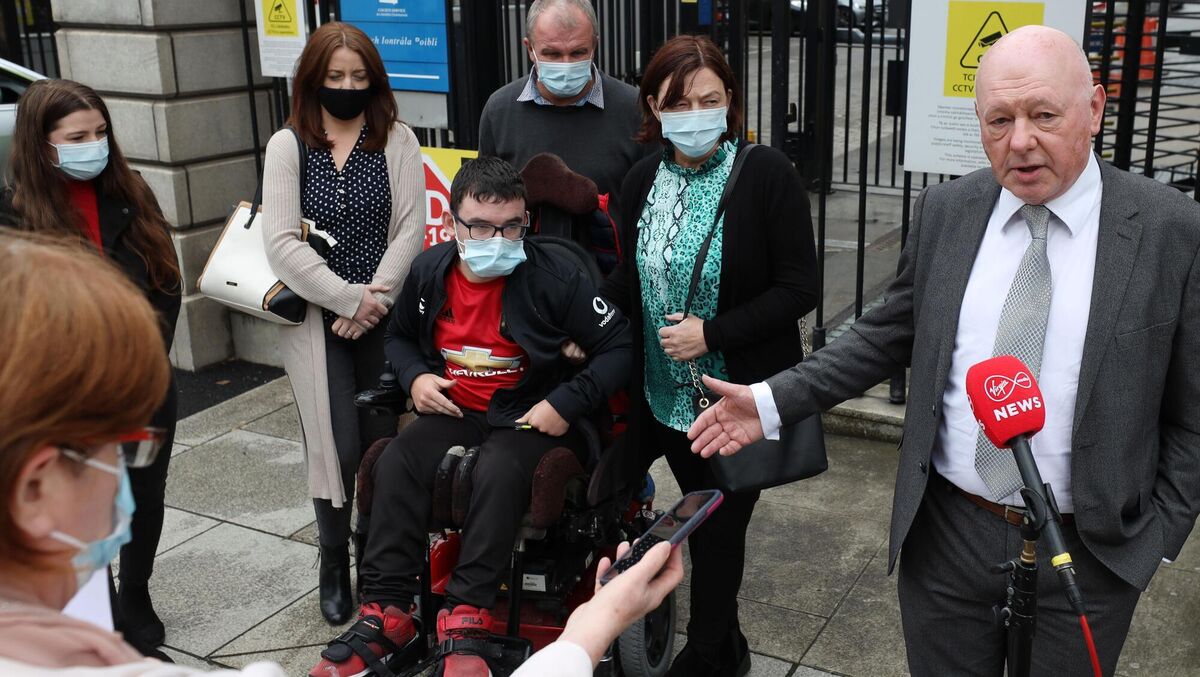
Keith Phelan has spastic quadriplegic cerebral palsy and has to use a wheelchair.
The settlement was against retired consultant obstetrician Dr Liam S Mundow of Douglas Road, Cork. Proceedings against the HSE were struck out.
The High Court heard that serious consideration should have been given to the delivery of Keith on November 30, 1998 when the pregnancy was at 33 weeks but his mother’s private consultant obstetrician, Liam S Mundow, told her she would be taken in to hospital 12 days later.
“Dr Mundow indicated he was going on holiday, hunting, and she would be brought into hospital on December 12,” counsel said.
He said it was their case that the baby should have been delivered on November 30 and when Mrs Phelan went to her GP on December 11, there was a red flag as she complained of the lack of fetal movement.
She was brought to St Finbarr’s Hospital, Cork, and Keith was delivered by emergency Caesarean section. The baby had to be resuscitated.
Counsel said it was a very sad and tragic case. Baby Keith later had seizures and an MRI scan showed a brain injury.
Through his mother, Margaret Phelan, Keith Phelan of Raheen Rd, Youghal, Co Cork, sued the HSE and retired consultant obstetrician and gynaecologist Liam S Mundow of Douglas Rd, Cork.
It was claimed there was an alleged failure to properly investigate, diagnose, or treat the true nature of the condition of Mrs Phelan and her baby, and that there was a delayed admission of Mrs Phelan to hospital.
Dr Mundow admitted that Mrs Phelan should have been hospitalised on November 30, 1998, with management in the form of close monitoring or delivery, but denied other matters.
The HSE denied all claims in the case and the case against it was struck out.
On November 30, 1998, it is claimed Mrs Phelan attended at Mr Mundow’s private rooms and he noted hypertension, protein in the urine and her blood pressure. She was informed that her pregnancy was to be managed with an admission into hospital on December 12, 1998.
It is claimed that Dr Mundow allegedly advised Mrs Phelan he would be away hunting the following week.
Counsel told Mr Justice Kevin Cross that Keith is a very happy young man who likes music and sport and is a Manchester United fan.
He added that Margaret and Tony Phelan are very devoted and dedicated parents.
Outside court, solicitor Ciarán McCarthy on behalf of the family said: “This has been a long journey and it will make a huge difference to Keith’s life and his family.
“They have been extremely united."
The family of a profoundly disabled girl in receipt of a €23.5m personal injury settlement from the HSE said “no amount of money can change” her life.
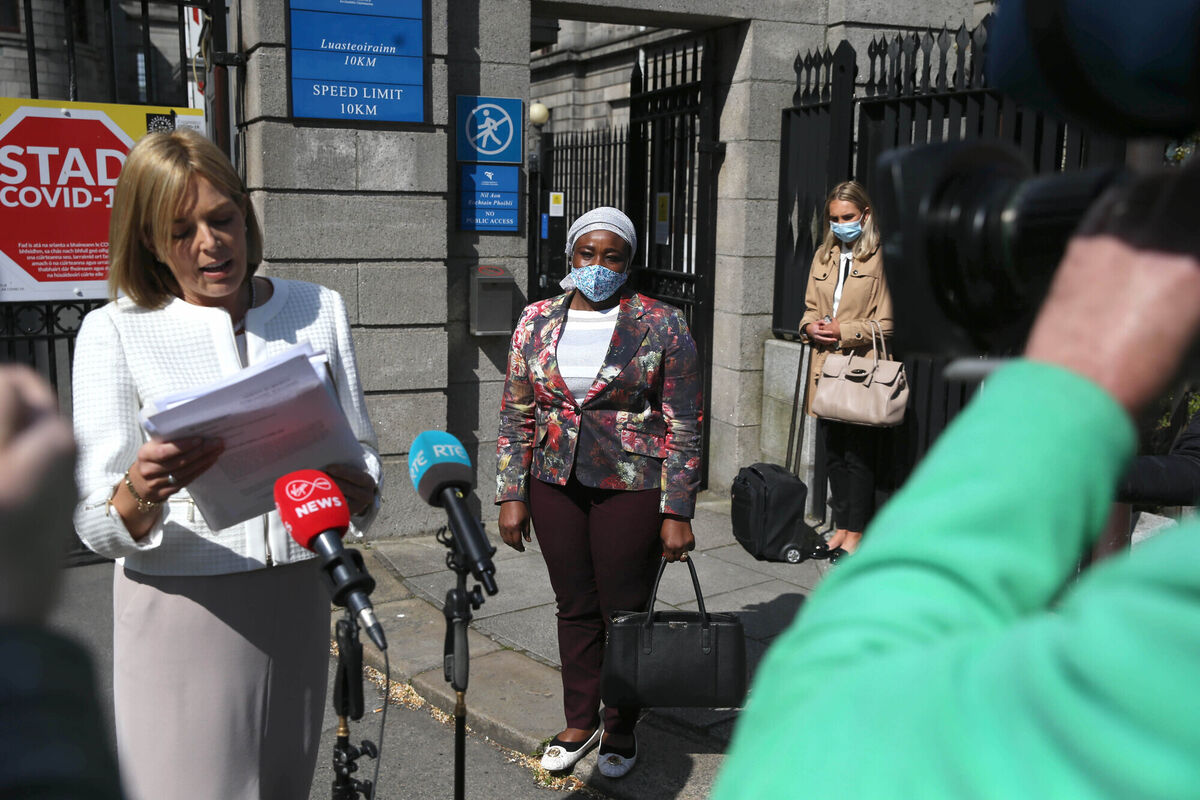
Kameela Kuye, 16, a schoolgirl from Carrigaline, Co Cork, received the then record payout from the HSE after a two-year case relating to the circumstances of her birth at St Finbarr’s Hospital in Cork in 2004.
The settlement for Kameela against the HSE was made without admission of liability and was reached after mediation.
In a statement outside the High Court, the Kuye family said the damages “will not alleviate Kameela’s injuries, which are profound”.
“However, the settlement reached will assist Kameela’s care needs into the future and will mean that she will have a better quality of life,” they said.
The family thanked their legal team and paid tribute to Kameela, “who has the most beautiful smile and a great sense of humour”.
Kameela, of Kilmoney, Carrigaline, took the case through her father, Jimmy Kuye, over the circumstances of her birth on December 22, 2004.
Kameela was present in court to hear the ruling by Mr Justice Kevin Cross, along with her parents Ganiyat and Jimmy, who were described as “the most plausibly dedicated, incredibly devoted and committed” people.
Kameela’s father held her hand throughout the court hearing. Her solicitor, Emma Meagher Neville, described the settlement as being a “significant figure in personal injury litigation in this country”. She said it had been achieved following “a long and arduous battle”.
Now aged 16, Kameela — who is the third child in a family of five — cannot walk, is non-verbal, has profoundly impaired swallowing, is tube-fed, and suffers from incontinence. She attends a special school in Cork City.
Her mother, Ganiyat Kuye, who is pursuing a masters degree in social work, said she and her husband, who works in logistics, support the settlement and wanted to thank their lawyers and the court. Kameela is a much-loved member of the family, she said.
Mr Justice Cross told Mrs Kuye she and her husband were to be congratulated for their extremely good care of Kameela and he considered the settlement a “very good” one.
The family has, to date, lived in rented accommodation unsuitable for her needs and the settlement will provide for the purchase of a new home with a hydrotherapy pool and for the extensive care, therapies, and equipment she requires.
The court was told that Kameela was in good condition at the onset of her mother’s labour but when delivered was “next to death”. It was claimed that although there was continuous monitoring of the fetal heart rate at the onset of labour, monitoring was intermittent for the last two hours prior to delivery, contrary to guidelines of the Royal College of Obstetricians and Gynaecologists then in place.
As a result of the alleged negligence, it was claimed there was a failure to recognise signs of fetal distress and failure to intervene to deliver the child before she had suffered oxygen deprivation that caused severe brain injury which led to dyskinetic cerebral palsy with permanent profound neurological disabilities.
In its defence, the HSE denied negligence and said the first warning sign which warranted action had arisen just eight minutes before delivery, too late for any intervention to alter the outcome.
“Our lives were shattered,” said Sandra McCormack, whose son was left blind and unable to walk as a teenager after he went to Cork University Hospital (CUH) with brain shunt problems.
As Conor McCormack, 23, settled a legal action for €25m over his treatment at the hospital, his mother told the High Court how their cries for help went unanswered when her son collapsed at home and was rushed to CUH seven years ago.
“Our lives were shattered after the events of 2014. Conor was in so much pain and it was so devastating to watch him lose his sight, hearing, and mobility. We were all so distraught that our cries for help went unanswered,” she said.
She told Mr Justice Paul Coffey the €25m settlement against the HSE was “bittersweet” but it would allow the family to give Conor the life he deserved.
The court was told Conor’s treatment at CUH was “nothing short of appalling”.
Nothing was done in the hospital for three weeks and, as a result, Conor suffered a devastating brain injury that left him blind.
The court heard Conor had a shunt inserted in his brain when he was one. His parents had been told warning signs and symptoms to watch out for in relation to shunt blockage. Ms McCormack was “dancing up and down” looking for help.
Outside court, in a statement read by solicitor Ernest Cantillon, Sandra and Kevin McCormack said their son had deteriorated before their eyes. They pleaded with doctors to listen to the parents of sick children. They said:
They told the doctors that they believed there was a shunt malfunction.
“We pressed for consideration to be given to the revision of the stunt, which we were certain was blocked, but nothing happened other than that Conor deteriorated before our eyes.
“Prior to Conor’s admission, we had a child who had eyesight and was able to walk. It took a further three weeks before action was taken to revise the shunt and we ended up with a child with challenges, and completely and utterly debilitated both physically and mentally. He was unable to walk and was blind.”
They took Conor home and said they nursed him as best they could.
After the pressure on Conor’s brain was reduced, he got the sight back in one eye, they said, but was totally blind in the other eye.
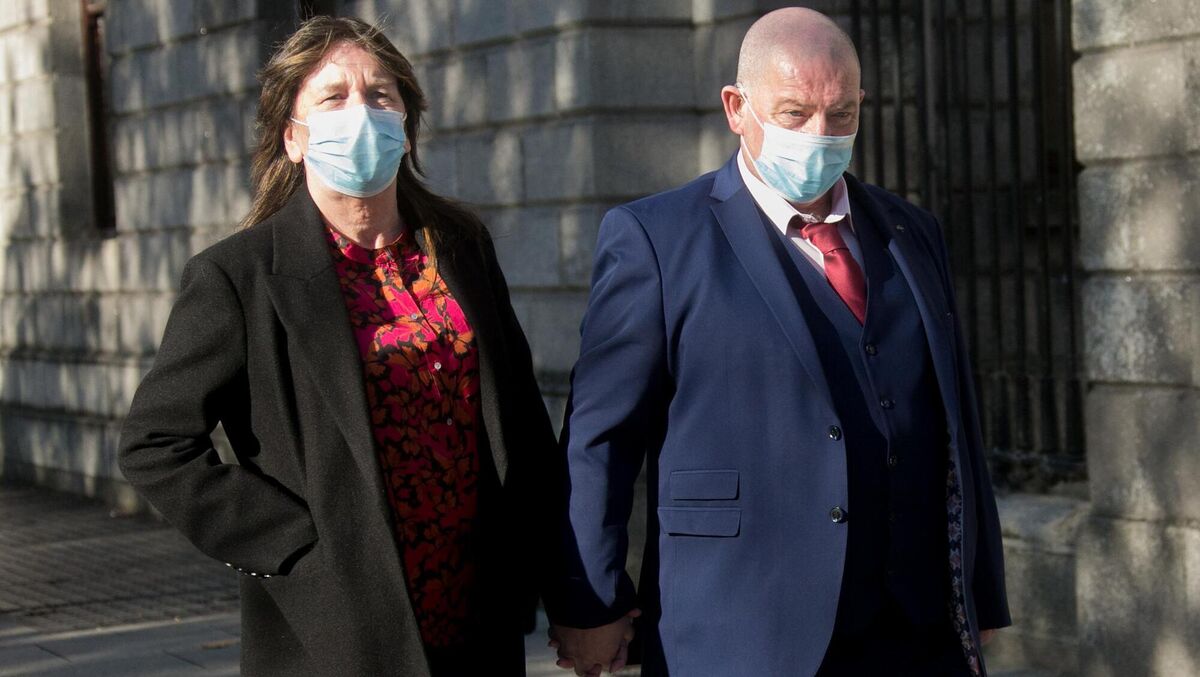
“Unfortunately, it will never bring our girl back to those of us who still miss her every day.”
Those were the words of the heartbroken family of young mother Olivia Redmond O’Callaghan last November as they stood outside the Four Courts where the High Court had approved a €14.75m settlement of Olivia’s action over the devastating brain injuries she suffered in a road accident.
Olivia, who was 12 weeks pregnant with her third child, lost her husband Myles O’Callaghan in the smash on October 4, 2011. She was the passenger when the car he was driving crossed a double white line near an acute bend on the old Cork-Dublin road outside Glanmire and collided with a tractor and trailer.
The court was told that 28-year old Olivia from Donoughmore, Co Cork was rendered totally incapacitated and had the “most appalling repertoire of profoundly serious injuries”.
“She has been left in an appalling sad state where she does not recognise her children and has been in institutional care since the accident,” John O’Mahony SC said.
He added: “A lovely family has been literally destroyed.”
The settlement of the action was against the Motor Insurers Bureau of Ireland and Cork County Council.
Outside court, Olivia’s family said the €14.75m settlement will ensure they can plan for her future care and gives them hope for her further rehabilitation.
In a statement read by their solicitor, John Henchion, they said they continue to be most grateful to all those who helped Olivia and her late husband Myles at the scene of the crash:
The statement added: “The staff at the Cork University Hospital did immense work for both Myles and Olivia.
“Thankfully, the skill of Mr George Kaar and his team together with the many supporting doctors and nurses managed to save Olivia’s life and that of her unborn child such that we were able to welcome a new addition to the family some months afterwards. This was obviously a time of huge joy, but coupled with enormous sadness as well.”
It further said: “On October 4, 2011, our grandchildren lost their parents; our daughter lost her big sister and brother-in-law and we lost our eldest daughter and son in law.
“At 3.20pm that afternoon the car in which Olivia and Myles were travelling on the old Dublin to Cork road crossed to it’s incorrect site colliding with a tractor with devastating consequences.”
An 11-year-old boy with cerebral palsy, who sued over the circumstances of his birth at Cork University Maternity Hospital, settled his High Court action in October for almost €20m.
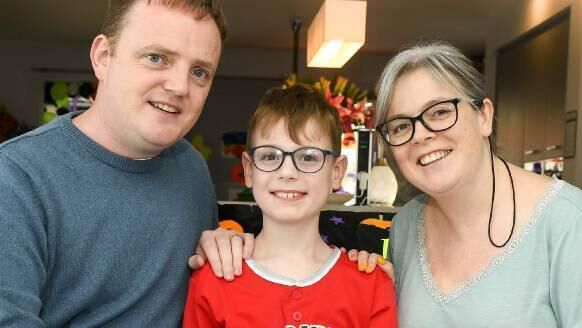
In the High Court, a final lump sum payment of €18m was approved for Alex Foley from Midleton, Co Cork bringing to €19.98m the amount secured in his case.
Mr Justice Paul Coffey was told that Alex, who has spastic diplegic cerebral palsy, can now walk up to 2km after key surgery in the US.
His parents, Patrick and Laurane Foley, said the final settlement marks the end of their 11-year battle.
“Our battle started when we were at our weakest and consumed with the 24-hour care of Alex,” Mrs Foley said in a statement outside the Four Courts.
She said every last cent of the lump sum settlement will be spent ensuring Alex has the quality of life he deserves, including access to many specialist therapies, treatments, and equipment he needs.
“It will help him live as best a life as possible with his injury, but of course it won’t change what happened," she said.
"There is no amount of money that could compensate Alex for his injury, or give him back the life he should have had:
The court heard the little boy could only walk a few steps but since key surgery in the US he can now walk 2km without assistance. The first surgery was paid for by a huge fundraising effort in his community.
The High Court was previously told Ms Foley was pregnant with twins and had a scan in June 2010 which showed a low-lying placenta.
There was another scan in September 2010 and a low-lying placenta meant there was a real risk of vasa praevia. There was, it was claimed a failure to identify, at an earlier stage, a complication of pregnancy — vasa praevia — in which a baby’s blood vessels cross or run near to the internal opening of the uterus.
The Foley side contended there should have been another more specific scan at this stage and if there had been it would have identified the risk.
The HSE denied the claims and contended that it was not normal practice to carry out the second scan.
Mrs Foley told the court it is absolutely amazing Alex can now walk. She said they wanted to accept a lump sum payment as they didn’t want “to go through the process anymore".
Approving the settlement, Mr Justice Paul Coffey said the extraordinary if not miraculous progress Alex has made must be a great comfort to his parents.
Outside court, the Foleys, flanked by their legal team, had a special mention for those who over the years raised funds and donated for his key surgery and equipment.
“Thank you to all those who helped Alex get his SDR surgery at the time in his life when it would be most effective and helped fulfill his wish to walk. And to those who fundraised and donated for his wheelchairs, both of which the HSE would not provide.”
CONNECT WITH US TODAY



Be the first to know the latest news and updates