If we are what we read, who are we? The books that inspired Ireland in 2021
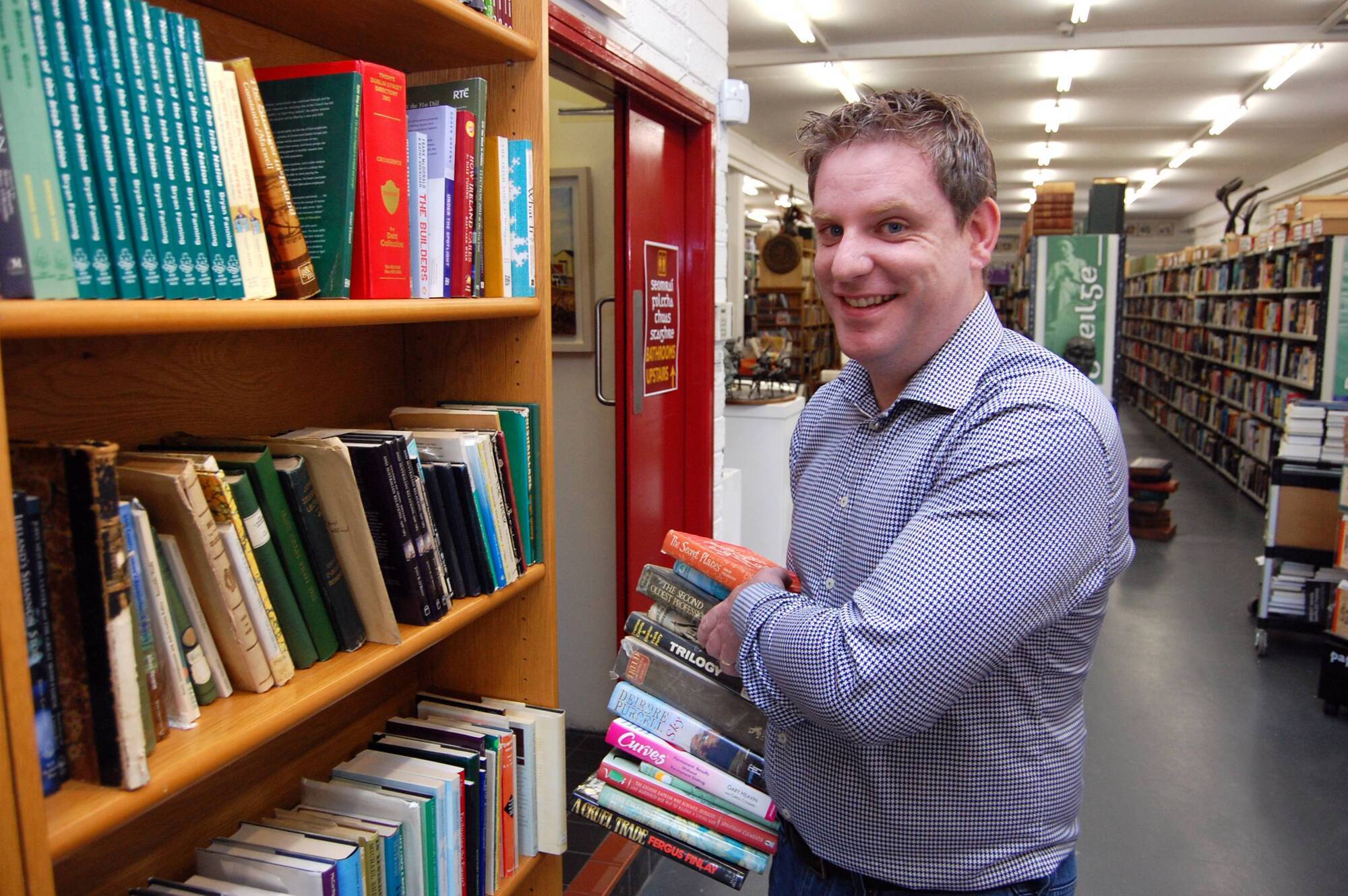
If 2020 was a “distortion” in the world of bookselling and reading then 2021 was a “further distortion” explains Tomás Kenny of Kennys Bookshop Galway. Picture: Dean Kelly
There is what the critics say and then, there’s what the public says.
Book sales and a book’s place on a chart can allow us to take the temperature of a nation.
If we are what we read, who are we?
Kenny’s, the online bookshop with a bricks and mortar store in Galway, won Bookshop of the Year at the An Post Book Awards last November, and they share their behind-the-scenes data with the to show what we’ve really been reading in 2021.
It’s not just fiction we care about, though there were a lot of bestsellers in that genre; Irish people read across the board, particularly autobiographies like those of Sinéad O’Connor and Keith Earls, and confessional essays.
We also devoured DIY this year, and we cared about wellbeing too, be that mental health or cooking up what we’ve already got in the kitchen.
If 2020 was a “distortion” in the world of bookselling and reading, with what seemed like everyone turning to literature of every kind, then 2021 was a “further distortion” explains Tomás Kenny, of Kenny’s online bookstore, and winner of An Post’s Bookshop of the Year.
“In 2021, it was the first time that the first part of the year was a lockdown — so that period was busier than Christmas 2020. February was busier than Christmas week,” says Tomás.
When their bricks and mortar store in Galway reopened in 2021 when restrictions lifted, it was “thankfully busy” but “there was an enormous drop in online sales”.
However, it wasn’t the pandemic and the ever-changing rules that affected the book world of 2021 the most, but Brexit, explains Tomás. With many publishers based in the UK, there were long delays in getting orders in.
Why does that matter?
Because when an author does their media rounds and all the publicity is drummed up, readers will go to their local store on a Saturday looking for the new book, and it might be already sold out.
“The deliveries were so sporadic, because they’re coming from the UK, and it could take three days or three weeks — that made planning stock and planning in general difficult, as bookshops order little and often and it’s expensive stocking a book shop,” explains the bookseller.
But he somehow managed to find an advantage in the twin maelstroms of Brexit and a pandemic, and in doing so, outsmarted the biggest bookseller in the world.
In 2021, Kenny’s turned itself into the Amazon of books for Ireland. If you order a book from their website, you’ll get it in around two days.
“One of the things we’ve changed enormously in our business is our stock level. It is 20 times the level it was in 2019, we’ve been increasing that over the last year-and-a- half.
“So if people order from us they’ll have the book from us in two days, it used to be a week — our sales have benefitted from us and we have way more returning customers,” says Tomás.
So where does Amazon come in?
If you order a book from Amazon it has to make its way across the border and the Irish sea, as there is no packing centre in Ireland, whereas Kenny’s built their stock up so much they have your book waiting and ready to be shipped, with no sea or trade barrier to cross.
What did people buy in general in 2021? They bought in bulk.
“In 2021, if they found an author they liked, say John Grisham, Cecelia Ahern, or Marian Keyes, people would be ordering all 23 of their books, they’d just go and order every Marian Keyes book,” says the bookseller.
Other Irish reading habits of 2021 included buying in bulk, with customers buying themselves three and four books at a time.
And while people turned away from non-fiction in Ireland at the start of the pandemic, it’s gone back to its popular resting place in 2021, as have sports books, particularly the autobiography of Keith Earls.
Another trend of 2021 is books about racism, especially Irish academic Emma Dabiri’s , published this year, but also her 2019 book .

Irish people also bought books that were popular TV series this year, especially Netflix ones.
“Netflix has been the really big driver, — we’ve sold so much of that. , which is out a long long time, if we only had books — we couldn’t possibly have kept up with demand.
“The amount of times was searched in our search bar, it was by far the most anything had been searched in our search bar,” says Tomás.
It wasn’t the same with popular movies of 2021, that originated as books, specifically TV series, he adds.
Another new trend has been pre-ordering of books that are due to be released, as people buy something they can look forward to.
“We did few pre-orders before the pandemic, now it’s a big part of our business,” explains Tomás.
Irish readers also made a point of buying Irish writers this year, and it’s a trend that’s holding out beyond our shores. Kenny’s would know as they sell a lot of first editions to North America.
“The big trend is Irish writing — it is having a really big moment internationally. A lot of our business would be selling modern first editions and we would have a lot of customers in North America, and there would be a stable of Irish writers like Colm Tóibín.
“But in the past three or four years, particularly in the last two years, the amount of Irish authors they’re looking for has gone through the roof. Doireann Ní Ghríofa is really well thought of internationally, as is Naoise Dolan,” says Tomás.
As a result, the long-time bookseller says we are now at a “moment in time” in Irish writing.
“So much of it is because we have so many good writers in Ireland, the writing is so good. We are at a moment in time, there are so many amazing writers here,” he says.
- See kennys.ie
In her own words she told the story of growing up in a family that was falling apart, her entry into the music scene, and gave the details of many of her misadventures.
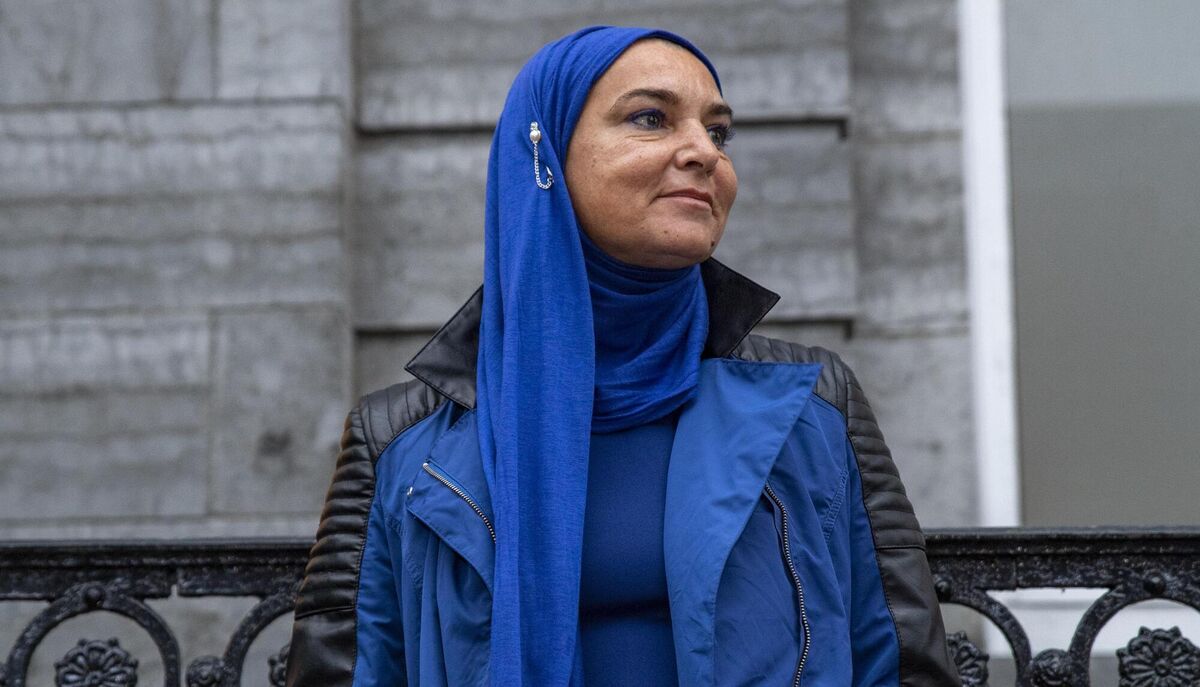
Her ability to write and her predilection for truth made this book one of the bestselling books in Ireland over the course of the last six months, especially in biography and music.
Veteran music journalist and 2FM presenter, Dave Fanning, told the he would recommend the book to anyone.
“It was much better than I ever thought it would be, not that I ever doubted Sinéad’s writing talent, but by how revealing it is. She’s very honest about her own misbehaviour,” says the broadcaster.
It is the “searing” honesty throughout that had him engrossed.
“It’s searingly honest, she talks about her mother’s abuse and then when the mother dies and how awful the funeral was,” says Fanning.
Sinéad is “not the kind of person who lies”, emphasises Dave when he touches on her explanation about what actually happened between her and the late musician Prince.
The book was so well written that the reading of it is easy, and quick, work.
“You’re not going to be hanging on to it for a few months, it just really tells a great story,” says Dave.
A great story that anyone would enjoy, or just her fans?
“Sinéad fans, Irish people, readers, it’s just a good story.
“If you read the comments section on under the interview she did when the book came out it just shows people absolutely love Sinéad,” says the broadcaster.
“And it’s quite different from other music biographies. This is very different, it’s not the rise and fall stuff, it’s searingly honest about ‘this’ is not what she wanted,” he adds.
By “this” he is referring to fame and how it was just music, be that reggae or sean-nós, that she loved and was deeply passionate about.
“I’d recommend it to anyone,” he says.

One woman who’s a major part of this wave is Cork-born, now London-based property portfolio developer and illustrator Laura de Barra.
In 2020, she published SHE-IY guide, , which became a bestseller and in 2021 she published , which went on to become one of Ireland’s most popular books this year, dominating the lifestyle genre.
While was more about DIY skills, cables in plugs, and how to replace a recessed light bulb nevermind a screw one, was about styling your home, room by room, and more importantly, on any budget.
It was also bigger and more coffee table friendly with its bold red and pink cover.
Irish author Marian Keyes praised it as being “hands-on empowering” and writer Emer McLysaght described it as a “bible for making your home your own”.
Broadcaster Louise McSharry told the that what de Barra has done is to help people, no matter their housing situation, create a sense of home based on their own style.
“We are so lucky to have Laura de Barra. is a truly useful book which guides you through making the most of your home, be it a rented apartment or three-storey house,” says Louise.
The book, which comes with illustrations, has been read over and over again in Louise’s home, but most importantly it’s made her rented home feel her own.
“Every detail of the book is carefully thought out from the words to the gorgeous illustrations, and I have turned to it over and over again since it arrived,” says the broadcaster.
“Like many people, I rent my home and am of an age where I want it to feel like my own, has helped me to achieve that,” she adds.
In 2019, the Irish author and academic Emma Dabiri had published her debut book, , then in April 2021, came her second book .

It was described by British journalist Caitlin Moran as a “shame removing look at race”.
Since its publication nine months ago, it has been one of our country’s most popular books, dominating in the genre of social equality.
President Michael D Higgins is a fan, giving the book to people as well as referring to it in a speech about the famine.
Fans, such as Mr Higgins and Irish author, Naoise Dolan, have praised it for its clear-sightedness.
To common social media phrases about “letting white people off the hook” or “failing to hold white people to account”, this is what Dabiri has to say:
“It’s just that while I hear these phrases I don’t really know what they mean, or even really what they look like.”
And on the topic of social media this is what she had to say:
“The nature of social media is such that the performance of saying something often trumps doing anything, the tendency to police language, to shame and to say the right thing often outweighs more substantive efforts.”
One woman who has been talking very publicly about racism in Ireland in the aftermath of Floyd’s murder is RTÉ’s show presenter and author of Emer O’Neill.
She is a fan of Dabiri’s work, she tells the , because it empowered and propelled her.
“When I went to RTÉ I asked them to please have someone who knew how to do afro hair,” explains Emer, who was 35 before she ever spoke publicly about race.
“When I do things on TV I always felt I needed to straighten my hair or put hair extensions in because there’s this concept of afro hair being messy or untidy or unprofessional — that’s a general rhetoric that surrounds afro hair. Now 90% of the time I wear my hair naturally,” says Emer of the effect of Dabiri’s work on her.
The RTÉ presenter says Emma Dabiri equipped her with knowledge and a comprehensive understanding as to why she felt the way she did as a woman of colour in the world.
For the unindoctrinated, it is about food yes, and Ottolenghi is the name of a real man — Israeli-born British chef, Yotam Ottolenghi, who has a slew of restaurants as well as several bestselling books.
is his latest. But Ottolenghi sounds complicated right?

It’s the opposite: it’s about one-pan wonders, how to stand in front of your open cupboard and not feel overwhelmed and how to put that bag of frozen peas in the bottom of your freezer to good use.
It’s about using what you’ve got to hand as opposed to having to head to the shops for a fourth time in a week. Think less stress.
One Irish fan is TV chef, Cork woman, and busy mother of four, Clíona O’Connor. She tells the what all the Ottolenghi fuss is about, or not as the case may be.
“I love fuss-free cooking. Family life can be so busy so any inspiration for using what we have in our cupboards already is welcome. Ottolenghi’s does just that.
“When you are having a ‘what will I do with this can of chickpeas that has been sitting there for two months?’ moment you can delve into it and find a simple solution,” explains the popular Instagram cook.
Clíona says the book also takes the risk factor out of cooking for nervous home chefs.
“I love that they have left room for these valuable adornments — that’s what makes cooking so personal,” she says.
- Clíona cooks on Instagram @clionaoconnor_
The book is set in 1985, in an Irish town, in the lead up to Christmas. Bill Furlong, a coal merchant, is facing his busiest time of year.
As he goes about his deliveries he also begins to encounter the past, and the obedience and deference of a people silenced by the Church.
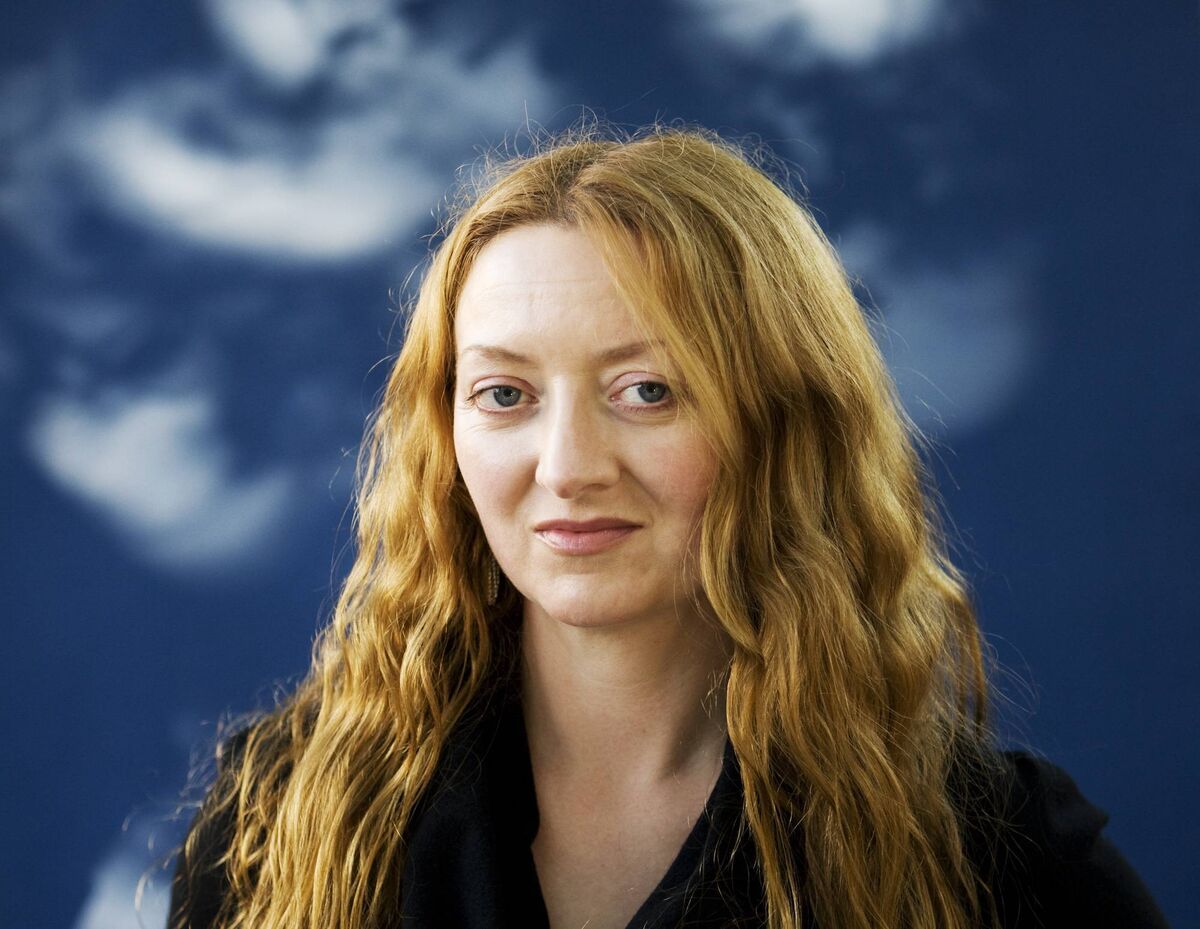
It is a story of hope and heroism.
Our reviewer is someone whose own book, is predicted to dominate 2022’s fiction charts after it was acquired in a multi-publisher auction and is considered a “superlead” in next year’s publishing calendar. Edel Coffey loved so much that she has read it three times.
“Claire Keegan’s was a revelation of almost religious proportions for me. Which is fitting, as the story encompasses religious horrors of the past.
“Bill Furlong is a coal merchant living in New Ross in 1985 with his pragmatic wife and their five daughters and through his small story, Keegan addresses so much about who we are both as Irish people, and as human beings,” says Edel.
Keegan does not go into what we already know about the horrors of the Magdalene Laundries, says Edel, instead she pulls apart our collective past through tiny details.
“She evokes that cultural knowledge with the smallest of scenes and even smaller details — a girl locked in a shed, her toenails grown long; a nun and a local businessman locked in a passive-aggressive power struggle; a mother so concerned with her family’s standing in their small town that she will coldly overlook the most indecent human cruelty,” says Edel.
She does hold back in her praise for Claire Keegan and likens her to some of our greatest writers of all time.
“Keegan should take her place alongside Ireland’s most gifted writers,” says Edel.
But the praise does not stop there, with Keegan’s masterful storytelling sending Edel back through her book, not for a second time, but a third too.
“When I first finished this book, I went back and read it again to see if I could figure out how Keegan had achieved so much with so little. But it remained a joyful miracle to me. And so I read it a third time. And I know I will read it again. And again,” she says.
Growing up in one of Limerick city’s most socially-disadvantaged areas Moyross, Earls became a teenage sporting star.
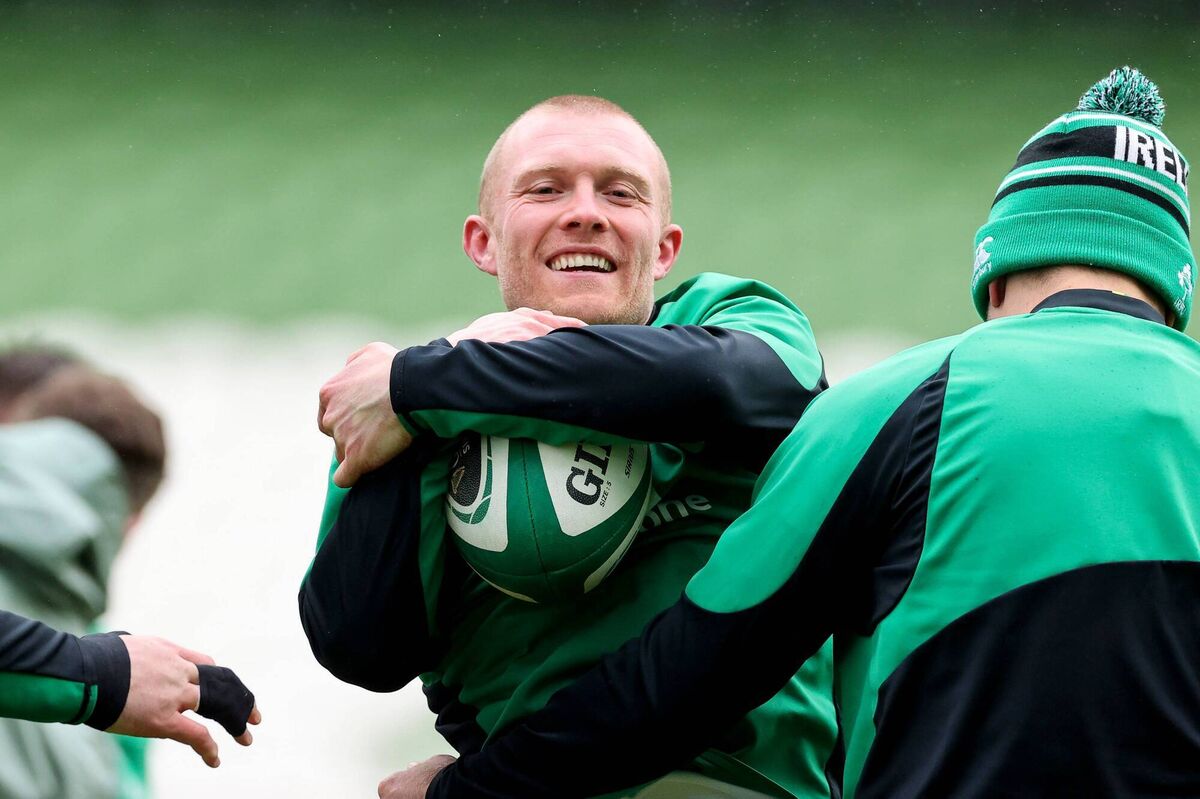
By 21, he was a British and Irish Lion, and he is now the second-highest try scorer of all time for Ireland. And for Munster, he is one try short of the all-time total.
But throughout all of this roaring and public success he kept his own struggles with his mental health private.
This book tells the story of his endeavour to reconcile where he came from with the world he entered thanks to his rare talent.
The low-profile sports star, in this book, talks for the first time, at length, about his inner struggles that went unseen not only by avid fans, but by his friends and even those he shared a locker room with.
“It’s not me at all to be doing anything remotely like an autobiography,” said Earls about the book’s publication.
“And I guess that’s one reason why I am doing it. We’re supposed to get out of our comfort zone. I’ve learned enough along the way to know that much.
"It’s where your progress and growth happens. I hope if I can share some of my life experiences here, it might inspire others,” he added.
Another sporting hero who has been inspired by the 34-year-old’s autobiography, is soccer player Paul McGrath.
“Love this man’s honesty. Great to know my heroes are people,” said McGrath.
Dr Maureen Gaffney published her second book in recent years this September and readers responded in their droves, making it one of the bestselling books here in 2021.
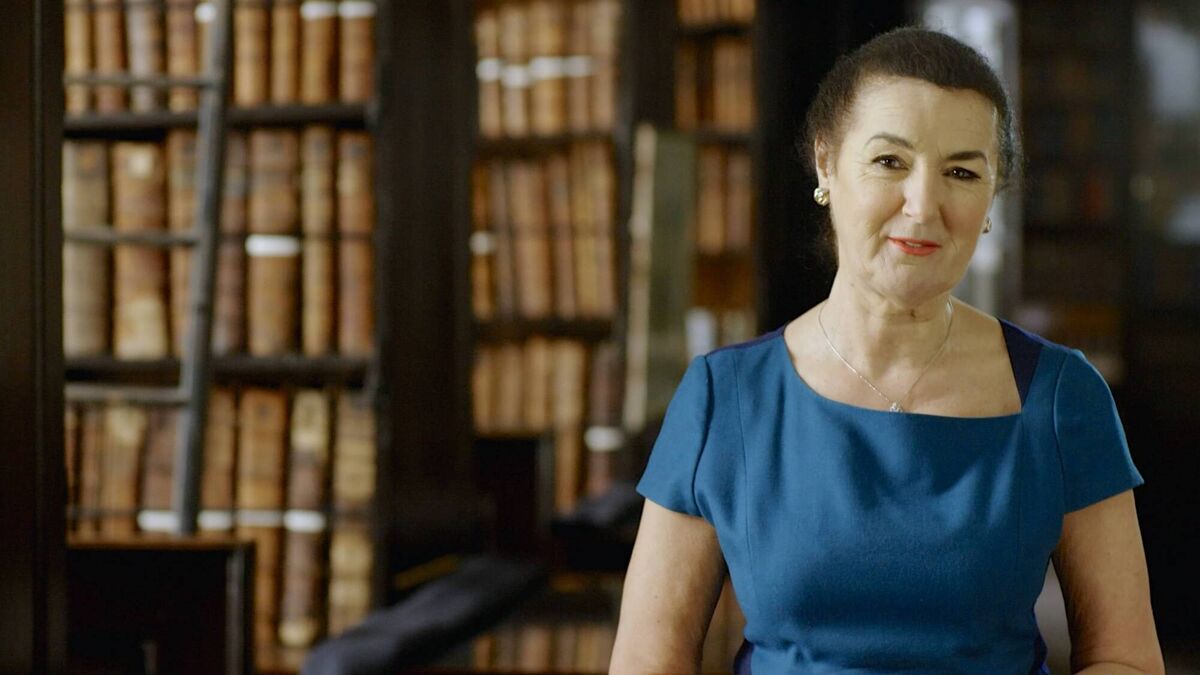
The psychotherapist’s previous book ‘Flourishing’ was published in 2015, but this year’s one is more fitting for the times we find ourselves in.
The book centres on the idea that neither time, nor choices, are limitless, both a scary and mobilising thought.
The book looks at the reality of your life, and gives readers a chance to “take stock”, in order to make the most, and best, of what’s ahead. The psychotherapist offers actual tools to turn that notion of a better life into reality.
She also includes brand new research about how to actually “get to grips” with time.
No matter where you are in life the psychotherapist walks us through the various stages from infancy to old age, exploring what we learn at each juncture.
One of the goals of the book is to help people face the future with optimism.
Sophie White’s is a collection of searingly honest essays that chart everything, in depth, from grief to addiction and from mental illness to motherhood.
Published in March 2021, it has sold “consistently well”, through a web of “word of mouth” says Tomás Kenny, from Kenny’s bookstore.
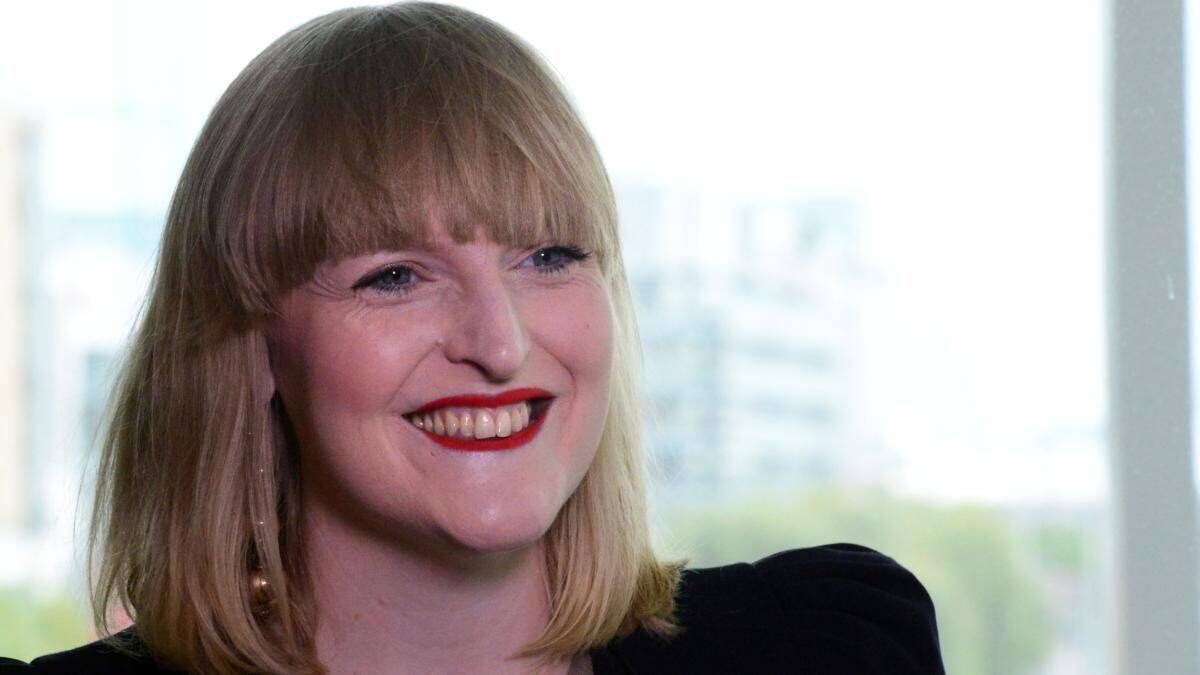
In an essay about the birth of her second son colliding with the death of her beloved father, this is what White writes:
“The weekend that my dad died for the first time was the same weekend that my second son was born.
“There were maybe hours between the events, but now in my memory they are intertwined. I want to weave them together to give them some kind of meaning.
"The full-throated wail of my raw and red newborn and the strained gasps of my dying father.”
White’s work counts Maeve Higgins, Marian Keyes, Rick O’Shea, Louise O’Neill, Emilie Pine, Nuala O’Connor, Patrick Freyne, Joanne McNally, and Claire Byrne as fans.
“It’s extraordinary. Painful, powerful, visceral, and spiritual,” says Keyes, “a remarkable book”.

CONNECT WITH US TODAY



Be the first to know the latest news and updates