Why enjoying yourself at Christmas doesn't have to be at the expense of the planet
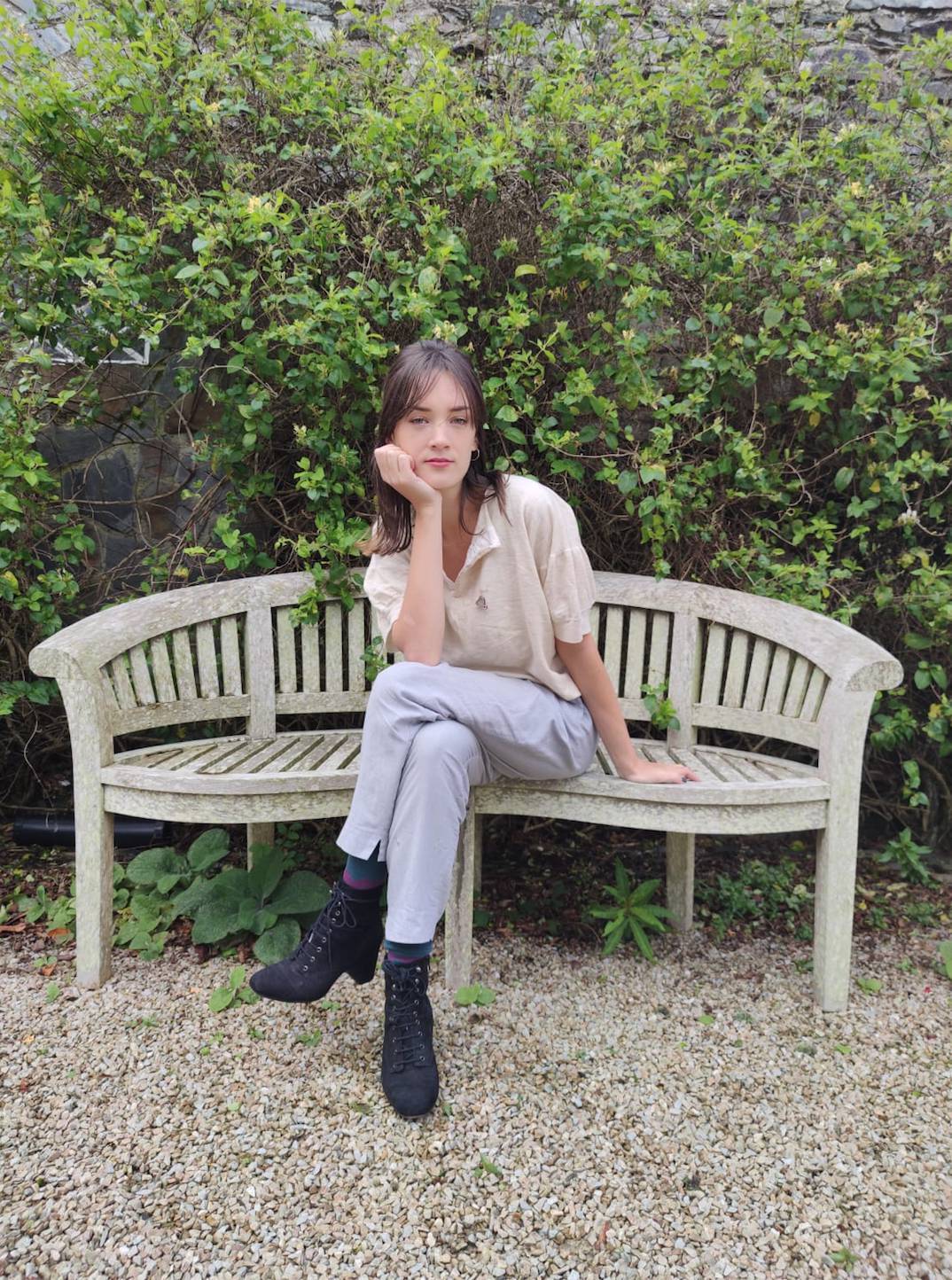
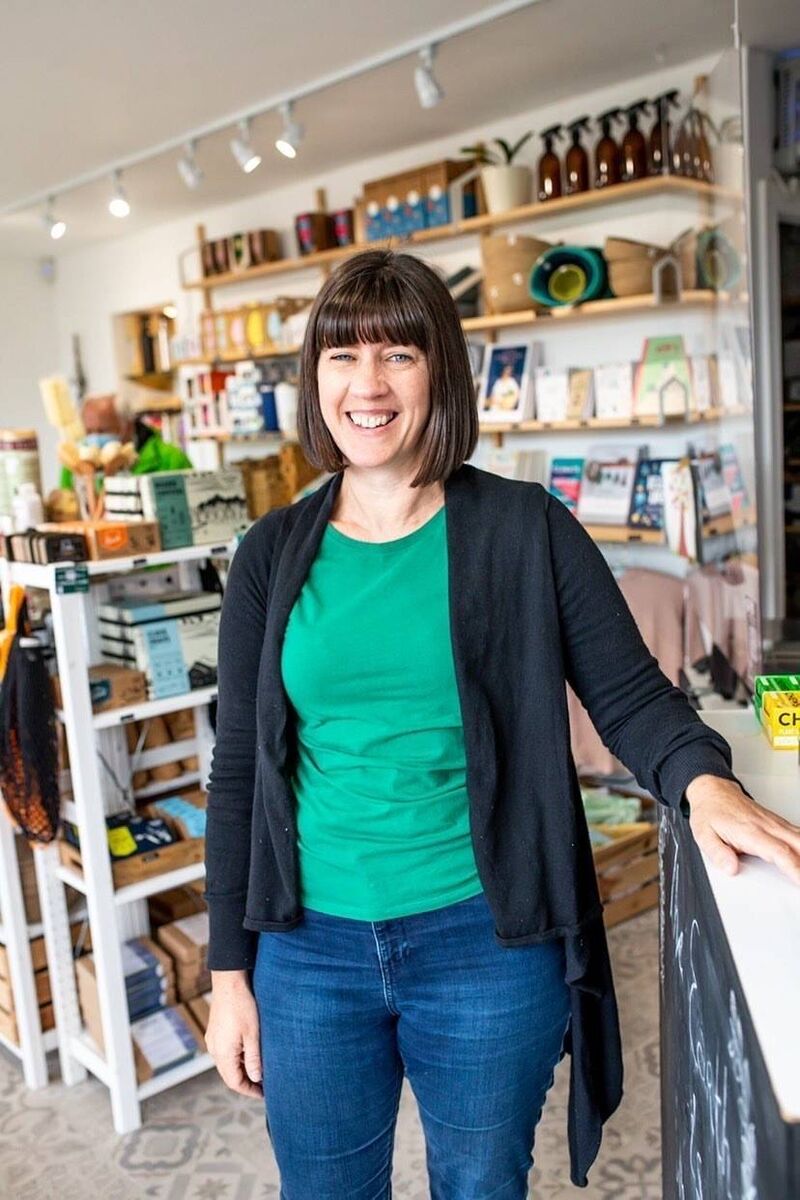
Laragh McCann: The most important thing for me is to start off with a mindset shift. Picture: Rosie Keane
Christmas: a time to indulge, a time to throw caution to the wind, to switch off from the world and its myriad of problems and never more so than this year.
However, we can do nothing nowadays without being aware of our carbon footprint and environmental impact.
Ever since Greta Thunberg started the school strikes for climate after the UN's 2018 climate report, Christmas, like everything else, has come under the eco microscope.
Each year we see the headlines about the 15m Christmas crackers pulled in Ireland that are headed straight for landfill or the tens of thousands of tonnes of packaging waste that we generate and yet, year after year, those tonnes keep increasing. This year, we've seen the photos from the Atacama desert in Chile with piles of fast-fashion clothes, one-off Christmas jumpers included, dumped and left to rot. There's lots of awareness about Christmas's climate impact, but seemingly little action.
In 2019, we created 75,000 tonnes in packaging waste, in 2020 we generated 81,000 tonnes and this year we're headed for 83,000 tonnes. The packaging comes from presents purchased, toys bought and things such as glitter-covered wrapping paper, Christmas cards and crackers.
CLIMATE & SUSTAINABILITY HUB
Together we'll spend about €5bn this festive season and of the presents we buy friends and family 50% of them will be considered useless. As we waste our money, we also create so much waste.
When it comes to sustainability and Christmas, the framing of the message is one of loss and sacrifice: the polar opposite of the indulgent sentiment of the season.
So can we enjoy ourselves, while also minding the environment? We've spoken to people who live sustainably all year around and do so at Christmas too, and they say their festive period is enhanced, not diminished, by their approach to festivities.
For film-maker and former model Laragh McCann, making Christmas more sustainable has made it more meaningful.
"The most important thing for me is to start off with a mindset shift. People immediately think there is a loss in the festive experience when they hear the word 'sustainable' or 'eco'.
"But what are the core value of Christmas? It's togetherness, it's connection, it's not intense consumption. Making it sustainable is actually an enhancement of the things that are important, not a loss," says Laragh, who has just received a Climate ambassador award from An Taisce.
To make her own Christmas more sustainable she has brought creativity into the mix for the past number of years.
"I do paintings for people and little poems and little letters, and for wrapping we have a big bag of wrapping and cardboard that I collect throughout the year. Getting a sprig of some evergreen is a really nice embellishment too," says Laragh, who founded Climate Love Ireland two years ago which is a community action space with 12,000 followers.
As Christmas is a time when people typically come together, does she have to compromise on her values around the festive period?
"Thankfully, sustainability has been in my family but that is a rarity. We have a volunteer WhatsApp group for Climate Love Ireland and it's often asked: 'How do you bring up the topic of sustainability in my family and not get shut down?'," says Laragh.
This Christmas she and her adult siblings will come together to create a different festive feast.
"We're considering a vegetarian dinner, which is a departure from the norm, but we're going to work on it together and all the siblings will get involved," says Laragh.
And when it comes to presents, a family ritual has grown around the meaningful exchange of gifts.
"We do do presents, but we do a whole sit-down ceremony and we go from youngest to oldest and everyone sits around. And this is where I've done paintings for years," says Laragh.
For other people wanting their family to be more sustainable this Christmas, she suggests that you reframe the topic and be informal in your approach.
"Throw a message into the family WhatsApp and say: 'Lads do you want to do it this way?' Frame it in the way that 'we can we have a thoughtful Christmas', rather than 'we need to be sustainable: don't get me anything'," suggests Laragh.
For someone who lives her sustainability all year around, with every garment of clothing she wears being secondhand, the climate ambassador finds consumerism at Christmas quite stressful.
"I find I get heart palpitations walking into a brightly-lit shops. I'm painfully aware of the climate and the impact mindless consumption has on it. And everyone is so stressed and then we're buying stuff that has all this packaging on it," says Laragh.
However, this anxiety is not just something she feels at Christmas but all year around.
"Taking action for sure helps me deal with eco anxiety, and really grounding back into the present moment. Everyday I do some form of meditation, or a gratitude meditation.
"Making sure I'm well fed, exercised and rested makes things much more manageable and being part of an action-based community is a game- changer," says Laragh.
Follow Laragh at @climateloveireland
Orla Connolly, 28, works in psychology and is a climate activist, and for her, Christmas is a very enjoyable time. She buys all her presents from eco-friendly Irish businesses and her extended family are taking part in a kris kindle to cut down on consumption.
"I do really enjoy Christmas. I spend a lot of time with my immediate and extended family and it’s really special. My extended family have agreed to do kris kindle, which results in a significant decrease in consumption compared to previous years.
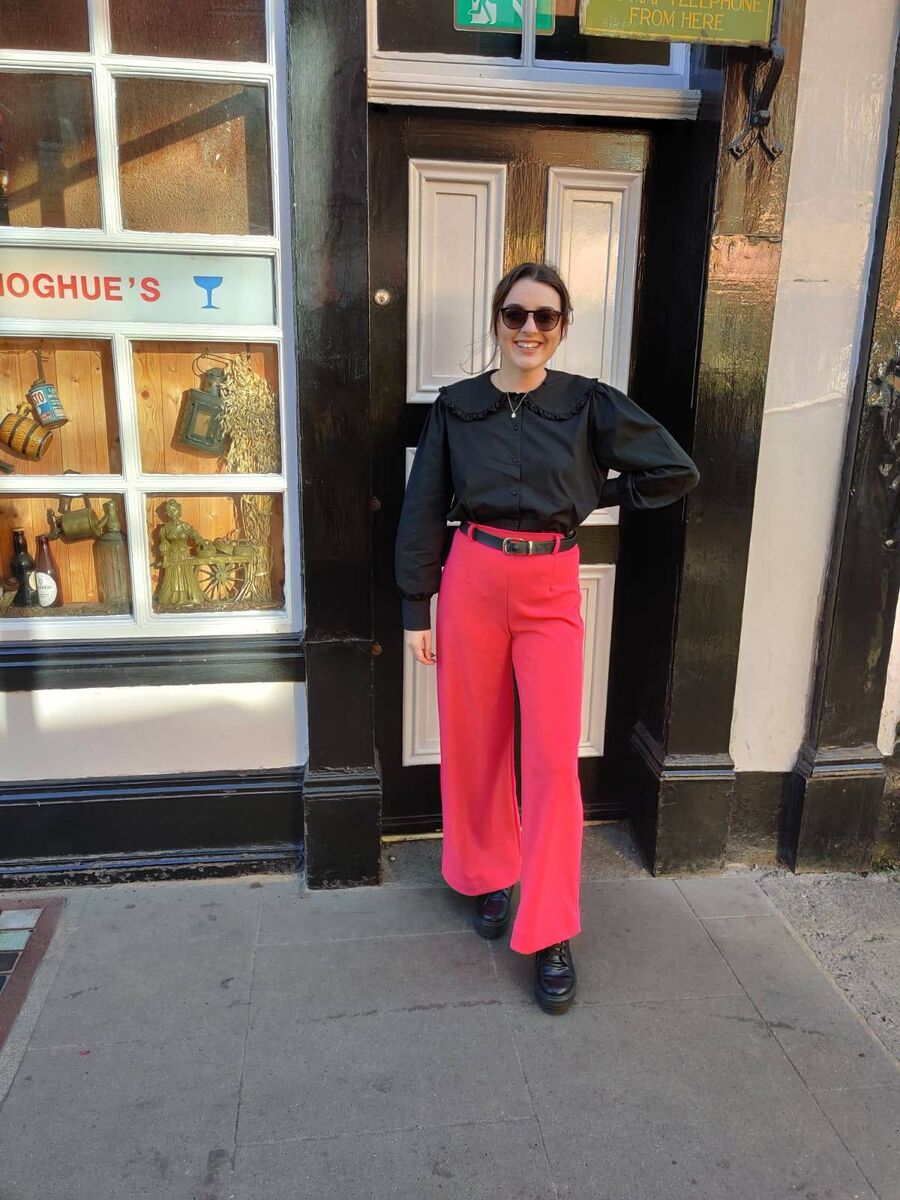
"My siblings and I have also moved away from buying presents for each other, and we do something, like an activity or a trip, together instead. For my own presents, I’ve asked for some things I need that I’m going to get lots of use out of and will last me years," says Orla.
When it comes to her own gifting she buys Irish and helps other people to do the same by sharing eco-friendly business listings on social media.
"I’ll buy all my gifts from Irish, eco-friendly businesses. I’ve put together a gift guide on my Instagram account including hundreds of businesses, so that others can do the same," she says.
Food waste is also something Orla is mindful about as well as things such as crackers, that end up in landfill, as they're can be covered in glitter and film and are therefore, not recyclable.
"I think when it comes to food it’s important to remember not to waste. In general, I try to eat as many leftovers as possible, so as to avoid food going in the bin, so I’ll be continuing to do this over Christmas.
"I don’t buy Christmas crackers or other plastic-filled novelties anymore, and no one misses them. When it comes to gift wrap, I use up whatever I already have. For example I always keep gift bags to reuse, I repurpose brown paper from deliveries and shopping, and I have some old rolls of paper to use up, too," says Orla.
However, for Orla, sustainability isn't just for Christmas and she eats a predominantly vegetarian diet and has stopped "shopping fast fashion" and instead shops second-hand.
However, eco anxiety is still a reality for people who are environmentally aware and it is an area that Orla has a special interest in.
"This is something I’m really interested in, as I work in psychology, and I think we’re going to see an increase in this over the next few years. I definitely experience eco anxiety every so often. Sometimes the weight of the climate crisis can feel too much, and I wonder whether I’m doing enough.
"I deal with it by taking a break from the news for a few hours or days, however long I need at that time, and allowing myself some time to switch off from it all. Then, I regroup and focus on what I can control," says Orla.
"I’m not expecting to solve the climate crisis by changing my own habits, I know that the people in power need to step it up in order for us to have any chance of containing it, but I also know that each of us has a role to play in changing our mindsets, challenging our consumption, and opening our eyes to the impact of our choices," she says.
When it comes to others following her lead, Orla emphasises the importance of enjoying ourselves at Christmas, but balancing it against the impact our choices make.
"It’s okay to buy gifts, to enjoy meals, and to indulge yourself a little at this time of year. That doesn’t have to be at the expense of the planet. Stop and think before you buy something. Ask yourself if you really need it, how long you’ll get out of it, whether it’s a good investment, and where it will end up when you’re done with it," says Orla.
Follow Orla @maintainable_sustainable
Irish Christmas crackers are hard, if not impossible, to come by. And their environmental footprint is fairly substantial too, when you think they are single-use, contain plastic items, are covered in foil and glitter so are not able to be recycled. Almost every single Christmas cracker in Ireland is shipped 22,000km from China to sit on our kitchen table.
It is estimated that 15m Christmas crackers are pulled in Ireland every year, to then end up in landfill.
There is, however, one alternative and that is reusable crackers you make yourself and that you can also buy the 'snap inserts' for again and again. Ann Teehan, owner of Annie Pooh zero waste shops sells them for €23.95. She also sells packs of replacement compostable snaps to be used year after year for €3.
"Crackers are usually shiny and have a glittery coating so they aren't recyclable like lots of wrapping paper. These crackers always sell really well and people turn it into a little craft project to do at home," says Ann.
anniepooh.ie
Even though it's paper, a lot of wrapping is not recyclable because of any glitter or foil on it. This makes it hard to dispose of after Christmas with lots of it going to landfill or else into the green bin, only for the staff in recycling centres having to manually remove it from the conveyor belt line.
In the UK, about 365,000km of wrapping paper is used every Christmas - enough to wrap around the planet nine times. In Ireland, we use about four rolls per household.
Some Irish distributors of recyclable paper include the Little Green Shop, which sells large sheets for €1.30 printed on recycled paper, using vegetable-based inks.
Other 'Irish' alternatives for wrapping presents include newspapers and magazines, that have been produced and printed in Ireland.
littlegreenshop.ie
Millions of Christmas cards are bought and sent in Ireland every year, but if you look at the fine print, many are neither designed nor printed here. But there are, in fact, several card designers and printers working in Ireland.
Bold Bunny: Bold Bunny has built somewhat of a cult-like following with its fun cards and prints. They sell Christmas cards in packs or individually. Their greeting cards are made from 100% eucalyptus pulp which makes them environmentally friendly. And since last November, 2019, they no longer use anything packed in single-use plastic.
boldbunny.ie
Nadine Love Ink: Nadine Guerlaine is a designer and illustrator based in Dublin. Her quirky and sustainable Christmas cards are made in Ireland.
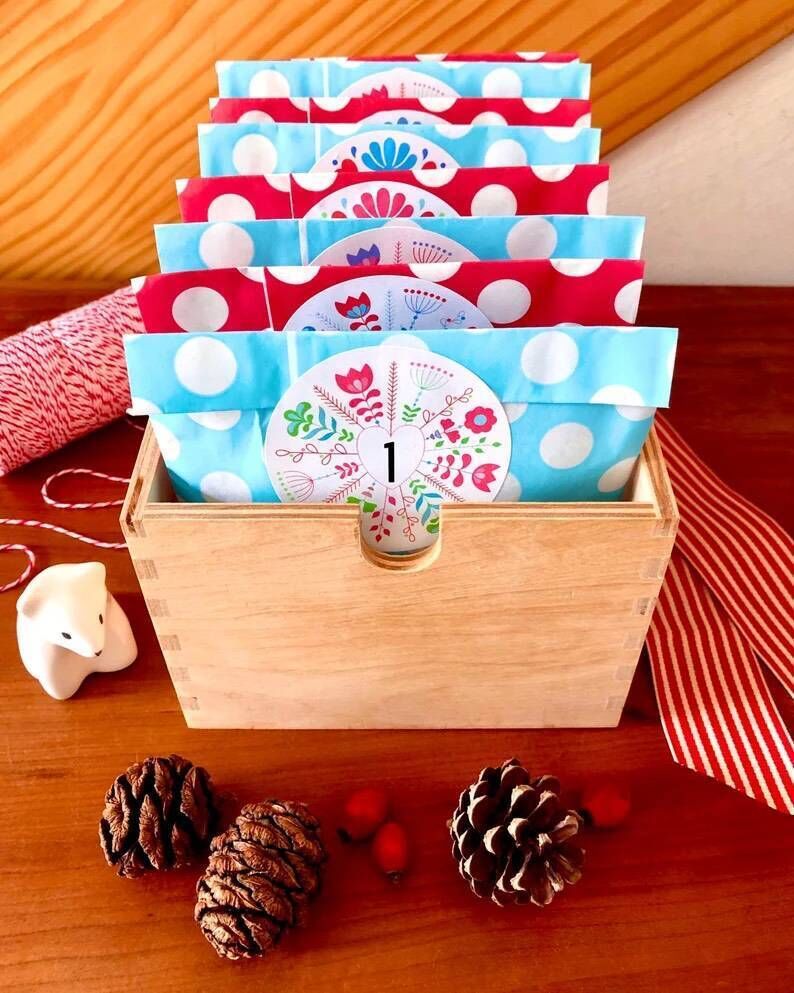
"I make and print my cards and wall prints myself on beautiful, recycled and sustainable paper. I only use minimal recycled, recyclable and compostable packaging and most of my suppliers are local," says Nadine. She also creates eco-friendly advent calendars.
@nadineloveink on Instagram
Jiminy sells a selection of made-in-Ireland toys, a rarity. These include wooden toy cars, tipper trucks, milk trucks, recovery trucks, biplanes, and helicopters. They’re all made in Galway from Irish wood. Sharon Keilthy, CEO, says that they’re incredibly popular with customers.
“There aren’t many Irish-made toys as toys are labour intensive, and wooden toys are labour intensive, so most are made of plastic,” says Sharon.
The price of non-plastic toys start from €7.99. Plastic is the very reason these Irish-made wooden toys have been such a hit with customers.
“80% of the world’s toys are made in China, and 90% are made from virgin plastic. Making toys from virgin plastic releases about six times the weight of the toy in carbon dioxide.
“We would have to plant 1bn trees to absorb the CO2 from the annual toy production industry,” says Sharon.
However, while wooden toys won't be for everyone, another eco-friendly action is to buy from an Irish toy shop as opposed to Amazon.
In Cork, there is Pinocchio's, in Co Kerry there is World of Wonder Toys and in Co Mayo there is Totally Toys. All sell online.
CONNECT WITH US TODAY



Be the first to know the latest news and updates