You think Covid is bad? Now's the time to start planning for the next pandemic
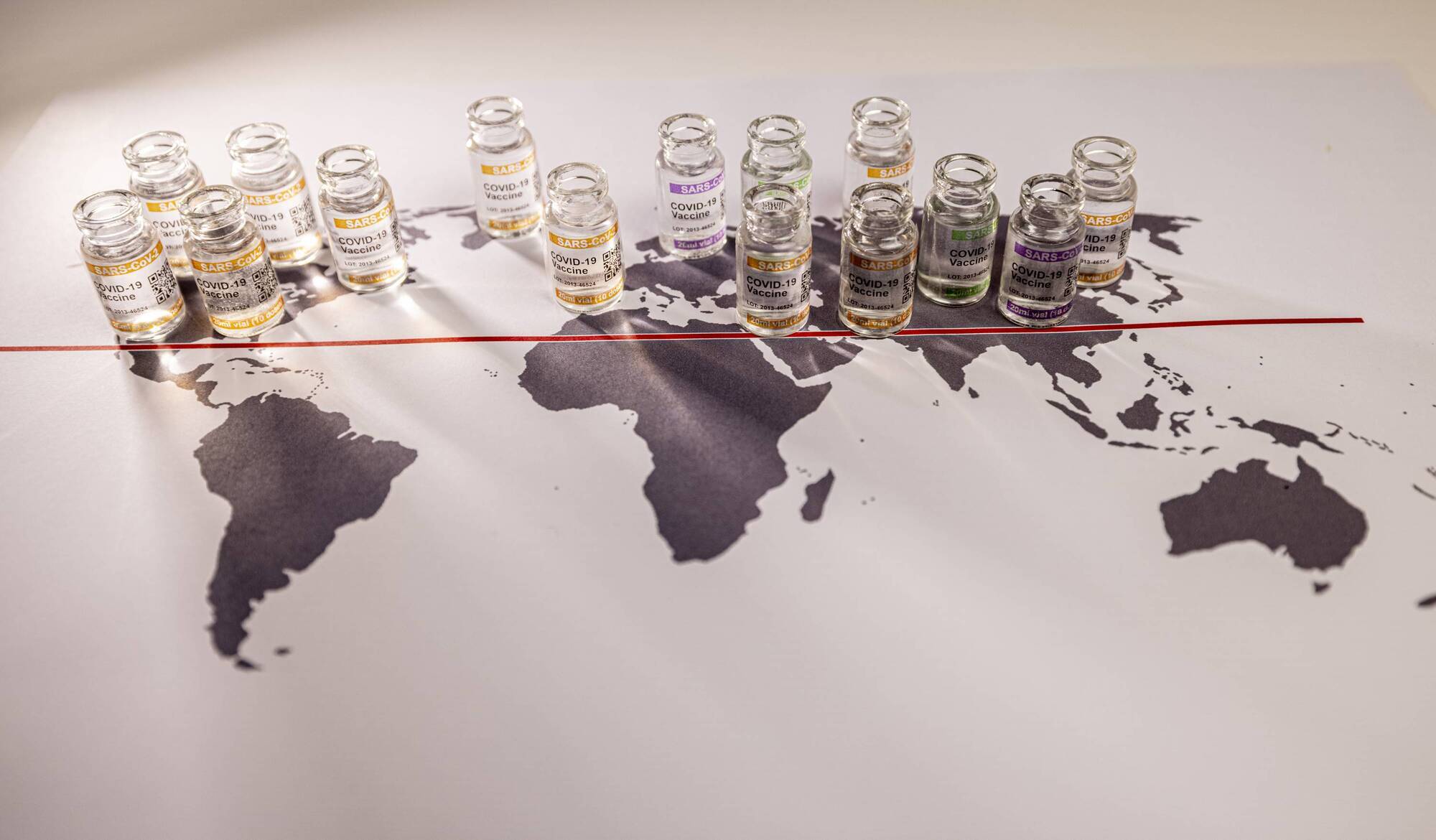
Irish expert, Greg Martin, had long warned we were overdue a zoonotic pandemic — a prediction borne out by Covid. He now warns worse may be coming. Stock picture: E Pluribus Anthony
If you think the pandemic is bad, buckle up — because there are very likely to be more pandemics on the way.
And the chances of them happening in our lifetimes are apparently as high as the chances of the next pandemic being more severe than Covid-19.
That is the opinion of a growing number of public health specialists and experts in Ireland and abroad who believe that not only do we need to rethink our lifestyle choices, but the State also needs to accept the way we work needs a radical rethink.
They say this is as crucial now as it has ever been if we are to have any chance of surviving what is in store for us over the coming years, or even months.
And that’s because these experts believe, that while vaccines can offer protection against viruses, lifestyle choices could determine how we fare in the next pandemic — and we need to start living healthier lives.
One of these experts happens to be a man who warned the world was on the verge of a pandemic a few years before it became a reality.
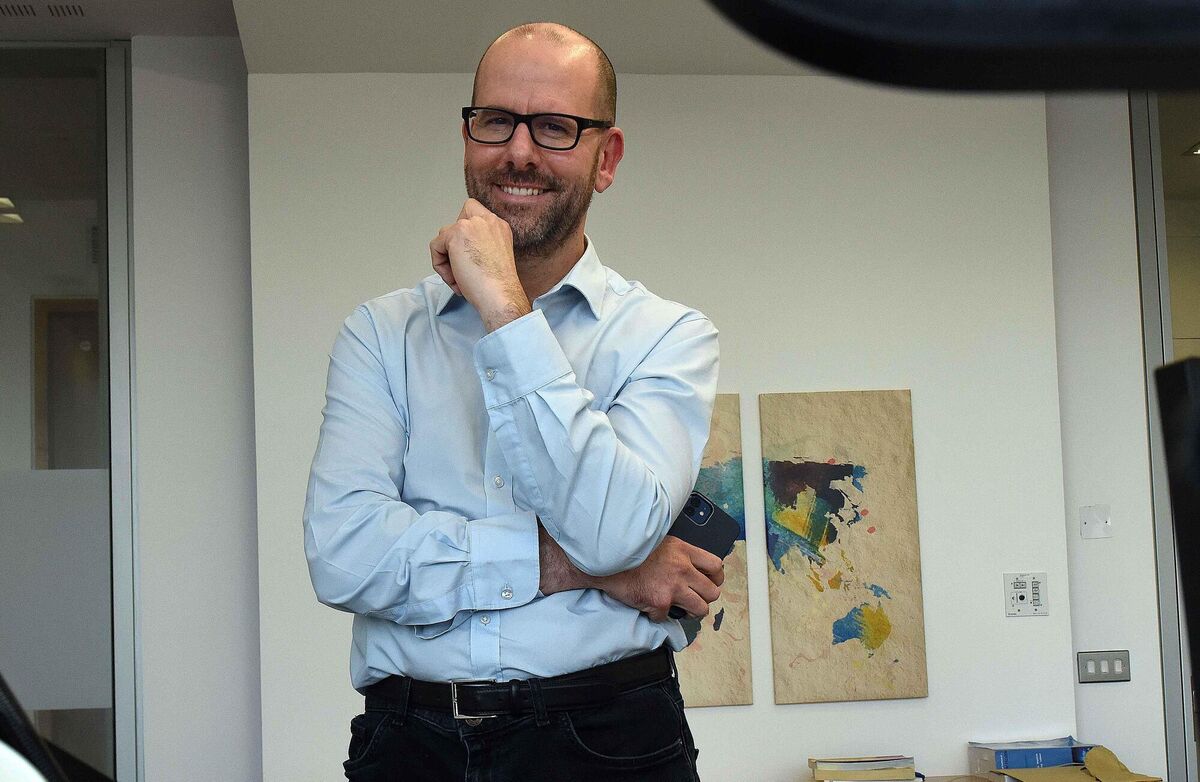
Greg Martin, the HSE’s clinical lead in contact tracing, repeatedly warned on his Youtube channel that a pandemic was imminent, but ended up being pilloried for being “alarmist”.
“I came out very publicly, but I was accused of being an alarmist,” he recalls. “But what I was saying was that a looming pandemic was due and that it was going to be a zoonotic — you know, coming from animals.”
He believes another pandemic is on the way, and sooner than we might want.
“In 2018, I was saying we were at risk of a pandemic. None of those reasons have gone away. Increased population density, increased international travel, increased deforestation, and climate change — all of these things are still an issue.
Part of his reasoning behind this is the fact that he and his colleagues see zoonotic diseases that can be spread from animals to humans “all the time”.
“The fact that we’ve landed up in a pandemic isn’t weird,” he says. “The fact that one of these zoonotic viruses got loose, and was really able to spread this widely, is not a surprise.”
And he says the ability of viruses to become “much, much more” infectious than Covid-19 is already a reality.
“There’s a whole string of illnesses that have a 100% case fatality rate,” he adds.
He muses about what life would be like in a possible future pandemic.
“A lot of what we’ve leaned on, to get through this pandemic, have been things like ‘we can get food delivered, we’ve got Netflix, we can do meetings over Teams’,” he said.
“We’ve been able to hunker down, hang in, and wait it out, to a large extent. But with the right epidemiological parameters, all of those niceties will fall away because for those things to work, you need people to physically get up and go to work.
“And we don’t know if, under certain epidemiological parameters, whether even that will be possible.
“I mean, it might be that nobody can go to work under certain circumstances. And, in which case, all of these niceties start becoming threatened.”
Dr Martin added: “I don’t want to be too melodramatic, but the truth be told, there are versions of pandemic that just basically end humanity altogether.”
However, on the bright side, he says we are in a far less risky position now than we were two years ago. This isn’t because the risks have gone away — it’s because our awareness of them has been heightened.
“Society is far more conscious of the need for pandemic preparedness,” he said.
“The resources going into this sort of thing are going to be substantial.
“If, for example, we needed to contact trace at scale, we’d be able to do that very, very quickly and we wouldn’t have to build the system from scratch again.”
!['If we had a really, really healthy population, [the pandemic] wouldn’t have played out in the same way, says public health expert Dr Ger McDarby. Picture: Ray Ryan](/cms_media/module_img/5576/2788416_21_articleinline_Dr._20Ger_20McDarby_20Health_20Specialist_20_20383.jpg "'If we had a really, really healthy population, [the pandemic] wouldn’t have played out in the same way, says public health expert Dr Ger McDarby. Picture: Ray Ryan")
While we may be better prepared in some areas, Dr Ger McDarby — a Galway-based public health specialist who works part time for the HSE and part time for the World Health Organization — thinks urgent action is needed elsewhere.
That is, she says, if people are to increase their chances of getting through this ongoing pandemic and getting through the next one.
While the number of ICU beds has become an issue during the pandemic, Dr McDarby suggests we shouldn’t get too caught up with them.
“Certainly, Ireland needed more ICU beds but fighting pandemics is more about investing in and having a strong health system,” she said.
“And if you look at the Irish health system coming into the pandemic, we were not what you would call resilient.
“We didn’t have the capacity to absorb any kind of surge and we urgently need to address this.”
As well as a better-functioning health service as a whole, she believes we also need more specialist health workers who can “pivot” between roles and be able to easily adjust to being redeployed during a crisis.
“We need to be more flexible,” she adds.
The need for greater public health awareness has been, she said, markedly obvious with Covid-19.
“If we had a really, really healthy population, it wouldn’t have played out in the same way because the virus has been much more severe on people with underlying health conditions like obesity and diabetes,” she said.
“As public health specialists, we are supposed to be active on health promotion and prevention.
“But because we’ve been under-resourced for so long, all we really have had is the capacity to help fight immediate public health crises, like measles outbreaks in schools, e.coli in creches and things like that, and that was pre-Covid-19.
“So, we do absolutely need to focus on keeping our population healthy because, regardless of what the pathogen is, it’s much more likely to be more severe in individuals who have underlying health conditions already.”
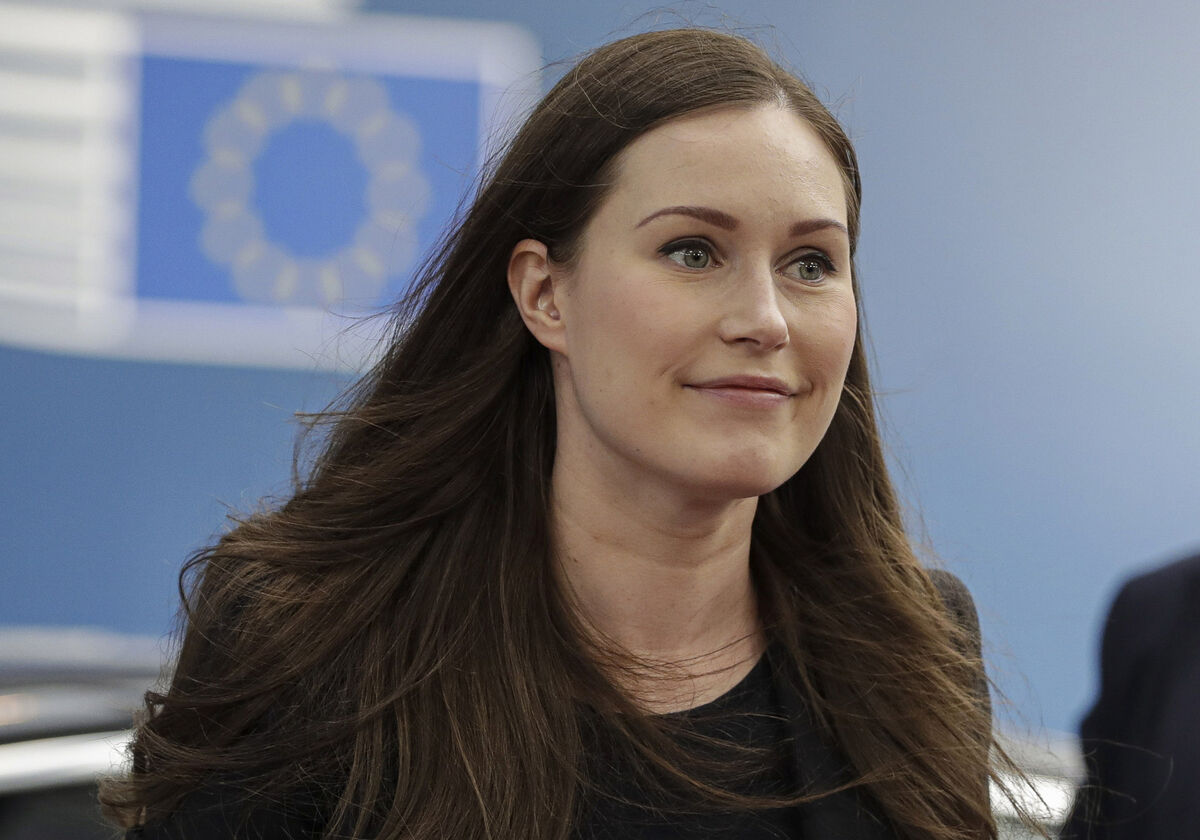
If she had her way, she would like to see not just our working days reduced but completely redesigned. As an example of what she would like to see more of here, she cites Sanna Marin, Finland’s 36-year-old prime minister who has become an ardent advocate for companies adopting a flexible six-hour day and four-day workweek.
“We need to ask ourselves why, in this day and age, we need to be tied to a desk for at least eight hours a day, and at least five days a week,” she said.
“That’s the way we have structured society — and the fact that people then have to sit in a car and drive an hour each way, and therefore have no time to cook healthy food or to exercise at the gym or any of these things.
“Yet, we are always saying people need to do X amount of exercise each day, and spend X amount of quality time with their children and make
sure they are well supported and their mental health and physical health needs are met.
“We are all supposed to eat healthily, so that means lots of fresh fruit and veg and that means you’re not going to be bulk buying — you’re going to have to go more frequently to the shop.
“You also have to be able to cook your food, and you have to be able to sit down and eat it as a family.
“But in reality, people are not being allowed to do half of what they should be doing to live healthy lives because they don’t have the time.
“So I think society needs to be allowed to structure itself better and employers need to embrace a more flexible working relationship with their employees. And we need a better public transport infrastructure.
“Also, working less hours in a day has proven to improve not just productivity for the companies where workers work less hours but helps keep workers healthier and reduces absenteeism.”
She added: “And when we are planning for healthier lives, we have to understand that not all of us have the same choices.
“Poorer neighbourhoods, for example, are less well served in general by things like public transport.
“They also are much more likely to have more really unhealthy fast food outlets than more well-off neighbourhoods. They are also less likely to have good infrastructure for walking, and lights for safety.”
And she adds: “While things can look a bit grim when you look at what might be in store for us in the near future, it is important not to lose sight of the fact that there are things we as a society and as individuals can do to help mitigate against the effects of the next pandemic.
“While it certainly isn’t all doom and gloom, it is wise to be aware that we all need to seize the opportunities that Covid has presented to us and change things.”


CONNECT WITH US TODAY



Be the first to know the latest news and updates