The accidental whistleblower who still has questions over how his case was handled
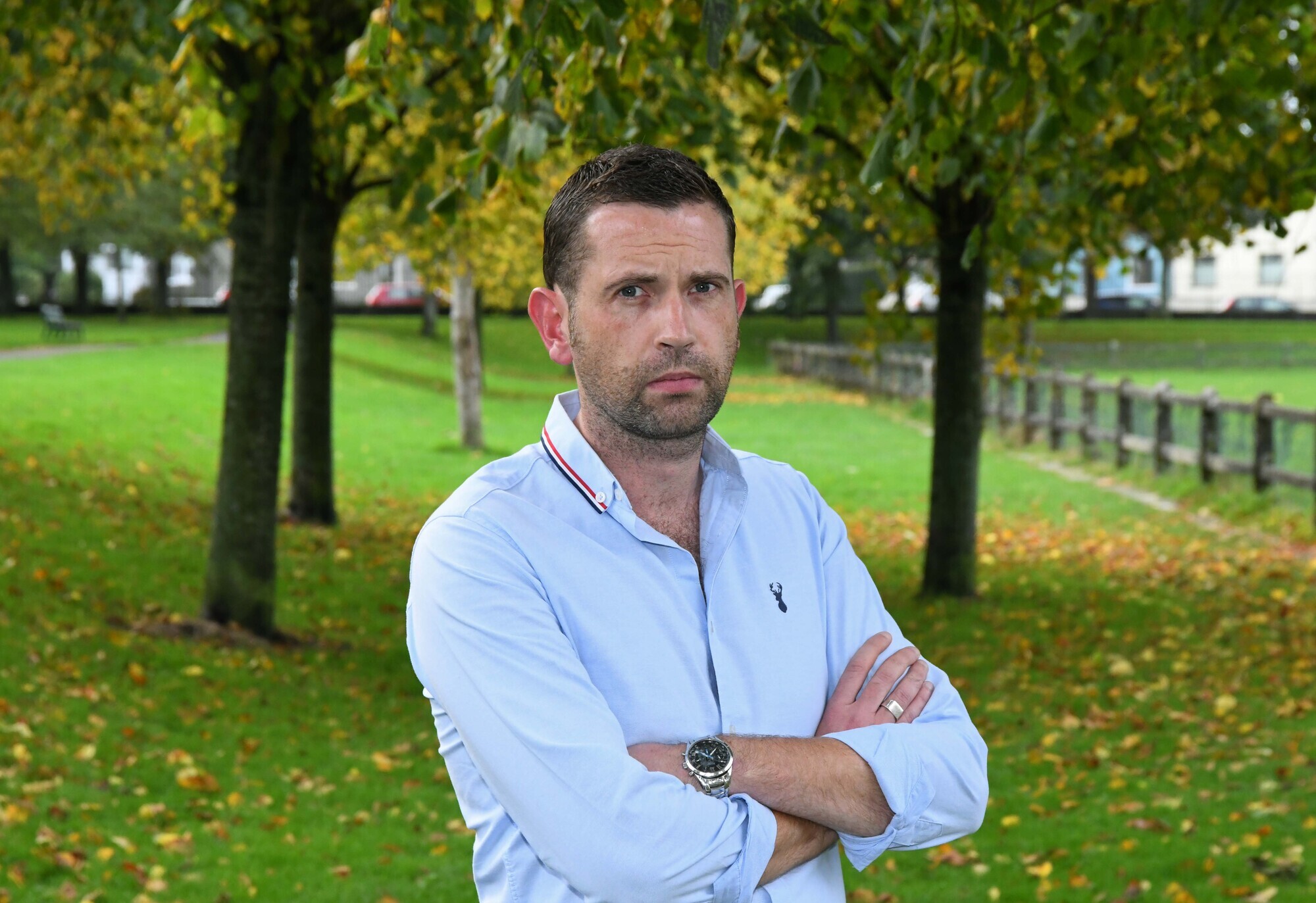
When Ciarán Kenneally worked for Tusla in 2018 he made a protected disclosure, effectively by accident — and then things got a bit strange.
Ciarán Kenneally has spent the past few years shaking his head in disbelief and says he's only started laughing again in the past few months.
"I never asked for any of this," the 36-year-old Corkman says.
"There's nothing special about me."
And yet the situation in which he found himself since the start of 2019 is remarkable.
Having worked before and since in the public sector, he was at that point with Tusla in Cork, having joined at the end of May 2018.
He says he first raised concerns with local and regional management in September of that year and handed in his notice on January 8, 2019.
The reason, he says, was work-related stress.
"I felt I had no other option as management was difficult," he says.
"I then contacted Quality Assurance within Tusla where we both concluded that my resignation would be rescinded."
He made a protected disclosure, effectively by accident — "completely" — in relation to "training and procurement and the level of clerical staffing overseeing that whole process".
And then it all went a bit strange.
Leaving aside, momentarily, the issues he was raising, and how they came to be deemed a protected disclosure, he ended up without any income for a period of four months.
This was deemed to be a technical mistake.
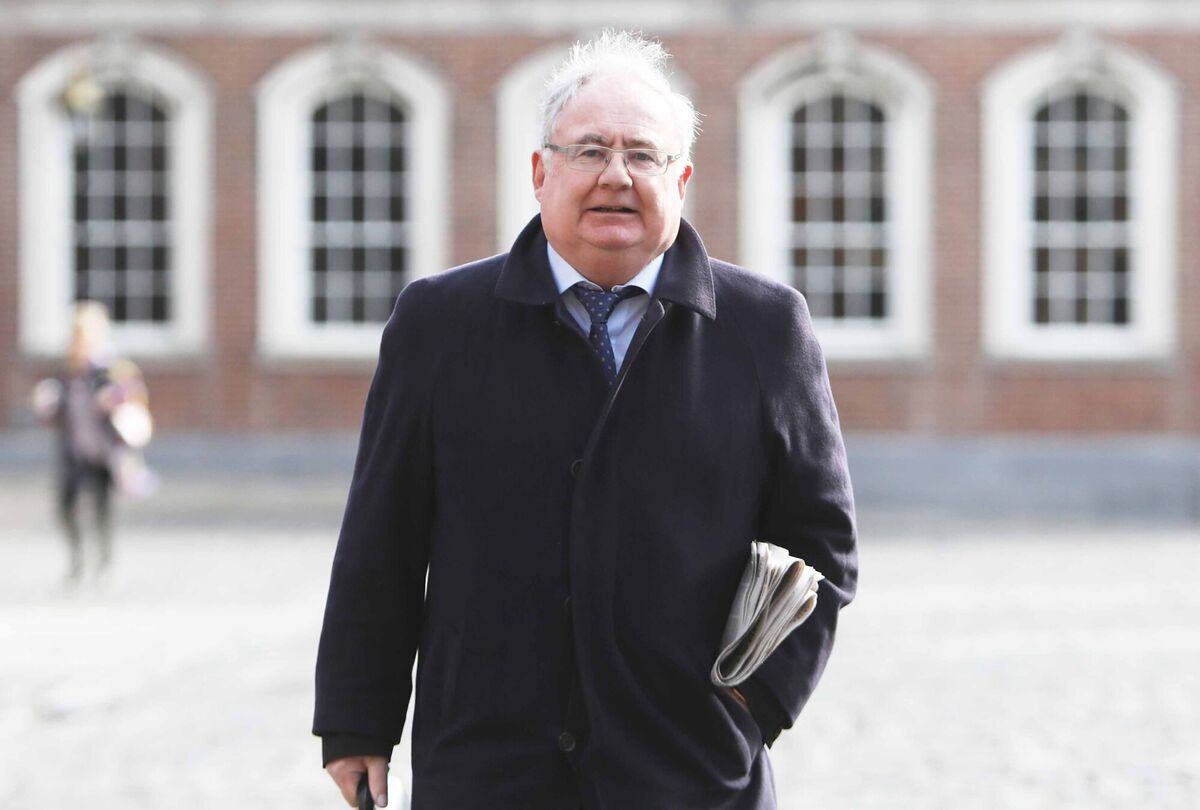
Back in October 2019, this newspaper quoted the chair of the Child and Family Agency, Pat Rabbitte, as saying Tusla would "have to examine" what happened.
As reporter, Joe Leogue, wrote at the time, without naming Ciarán: "A Tusla whistleblower had offered his resignation last January, alleging stress caused by the treatment he received from colleagues after he raised concerns about procurement issues.
"He subsequently received a letter from Tusla to inform him that its director of Quality Assurance would instead recommend that Human Resources would place him on paid leave pending the outcome of an investigation into his claims.
"However this did not happen, and the whistleblower went weeks without payment, only to discover that his original resignation had been accepted, despite the subsequent letter."
Ciarán says Quality Assurance stated the reason he was left with no income was due to an error on their SAP payment system.
However, he says data shows this was not true and claims that he was intentionally put into the system for unpaid leave.
Ciarán says he initially raised concerns which he believed could and should have been resolved with the minimum of fuss.
"There wasn't enough training and there wasn't enough staff," he says.
He concedes that, in the wider scheme of things, it wasn't a blockbuster.
"The issues that I initially raised could very easily have been dealt with at local level,"
Data he subsequently received indicates that while he was told by Quality Assurance in Tusla that he would remain on the payroll subject to an investigation, others were "manually inputting me in for unpaid leave and no one would engage with me and tell me what was happening."
This wasn't a trifling affair for him. His uncle had died and he had to try and pay for a funeral. He had no income and couldn't claim benefits.
"I was borrowing €20 here and there from everyone," he says, adding that he was defaulting on bank and credit union loans. And he never meant to make a protected disclosure in the first place.
"I didn't look for that process, I was sitting at home seeing out my notice period with annual leave and I just Googled, because I was never referred up the [next] level.
"I just Googled national HR Tusla and I got in contact with Quality Assurance and the first thing I heard about a protected disclosure was when they said they were referring it to an independent body, Raise a Concern. Who is this Raise a Concern, what is this about?
"This guy rang me, asked me in detail about what happened, and next thing I get a dossier back with protected disclosure written on the front of it.
"Sitting where I am now and looking back to the beginning of the process and I really don't know how I'm here."
He means this in two ways: Firstly, how a protected disclosure, about something which now seems relatively low key and made in good faith, sparked a series of events he still struggles to fully understand; secondly, when he was at his lowest ebb in January 2019 and dark thoughts crossed his mind more than once.
"That's how bad it was.
"I was deprived of income, you are told you are wrong by an institution, coming down on you that you are wrong."
He says at one point in a phone call he was offered his job back, along with back pay and that when he agreed to meet to discuss it through his solicitor, Tusla did not engage on that topic again.
Tusla contests this.
The matter came before the Workplace Relations Commission but was settled on the steps.
Ciarán maintains he felt under pressure at the time, with debts mounting.
Now he believes the terms of that settlement are effectively moot, as he has sourced information regarding how his concerns and his own case were dealt with.
It's something of a saga, taking in fresh information secured through the Data Protection Commission and a brief letter just over a year ago saying his initial concerns had not been substantiated, which in light of subsequent information is now again being reviewed.
He also says data he has received shows Tusla tried to have him disciplined in his absence, that it carried out what he says were unauthorised background checks on him, and sought to obtain "feedback" from a counsellor he was attending.
He never really heard what the outcome of the Pat Rabbitte-flagged review was, and the real bombshell, as far as he was concerned, was just a few months ago.
Ciarán had lodged a complaint with the Data Protection Commission alleging the potential breaches by Tusla.
According to the Tusla response: "The relevant office advises that you supplied a copy of your curriculum vitae to a business manager.
"The office also advises that in connection with your placement at Liberty Street House [a Tusla facility], concerns arose regarding your capacity in direct interaction with vulnerable service users, which appeared to be at odds with your stated working history.
"The office advises that on foot of these concerns and with reference to your CV, a Tusla employee contacted a [Cork] Life Centre staff member in order to safeguard service users' safety. This engagement identified that you were not known to the Life Centre."
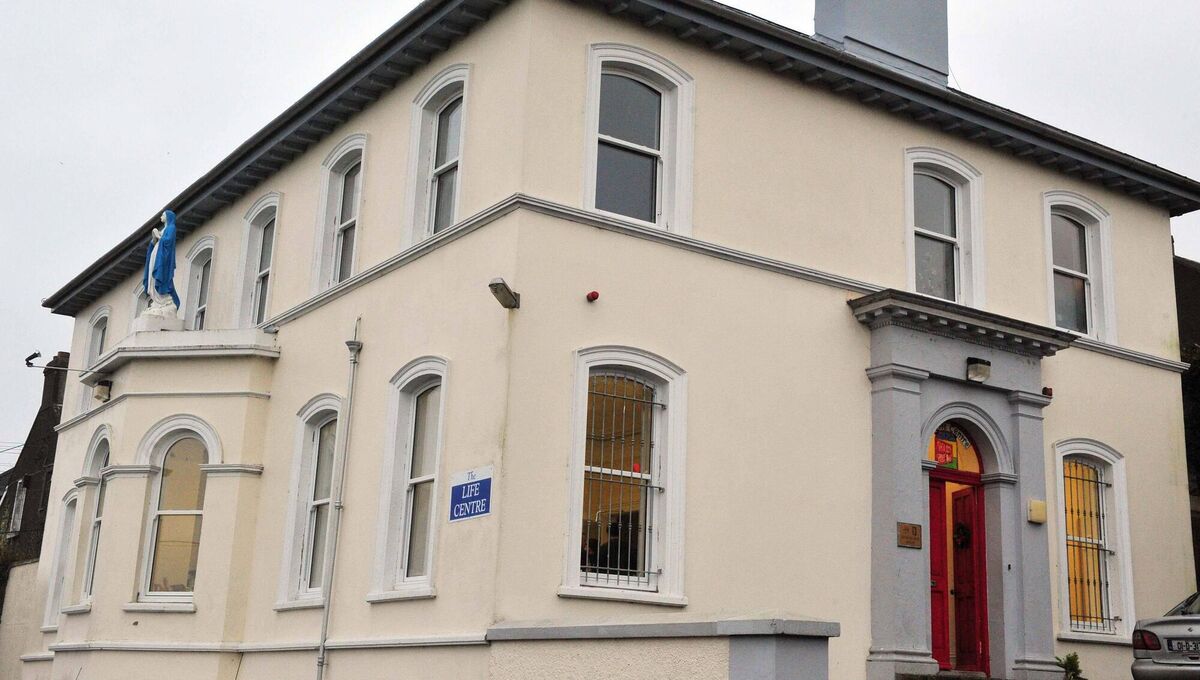
Ciarán did work at the Life Centre — a letter was quickly secured from a staff member confirming his placement there in 2013/14 as part of a diploma in youth and community work.
And as for the "concerns" about his interactions with young people, not only does he robustly reject them, but he says no one ever informed him of them until this past September, and at no stage did they appear to have any impact on his role within Tusla while he was there.
He describes the development as "sinister".
Allowing for the fact that his initial disclosure was not substantiated, but is now being reviewed, he says it was never a "willy-nilly" claim and that if the system wasn't robust enough to deal with his concerns in a straightforward way, it raises the question as to whether they will function properly for others, who may be raising more pressing matters.
As for the settlement and why he is speaking out now when he could leave it be, he says: "I was made feel guilty about everything I have done up to date."
The Public Accounts Committee are aware of his case, although it's not clear whether they intend to examine it.
Irrespective, Ciarán says he wants to have his say. "I still have no answers to anything.
"It was the most difficult stage of my life. The process took me to a very dark place where I just didn't want to live."
All of Ciaran's assertions and claims were put to Tusla and in a lengthy response it said "the former employee did work for the Agency for a very brief period" and that "the former employee did resign and as this was at the same time as lodging a matter raised as a protected disclosure there were differing views as to how to respond to the resignation."
This notwithstanding when the then-new CEO became aware of the issue of resignation in late 2019 the former employee was offered to rescind the resignation, have back pay issues addressed and return to work.
"The former employee decided not to pursue this route and following a claim to the WRC the former employee decided to enter into an agreement including confidentiality of settlement regarding non-return to work in the Agency and all associated matters.
"The Agency ensured financial contribution to the legal costs of the former employee to ensure the person fully understood the nature of the proposed agreement."
A spokesperson said: "Some time later the former employee sought to re-open matters and this was not agreed to however the person was provided with the facility to have their protected disclosure outcome reviewed in accordance with policy.
"This review is ongoing and the former employee is aware of the extent the Agency has and is going to facilitate all of the former employee’s concerns including new information put forward by the former employee.
"Additional oversight to the new and historic information has been addressed by Tusla to the DPC (Data Protection Commissioner) and also in extensive written detail from the CEO to the Public Accounts Committee where the former employee also raised concerns."
"The outcome of the review of the Protected Disclosure will be made known to the former employee in the earliest possible time and it includes an assessment by the original investigator of ‘new information’ put forward by the former employee in which it is asserted that may have altered the outcome of the original investigation. If it does alter it Tusla will respond to that appropriately."
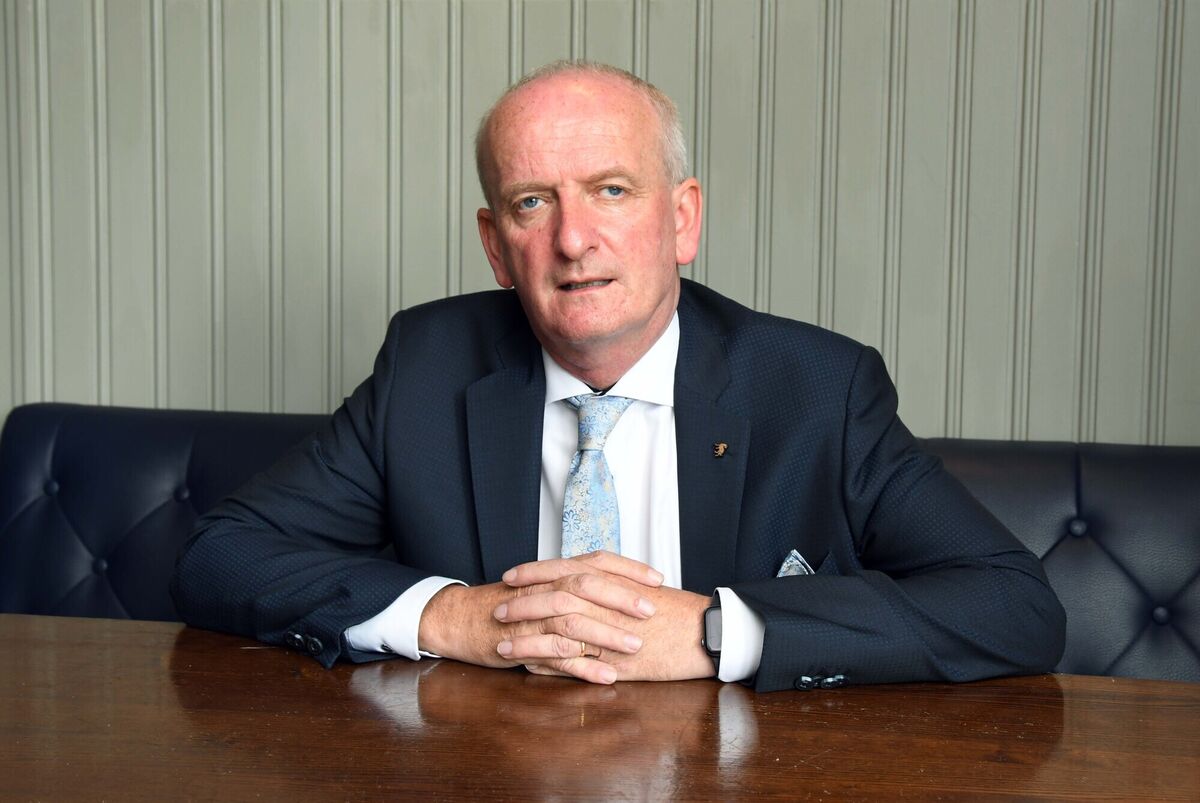
Bernard Gloster, the CEO, of Tusla, said: “The former employee may well have issues regarding their employment with Tusla which predates my time with the Agency.
"However, I am very clear that any matters raised since with me have been fully, fairly and objectively considered and they continue to be.
"If any fault is detected that was not previously known that too will be responded to in the same fair-minded way.
"I am satisfied beyond doubt that the former employee is receiving absolute fairness at this time.”
Could it be that a few bad decisions led to bad outcomes and things went awry? How does one man's HR situation become so tangled and messy? When will the outstanding questions be answered?
Technically, Ciaran signed a settlement that could see him on the hook for €200,000 if in breach. He says some questions still need to be answered.
According to Ciarán: "There were days I was questioning myself."
But not anymore.

CONNECT WITH US TODAY



Be the first to know the latest news and updates