On the frontline: How our health service is coping in wake of cyberattack
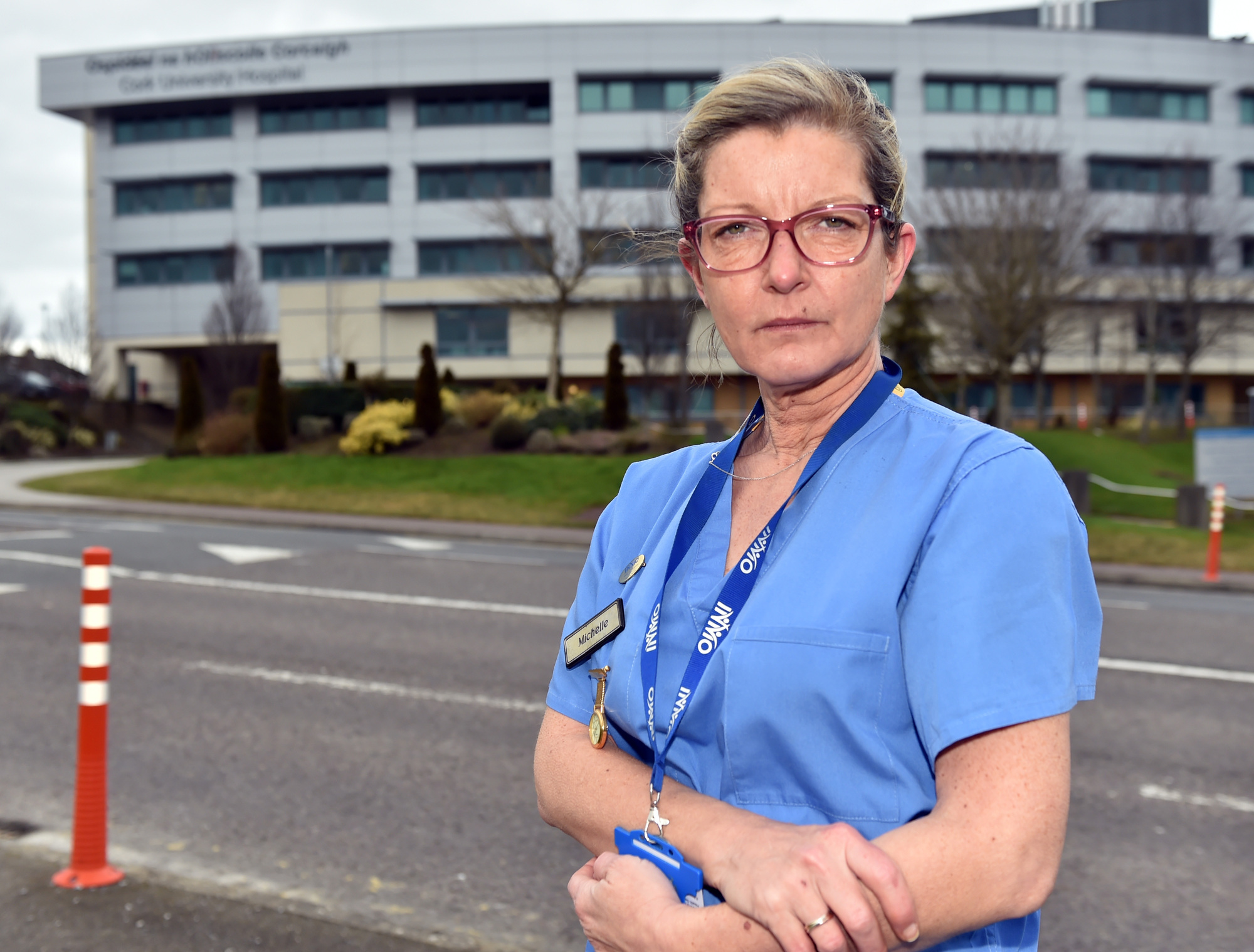
Michelle Kingston, an emergency department nurse at CUH. Picture: Eddie O'Hare
It has been an unprecedented week for patients and staff across Ireland’s health service, with a cyberattack causing systems to revert to 1970s levels of technology.
It is a further blow to morale for health workers already exhausted by the pandemic, while patients anxiously wait to find out when their treatment can proceed.
Some of them tell there story here.
The emergency department at Cork University Hospital had no option but to go back to basics with paper charts when the cyberattack shut down systems. Emergencies continue, whether it is a Covid outbreak or a cyberattack.
Emergency department nurse Michelle Kingston said: “It was a nightmare.”
She usually relies on near-instant laboratory test results for her patients.
“There were only so many tests per hour the labs could do,” she said.
“Then, in triage, we had to decide what is a case of life or death, that’s where your skills come in.”
Patients arriving by ambulance had to get a temporary number, and handwritten charts.
Ms Kingston praised the care assistants who made calls to patients and worked on charts with the hospital clerks, saying: “The care assistants were doing overtime. They did phenomenal work.”
Back at work today, she is expecting more paper charts and stickers everywhere. Even phone calls to other wards now involve a walk, or more likely a quick jog.
She said some patients are still arriving at the hospital not knowing what is happening.
She said: “I don’t think the public realises how hit we were … this could take months to rectify fully.”
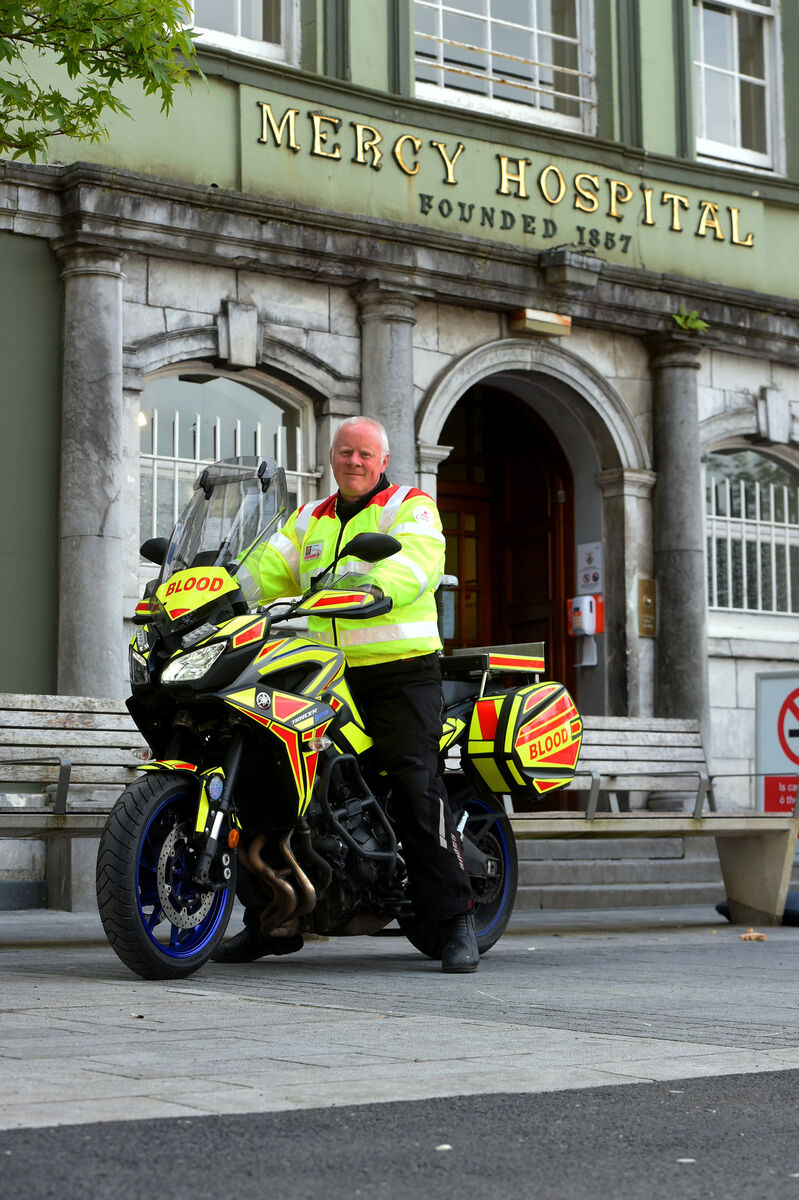
Every evening at 7pm, volunteer bikers wait for a call from hospitals in Cork or Clonmel. When other couriers sleep, Blood Bikers South carry test specimens and breastmilk around the country.
But last week, their cargo was mainly paper files.
Group chairman Martin O’Driscoll said: “The first couple of days there was a lot of traffic back and forth between all the hospitals, maybe triple what it would normally be.
“There are more files this week than we normally would have, that was the big difference, really.”
In normal times, a file might only occasionally need to follow a patient who was transferred by helicopter to Dublin, or as a backup to an electronic file.
Mr O’ Driscoll said: “The person on Monday night was kept going all night, really.
“Usually there would be a drop-off about 11 o’clock at night and then you get a call really early in the morning when shifts change over, but he was kept going all night. Back and forth a lot.”
Hospitals prefer to use the bikers at night as they are cheaper and more efficient than taxis or sending an ambulance empty but for a tiny vial or file.
Mr O’Driscoll said: “The hackers really disrupted everything in the health service.
"It was an appalling thing to happen, I can only imagine the nightmare."
Donate to support BBS here.
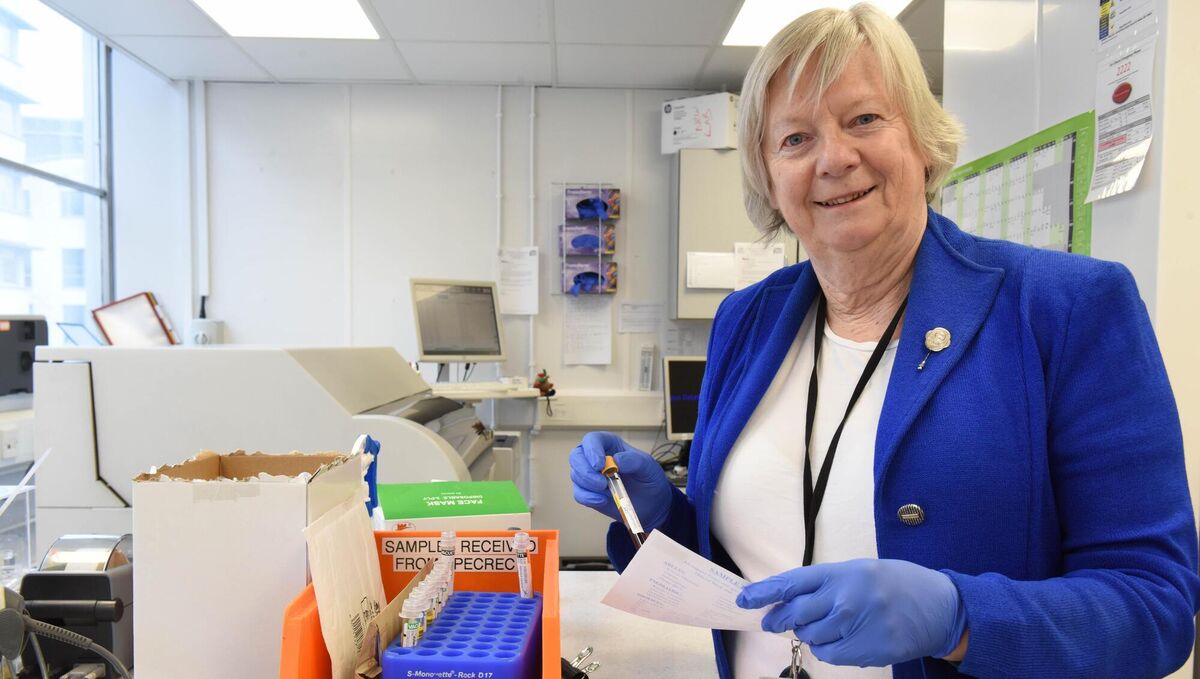
Hospital laboratories were immediately affected by the cyberattack. Computerised decades before other sectors of the health system, each lab sends out thousands of results every day.
The Academy of Clinical Science and Laboratory Medicine represents medical scientists nationally.
Council member Marie Culliton said more modern hospital systems held on central servers were worst affected.
“Some of the hospitals are back to pen and paper, they are writing results down off screens, and it is really, really scary,” she said.
Ms Culliton, chief medical scientist at the National Maternity Hospital, said some biochemistry specimens must be tested within 24-hours and Haematology within 48 hours. Other tests as for patients using Warfarin must be done within four hours.
The NMH is one of just four maternity hospitals — with Cork University Maternity Hospital, Kerry University Hospital, the Rotunda — using an electronic-only system.
NMH has its own firewall, which protected its laboratory information system, and continued seeing patients without a break.
However access to the HSE patient administration system and the electronic patient record is blocked. So paper charts had to be re-created, and forms or labels hand-written.
“The bottle is round so it is not easy to write on the bottle. You have to label the specimen that takes time,” Ms Culliton said. “Then it comes to the lab and we have to read the bad hand writing.”
Covid-test reporting is also affected nationally, she said. There are about 20,000 tests done daily, and now recording of these names and numbers is being done on paper.
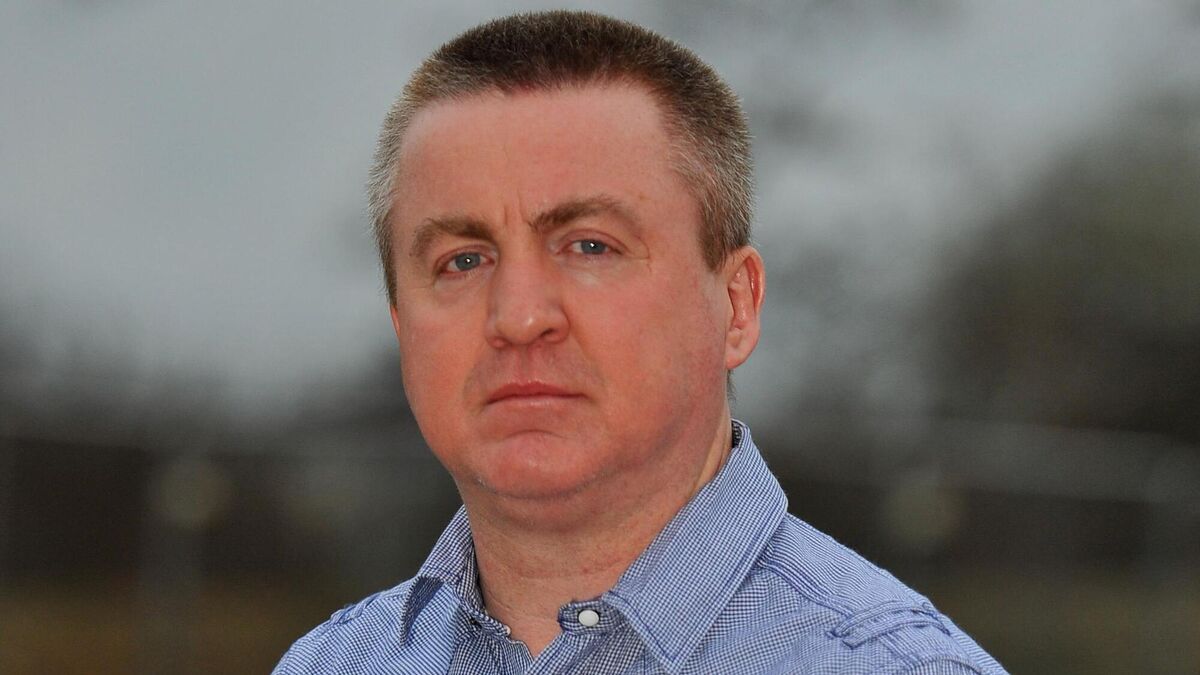
Mental health staff in Cork have watched this hack with great fear, knowing their underfunded service often operates on old computers and networks.
Siptu shop steward and mental health nurse at Cork University Hospital Des McSweeney said he cannot stop thinking about the patients.
"It must be very frightening that unknown people have all your most intimate thoughts and feelings, fears and hopes,” he said.
Computers were also down across community services, including the Child Adolescent Mental Health Services (CAMHS).
Mr McSweeney said: “Nurses are already getting concerns expressed from clients about sensitive mental health data stored by the HSE.”
Nurses, he said, are worried that individual clients could be pressurised by hackers if this data were to leaked online.
In Finland last year, private therapy company Vastaamo was hacked, and thousands of patients filed police complaints after receiving blackmail demands.
“The more I think about it, the client's mental health data contains the most sensitive personal data and should have been protected by the HSE at all costs,” he said.
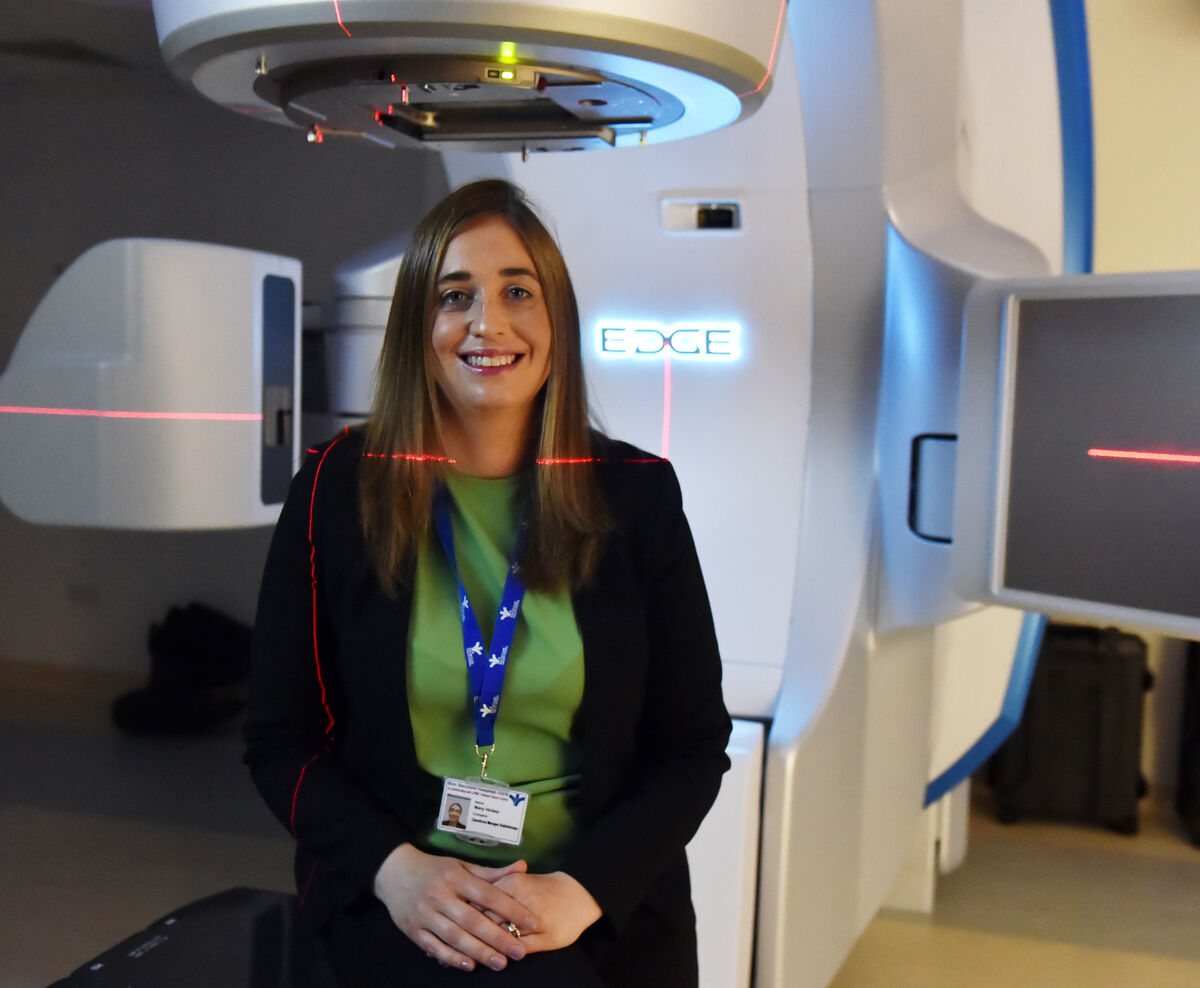
Radiotherapy looked likely to grind to a halt at CUH on Friday when systems shut down. But just down the road, staff at the private UPMC Bon Secours Cork Cancer Centre swung into action.
“It’s so important when we are all neighbours to help,” said Mary Hickey, operations manager at the centre.
By Saturday, arrangements were in place for CUH patients to get emergency treatment at the centre. And since Thursday, CUH staff and their 110 patients have been based at the centre.
Radiotherapy uses high-energy radiation to kill cancer cells, and is used for a range of cancers including brain tumours, prostate cancer, and gynaecological cases.
It is the only Munster site offering the specialised stereotactic treatment, so arrangements were in place previously for CUH patients to access this.
The working day is being expanded at the centre to make time for both teams to access theatre, starting from 8am and running late into the evenings and every weekend.
“When this happened last Friday, all of these poor patients were at home wondering when will we get back on track, so we are happy to help,” said Ms Hickey.
There is no end date as of yet for this shared service.
Updates on CUH cancer services are on the hospital website.
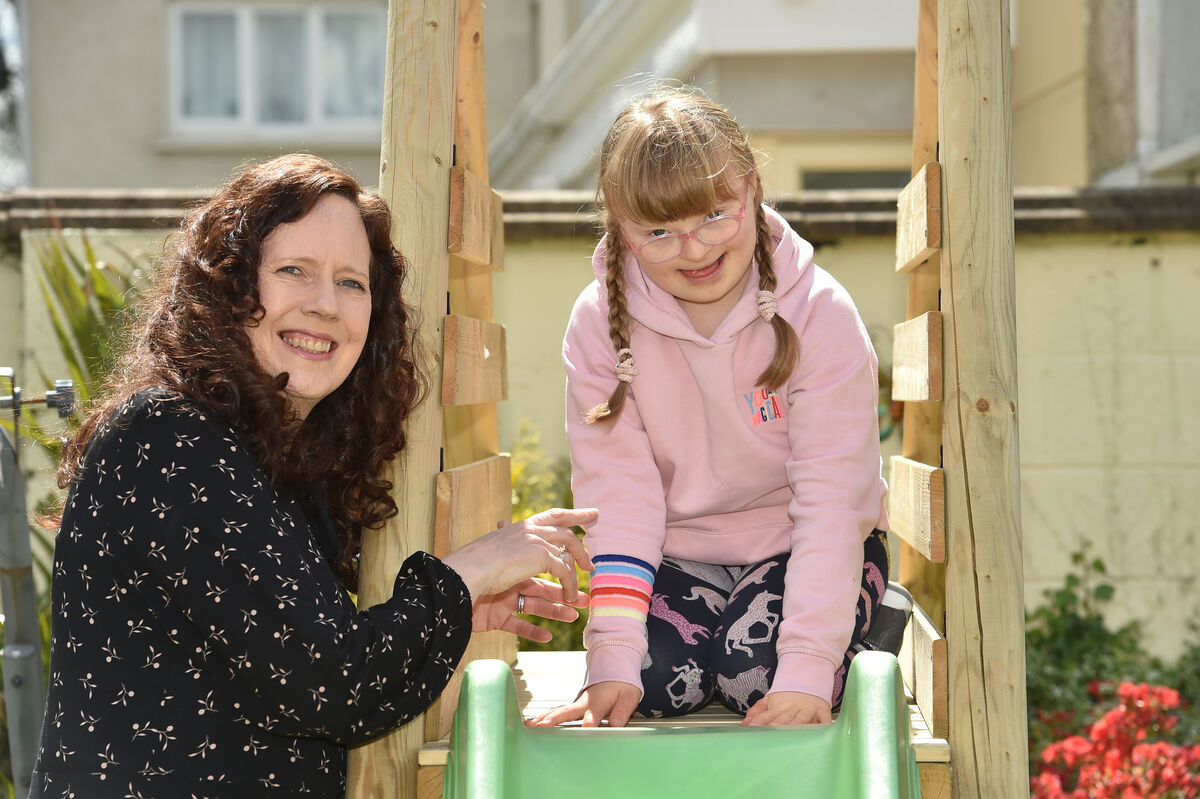
Eithne Hayes, mother to 10-year-old Tara, could not believe the news of the cyberattack.
“It is just one thing after another, you know? Covid, and now the ransomware attack,” she said in disbelief at the situation. "You’d be worn out from it all."
They were due to attend an outpatients clinic in CUH for Tara’s monthly blood tests last Wednesday.
Ms Hayes, a member of Down with Arthritis, an advocacy group for children and adults with Down Syndrome Associated arthritis, is a former medical laboratory scientist.
So she is well aware of the challenges staff are now facing.
After contacting CUH on Monday last week, she found out Tara’s blood test was cancelled.
Tara was diagnosed with arthritis in 2019 and her treatment involves the immunosuppressive drug Humira to treat the inflammation.
“The danger is if it suppresses her immune system too much, she won’t be able to fight any common infection,” said Ms Hayes.
If Tara’s immune system is stable, her parents administer her Humira dose at the direction of the paediatric rheumatology department in Crumlin Children’s Hospital."
When she told the staff in Crumlin about the cancelled test, she was informed Tara could still receive her Humira dose, but that the blood tests would need to proceed as soon as possible.
Describing the cyberattack as "unbelievable”, she said: "It kind of feels like it is hitting the most vulnerable — I think it's just despicable how they could do it.
“It's heartbreaking — and not just for Tara, but for everyone else; people who had appointments for chemo.
“The whole system is creaking under the pressure because of the Covid, so it's very hard for them to try and get back, they were only just getting back before this.”
Elsewhere, the mother of an eight-year-old boy waiting on blood tests, an MRI and an echocardiogram has said the disruption caused by the HSE cyberattack is “so frustrating on top of everything else”.
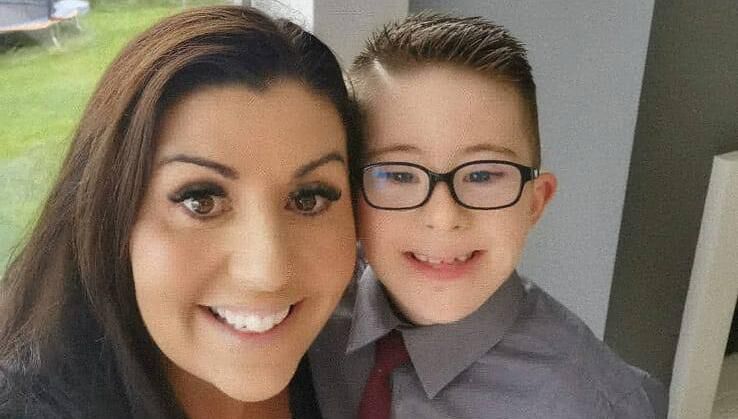
Gillian Byrne, from Kilworth, Co Cork, was speaking after her son, Keane was due to have his procedures last Friday after previous delays but his family was informed by the CUH that the appointments had been cancelled.
Covid-19 resulted in the cancellation of two of Keane’s previous cardiology exams in April 2020 and April 2021. He also needed to attend Crumlin Children’s Hospital after developing long-Covid symptoms following a mild case of the coronavirus at Christmas.
“It's the most vulnerable people again being targeted,” she said.
A member of Down with Arthritis, an advocacy group for children and adults with Down Syndrome Associated arthritis, she said has every sympathy for nursing staff grappling with the disruption and said administrative staff couldn’t even contact her if they wanted to.
“Their hands are so tied,” she said, “Their hearts are broken because they can’t do what they do best, [...] It’s making their jobs, if they're not hard enough, even harder,” she said.
After a year of the pandemic, Ms Byrne said the latest blow of the HSE cyberattack is just another barrier and has “huge delays for children”.
“It’s just delaying everything again, the constant waiting and constant referrals, to then get a referral for them to say ‘Yes he needs an MRI’, it’s 30 steps to get any way forward,” she said.
She is worried about other families and vulnerable children and said the cyberattack is just “heartbreaking”.
The cancellation of Sharon Faning’s appointment with a rheumatology nurse in Naas General Hospital last Monday left her furious.
“I feel there’s nothing like a face-to-face appointment,” she said.
"It's OK talking to somebody over the phone, but until they actually see you and see how you are walking and see how your body is, it’s not really an appointment."
The Kildare woman has been living with rheumatoid arthritis for six years. She has been on a waiting list to see an orthopaedic consultant at Tallaght University Hospital for a hip replacement.
“At the moment, my body is completely twisted to try and protect this bad hip,” said Ms Faning.
"I was absolutely frustrated.”
Ms Faning’s prescriptions have also been disrupted as these are issued from the hospital to her local pharmacy.
She is also concerned about the impact of the cyberattack on hospital waiting lists.
“I'd love to know what’s going to happen to the waiting lists,” she said. "What way are they going to come back?"
CONNECT WITH US TODAY



Be the first to know the latest news and updates