Cork/Limerick Motorway: Objectors to M20 plan have a raft of concerns
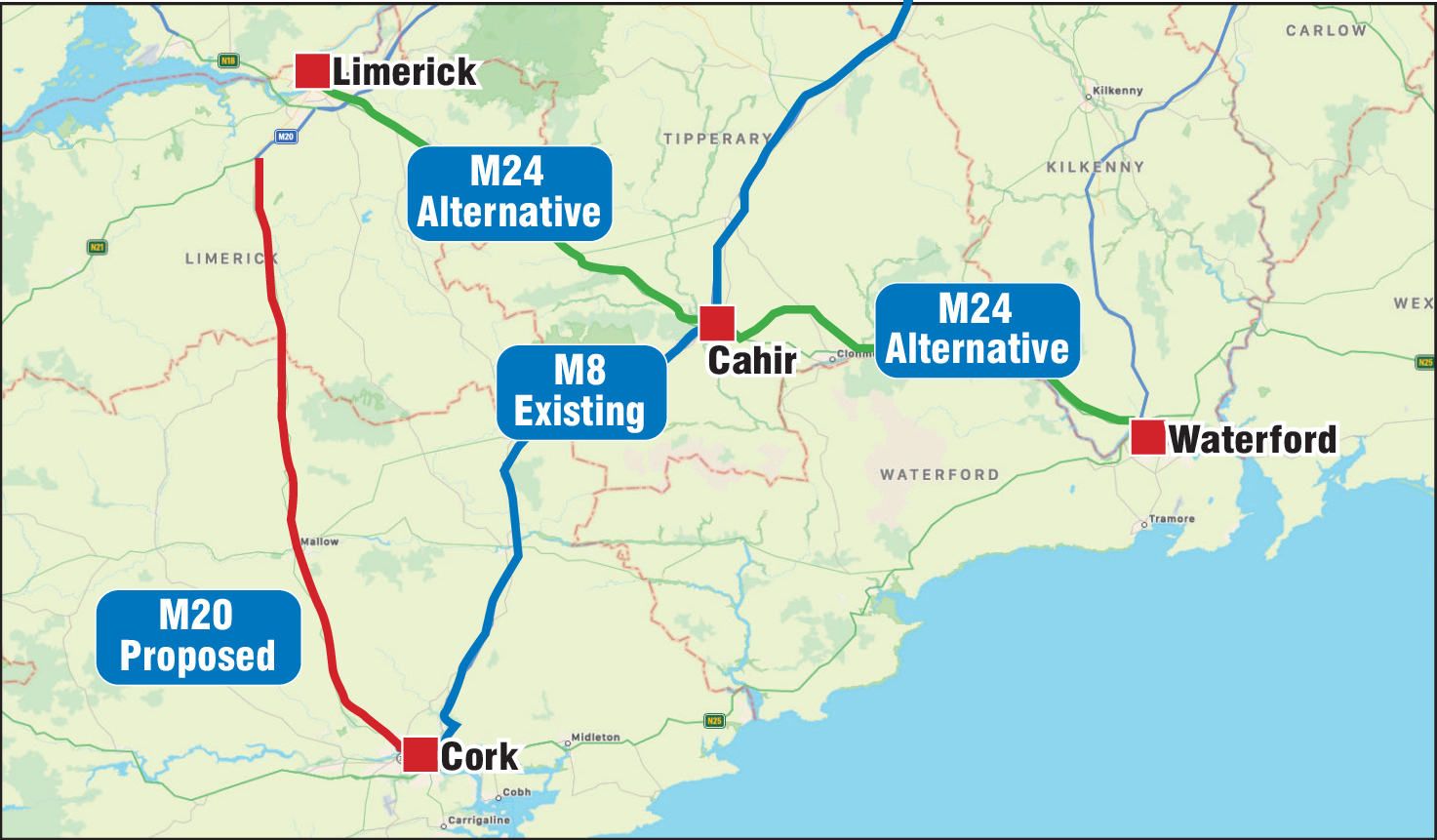
A map showing the proposed new M24 route that would connect Waterford to Limerick and serve Cork through the M8 junction in Cahir. Removing the need for the proposed M20 motorway direct from Cork to Limerick.
Apart from being trumpeted “a waste of money” amid massive State-borrowing to combat Covid-19, those objecting to the proposed Cork-Limerick motorway (M20) claim it will have a serious impact on wildlife, the environment, the well-being of school children, farming livelihoods and a very possible rise in Bovine TB.
Serious questions over the astronomical cost of the project have also very recently come to light. Minister for Transport Eamon Ryan believes the cost of the project has more than doubled from initial projections, saying it’s now somewhere between €2bn and €3bn.
Objectors to the M20 are varied and from all walks of life. They say adults and children with autism and sensory issues will no longer be able to enjoy the therapeutic effects of a horse-riding school, one farm will become “unviable” after being cut in four; it will run just 50m from another farmhouse, and two school principals have also raised concerns for their charges.
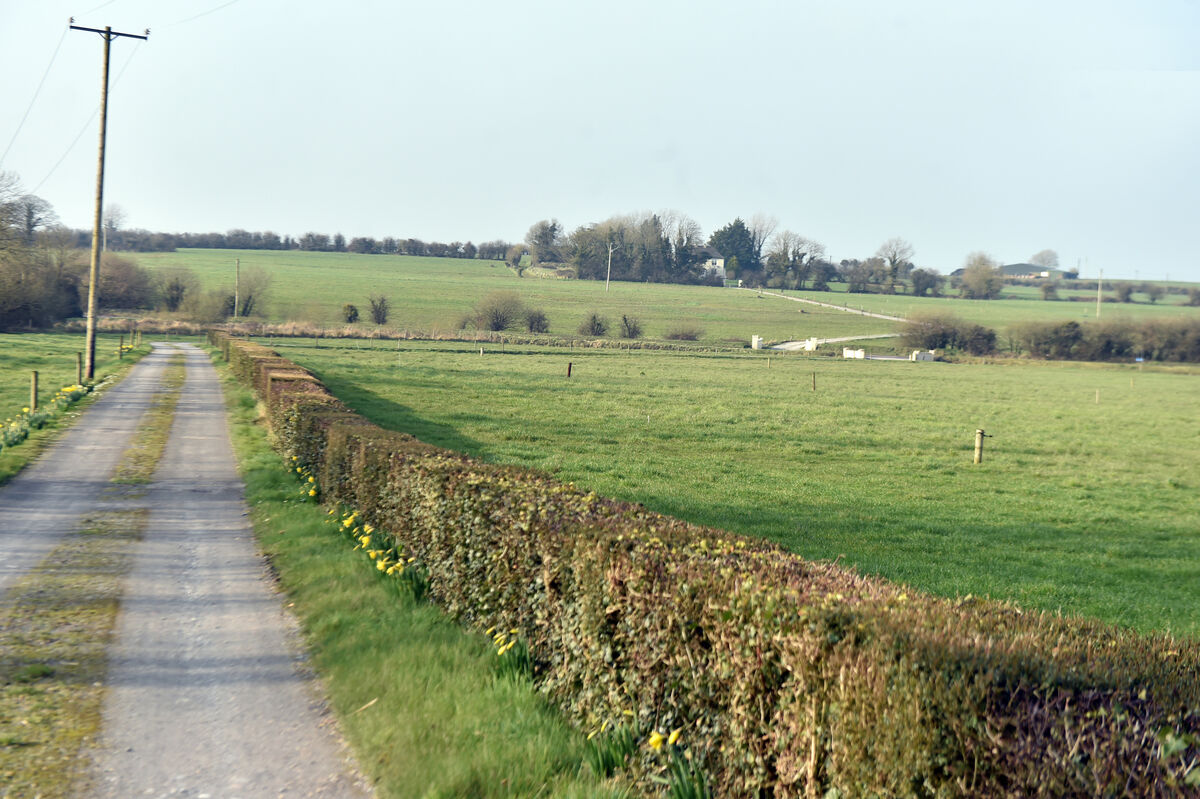
One of them has challenged the project design team to look his pupils in the eye and say there will be little or no impact from building a motorway in a scenic valley just a few hundred yards from their school.
While many public representatives in both cities are clamouring for better connectivity to enhance business growth, there's a growing groundswell that the M20 is not needed to achieve the objectives outlined. Those standing opposed contend these aims can be met in a far more cost-efficient and less impactful way, especially during a pandemic and the resultant economic downturn.
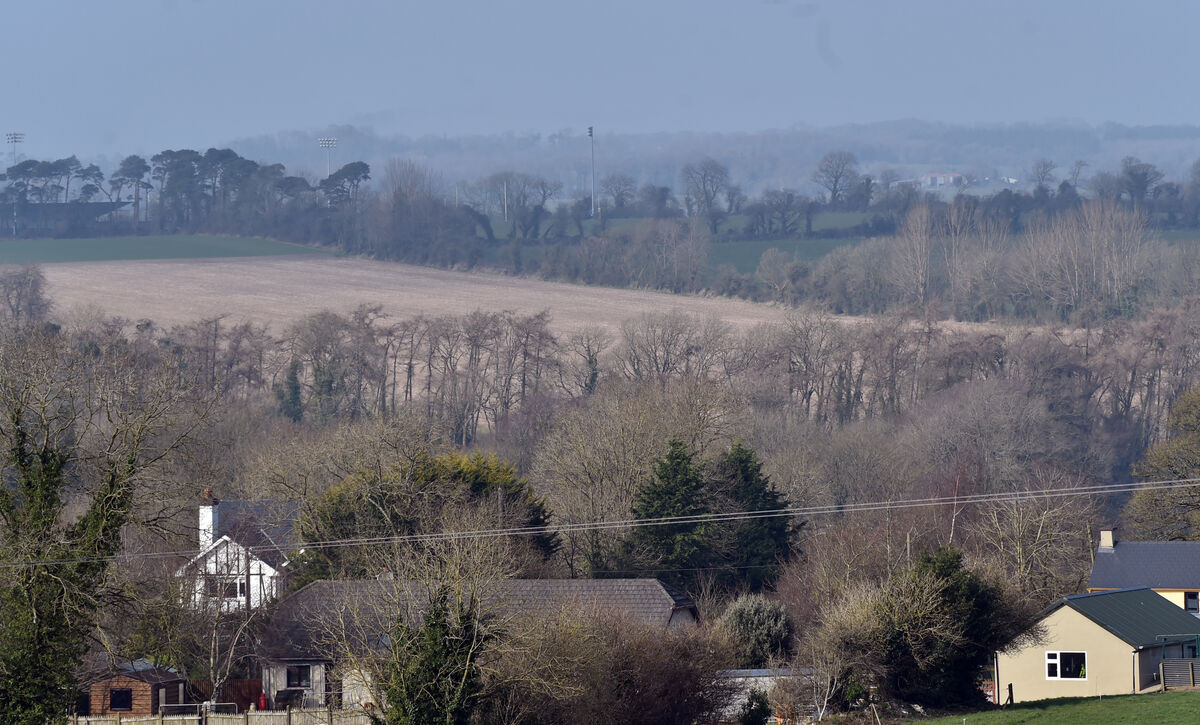
Some of the 2,000-plus people who have made submissions on the N/M20 project are members of the anti-M20 Cork-Limerick Alliance Group (CLAG). They include farmers, environmental campaigners, doctors, teachers and businesspeople.
Their views have been summed up by CLAG chairman Brian Hyde who is seriously questioning the justification for the new M20 motorway.
“According to Transport Infrastructure Ireland (TII), the capacity of a motorway is 57,000 vehicles a day, yet the number of vehicles travelling directly between Cork and Limerick is around 3,000 daily so the proposed construction of the M20 is like using a sledgehammer to crack open a nut."
“The new work from home legislation has even been enshrined in Irish law so the argument for a new motorway becomes weaker still.” CLAG is also questioning the lack of big picture planning. Mr Hyde believes it makes far more sense to use the infrastructure we already have.
"The existing M8 Cork to Dublin motorway is currently under capacity so why not join the Cork-Limerick traffic up with that. It would take Cork-exiting vehicles along the M8 as far as Cahir, Co Tipperary and then on to Limerick. And it would maximise the return on investment in the underutilised M8,” Mr Hyde said.
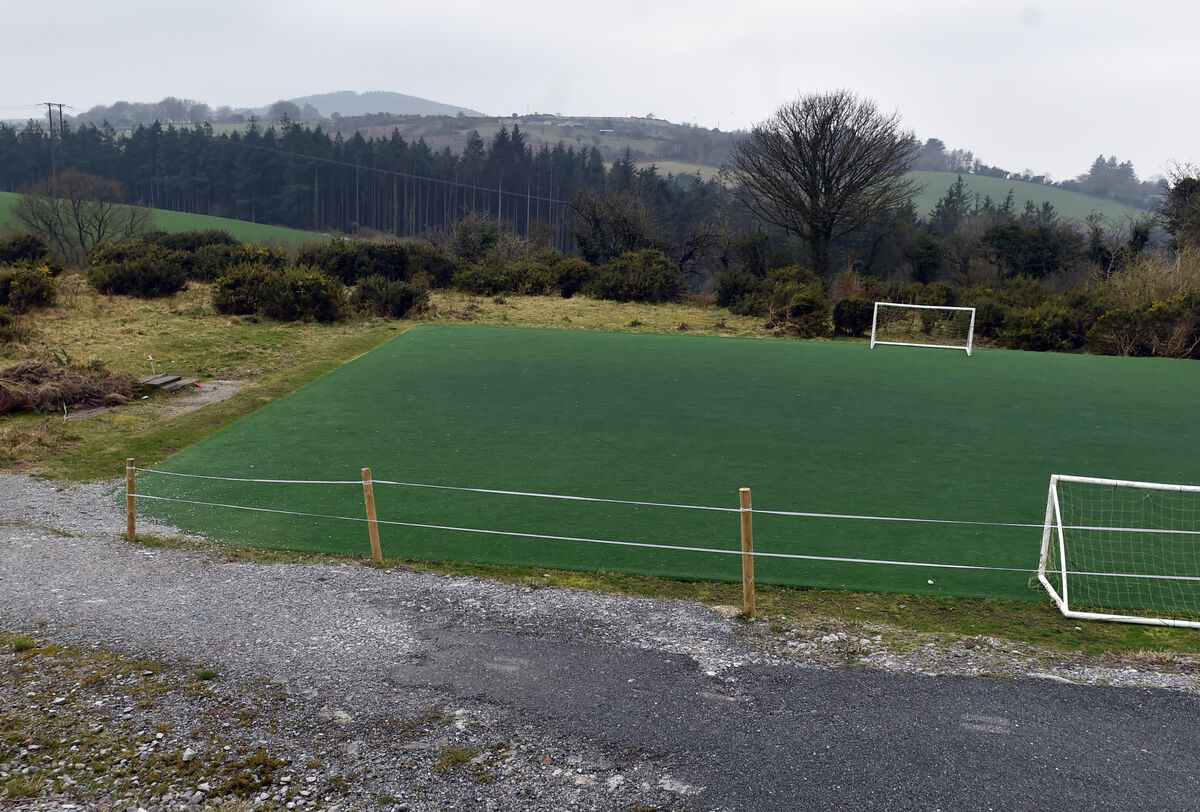
He points out that plans are already underway to develop the Cahir to Limerick Junction road, which is a distance of 35km.
“It means only another 20km of road development is needed to connect Limerick Junction to Limerick City. And if the Cahir to Limerick road was developed to motorway standard it would connect Cork and Limerick via the motorway and cost a fraction of the €2 to €3 billion the M20 is going to set the country back.”
When questioned about the difference in travel times, Mr Hyde points to a submission made to the Draft National Planning Framework by Tipperary County Council, supported by Waterford City and County Council and Kilkenny County Council in 2017, which advocated upgrading the N24 to motorway standard (M24).
“That submission showed that travelling from Limerick to Cork via the proposed M24 would only be nine minutes longer than going via the proposed M20.”
Mr Hyde is also keen to highlight one other major consideration that cannot be overlooked in relation to any travel time saving on the M20 – the inevitable huge bottleneck of traffic that is going to be caused in Blackpool as a result of the current M20 planning.
That's unless the proposed northern ring road around Cork - which would connect the M8 north of Glanmire with the Mallow road, N22 (Cork-Kerry road) and N71 (Bandon/West Cork road) - is completed prior to the opening of the M20.
"If not all incoming traffic to Cork on the proposed M20 will collect at Blackpool, which is already congested as it is. That will very quickly cancel out any projected travel time saving on the new road. It’s another reason why connecting Cork and Limerick up via the M8 makes far more sense. That traffic would enter and exit at the Dunkettle Interchange, which is far better positioned to handle traffic flows."
He maintains the M24 proposal would bring another huge benefit — connecting Waterford and Limerick as well as Waterford and Cork by motorway. Enhancing connectivity between Ireland’s major regional cities to counterbalance Dublin is part of the Government’s Ireland 2040 vision.
"And all this would be achieved in a far more cost-efficient way. An estimated spend of €2 to €3billon on the proposed M20 is ludicrous against that backdrop," Mr Hyde said.
CLAG believes the significant money saved on the M20 could be used to upgrade the rail connection between Cork and Limerick to give people far more sustainable travel options along with making improvements to parts of the existing Cork to Limerick (N20) road to increase safety.
This could include bypassing Buttevant, especially considering the twisting road to the south of it at Ballybeg which has claimed many lives in recent years.
Mr Hyde also acknowledges a bypass has to be built around gridlocked Charleville.
Read More
A motorway connection between Ireland's second and third cities was first proposed properly in the early 2000s.
Business leaders had long maintained the East Limerick, North Cork and North Kerry areas were being put at a distinct disadvantage by not having proper motorway connectivity between Cork and Limerick.
Apart from economic enhancement, concerns had been raised over the years about the number of fatalities on parts of the existing main road (N20), especially on the 'Ballybeg bends,' south of Buttevant.
The first plans for the motorway were discussed at a Bord Pleanála oral hearing convened in July 2010 at the Charleville Park Hotel, at which experts stated it would be far safer and save more than 70 lives over next three decades.
However, the motorway project was then shelved when the recession hit and the government didn't have the money for it.
In the interim planners had to go back to the drawing board because of new and more stringent Environmental Impacts Statements insisted upon by the EU.
The design project prior to 2010 was led by Cork County Council. Now it's being headed by a team from Limerick City & County Council.
Last November, a new round of public consultation was launched on a number of proposed routes for the motorway and an adjoining rail corridor.
While there are objections to the road, there's a positive attitude to the direct rail link, rather than having passengers change trains at Limerick Junction.
In total, the route corridors for road/rail encompass approximately 21,500 hectares. This land has been frozen for planning permissions until the preferred option is chosen, which is expected by August or September.
Public consultation commenced on Nov 16 last and led to more than 38,000 online visits to the virtual consultation room (necessitated by Covid-19 restrictions).
In addition, the project team held 726 individual consultation meetings (online/telephone), and received 1,091 feedback forms and in excess of 1,000 written/email submissions.
All this information is now being collated and reviewed by the project team with a view to finding the optimum route to 'improve safety, economic development and quality of life.'
It has been acknowledged that any route chosen will require a significant number of CPOs (Compulsory Purchase Orders) of private land.
CONNECT WITH US TODAY



Be the first to know the latest news and updates