Special Report: Election brought a new era but then Covid-19 changed all the rules
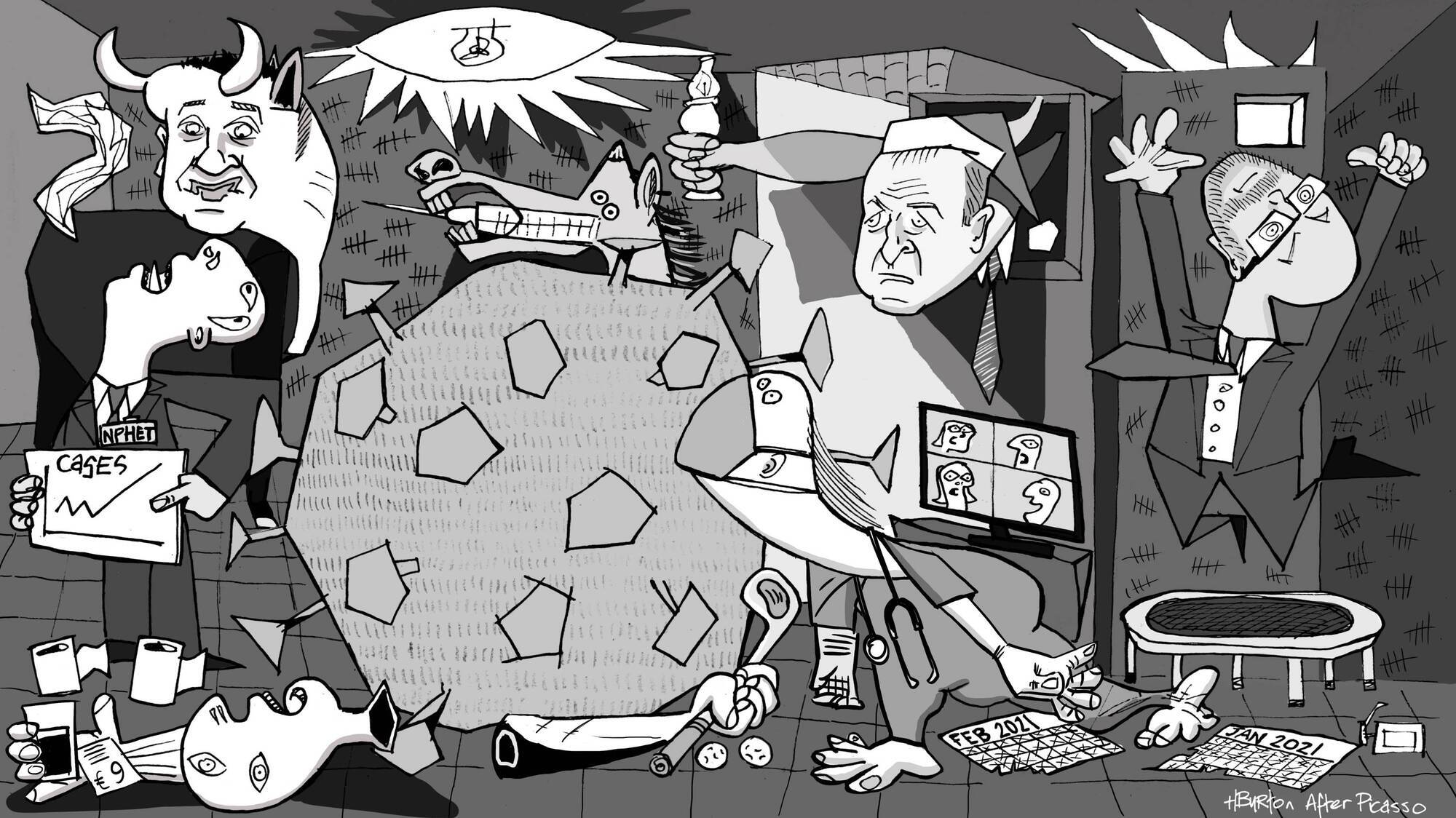
Over the last week, many of us have had conversations about where we were when the Covid-19 pandemic hit Ireland. Be it the day of the first case - February 29 - or the first death - March 11 - or the day that lockdown was announced - March 27.
Along the way, the various lockdowns and announcements and controversies have become totems for where we were at various times of this strange year - usually at home.
But while the public health aspects of the last year have been felt across the country, with deaths, illnesses, unemployment and mental health challenges, this year has been played out against a backdrop of a seismic political shift.
Just a month before the first death of Covid-19 was announced and just three weeks before the first case came to our shores, Ireland had an historic election result which was heralded as the dawning of a new era politically.
Across the country, new shocks were added to the list as 35 sitting TDs including three ministers, six junior ministers and the Government Chief Whip lost their seats. Speaking in south west Cork, outgoing Tánaiste Simon Coveney said that Holly Cairns taking her seat was a bellwether of a shift in transfers around the left which was seen across the country.
“So, it was a real shock and the transfers that came from the Sinn Fein candidate just went in huge numbers to the Social Democrats and, fair dues to her (Ms Cairns).
“Something happened in this election that nobody really was expecting. And it is changing the face of Irish politics. There's no doubt about that.
“But also, I think it shows the volatility of the Irish electorate - only a few few months ago. In the local elections, Sinn Féin halved their numbers.
“They had a really bad European election too and Fine Gael had a very strong election.
“In the space of less than a year, we've seen politics turned on its head, and we need to respond to that as a party.” If the results turned the politics of Ireland on its head, what would happen in the 12 months since were a tornado, whipping the political orthodoxy up and forcing it to do revolutions.
With three parties having won nearly identical numbers of seats, it was obvious that two of the three would have to coalesce to make a government, but the hunger to move first was low.
Within two weeks of the vote, the first attempt for the Dáil to elect a Taoiseach would come about, with Mary Lou McDonald taking the most votes, but no election being made. A second vote for March 5 was scrapped because no significant advances had been made in talks and the scale of the potential impact of the virus which was now pummeling northern Italy was becoming apparent. While some TDs bemoaned a move that would sideline the Dáil and remove the momentum from government formation, others argued that a steady hand was needed to meet the looming crisis.
Journalists who attended the swanky Ireland Funds Dinner in Washington DC on March 11 last year talk little of the actual event - of the food at the $1,000 a plate event or of the American political A-Listers like Nancy Pelosi who attended. These days, they talk about how, long after Irish print deadlines had passed and the night was their own, news alerts flashed that US President Donald Trump had sealed the country’s borders to fight the virus.
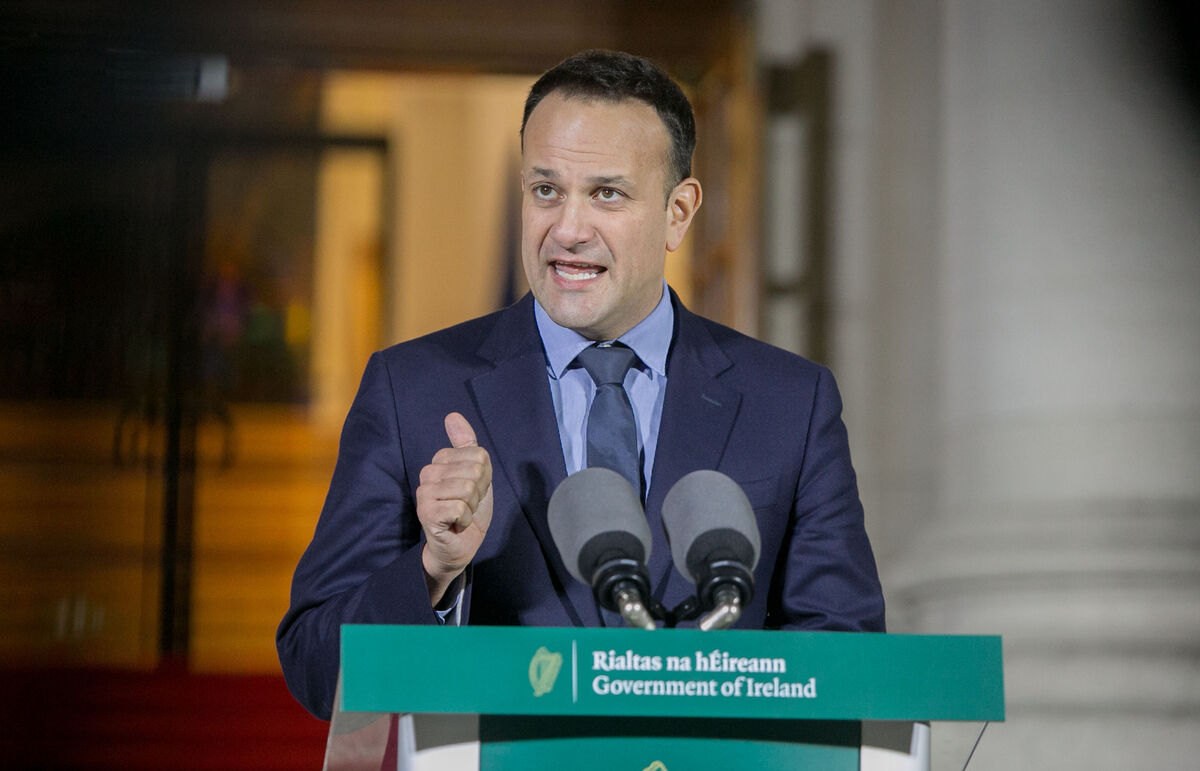
Mr Varadkar and some of his team left the event to be briefed on the escalating situation back home and to work out the choreography of the next day. He would speak at Blair House and a cadre of senior ministers would follow on directly after in Dublin to lay out the specifics.
“I need to speak to you about Coronavirus," Leo Varadkar began his statement on the bright, but cold, Thursday morning.
“Our own National Public Health Emergency Team met last night and has issued new advice to the Government. We are acting on that advice today.
“There will be many more cases.
“More people will get sick and unfortunately, we must face the tragic reality that some people will die.” The genie, so as to speak, was out of the bottle and we were introduced to that phrase which has come to dominate our lives - social distancing.
Most crucially schools, colleges, creches, and childcare facilities were to close as the Government spent St Patrick’s Day on a Zoom meeting like many of us. In their case, however, the Cabinet was signing off on emergency legislation which would pass the Dáil with an amendment ensuring that it would lapse by November 9, a deliberately exaggerated timeframe.
The Health (Preservation and Protection and other Emergency Measures in the Public Interest) Bill gave the Government sweeping new powers to restrict travel in and out of the state, to certain areas within the state, ban gatherings and detain those they suspect of carrying the virus. In those earliest days of the pandemic, the then government acted swiftly to safeguard as much of people's incomes as possible to both stave off economic armageddon and secure buy-in for the public health measures, introducing the Pandemic Unemployment Payment (PUP) and the Temporary Wage Subsidy Scheme (TWSS, now the EWSS).
While the original PUP was pegged at €203 and available for six weeks for those who lost their jobs due to the virus, it was quickly revised upwards to €350 per week, a high figure in comparison to other social welfare.
The legislation was labelled “draconian” and its civil liberties impacts are still being felt, but generally speaking, politicians rallied around the Government response.
The same week, the first talks between Fianna Fáil and Fine Gael would take place, becoming a policy document which would lay the groundwork for an historic coalition. That document would arrive on April 15, with Mr Varadkar and Fianna Fáil leader Micheál Martin signing off on a “weird and wonderful” coalition deal aimed at avoiding a second general election.
But with 72 seats between the two, the Civil War parties needed to find a “third pillar”. With Sinn Féin out and little appetite on either side for People Before Profit to pitch in, the centre-left parties were gently wooed before, in early May, the Green Party officially joined the talks, one day after the caretaker Government signed off on a €6.5 billion support scheme for businesses affected by the pandemic that would see the economy opening over 100 days.
With talks ongoing, Phase One of the plan would see thousands of shops reopening in mid-May.
Taoiseach Leo Varadkar warned that the burden of responsibility would now move to the public but said that hope had arrived.
“This gives us reason to hope, but it is not a cause for celebration. We have a long way to go yet. There will be bumps in the road and we have to keep our guard up,” he said.
Just three weeks later, Mr Varadkar would accelerate Ireland’s five-phase plan. He said that this would be a "Phase 2 plus" and confirmed that there would be four phases instead of five, with Ireland's economy nearly fully open by July 20 instead of the original date of mid August.
"Summer is not lost," he said, launching weeks of staycations and opening the hospitality sector.
As talks picked up pace and an agreement drew near, the caretaker government would move Ireland forward in the roadmap, with the country coming within touching distance of ending most restrictions as we moved to Phase Three, three weeks early, beginning on Monday, June 29.
By then, however, there would be a new Government with a new Taoiseach and a new Minister for Health.
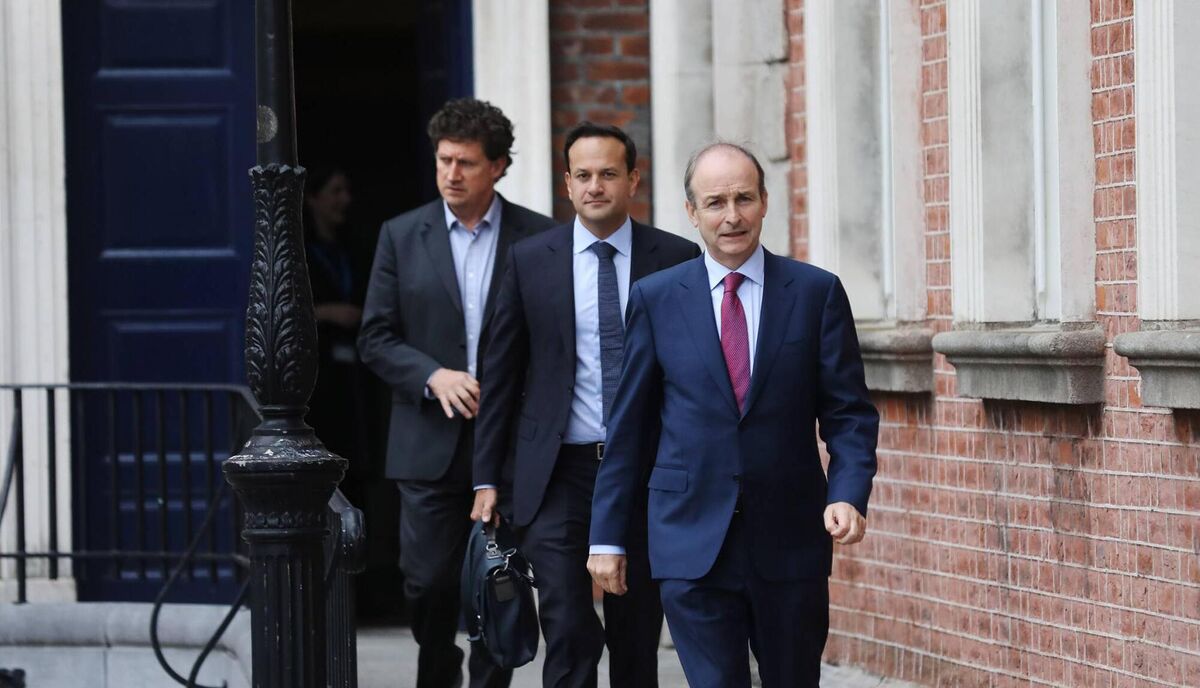
As the individual party votes on the proposed Programme For Government came in on Friday, June 26, the drama gods had lined things up nicely for the waiting media.
Fine Gael quite easily approved the deal in the late afternoon as expected and despite a small grassroots challenge, Fianna Fáil passed the deal. The largest question mark was always around whether the Greens could get the deal over the line or if Ireland would have to try to run an election in the middle of a global pandemic.
In the end, in an anticlimax in political theatre, 76% of members voted yes, with leader Eamon Ryan saying that there was “a sense of responsibility” felt by members.
The following day at a heavily guarded Convention Centre in Dublin, Micheál Martin would ascend to the office of Taoiseach, but surely not in the way he had imagined. In the cavernous theatre, the applause of his coalition partners was less vociferous than usual and travel restrictions meant that his family could not be there.
But much of the discussion by the Sunday morning was less on Mr Martin’s role as it was on those around him. The elevation of Stephen Donnelly to Minister for Health was a shock to many, but more Fianna Fáil TDs expressed their astonishment that Dara Calleary was left out of the full Cabinet ranks, being made Chief Whip. “What the F***, he puts Donnelly into Health and he only a blow in since 2017. Calleary has in fairness to him done more than enough to merit being in Cabinet,” said one TD to the Irish Examiner.
Mr Calleary’s omission meant that there was no Minister from the west of the Shannon, in what was called a “Cromwell Cabinet”. Mr Martin was told that he “need not show his nose in Ballina” as local Fianna Fáil members reacted angrily to the snub.
Worse would come when Mr Martin named his junior ministers. First, Jim O’Callaghan turned down an offer of a role and then Cork North-West TD Michael Moynihan accused Mr Martin of "disrespecting both him and his community" after being overlooked. Veteran TD and former Defence Minister Willie O’Dea then accused Mr Martin of “insulting” and “letting down” the people of Limerick city by not picking a minister from that county.
But it wasn’t just those who weren’t picked who made headlines. A week after the Government was formed, news broke that Agriculture Minister Barry Cowen had received a driving ban in 2016.
Within 17 days of taking up the role as minister, Mr Cowen was sacked by the Taoiseach. The Laois-Offaly TD had been asked by the Taoiseach to present himself for questions before the Dáil about the circumstances of his drink-driving charge in 2016 and refused to do so.
Mr Calleary would take his role, but it was Mr Donnelly who would go on in later months to become a lightning rod for criticism of the Government as the months wore on, with a quote about trampolines given to Virgin Media’s Zara King continuing to haunt him.
While the internal machinations were grabbing the attention, Covid was at low levels, with around 600 cases for the entire month of July. Two weeks into office, however, Acting CMO Dr Ronan Glynn would begin to sound the alarm. In his letter to Mr Donnelly, he recommended that the Government not advance its roadmap to reopening the economy as planned and instead wait until August 10 to reopen so-called wet pubs.
This conversation would dominate the summer.
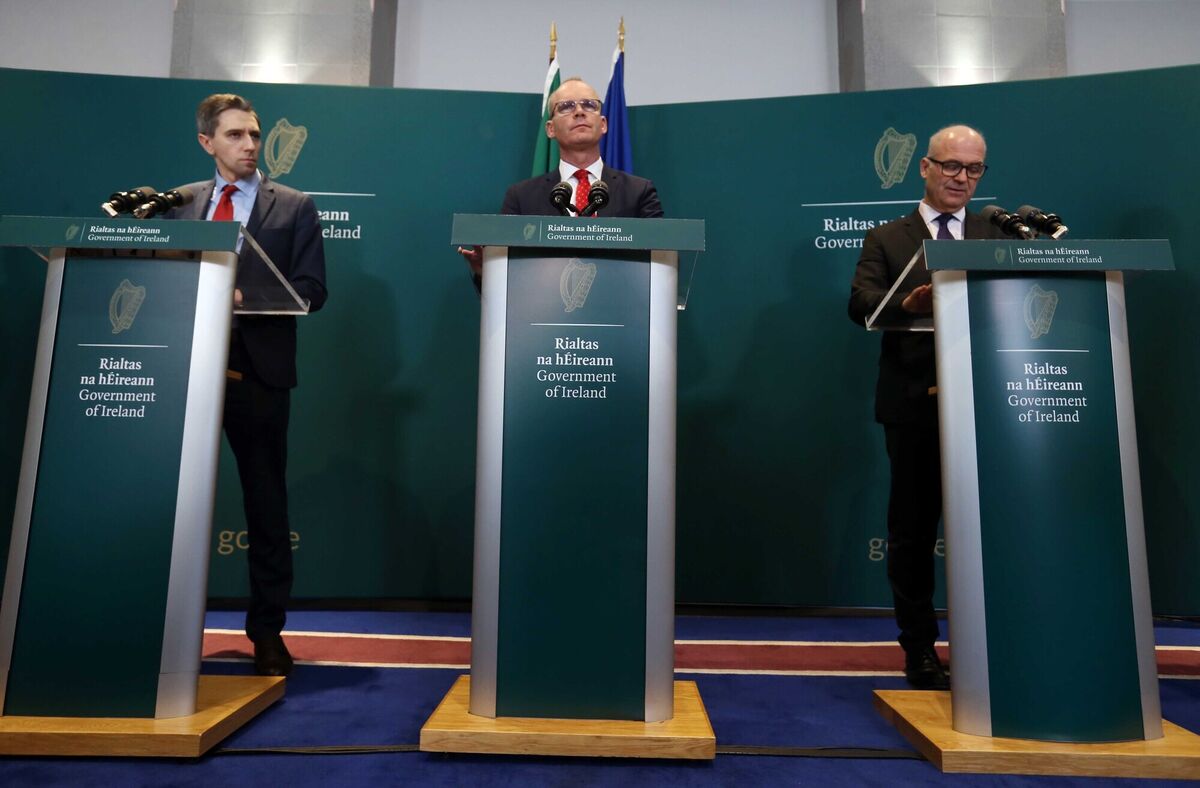
Of all of the terms which have been defined and redefined throughout the pandemic, one that many will want to reclaim is “substantial meal”.
The term became a meme, a constant example of how ridiculous our daily lives had come.
As part of the reopening of gastropubs and restaurants in late June, Fáilte Ireland issued guidance that would see plates of chicken wings and nachos left on tables across the land.
It read:
“Fáilte Ireland’s guidelines for pubs (which include pubs, gastro pubs and bars) will be published in the coming days. The guidelines will state that from June 29 pubs that serve food and meet other features expected of a restaurant may reopen.
“Any food offering will be required to be a substantial meal (as defined by the Intoxicating Liquor Act 1962: 'the meal is such as might be expected to be served as a main midday or evening meal or as a main course in either such meal') and will be required to be of a kind for which it would be reasonable to charge not less than €9.” In his letter, Dr Glynn had urged the Government to be "cautious", advice which was taken up and largely accepted across the Government but rural TDs in particular were furious that pubs which could serve a toasted sandwich were allowed open but smaller pubs in country towns were not.
Michael Healy Rae was at the forefront of this criticism, particularly when social media clips showed people socialising on Dublin’s streets with takeaway drinks.
“There’s a big difference between Portmagee and Dame Lane,” he said in the Dáil.
“What is the difference between a person with a pint of Guinness and a toasted cheese sandwich in this hand… and person inside another pub with a pint of Guinness and no toasted cheese sandwich?” As the delayed August 10 date for the wholesale reopening of pubs approached, the Covid situation in the country began to deteriorate, and five days before pubs were due to open, Mr Martin pulled the plug. Amid claims from the sector that the continued closures were the death knell for rural pubs, Mr Martin said the Government’s decision in July not to open pubs, nightclubs, and casinos proved to be right as the number of Covid-19 cases had steadily risen.
The Taoiseach said that “the worst thing that could happen the economy is a significant spike in cases” and the decision was being taken with a heavy heart but on the advice that pubs could not be proven to be safe environments and Kildare, Offaly and Laois were being plunged into a regional lockdown. The five-day average of cases was at that time over 45, having been as low as 6.4 in the last week of July. For context, it is now over 160.
There was also a small but notable diversion from the public health advice.
The health experts advised restaurants close at 10.30pm, but the Government set that limit at 11pm.
Tánaiste Leo Varadkar said this was being done to "prevent restaurants essentially acting as pubs".
A week after wet pubs were supposed to open but didn’t, controversy swirled around a pub in Dublin. Footage emerged of a party taking place at Berlin D2 on Dame Lane with no social distancing apparently being enforced. A man can also be seen in the video standing on a height pouring drink from a bottle into several people's mouths.
The Taoiseach described the incident as “appalling” while Simon Harris, the Higher Education Minister, said it was a “kick in the teeth” for people who had been doing the right thing. The pub’s owner said he was “mortified” and there was much discussion about garda enforcement or licence revocation.
But within days, Mr Martin and the entire Government would have to answer questions about another social gathering - this one much closer to home.
On Tuesday, August 18, the Taoiseach announced another host of new restrictions aimed at curbing the spread of the virus. Outdoor gatherings were slashed from 200 attendees to 15, sport was placed behind closed doors and gardaí were given new powers.
Mr Martin said that the moves were down to more than the “appalling” scenes in the aforementioned Dublin pub and were needed to prevent a second wave of the virus.
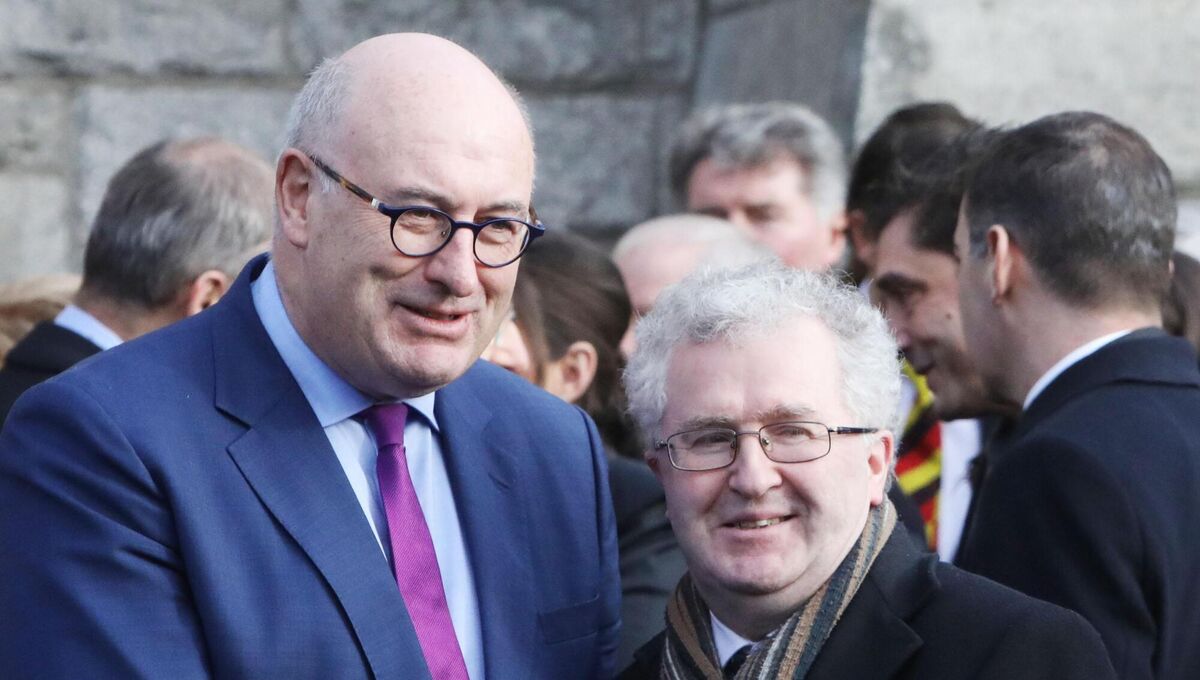
The following day, 82 people including a senior minister, an EU Commissioner, a Supreme Court judge and six senators held an event at a hotel in Galway, the fallout of which would last for months.
The Oireachtas Golf Society event to celebrate its 50th anniversary was held at a function room at the Station House Hotel, Clifden, Co Galwa even though public health advice clearly stated "no formal or informal events or parties should be organised in these premises".
The table plan listed 82 people for the sit-down function, with up to 10 people per table, even though guidelines state no more than six people should be seated at any one table.
Within 12 hours of the Irish Examiner revealing the event had taken place, Dara Calleary had become this Government’s second Agriculture Minister to lose his job. Mr Martin was “furious” about the event and Mr Calleary’s resignation came as he said that Mr Calleary’s attendance at the event was “wrong and an error of judgement on his part”. Senator Jerry Buttimer also resigned as Leas Cathaoirleach of the Seanad, but there was mass outcry about the event in the following days.
RTÉ’s Liveline programme was dominated by the event for the Friday and Monday following, with people telling host Katie Hannon that they had missed funerals, birthdays and important events throughout the year and felt personally betrayed. They made their fury known to the Taoiseach, too.
Documents released from the Department of the Taoiseach under Freedom of Information to the Irish Examiner showed that over 400 pieces of correspondence were received in the week after the event, known as Golfgate, came to light.
One reads: "With reference to Mr Calleary and his carry on, he has to resign, taking the p**s on the rest of us, how dare he? An apology is not enough."
After initially digging in and producing a timeline of his movements, EU Commissioner Phil Hogan would bow to the inevitable and resign a week later after reports that he had been stopped while using his mobile phone in Kildare and that he was spotted in Limerick before his quarantine period had ended.
Taoiseach Micheál Martin and the Government said the “correct decision” had been taken, but the damage to public trust in the Government and politics generally was massive.
And it could not have come at a worse time.
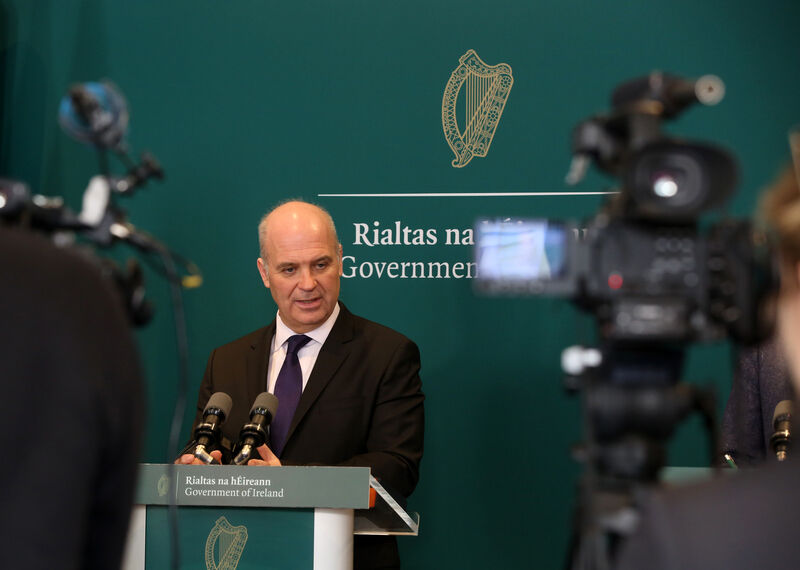
On September 15, the Living With Covid strategy was published, outlining the tiers of restrictions.
Mr Martin announced that the entire country would be placed on Level 2 as recommended by Nphet but there was immediate confusion as Dublin would be placed on a level "somewhere between Level 2 and Level 3", as a source told the Irish Examiner.
This would include limits on household visitors and the continued closure of wet pubs in the capital as Mr Martin warned that Dublin was "going in the wrong direction". The Taoiseach rejected claims by the opposition and media that the messaging had become confused around the plan which was just an hour old, but the public found it hard to reconcile how a “clear five-tier plan” could have grey areas.
That confusion wasn’t helped when Mr Donnelly, who had attended the launch of the document following a Cabinet meeting in Dublin Castle, was taken for a Covid-19 test, meaning the entire Government was forced to isolate. Journalists who attended the briefing were unclear on whether they counted as close contacts and no clarity came until Mr Donnelly’s test thankfully returned negative.
Just two days later, Nphet warned that things in Dublin were getting worse. It warned that there could be 600 cases a day in Dublin by mid-OctoberJust two days later, Nphet warned that things in Dublin were getting worse. It warned that there could be 600 cases a day in Dublin by mid-October, so the Cabinet agreed to put the capital into a full Level 3.
But two weeks later, the Government and Nphet would not see eye to eye at all.
On October 5, as Martin addressed the nation live on the RTÉ News at 9pm while Health Minister Stephen Donnelly, Finance Minister Paschal Donohoe, and Transport Minister Eamon Ryan set out to explain why the Government had rejected a NPHET letter the night before which recommened a full national lockdown because a second wave of the virus was now here and needed to be turned back.
Much of the questioning at that briefing, naturally, was focused on Mr Donnelly as Health Minister. Dr Tony Holohan had returned to his role the previous Saturday and some in government saw the advice as hasty at best, a power grab at worst.
Mr Donnelly, however, said that things were running smoothly between the two parties.
“The relationship with Nphet is absolutely fine," he said.
As those assurances were being given, journalists' Twitter feeds were lighting up with tweets about Claire Byrne Live. According to the tweeters, Tánaiste Leo Varadkar had "thrown Dr Holohan under the bus".
The advice “came out of the blue", the Tánaiste said while implying that Nphet was disconnected from the impact of its advice.
He said:
“None of those people [in Nphet], for example, would have faced being on the pandemic unemployment payment. None of them would have to tell somebody that they were losing their job, and none of them would have had to shut their business for the last time."
Some lauded the Government for its strength in standing up to the medics, but just 11 days later, Dr Holohan sounded the alarm again in a letter to Mr Donnelly which said that Level 5 would happen and the choice to be made was whether that would be forced upon the government or not.
“Nphet firmly believes that an escalation to Level 5 is inevitable and that the earlier this proactive action is taken, the greater chance there is of quickly reversing the current trajectory of the disease.” The NPHET aim was to have cases below 100 a day by December 1 to give the Government “flexibility” to make decisions that would allow people enjoy their Christmas holidays.
That isn’t how it turned out.
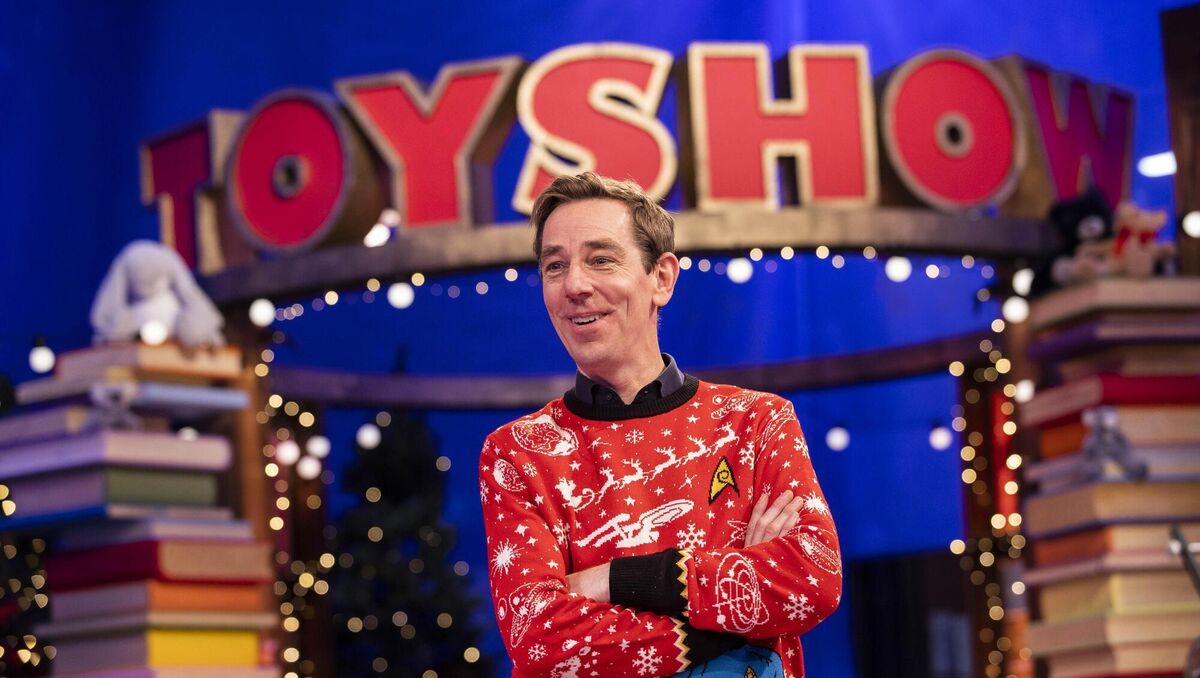
A meaningful Christmas is what the Taoiseach wanted for the country.
Mr Martin had been asked about the holiday as far back as September but as October became November and expats looked nervously at flight prices, the questions grew.
Unfortunately, the case numbers were nowhere near the 100 per day NPHET had predicted and the Government was forced to make unenviable choices. So, on the day that Christmas officially starts in Ireland - the day of the Late Late Toy Show - the Cabinet agreed a multi-phase plan to allow hospitality reopen and families visit one another.
Mr Martin said he understood that people were "fed up" with Covid-19, he said he often felt that way himself. But this was a gamble on numbers staying low and the public buying into the restrictions on a very limited basis.
This included the reopening of hospitality from December 4 and the lifting of household and travel restrictions from December 18.
This despite the grim warning of Nphet which said Ireland was in a "precarious" position. Dr Holohan said that there was "growing evidence" that indoor settings such as bars and restaurants contribute to viral spread and urged the Government to choose between household visits or hospitality, but not both.
The Government ignored that advice and did little to stop people flying to Ireland or to enforce the two-week isolation period, despite announcements from the UK in the week before Christmas that a new, more virulent strain of Covid had been detected. We now know this strain as B117 and it accounts for 90% of all cases in Ireland.
Over the festive period, 54,000 people would fly into Ireland, but Christmas itself would be held in the shadow of the Government adding restrictions. On December 17, one day before household visit and intercounty travel restrictions were to be lifted, Nphet said that it was "especially concerned at how rapidly case numbers have increased" and urged the Government to end the Christmas period on December 28 and close hospitality.
Four days later, a letter urged a full Level 5 suite of measures be introduced. The Taoiseach announced that the country would enter a fresh period of Covid-19 restrictions from Christmas Eve. Pubs would be closed along with salons and barbers. Another letter on December 28 again pleaded for Level 5 lockdown as cases on Christmas Day and Stephen’s Day topped 1,000, already pushing Nphet’s worst case scenario for January.
Finally on December 30, the Government did so and one week later included a school closure. The NPHET projections had massively underestimated the spread of the virus and on January 8, the country recorded an eye-watering 8,227 cases.
The Christmas gamble, which lasted just three weeks, would cost the country at least three months in lockdown.
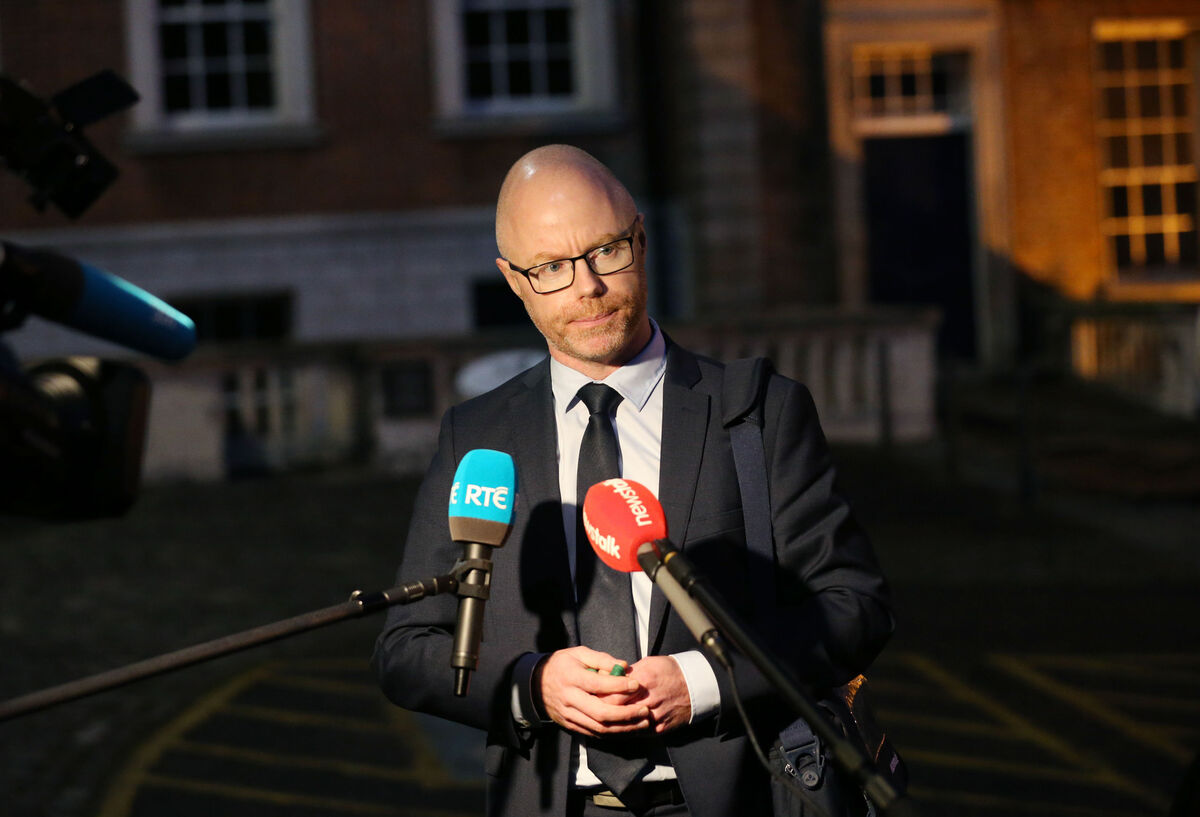
Over 1,000 deaths and 100,000 cases of Covid-19.
That was January 2021 in Ireland. Last year, many people looked at 2021 as the year we put Covid in the rear view but we now know that at least a quarter of the year will be spent in full Level 5 lockdown, that non essential retail will be closed until May and that hospitality may not open until June.
While this is going on, there is hope. Vaccinations have been approved and are having a huge impact on case numbers in certain areas, but their rollout is slow and the Government’s 1.24 million doses administered target, already a downward revision, will be missed.
For many, the end is not yet in sight, despite the Government plan to vaccinate 82% of adults by June. Case numbers have not dipped below 300 on any single day this year and just three days have passed without a death being reported.
Health Minister Stephen Donnelly said delays securing scheduled deliveries of AstraZeneca jabs were hampering efforts to roll out vaccinations.
“There’s no question the repeated revisions from AstraZeneca are very frustrating for Ireland and right across the EU,” he told RTÉ this week.
With Ireland in the advanced purchase agreement with the EU and deliveries slow, the Government has had little chance to do much of anything. The announcement in late February that lockdown would continue brought no real clarity or dates and the revised Living With Covid document was a 70-page reiteration of everything which had been said before.
The Taoiseach in making that announcement said that “the end is now truly in sight”.
As we approach the one-year anniversary of many of the milestones of this pandemic, that is something that most people hope, but only a minority feel.


CONNECT WITH US TODAY



Be the first to know the latest news and updates