Maggie Lyng: My story has not been told and there are 60,000 more
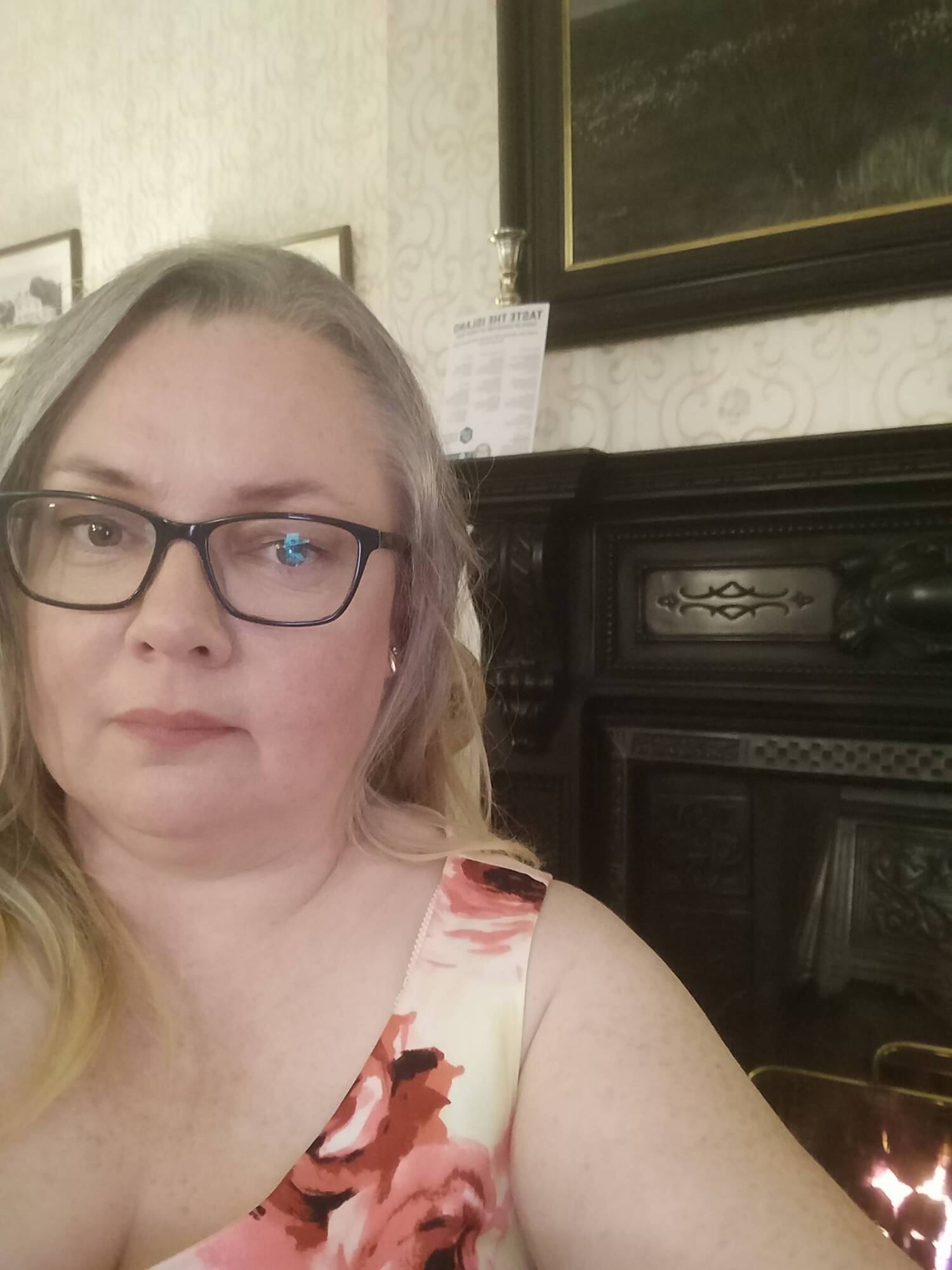
The story of a woman who was adopted through St Patrick's Guild Adoption Society, one of many institutions which the Mother and Baby Homes Commission did not investigate, writes Elaine Loughlin
Maggie Lyng is unsure whether she and others like her will be included in the redress scheme, enhanced medical cards and other supports announced by the Government following the publication of the mother and baby home report in January.

Maggie Lyng is unsure whether she and others like her will be included in the redress scheme, enhanced medical cards and other supports announced by the Government following the publication of the mother and baby home report in January.

The story of a woman who was adopted through St Patrick's Guild Adoption Society, one of many institutions which the Mother and Baby Homes Commission did not investigate, writes Elaine Loughlin

"One of my names is Maggie Lyng, but I was originally named something else and known as somebody else. Before I was placed for adoption at one month old, I had an alternate identity put on me, as if my own name and family were replaceable and easily substituted.

"As if I actually didn’t exist prior to being placed with strangers who were picked to become my family. My birth name is Alison Gallagher, which I learned in 2012, aged 38."

This is part of Maggie's story, a story that she was unable to tell the Mother and Baby Homes Commission as the institution she was adopted from did not come under its remit.

The commission looked into 14 mother and baby homes and a sample of just four county homes, leaving many out. St Patrick's Guild Adoption Society, which Ms Lyng was adopted through, was also not investigated.

She is now unsure whether she and others like her will be included in the redress scheme, enhanced medical cards and other supports announced by the Government following the publication of the mother and baby home report in January.

"I feel like the commission has failed me in every respect because I was in Temple Hill which didn't come under the terms of reference of the commission of investigation, so as an adoptee I was excluded once again," she said.

Maggie Lyng as a baby. She has been able to access the record of her second baptism, a ceremony that took place after she was adopted, however, she has yet to track down her initial baptismal cert.

"All I remember at the time in 2015 was wondering why St Patrick's Guild wasn't included and not from the lack of people trying, we had very good advocates on our side trying to push for wider terms of reference."

After many years of searching Ms Lyng was able to access the record of her second baptism, a ceremony that took place in Mullingar after she was adopted, however, she has yet to track down her initial baptismal cert.

She is now campaigning to give all adoptees access to their baptismal records and has written to the Catholic hierarchy in Ireland pleading with them to open the files.

These records, for the most part, are held separately to the regular church logs in the 'spuria’ baptismal register because the births were deemed 'illegitimate'.

Ms Lyng says she and others like her have "diminished rights" which are "based purely and specifically on the circumstances of my conception and birth, my birth status as 'illegitimate' and of me being an adoptee".

She said: "We estimate that there are 60,000 people touched by adoption in Ireland, the same amount of Leaving Cert students in any given year and the same number of the population that are people who live with disabilities.

That's 60,000 fellow Irish citizens actively denied our own identities, our own birth certs, our own information, our own entire biological families and our own fundamental, civil, human and equal rights, both as Irish and as EU citizens.

After eight years of what she describes as a "run-around" she found her post-placement baptism entry in the “private registers” of the church where it took place.

"I am still oblivious about any pre-placement Baptism ceremony/ceremonies that were performed on me before my adoptive parents got me at a month old," she said.

But she said her story is not the exception, in fact many others who were adopted from mother and baby homes have not been able to get access to any such documents. She wants what she calls a basic right to personal information granted to all adopted people.

"I believe Adoptee rights are human rights. I believe Adoptee rights are equal rights."

Mother and Baby Homes: The next steps

In the wake of the publication of the final report of the Mother and Baby Homes Commission, the Government committed to deliver 22 actions. These commitments range from a State apology which has already been delivered, to the more complex issues of a redress scheme and access to birth certificates.

INFORMATION AND TRACING 

The commission recommended that adoptees be given access to their birth and adoption documentation, a right which campaigners had sought for many years.

In his State apology, Taoiseach Micheál Martin said access to one's own identity is a "basic right".

The Government has now promised to draft new laws to provide access to birth and early life information, including the birth certificates of those who were adopted.

Officials are working intensively with the Attorney General to advance Information and Tracing legislation, with a view to having heads of Bill by end March or early April.

In the meantime, the Department of Children is working to allow survivors and adoptees seek personal information, which was compiled by the commission, via GDPR. This process will begin when the archive officially transfers today.

Speaking in the Dáil this week, Minister Roderic O'Gorman confirmed that a new dedicated information management unit has been set up to deal with subject access requests and an archivist has also been appointed.

"This unit is staffed with and supported by relevant expertise in relation to data protection and records management.

"The Department has also been liaising and consulting with the Data Protection Commissioner and will continue to do so. We have also sought the advice of external GDPR experts."

REDRESS 

The Government has said it will roll out a financial redress scheme for survivors of mother and baby homes.

The Interdepartmental Group on Restorative Recognition (IDG) held its first meeting on February 4, and has been asked to bring detailed proposals to Mr O'Gorman by the end of April.

It is not yet clear how much the redress scheme will provide to survivors, but the Magadalene women were paid around €40,000 each while those who were sent to residential institutions received about €62,000.

The group has also been asked to take account of the specific groups identified by the commission but is not limited to those groups, meaning survivors from other homes not looked at in the mother and baby homes report may be included in any scheme.

A Department spokesperson said the work will be "underpinned by a human rights focus and informed by strong stakeholder consultation and an understanding of criticisms that were made of previous schemes."

Similar to the Magdalenes, an enhanced medical card will be given to former residents of a mother and baby home or county home. 

However, Labour TD Sean Sherlock has already pointed out that this will only apply to those who were resident in institutions for six months or longer and has called on the Government to change this and give all survivors an enhanced medical card.

RECOGNITION AND MEMORIAL 

The first step under this process was the State apology delivered in January by the Taoiseach.

The Government has also committed to national and local commemoration and will establish a national memorial and records centre related to institutional trauma.

The Department of Children will engage with survivors on the location of the centre, and in ensuring Departments and State bodies make relevant original files publicly accessible.

Mr O'Gorman said: "I remain committed to considering other options to support survivors in sharing their stories and vindicating their lived experience, including enabling witnesses to submit their stories afresh to form part of the planned national memorial and records centre."

The Department of Further and Higher Education and the Irish Research Council are to create a number of scholarships in memory of all the children who died in institutions. It has already been suggested that one of these could be named after Alice Litster.

BURIALS 

In 2018 then Children's Minister Katherine Zappone approved a forensic excavation of the Tuam mother and baby home site to exhume and identify every child buried there and to provide a "respectful" reburial.

Draft legislation to allow for this, and the possible exhumation of remains at other sites, is currently being considered by the Oireachtas Children's Committee.

However, Committee members have already expressed concerns around the role of the coroner as set out in the Certain Institutional Burials (Authorised Interventions) Bill.

The Irish Human Rights and Equality Commission (IHREC) has also highlighted a range of issues and has recommended 25 changes to the bill.

x

More in this section

Lunchtime News

Newsletter

Get a lunch briefing straight to your inbox at noon daily. Also be the first to know with our occasional Breaking News emails.

Cookie Policy Privacy Policy Brand Safety FAQ Help Contact Us Terms and Conditions

© Examiner Echo Group Limited