Renaissance of Reading: Four life-changing journeys into the written word
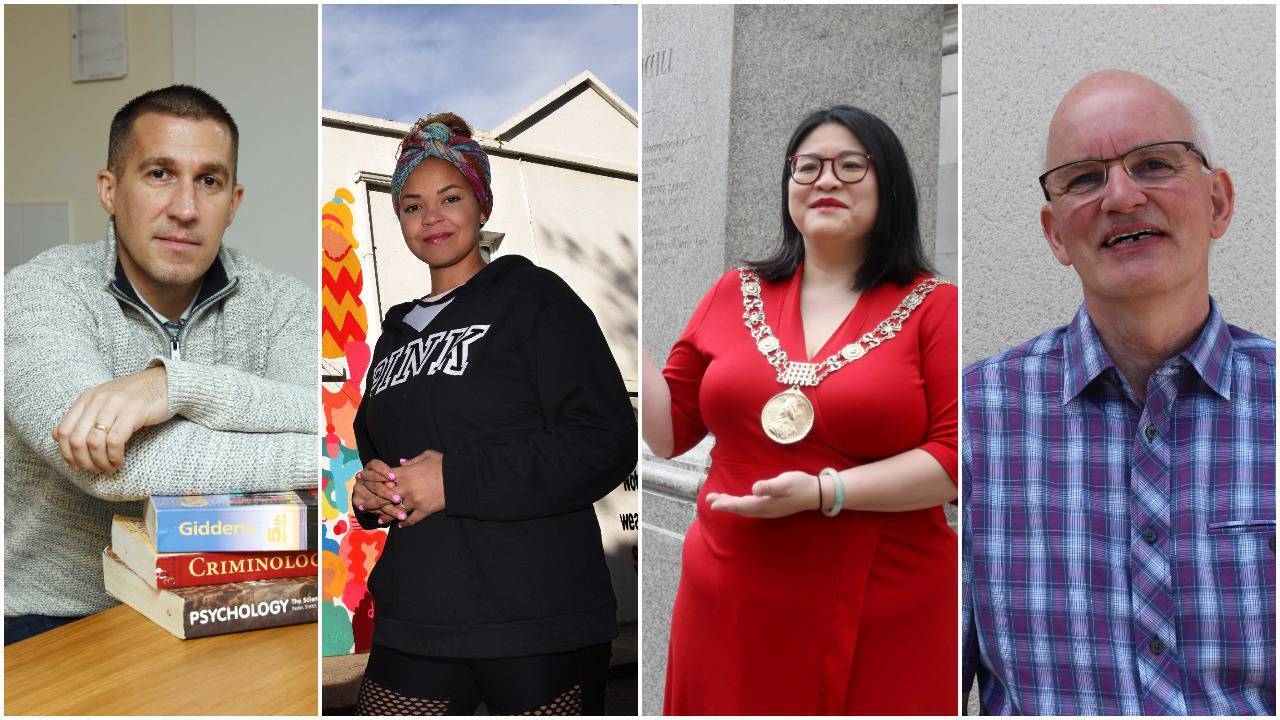
James Leonard Emer O'Neill Hazel Chu and Michael Duffy
The upsurge of reading last year inspired to ask four people about their life-changing journeys into the written word
Last year will be remembered for many unpredicted things — and a boom in reading is one of them.
The pandemic fuelled a boom in book sales, as people turned off Netflix in order to read, many of them for the first time.
Harry Potter publisher, Bloomsbury, reported its most profitable first half-year in more than a decade.
Its CEO, Nigel Newton, said the surge came as a "complete surprise" as most people showed a short attention span at the beginning of the pandemic, and turned to TV for escape.
However, this behaviour did a U-turn, and consumers turned to reading, meaning profits at Bloomsbury increased by 60%, by some €4.5m, in the six months from March to August — their highest first-half earnings since 2008 as online sales of both hard-copy books and ebooks rose significantly.
In Ireland, books that captured the nation's imagination include by Delia Owens — the bestselling book of 2020 here, with 55,039 copies sold by the end of November.
The second most popular book in Ireland this year was by Charlie Mackesy, an illustrated book with inspirational messages. It sold 48,149 copies up to the end of November, with sales totalling €634,033.
Not surprisingly, Sally Rooney's 2018 novel became a pandemic hit after its TV adaptation, and was the third most popular book here with sales of 38,493 up to the end of November.

In the US, reported that sales of books for the first three quarters were up 6% compared with 2019.
But book sales are only part of the story.
In May, former East 17 pop star Tony Mortimer came out to say he had just read his first book at the age of 50 — a month later, he had read his 29th.
Then in November, Manchester United footballer Marcus Rashford launched his own book club, so that every child in the UK could own a book.
The aim is to give children from vulnerable and underprivileged backgrounds the opportunity to embrace reading from an early age.
There are over 380,000 children across the UK today that have never owned a book.
In Ireland, a different celebrity entered the book world for children during the pandemic when Dolly Parton gifted books to more than 3,000 Cork children.
"I truly believe that if every child has a song in their heart and a book in their hand, they can see all of their dreams come true," the country star said.
"Cork, and all of Ireland, has a special place in my heart. It feels like home to me and hopefully one day, sooner than later, I will be coming home again," said the singer.
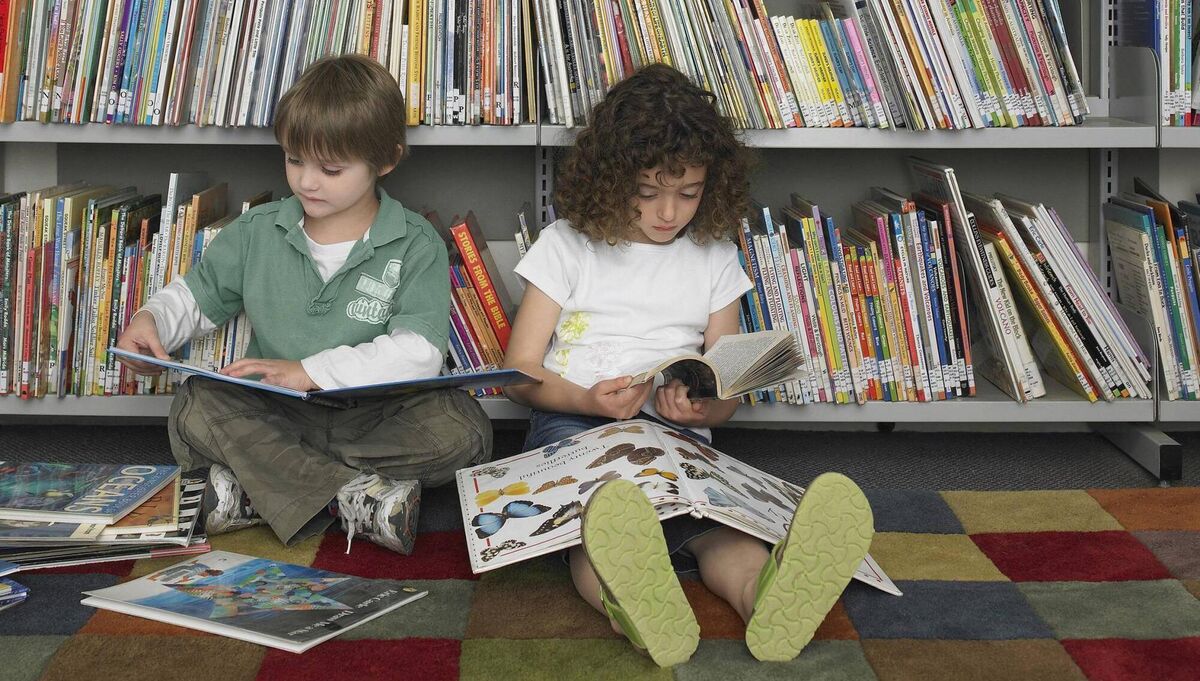
As part of her global initiative, Imagination Library, one book will be sent every month to registered children from birth to age five in participating communities, allowing them to build their own libraries.
So far, the Imagination Library has shared 147m books with children since the project launched in 1995, as part of The Dollywood Foundation.
However, it is not just about reading for escapism: It can also be about something more fundamental — literacy.
In Ireland, one in six people aged between 18 and 65 struggle with reading and understanding everyday text — for example, reading a bus timetable or medicine instructions.
And more than 30% of primary school children in disadvantaged areas suffer from severe literacy problems.
While there are several causes here, such as learning challenges and leaving school early, Helen Ryan, policy officer with the National Adult Literacy Agency (Nala) said: "Literacy is not about individual intelligence, literacy is about social, economic and cultural opportunity".
"There is still a stigma around this, and we hope that the public understands that literacy need is not linked to intelligence — it's about lack of opportunity to develop these skills," she told the .
Nala provides a distance learning service where adults can work with a tutor over the phone for at least 30 minutes per week.
There are also 100 adult literacy centres around the country delivering one-to-one and small group literacy classes to 60,000 adults per year.
- Ring the National Adult Literacy Agency freephone line at 1800 202065 or visit www.nala.ie/free-courses.
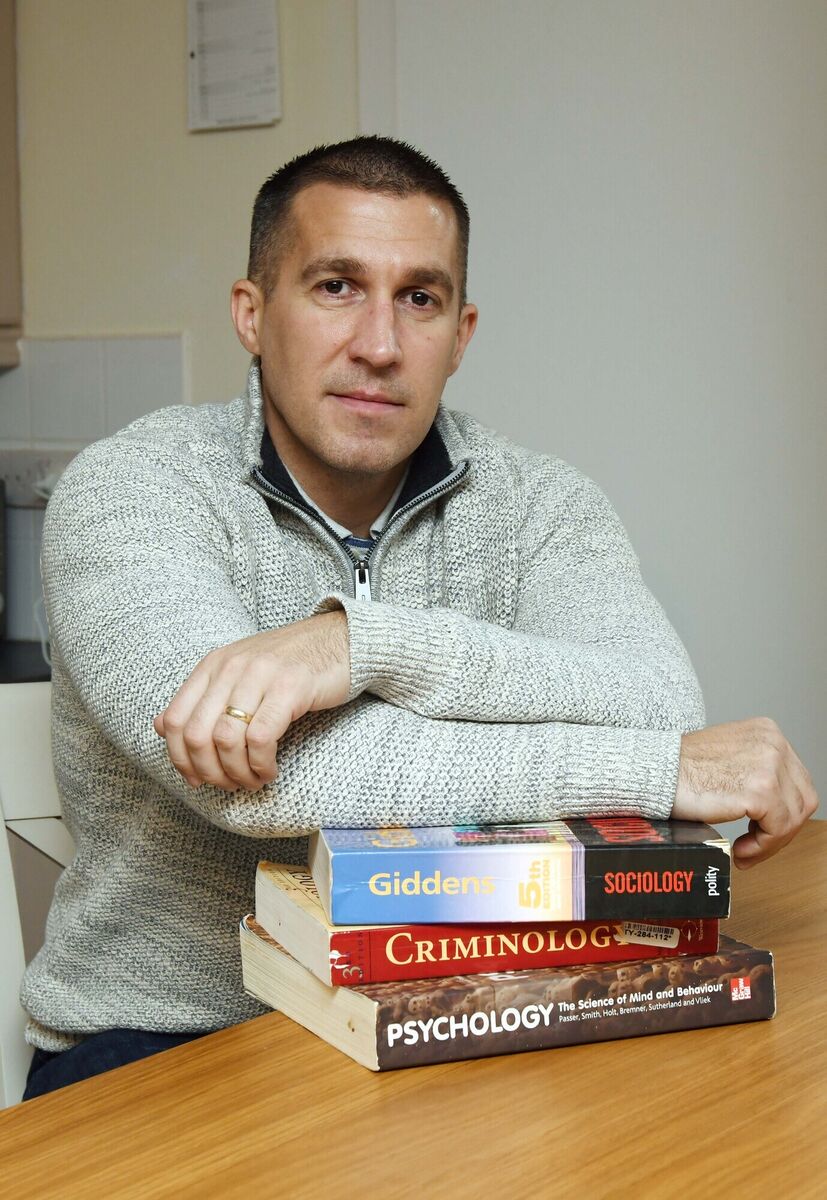
“When I was going in and out of prison I'd do a lot of reading, autobiographies mostly, and even when I was in addiction.
“Like, out in the prison yard, the younger guys would be talking about masculine things like girls, sex, and drugs, and I’d be with the older guys talking about politics,” says James.
James was about 27 when he started recovery, having previously tried treatment centres. And it was education that paved the way to a new life for him after he left his detox clinic.
“There was a series of events that came to a head with a bad overdose. I was very close to death and I had a realisation that maybe there was some fight left in me, so I got into a detox bed in Carlow. After that I was supported by Cork Simon for housing, then I did a computer literacy course, in Cork College of Commerce, and then a level 5 Fetac course in applied psychology and social studies,” explains James.
This course was his “turning point”.
“I could see myself in these situations and, with the sociology, I began to understand my community and the place I had grown up in. That was the spark for me to continue learning,” he says.
However, James always had the potential. His favourite subjects in primary school were geography and history.
“I could match any flag with any country or any capital with any countries. I still have a knack for that,” says James.
However, secondary school was when things changed.
“I didn't get on well. I got into a lot of trouble and I lost the joy of learning. It left me, I forgot all about it, and I left school and went into addiction. I wasn't an easy child to teach,” James says.
However, once he got into recovery seven years ago, James was on a forward-moving trajectory through education.
“I wanted to have my needs met for the first time in my adult life, to have a roof over my head and food to eat and clean clothes. I was just so grateful and so happy to have a second chance. A lot of positive things have happened since then,” says James.
While reading and education have been at the core of his life, things moved up a gear in lockdown and he found himself taking solace in a German philosopher.
“I read a lot of philosophy stuff going back thousands of years right to the present day, they have theories on what is a good life.
"Then in lockdown, Friedrich Nietzsche really piqued my interest. After I read about him, I looked him up on Youtube, or I’d listen to a podcast, and then two weeks later the penny will drop. Sometimes the stuff is so abstract you need to talk to someone about it, but when you get it there is a great sense of achievement,” says James.
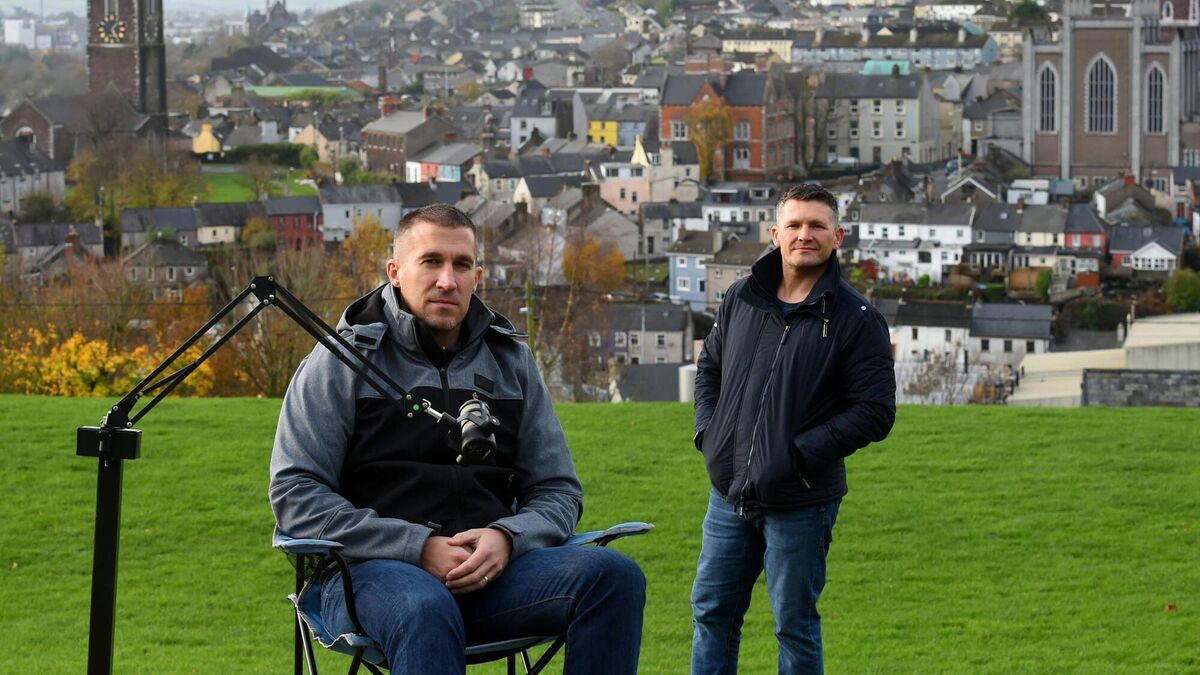
Another thing to come out of lockdown — a period he found challenging with gyms closed — was the podcast he presents with Timmy Long, The Two Norries.
So far, fans include President Michael D Higgins and musician Christy Moore.
“What I did for my mental health was the podcast. We talk about sociology, addiction, and mental health. We’ve 21 episodes so far and it’s on Apple, Spotify, and Youtube. I got an email from Christy Moore saying he loves it, and Michael D Higgins has invited me to the Áras.
"Outside of that, people contact looking for help, or help for a loved one, and there’s a huge amount of Irish in Australia listening,” says James.
While education was his path out of addiction, other people might not have the time or luxury to read, and he is mindful of that.
“If you’re working class you’re working long days, or if you’re at home with kids all day long minding them, it’s hard to make the time for it.
“If you're a single mother you're putting food on the table. Reading is a luxury they can't afford when they don't have other means,” says James.
Another point of exit for people is through educators assuming a child is badly-behaved as opposed to “acting out” because something is going in their lives.
“If there is a child that you see who has potential and they're acting out — don't put them to the back of the class, invest some time in the child, don't let them slip through,” he says.
James Leonard can be found on Twitter at @jamesleonard85.
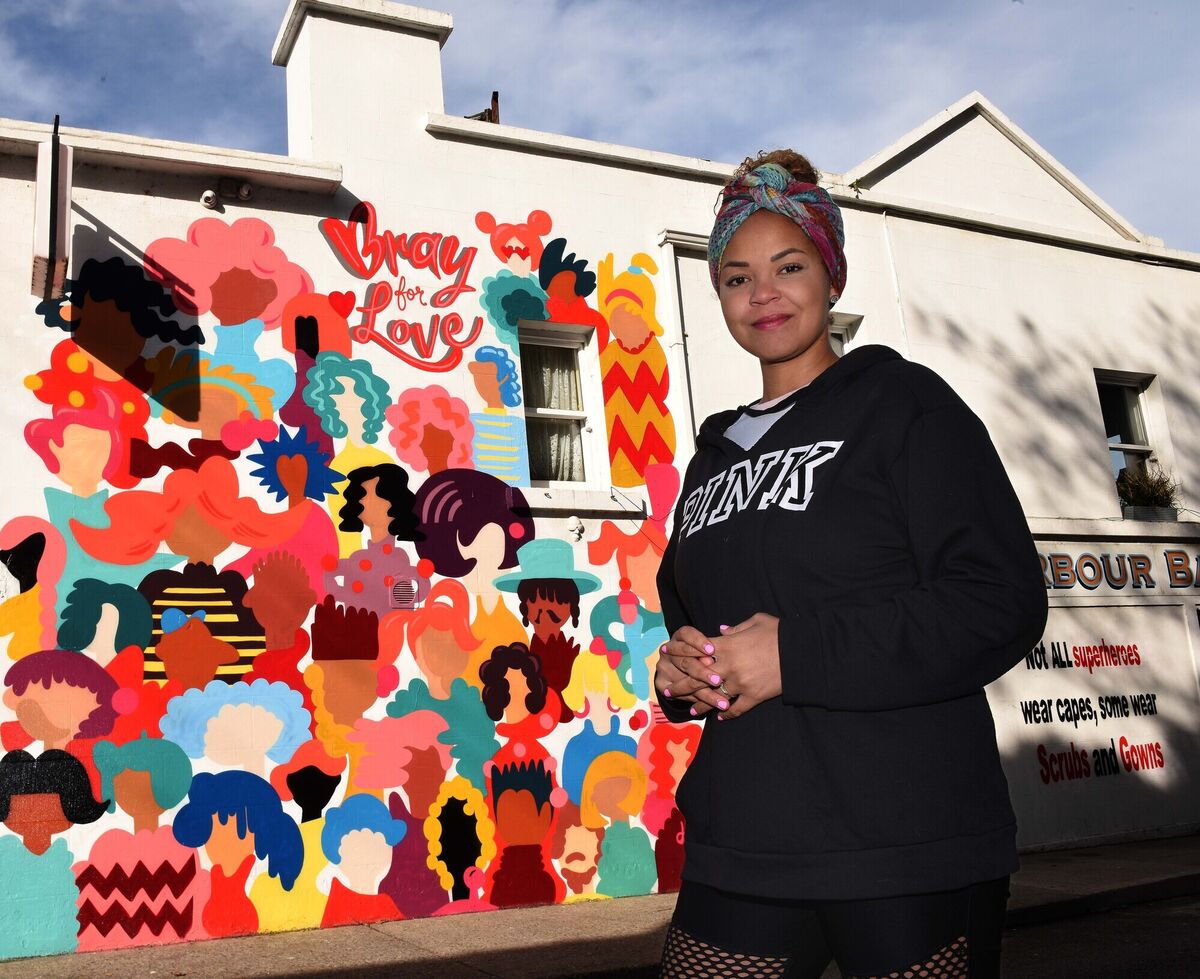
Like any Irish child of the 80s and 90s, To Kill a Mockingbird was mandatory reading material in secondary school.
But for Emer, reading a book about racism as the only black student in her class, was a very negative experience.
“In 3rd year, we did To Kill a Mockingbird. I hated every minute of that book in school, constantly the ‘n-word’ was being used [in the book], and people would turn around and stare at me, or stare at me at really vicious parts of the book. I was being looked at to see my reaction. It was uncomfortable and it made me feel even more different.
“The prep work in order to read that book wasn't done, we should have had an entire unit on racism and the background of racism before doing it. I would have no desire to read that novel again. It was not a positive for me, it highlighted that I was a second class citizen,” says Emer.
Although Emer would be 34 before she got her hands on a book she actually saw herself in, there was one book that vaguely spoke to her growing up.
“There was one we did in school about an aboriginal boy, that talks about his general ostracism from his community in Australia and it talked about the aboriginal community. When someone was dying in his community they had this technique of euthanasia - of walking off into the bush.
“It was this different culture and it spoke to me because there was a kid on the cover who was brown and it talked about different cultures. My dad did grow up in a mud hut [in Nigeria] with no running water,” explains Emer.
Fast forward to 2020, and in the midst of a global pandemic and civil unrest in the US over the murder of George Floyd by a white police officer in America, the book Hood Feminism, by Mikki Kendall, is published.
“My friend bought me Hood Feminism, it's actually one of the first books, that I've gotten that would be in my library too and that I could completely relate to - that was a very interesting read at 34,” says Emer.
Before reading Hood Feminism, Emer did not want to be seen with “black literature” believing it would just highlight the difference she had grown up feeling.
“By reading stuff like this it made me more different to everybody else until recently I found my voice,” says the teacher.
In finding her voice in 2020, she has taken on racism in her local community, in the media, and in wider Irish society.
For children growing up now, she believes passionately in providing them with diverse literature.
“By 3 years of age, kids are aware of similarities and differences, it's an important time to start immersing them in cultural diversity. One of the books I’d recommend is Daddy Why Am I Brown, by Bedford Palmer. This is a healthy conversation around skin colour and family, the main character lives in a diverse world and is from a multicultural family,” explains Emer.
But she points out that this book is not for people of colour.
“Books about diversity are not just for black children to see themselves represented in. Black people are portrayed in negative ways or not portrayed at all, and it’s important for people who are not black to see people of colour as superheroes and protagonists, as that kind of material will shape their views.
“They need to be getting info from an early age when their brain is developing, instilling it from an early age, we want to shape kids as global citizens, and the only way to do that is to introduce them to diverse literature early,” says Emer.
For adults who are only waking up to racism now and the construct of white supremacy, Emer recommends a New York Times bestseller.
“Me and White Supremacy is a great book for white people, who want to start out on their journey of ally-ship. It’s a must-read because it's very easy to make mistakes,” she says.
“But you’re responsible for your learning, not me,” she adds.
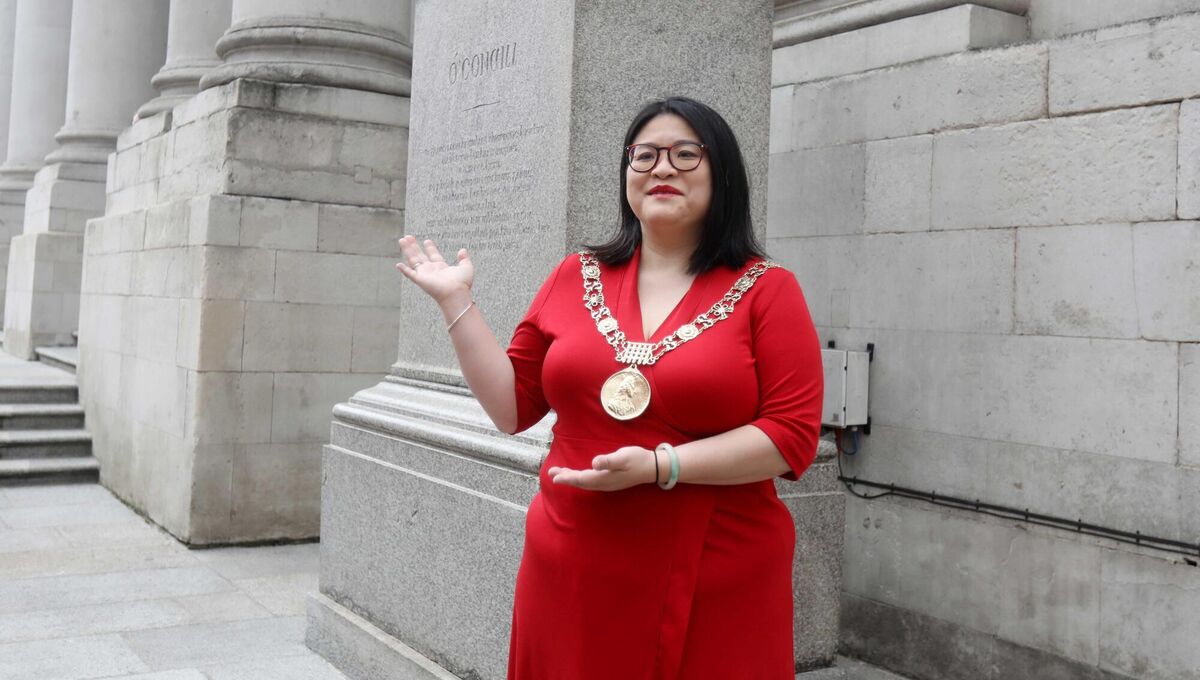
Growing up in Ireland, she was surrounded by nine Chinese-speakers — her parents, her brother and her cousins — so by the time she got to school, she was still speaking Chinese as her first language.
Reading any book she could find in the library after school is what helped her tackle English.
“I was still speaking Chinese by the time I started school, there were nine of us all speaking Chinese at home.
"It wasn't hard to pick up the language because I went to school every day, but it was the reading that was hard.
"It was hard to go through the language in book form,” explains the Lord Mayor.
“So what I did was I started going to the library around the corner after school each day.
"I didn't have anyone to pick me up — my parents were working around the clock to put food on the table.
"So when I was waiting for my parents to pick me up, I was there and I started to look at different book sections.
"I was the only kid there and I would read anything I could get my hands on,” she says.
Some of her beloved childhood books included the Pongwiffy series by Kaye Umansky and The BFG, Matilda, and The Witches by Roald Dahl.
As she got older she moved on to Nancy Drew and Sweet Valley High, but it was an Irish Famine-era series that really captured her heart.
“I remember reading Under the Hawthorn Tree by Marita Conlon-McKenna, and then Wildflower Girl was next.
"I couldn’t wait for it to be out and when it came out I’d sit there at night hiding under the blanket with a torch after my parents had turned the lights out,” remembers the Lord Mayor.
So far in her term as Lord Mayor, she has focused heavily on cultivating anti-racism and, like all Irish children, she too read To Kill a Mockingbird in school.
“Everyone had told me about this book and that it was about racial inequality, I found it really sad when I read it.
“I'm not even close to experiencing that kind of racial injustice, but I did have a sense that 'this is wrong, it's really, really horribly wrong',” she says.
In her later years, her taste shifted and she read The Lord of the Rings.
It is this series that she would now give to both young adults and adults if she was buying someone a literary gift.
But when it comes to politics she would diverge slightly and give adults the fictionalised version of Hillary Clinton’s life, had she not married Bill — Rodham, by Curtis Sittenfeld.
“It's a good political book, but I prefer fiction”.
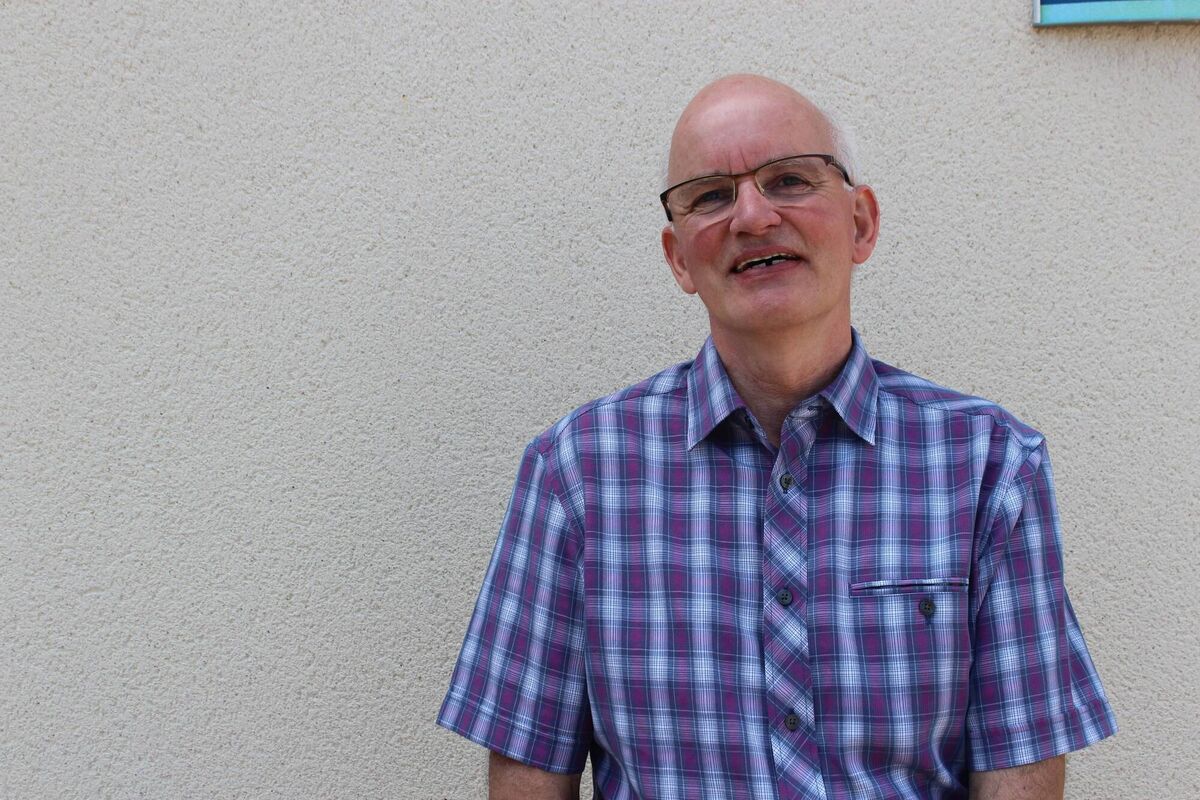
“I could read and write my name and maybe work out a few words in a paragraph but that was it,” said Michael.
All of his friends were on Facebook and he was feeling like he was missing out a bit, so he signed up for a computer course when he was 57 years of age.
“There was a portfolio to prepare for the course and the tutor handed out briefs, but I couldn’t read the briefs. I couldn’t understand them and I was going to drop out. But the tutor organised a one-to-one literacy course and that took me nine months,” explains Michael.
“I used to feel embarrassed, I thought I was the only one who couldn’t read,” says Michael.
After his one-to-one classes, Michael moved to group classes, with nine or 10 other people, run by the Cavan and Monaghan Education and Training Board.
“I thought: ‘I’ll be the fool again’, but they were in the same boat as me. That was a great morale boost. There was a double benefit for me — it improved my confidence hugely, and it gave me the drive to move on and do a little bit more,” says Michael.
That course was a level 3 Fetac (Further Education and Training Awards Council) course in communications, and after that, he moved to level 4, which he passed with distinction.
“At this stage, I was fit to read,” says Michael.
“I absolutely love reading now — it has opened up a whole new world to me."
Michael now passes whole evenings reading without realising the time.
“You’d see dignitaries or politicians on the news, and you don’t get the full story on TV, so now I love reading about people's lives, people in authority. I’ve read all of Michael Harding’s books and I've also read Matt Cooper’s book on Michael O’Leary, and Tony Ryan’s book — he was an incredible man,” he says.
Being able to read books is not the only benefit he received from doing his one-to-one literacy training and communication courses.
“It changed my life. It opened up a whole new world to me. I do webinars now and I volunteer with [the National Adult Literacy Association] Nala, and I volunteer with a local suicide prevention group,” he explains.
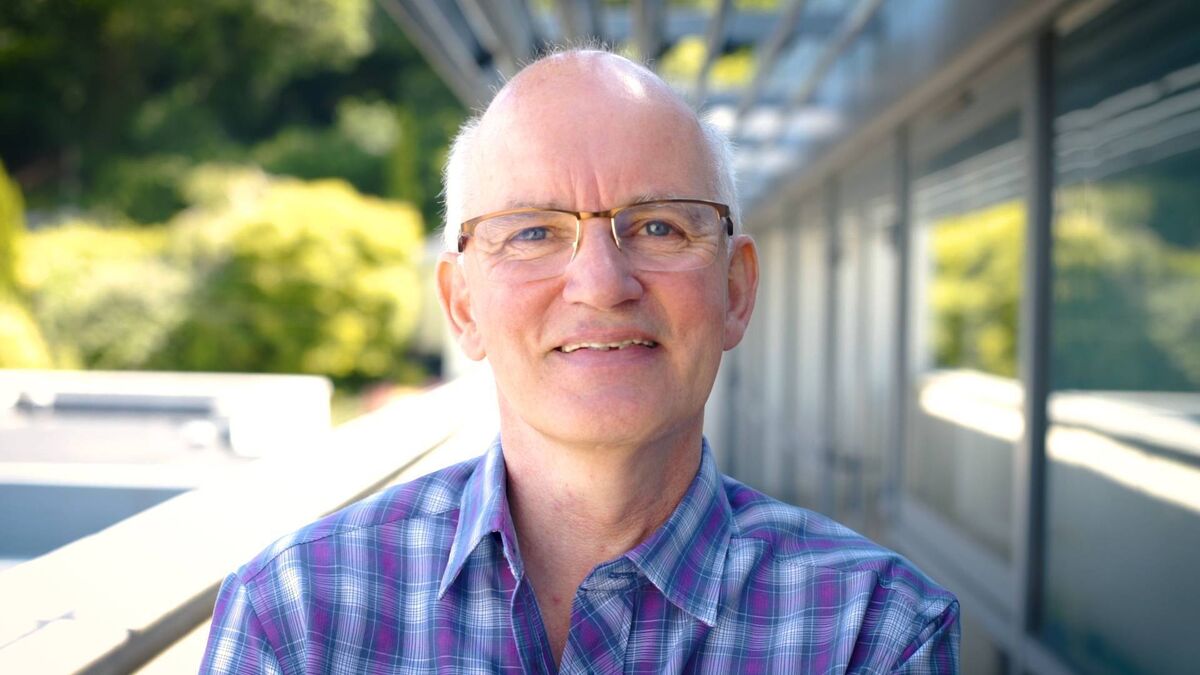
How did Michael manage to get to 57 without being able to read or write?
“When I left school, back in the '60s, you could fluff your way and I got a job in a meat processing factory, if you could count to 10 you were flying and most people were the same. I’d see fellas writing down 10 and the next number was 100.
“The money was good and you just sailed along, the money was very good actually and you were happy enough.
“I got married and my wife was very supportive, we used to go a lot to the States and she used to do the paperwork,” says Michael.
On the odd occasion, his reading and writing challenges would crop up, such as the time when a young nephew approached him with a book and asked him to read him a story.
It was actually Facebook that gave him “the hunger” to pursue literacy skills, so he would no longer feel like an “outsider”.
“That was the lightning rod, it was then a rolling stone from there,” says Michael.
His biggest tip for anyone wanting to learn to read is to break words down into “beats” or syllables. He would do this with any word he would see written down, road signs in particular.
Nowadays, he reads for pleasure.
“I’d look at the clock and it would be 7pm, then next thing it would be 9.45pm and I’d say: ‘Where did that time go?’ I just get so engrossed. If someone had said I’d be reading a book in the evening 10 years ago, I’d have said: ‘Are you well in the head?’ “I’d encourage anyone to start to learn to read. I kept that burden for 57 years under my coat, it was a big relief when I dropped that.
“When I went into that class at 57, there were older people and much, much younger people — 20 years younger. The problem is not just my generation, there are others who slipped through the net too,” says Michael.
CONNECT WITH US TODAY



Be the first to know the latest news and updates