An Irishwoman's Diary series 1: Meet the Irish women who left their mark on history
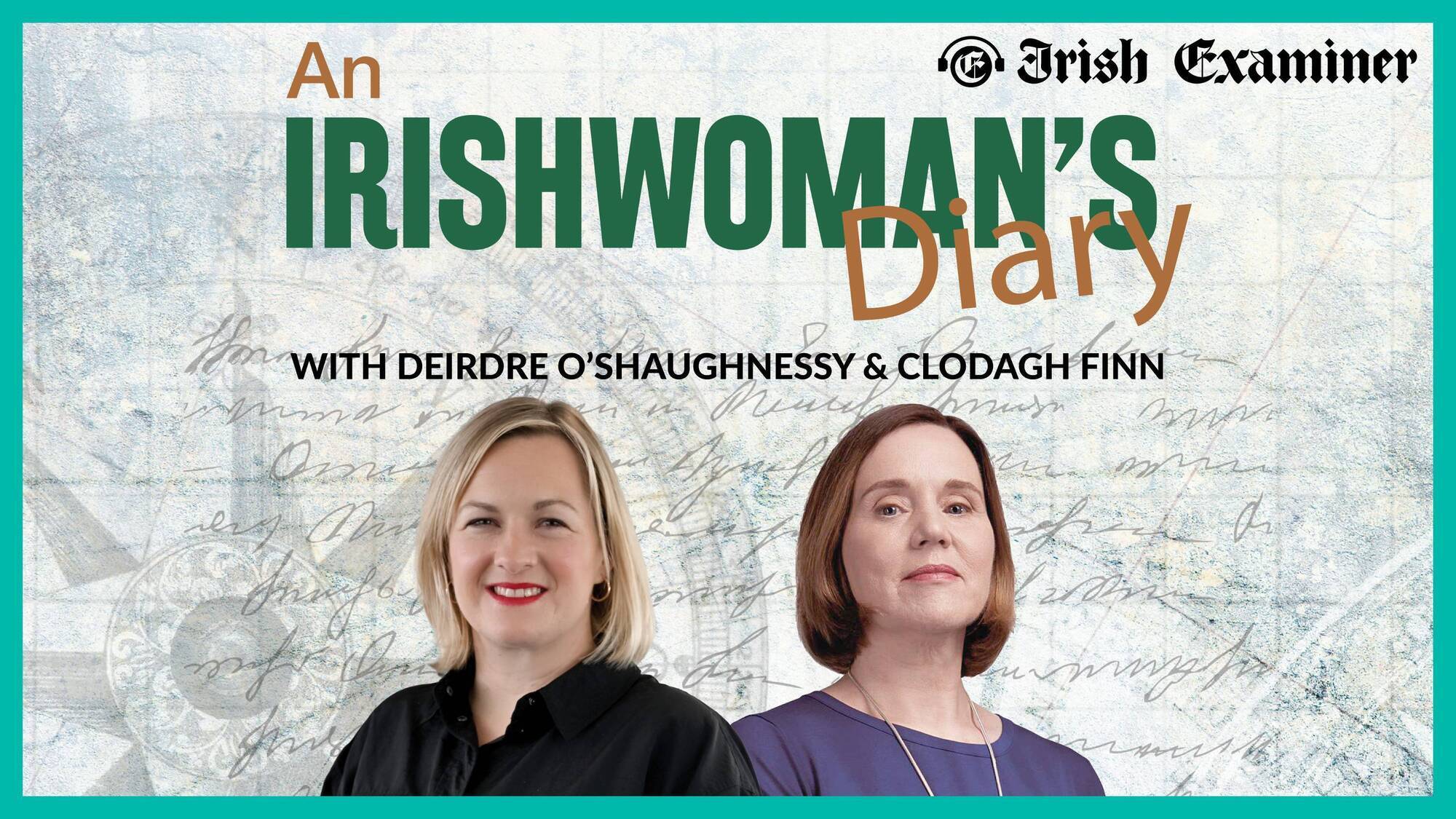
Deirdre O'Shaughnessy and Clodagh Finn discuss six Irish women and their incredible stories.
Calling women pigs has been a trope to bring down women throughout history.
The famous ‘pig-faced woman’ of Dublin was a trailblazer — in the 1700s Grizelda Steevens set up Ireland’s first public hospital using an inheritance from her twin brother.
Working with artisans, builders, doctors and notable figures in Dublin society, her work provided the first freely available medical treatment to the city’s poor.
The hospital she founded is home to the HSE today.
“A tough type of woman, at the moment growing quite a successful moustache... Not particularly intelligent, and does not seem [to] take her work very seriously.”
Despite this blistering account of her capabilities written by a training officer, Maureen O’Sullivan was one of the most successful Allied agents in the French Resistance, lasting seven months in the field compared to an average life expectancy of six weeks.
Her fascinating life story has been uncovered in recent years and she’s been honoured in France.
Read More
The first female stockbroker in the world made her debut on the trading floor of the Dublin Stock Exchange in 1927, at a time of unprecedented equality and opportunity for Irish women.
Oonah Keogh's groundbreaking role was entirely forgotten by all but her family until documents in relation to her were uncovered by stock exchange staff during covid – and now there’s a room named after her in the grand old building.
Her sister Amelia was a notable artist who painted the famous portrait of Frankenstein author Mary Shelley and that of her husband, the Romantic poet, and came to the attention of US vice president Aaron Burr, currently enjoying a resurgence in notoriety thanks to the musical Hamilton.
How two sisters from Newmarket in Cork came to associate in such exalted circles is a fascinating story.
Anna Wintour is only following in the footsteps of Carmel Snow, who edited Harper’s Bazaar for 25 years, with a vision of catering to “well-dressed women with well-dressed minds”.
She brought Dior and Givenchy to a US audience, hung out with Coco Chanel and Salvador Dali, and edited writers like Truman Capote, Maeve Brennan and Frank O’Connor, never losing her interest in championing Irish writing.
May McGee was a young, hearing-impaired mother to four children under the age of two living in a caravan when she took the Irish State to the Supreme Court challenging its position on contraception, and won.
Complicated pregnancies, including a stroke she suffered in one, meant that she was advised to take contraception by her doctor. But the spermicidal jelly she ordered in the post was intercepted by Customs, and she and her husband were threatened with prison. She was furious at the Government interfering in her private life.
May, who died late in 2025, made it possible for Irish women to plan their families and to take control of their own fertility.

CONNECT WITH US TODAY



Be the first to know the latest news and updates