Top civil servants warn Government expenditure levies on departments will result in cuts to services
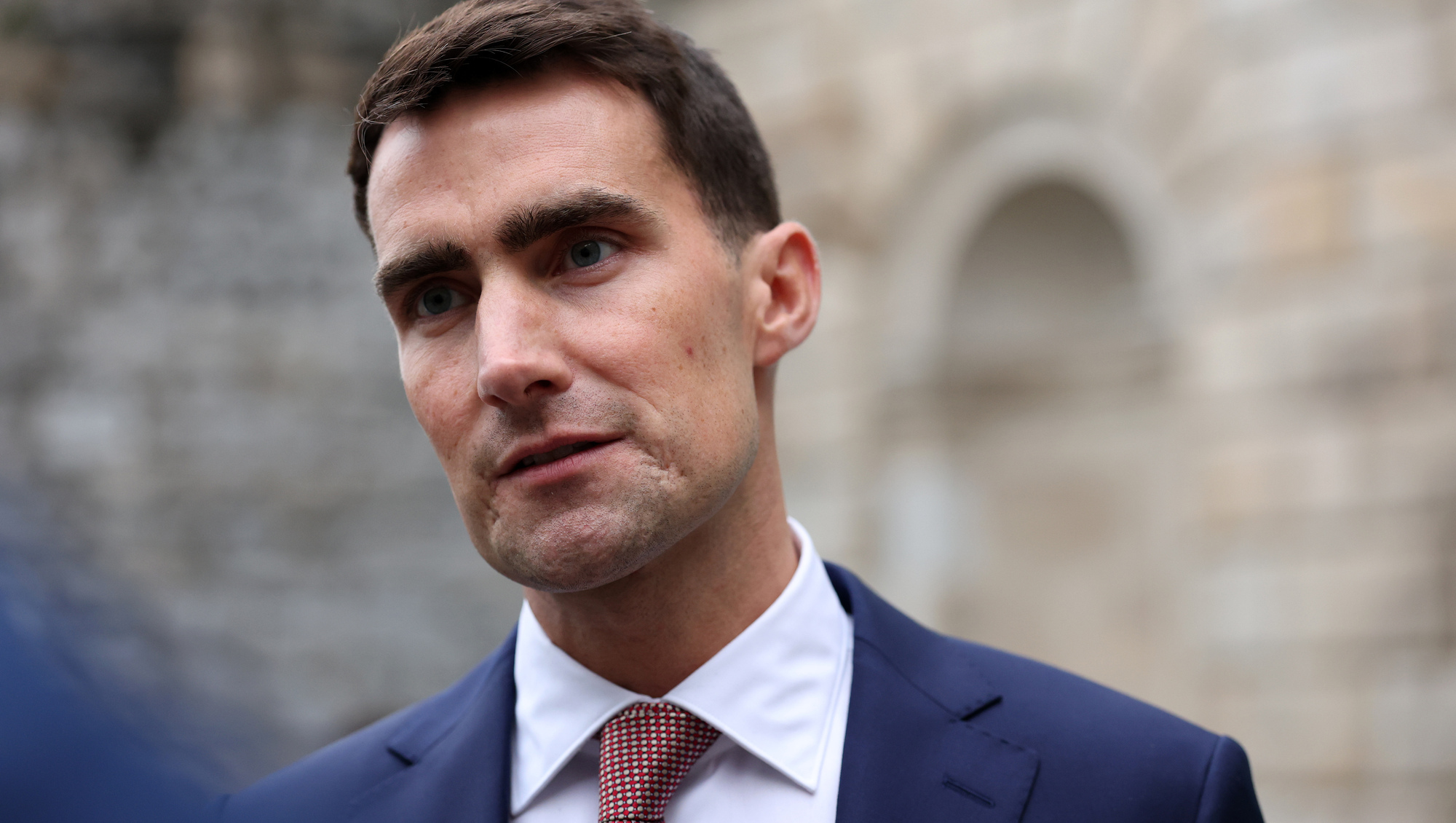
Public expenditure minister Jack Chambers: Budget 2027 saw all Government departments introduce savings proposals, including restrictions on hiring new staff in parts of the civil service.
The Government’s top civil servants warned the Department of Public Expenditure a €446m expenditure levy would be “challenging” for departments to reach without cuts to services.
Budget 2027 saw all Government departments introduce savings proposals, including restrictions on hiring new staff in parts of the civil service.
However, in proposals submitted to the Department of Public Expenditure earlier this year, several secretaries general of Government departments warned it would be “challenging” to find savings.
The Department of Enterprise’s secretary general, Declan Hughes, wrote that his department was “increasingly constrained” in its ability to deliver more savings.
Mr Hughes said this was due to increased functions and regulation requirements under the programme for government, with agencies serving “a growing client base without corresponding increases in budgetary resources”.
He added it would not be possible to find €8m in savings and efficiencies and it would also be required to cut funding to the IDA, Enterprise Ireland and Fáilte Ireland.
It was also noted by Mr Hughes the department was constrained by cost-sharing arrangements with the Northern Ireland Executive, meaning it could not unilaterally cut funding in certain areas.
“As a result, there is limited flexibility to achieve savings in many areas without impacting on the delivery of agreed responsibilities and priorities."
Similar concerns were raised by the Department of Defence, with secretary general Jacqui McCrum writing a €12m levy would create “significant additional pressure on the implementation of the Commission on the Defence Forces transformation programme”.
Ms McCrum added the levy could be managed in the short-term, but it would reduce “flexibility to address any emerging or unforeseen operational exigencies”.
The Department of Higher Education warned its €53m levy would be delivered by reducing grant funding to areas across its remit.
Secretary general Colm O’Reardon said the objective was to “maintain service levels and supports for learners as far as is possible”.
However, he pointed to potential impacts, including restrictions on hiring in higher and further education, as well as restrictions on “new programme offerings”. Mr O’Reardon also warned of caps being placed on apprenticeship programmes.
He added there were “significant grounds for concern” about the ability of third-level institutions to absorb reductions in grant support, citing the increased cost of energy and an underfunding of pay awards and pension costs.
At the Department of Finance, the submission confirmed €8.89m of the required €10m levy would be achieved by the Revenue Commissioners.
The Department of Housing, Local Government and Heritage proposed a €5m reduction in 2027 spending, allocating €3.83m of the cut to the department itself, €1.04m to Uisce Éireann, €113,777 to Tailte Éireann and €14,840 to the Electoral Commission.
Within its own budget, the department assigned €2.73m of savings to housing, €331,327 to water, €183,096 to local government, €150,249 to planning, €51,342 to Met Éireann, €265,723 to heritage and €118,563 to administration.
It said it would streamline internal procedures, support local authority reforms and expand digitisation, including Project Díon, electronic licensing and the LGMA Innovation and Reform Programme.
The Justice Vote Group faced a €39m levy, which officials said could only realistically be applied to Ukraine-related accommodation costs. Measures included reducing accommodation rates, consolidating or terminating contracts, renegotiating agreements every three months, cutting contract terms from six months to three and targeting vacant properties.
Transport said an €18m saving was not achievable without affecting services. It cited the National Vehicle and Drivers File Bill, which would remove physical motor-tax discs and potentially save €8.9m gross in 2027. However, additional ICT, postage and software costs, including €400,000 in annual support costs, would reduce the benefit.

CONNECT WITH US TODAY



Be the first to know the latest news and updates