Taoiseach: 'Unelected and self-appointed people can't determine who gets oil in this country'
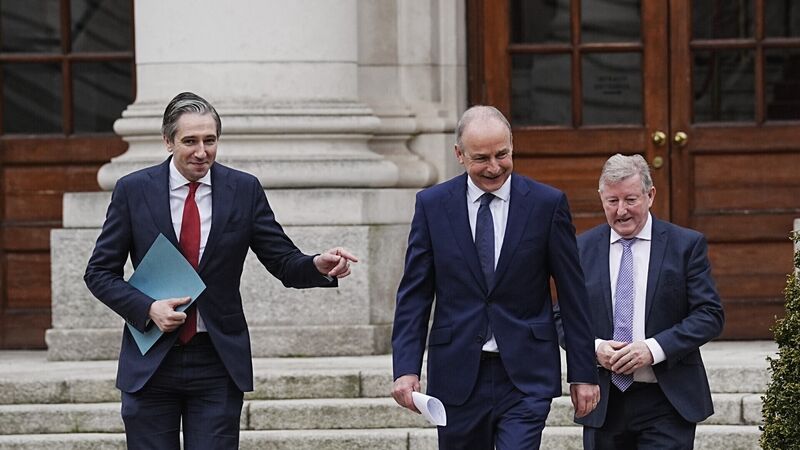
Tánaiste Simon Harris, Taoiseach Micheál Martin and Minister of State Sean Canney arrive to speak to the media in The Courtyard at Government Buildings, Dublin ahead of a leaders' meeting on fuel prices. Picture: Brian Lawless/PA Wire
Micheál Martin has warned Ireland is “on the precipice” of turning oil away and may not be able to process fuel as garage forecourts run dry due to protesters blocking oil refineries and depots.
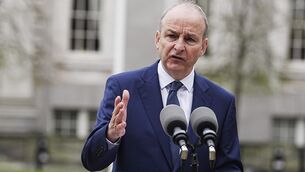
Saying people do not fully understand how serious the crisis is becoming, he added that “unelected and self-appointed people can't determine who gets oil in this country”.
The Taoiseach said Ireland is at risk of losing its oil supplies as other countries scramble for fuel amid a global crisis.
He also reiterated that the Government will not engage with the protesters, noting that one organiser said the blockade on O’Connell Street would not be stood down until their demands were met.
Read More
The Taoiseach also ruled out the prospect of energy credits but suggested a support package for businesses could be introduced.
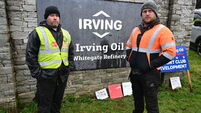
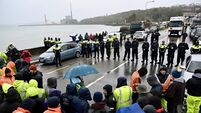
A large Garda presence is in place at Whitegate Oil Refinery on Friday morning. Fuels for Ireland has predicted that up to 200 forecourts could run dry on Friday due to a lack of deliveries.
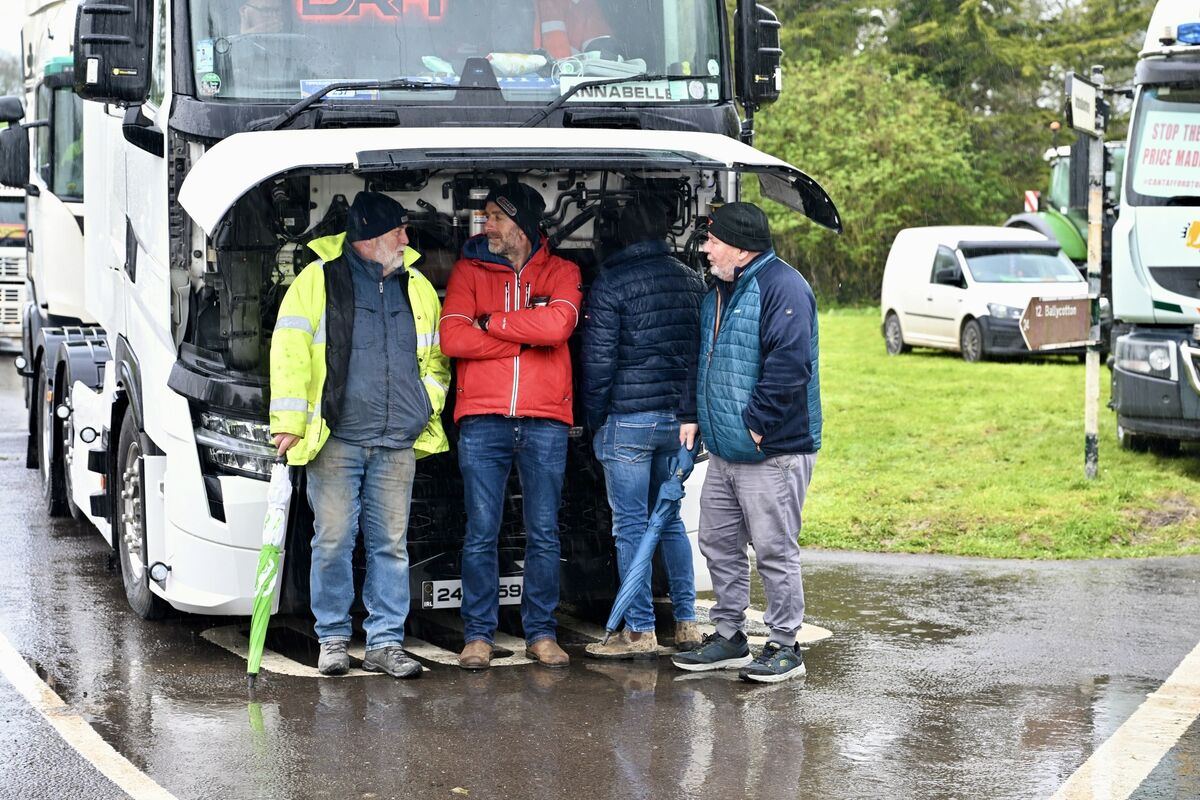
Speaking on , Mr Martin said the Government accepts there is an “issue around the price of fuel”, even before the war in Iran.
“The situation is very severe now, and I don't think people out there perhaps realise the gravity of the situation,” the Taoiseach said.
“Particularly as it pertains to Whitegate and to the ports. We're in the middle of an oil supply crisis globally. We were in a strong position because of our NORA reserves.
“We have an oil refinery that's processing product to finished product level. That's a huge asset.
“Now we're in a situation because of these blockades that we are now on the precipice of turning oil away from the country in the middle of a global oil supply.
“The oil tanker off Galway is one. Someone else will buy that if we don't land it.
“The refinery will not be able to continue to process product. It will not have a sufficiency of storage capacity if product doesn't come out.
“One of the issues that we'll have to look at is potential diversion of product coming into Whitegate to the international markets.”
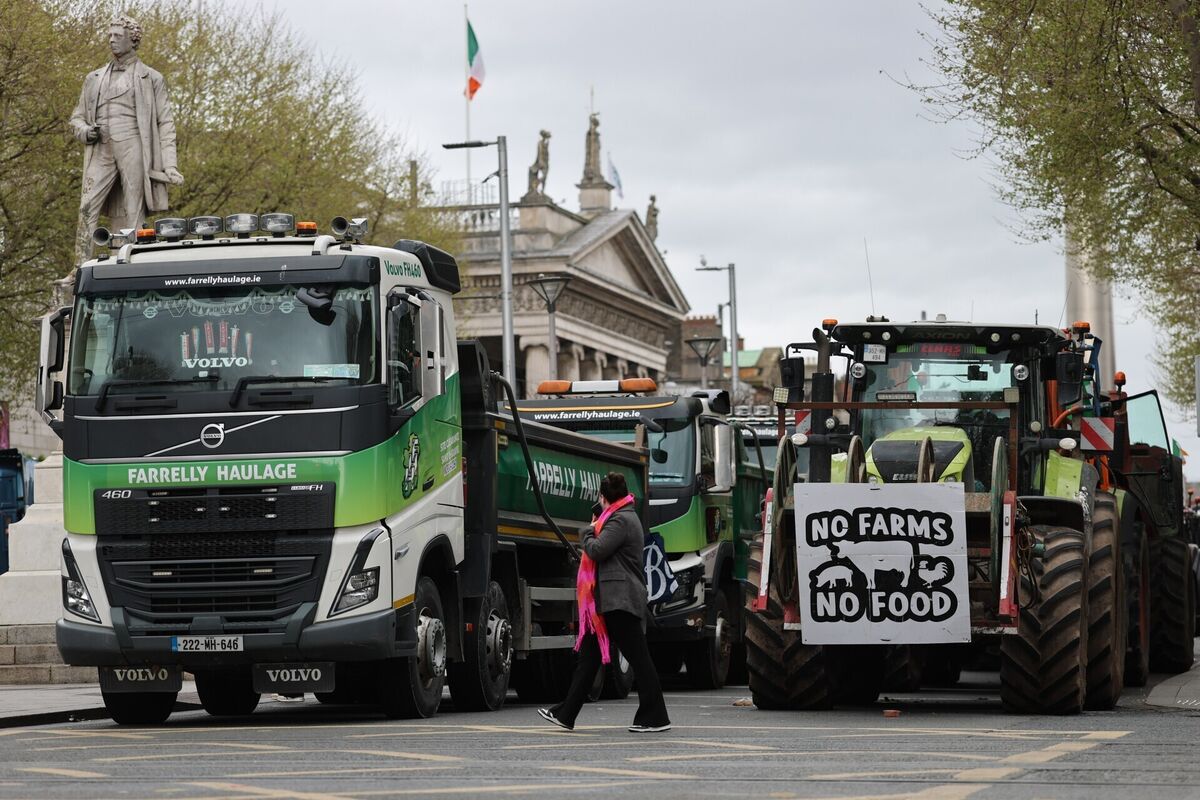
The Taoiseach said it was correct to say Ireland was at risk of losing its oil supply.
He continued: “It is unconscionable, it's illogical, it's difficult to comprehend. That is why the police and the gardaí are at Whitegate and will be at the ports to ensure that we get vital, needed supplies for our people.
“The objective of Government and the obligation of Government to protect the rights of the population at large.
“It's not up to, with the greatest respect to everybody, unelected and self-appointed people [who] can't determine who gets oil in this country, can't determine who gets to hospital, can't determine who gets to the Rotunda via O’Connell Street.”
The Taoiseach said there is currently no need to deploy the Defence Forces to Whitegate Oil Refinery, as it appears that tankers can go in.
However, he said this is a policing issue and “the law will be upheld”.
He added: “These are not blockades, are not a legitimate form of protest. This just can't be accepted as a legitimate part of protest.”
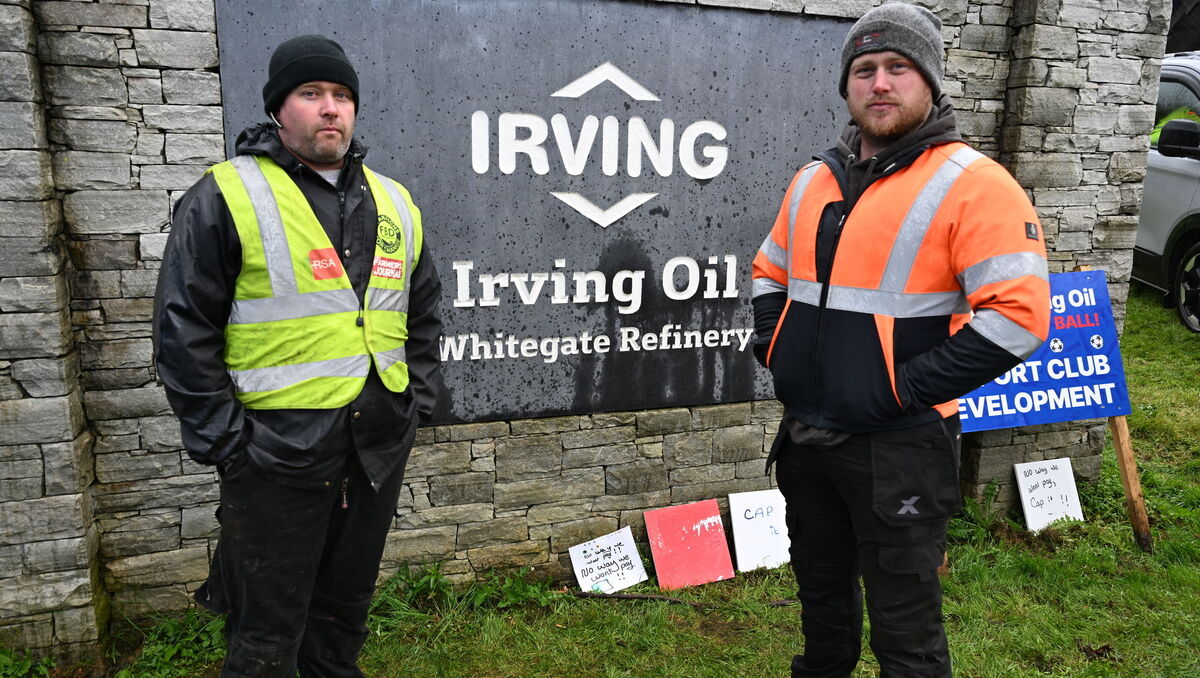
A meeting with representative groups will be held in Agriculture House on Friday afternoon. Despite protesters saying they would be in attendance, the understands none of the groups have included them in their delegations. The Government said it would not “dictate who is going to turn up”.
He argued that the Government has always acknowledged that more measures may need to be taken.
“We accept that we need to support the production, food production, side of the economy,” the Taoiseach said.
“We're engaging with the European Commission, as well, on some areas here, where we hopefully can free up other opportunities, particularly for contractors, because the contractor area issue has been difficult in terms of getting exact mechanisms to deploy.
“We were able to deploy certain mechanisms, for example, grants and supports to the industry during the Ukrainian energy crisis. We're seeking to do something similar here.
"We also want to hear from the organizations themselves even further. We put a lot of work into this. It's not finished, and we want to engage with others first, and it could take some time yet.”
Mr Martin said that further packages will be aimed at trade and will not include energy credits “at this stage”.
CONNECT WITH US TODAY



Be the first to know the latest news and updates