Pressure on Government to tackle increasing energy costs
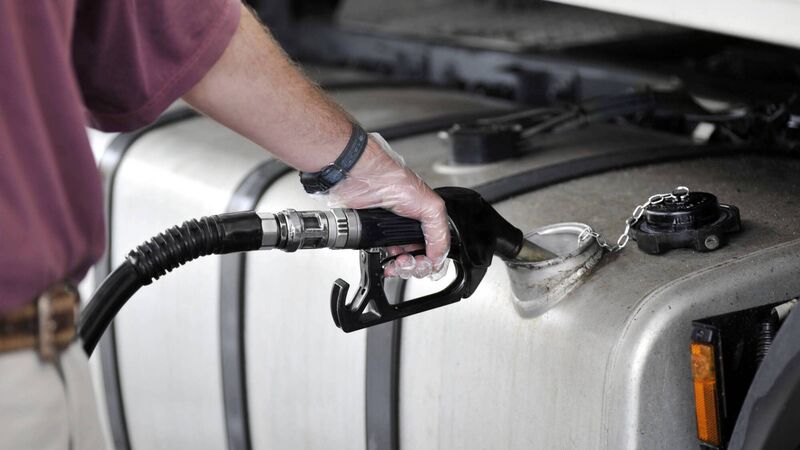
Tánaiste Simon Harris said Ireland needs the 'economic firepower' to protect itself from the economic shock caused by war in the Middle East 'in the months and years ahead'. Picture: iStock
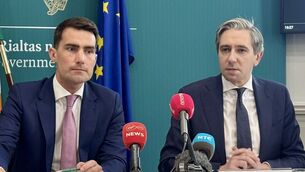
Pressure is growing on the Government to help households and businesses facing high energy costs, as Tánaiste Simon Harris warned that escalating conflict in Iran could have “significant consequences”.
Senior ministers will hold briefings on Ireland’s energy security on Wednesday amid the oil supply and price shock stemming from the war in Iran.
It comes as protestors left parts of the country at a standstill on Tuesday. They have called for further supports from the Government, including more cuts to tax on fuel.
Meanwhile the Department of Finance's chief economist has said that "all roads lead to higher inflation and weaker growth".
Read More
Mr Harris said Ireland is in a “reasonably good position” for energy supplies, with the National Oil Reserves Agency (NORA) having around 90 days’ worth of reserves.
However, he said if there is a further escalation and further damage to critical energy infrastructure in the Gulf, there would be “significant” consequences to the global economy.
“We will face an economic challenge of varying scale, substance, and severity, depending on the course of action that others decide in the
hours ahead,” said Mr Harris, referring to threats made by US president Donald Trump on social media.
Mr Trump threatened that “a whole civilization will die tonight” if Iran declines to reach a peace deal with the US.
Mr Harris said the Government would not be able to “fully shield” the State from the fallout, but it would act to “protect the most vulnerable and sustain our economic stability”.
He said the Government would be discussing “demand management” measures during Wednesday’s meeting, adding that these would be “sensible, common-sense measures”.
The Tánaiste pushed back against calls for more Government spending to alleviate the crisis, saying the Coalition is taking things “step-by-step”.
“It can’t just be about today. It has to be about keeping our powder dry and having economic firepower to protect Ireland in the months and years ahead from this shock,” Mr Harris said.
He said there would be a review of the excise cuts to petrol and diesel when the measures are due to expire in May.
Mr Harris called Mr Trump's threats “beyond unacceptable”, stating: “It's completely out of sync with international norms, let alone international law.
“The Iranian regime is brutal. It's a brutal regime that has brought misery to its people, but in Iran, there are many, many, many, many millions of innocent civilians, young children who get up this morning in their country, just like our kids wake up here in their country, and they're innocent.
“There’s very clear rules around war and threatening any entire civilisation is not in keeping with those rules of engagement.”
However, Mr Harris said he was conscious of judging people by their actions and not just their words.
Meanwhile, public expenditure minister Jack Chambers said that although the Government will continue to review additional measures, universal supports such as energy credits are not being considered, despite the go‑slow on major roads.
He said the emerging risk for Europe was around supplies of jet fuel, but that Ireland has “strong buffers and reserves” across different fuel types.
Mr Chambers said there needs to be a “debate” on the possible use of nuclear energy in Ireland, arguing that the policy context has changed since it was banned in the 1990s.
“I think we should have an open policy conversation about it and hear from the respective voices on either side. Everywhere else in Europe is having that discussion and we should do likewise,” said Mr Chambers, adding that any nuclear power would be delivered in the medium to long term.
Department of Finance chief economist John McCarthy declined to speculate on the possibility of a recession but said the Government is preparing for a longer-term impact on the economy from the war.
“I think, whatever way you look at it, all roads lead to higher inflation and weaker growth,” Mr McCarthy said.
“The extent is how much higher inflation and how much weaker growth.”
It comes as the Government unveiled its quarterly exchequer returns, with income tax receipts rising.
There was an overall deficit of €200m recorded in the first three months of the year, but this has been put down to €1.6bn of funds being allocated to Ireland’s sovereign wealth funds.
With this excluded, the State ran a surplus of €1.4bn.
- Tadgh McNally, Political Reporter


CONNECT WITH US TODAY



Be the first to know the latest news and updates