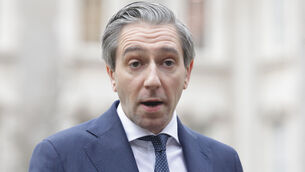
Government finalising support package as Middle East crisis continues to send fuel prices soaring
Simon Harris also cautioned that uncertainty surrounding the conflict’s duration makes it difficult to predict the full economic consequences.
The Government is to announce a package of measures to reduce fuel prices and support households and businesses, as disruption to global oil supplies continues to drive economic uncertainty.
Tánaiste Simon Harris said the interventions, due to be unveiled on Tuesday, are designed to ease the burden on consumers already under strain.
“I am very conscious of the fact that people are really feeling financial pressure, and indeed financial anxiety,” he said.
Read More
“I do, however, want to make some broader points. The hit to oil supplies is of the order 20 million barrels per day - making it the largest ever shock to the global oil market” he said. The rising costs are due to the ongoing conflict in the Gulf and wider Middle East.
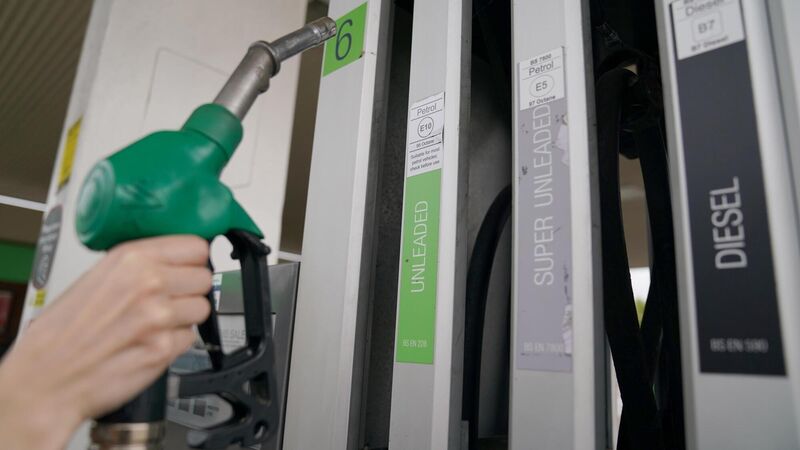
The measures will include steps to lower prices at the petrol pump, targeted supports for those most at risk of fuel poverty, and assistance for key sectors such as haulage, which underpin Ireland’s supply chains.
Simon Harris also cautioned that uncertainty surrounding the conflict’s duration makes it difficult to predict the full economic consequences.
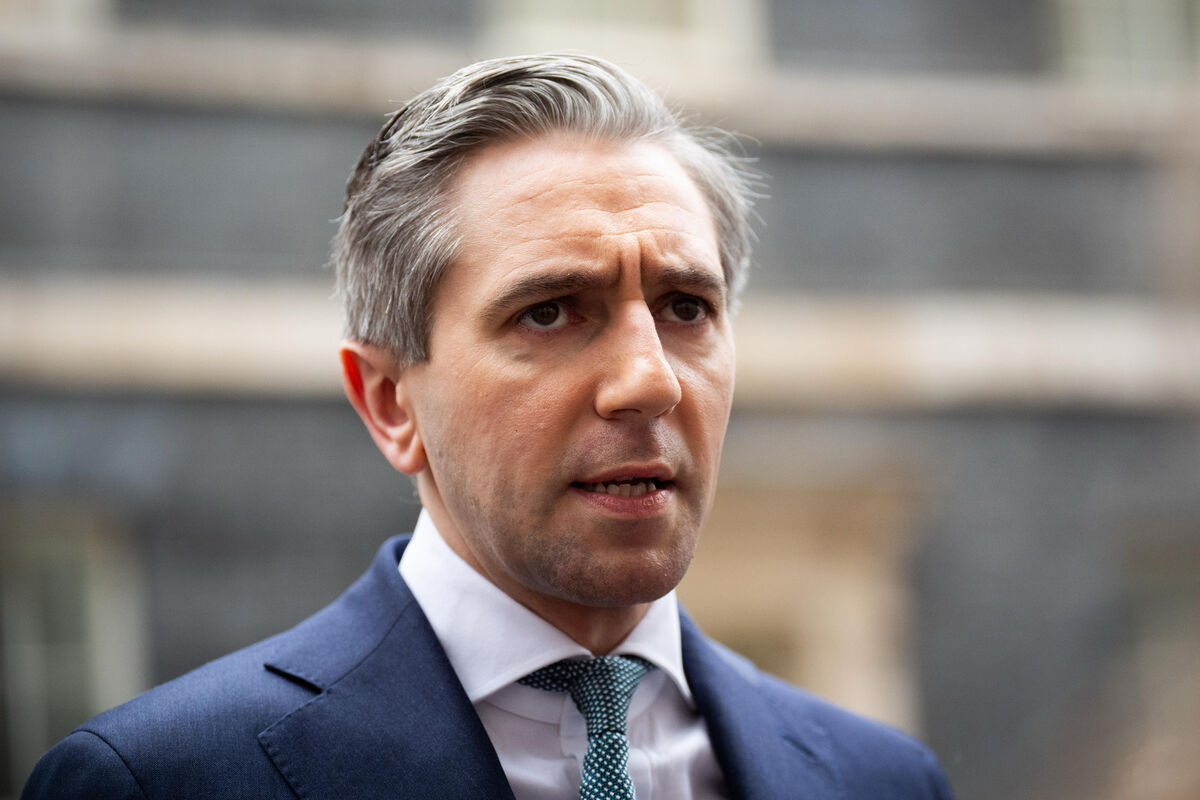
“At this point, there is no clarity regarding the depth and duration of the conflict,” he said, adding that the war would have a “real” impact on the global economy, from which Ireland “could not be immune”.
Despite the risks, he said that Ireland is in a comparatively strong fiscal position.
“We are approaching this global economic challenge from a position of relative strength,” he said, pointing to a significant budget surplus that provides “the fiscal capacity to respond”.
He defended the Government’s approach to maintaining surpluses during periods of grown.
“This common-sense approach, allows us to build up fiscal buffers and gives us the capacity to intervene when an economic shock arises,” he said.
The Tánaiste also noted wider financial pressures linked to the energy shock, including rising sovereign borrowing costs in some countries.
Ireland, he said, has avoided the worst of these increases due to its stable public finances. “Nobody knows what the situation will be in a month from now” he said.
“So we must remain nimble and flexible in our response,” he said, adding that supports would be kept under review and adjusted as needed.
A detailed macroeconomic assessment is being finalised and will be presented to Government and the Oireachtas in the coming weeks he said.
While the economy is still expected to grow this year, Minister Harris acknowledged it would be “at a slower pace than previously envisaged”.
He is due to raise the issue with European counterparts at an upcoming Eurogroup meeting, stressing the importance of coordination at EU level.
He said “The sooner we see a de-escalation of the conflict the better,” he said.


CONNECT WITH US TODAY



Be the first to know the latest news and updates