Taoiseach warns attacks on Iran energy infrastructure are 'unacceptable' amid escalating war
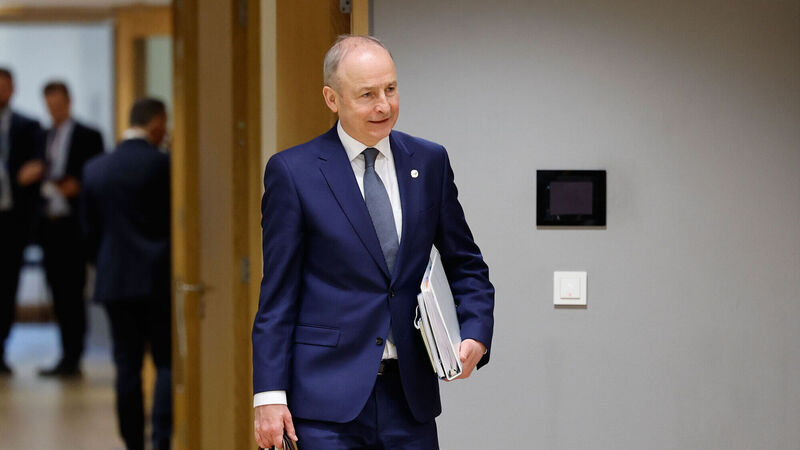
Taoiseach Micheál Martin arrives for a round table meeting at the EU summit in Brussels, Thursday, March 19, 2026. (AP Photo/Geert Vanden Wijngaert)
The Taoiseach has described attacks on Iranian and other energy infrastructure as part of the US/Israeli war in Iran as "unacceptable".
Israeli airstrikes are reported to have damaged the world’s largest natural gas airfield, South Pars in Iran, on Wednesday.
US president Donald Trump subsequently threatened to “massively blow it up” if Tehran responds with reprisal attacks on other Middle Eastern energy sites.
“Any further attacks on energy infrastructure in the Middle East are unacceptable," Micheal Martin told reporters in Brussels.
“It will have long-term repercussions for the energy market, and all sides need to desist from such attacks on energy infrastructure," he said.
Mr Martin is meeting fellow EU governments for a summit, in which the implications of the Iran war on the European economy are centre stage.
Leaders will also be joined by UN Secretary General, António Guterres, to discuss the ongoing humanitarian catastrophe in the Middle East and Ukraine after several years of war.
Mr Martin also responded to a question about the deaths of around 170 schoolchildren and teachers in Minab, Iran, on the first day of the war, saying it was “abhorrent".
US tomahawk long-range missiles are highly likely to be responsible for the attack, according to preliminary investigations conducted by the New York Times visual investigative team.
“Any killing of children is abhorrent, I’ve made that point already, both in the Dáil and elsewhere," he said.
Mr Martin has just returned from a meeting with Mr Trump at the White House for St Patrick’s Day on Tuesday. He said the EU and the UN need to assume a role in ending the conflict through diplomacy.
“Certain things can get said publicly, but I think a lot of diplomacy needs to happen, and Europe is well placed to use its diplomatic routes to try and get this back to a situation that can lead to a de-escalation and the resolution at the UN.”
The meeting is due to go down to the wire, as also on the table is the political crisis created by Hungary’s Prime Minister Victor Orban, who is reneging on an agreement to endorse a €90bn loan for Ukraine agreed last December.
Mr Orban claims Ukraine is obstructing oil access for Budapest from Russia through the Soviet-era Druzhba pipeline.
Ukraine says Russia bombed the pipeline, along with 80% of Ukraine's energy infrastructure, over the last winter. Hungary is demanding that Ukraine restore it and is vetoing access to the money until it is done.
EU leaders are said to be deeply frustrated at Mr Orban’s holding Ukraine to ransom by blocking the money, but the Hungarian - who is in the middle of a general election - says he won’t relent.
“The Hungarian position is very simple. We are ready to support Ukraine when we get our oil, which is blocked by them”, Mr Orban said on arrival at the summit.


CONNECT WITH US TODAY



Be the first to know the latest news and updates