Company awarded €2.2m emergency deal to record Oireachtas sittings
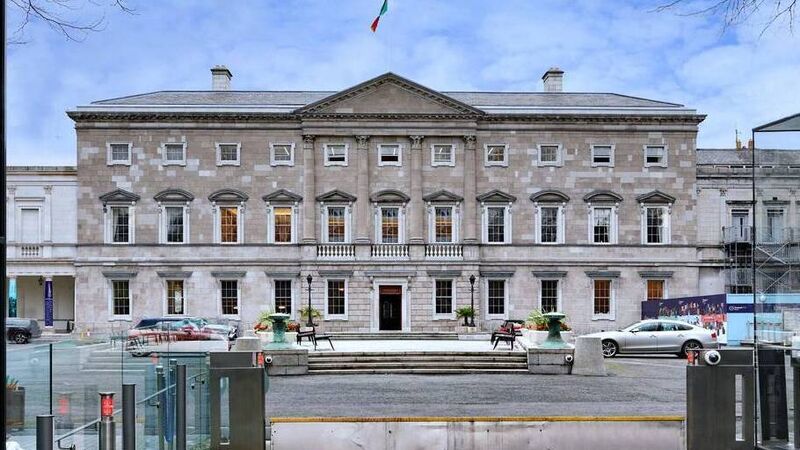
A team of around 20 people manage the live broadcast of all Dáil, Seanad, and committee proceedings, ensuring they are all accessible to the public and archived for posterity.
A firm which previously ruled itself out of a tender process for the videoing of Oireachtas proceedings is to be paid €2.2m to perform those duties on an emergency basis for the next 11 months.
PI Communications, which previously held the Oireachtas broadcast contract for 15 years, will be paid that amount to provide video archival and broadcast services until the end of 2026, per records released under the Freedom of Information Act.
The most recent five-year contract won by PI, awarded in 2020 and worth roughly €7m, also covers services for the Northern Ireland Assembly at Stormont.
The company operates offices in Belfast and Dublin.
The €2.2m expected to be paid to PI under the new short-term contract represents a rate at least 50% higher than the deal agreed in 2020, which equated to roughly €1.4m per year.
In confirming the €2.2m contract, the Oireachtas said it would not be possible to provide an exact figure regarding the contract’s value “as a portion of the contract charge is based around the sittings of the Houses, which can vary from year to year”.
The €2.2m figure is calculated as a “representative average” of Oireachtas sitting hours over the past five years.
The actual contract and associated documentation were not released “for reasons of commercial sensitivities to the service provider involved”.
Last summer a number of Oireachtas broadcast workers called on the Government to end their low-hour contracts by integrating them fully into the civil service.
A team of around 20 people manage the live broadcast of all Dáil, Seanad, and committee proceedings, ensuring they are all accessible to the public and archived for posterity.
The workers complained they were being paid about half the standard industry rate, earning roughly €12,000 per year, with some forced to register for social welfare during periods — such as the summer months — when the Dáil was not sitting.
Last October PI informed its staff that it had come to the “difficult decision” that it would not compete for the next iteration of the broadcast contract from 2026 because it carried “significant risk” and new obligations made it “unsustainable”.
“Overall, the structure did not provide a sustainable basis for delivery, for staff, or for the organisation,” the company said.
“Each of these pressures connect. Every one of us contributes to the whole; our collective effort is required to deliver the service.”
That contract had a value over €8m. The tender process began last September but concluded with no companies having formally entered the competition.
Last June, at least 125 TDs and senators sent a letter to the Oireachtas commission calling for it to directly employ the broadcast workers rather than tendering for a private service.
CONNECT WITH US TODAY



Be the first to know the latest news and updates