Government plans PPS-based age checks for online platforms to protect children
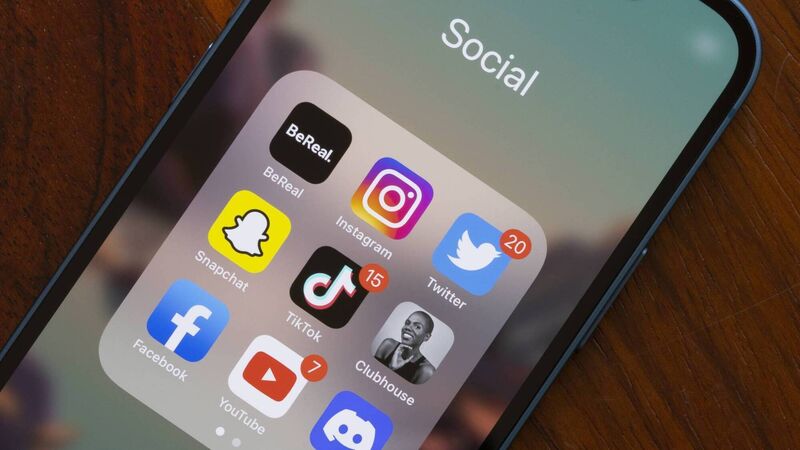
Mr O'Donovan's comments came as social media giants appeared before the Oireachtas media committee, with TikTok, Google, and Meta each arguing against blanket bans of social media.
Age verification for online platforms will come before the Cabinet next month, with the aim of it being in place sometime this year.
Several countries across Europe, including France and Spain, have outlined plans to enforce minimum ages for using social media platforms.
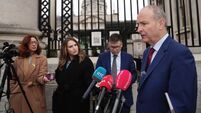
Media minister Patrick O'Donovan said he had hoped that the European Commission would have acted in unison on the issue, but that this had not happened.
The Data Protection Act 2018 set the age of digital consent at 16. This means online service providers such as social media platforms must obtain the consent of the child’s parents.
Mr O'Donovan said the proposed Irish system would use PPS numbers to process data, which would not be held by a third-party company.
He said he was "appealing to the opposition and commentators" to view the plans as child protection measures, rather than seeing them as an infringement on rights.
"You wouldn't allow a child of six or seven into a pub, sit up at the bar, and order a gin and tonic, because it's bad for their health. But we're allowing children onto something that we know creates huge public health issues," he said.
He said he "hoped" that the plans would be operationalised later this year. The plan would have a single-use "verifiable dataset" rather than an age estimation system.
He added that his plans would be done "incrementally" with government approval.
Mr O'Donovan's comments came as social media giants appeared before the Oireachtas media committee, with TikTok, Google, and Meta each arguing against blanket bans of social media.
The meeting was not attended by Elon Musk's X, a decision criticised by the Government, committee members, and witnesses alike.
Asked if they would support a ban on under-16s accessing their platforms, a representative for TikTok said such a move would drive children to other parts of the internet.
"If countries are going to proceed with this type of legislation, it does need to apply equally to all technology companies, based on the risk they could potentially cause to children," the company's minor safety public policy lead Richard Collard said.
TikTok's head of public policy, Susan Moss, told TDs and senators the presence of harmful material is not a reflection that a company was "failing".
This was criticised by Fine Gael senator Evanne Ní Chuilín, who said that there should be a "zero-tolerance" approach to harmful material.

CONNECT WITH US TODAY



Be the first to know the latest news and updates