Budget watchdog to warn Government against increased day-to-day spending and tax cuts

Ifac chairperson Seamus Coffey will warn against runaway Government spending, which is 'expected to grow at a faster rate than the economy'.
The Government needs to “make choices” between increasing investment, increasing day-to-day spending and cutting taxes to protect the economy, the Irish Fiscal Advisory Council (Ifac) will warn tomorrow.
In its opening statement to the Oireachtas Budgetary Committee, Ireland’s budget watchdog will tell TDs and senators the Government will leave the country in a "more vulnerable position" due to smaller budget surpluses.

Ifac will be at the committee to discuss the medium-term fiscal and structural plan published by finance minister Simon Harris and public expenditure minister Jack Chambers in December. This was required under a revised EU fiscal framework.
Spending increases will be weighted towards capital expenditure, with investment under the National Development Plan set to average 5% of national income over the rest of the decade.
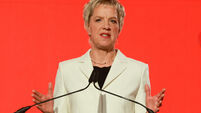
At tomorrow’s Budgetary Oversight Committee meeting, Ifac officials, including chairperson Seamus Coffey, will warn against runaway Government spending, which is “expected to grow at a faster rate than the economy”.
They will say net spending is planned to grow at an average rate of 7.1% between 2025 and 2030.
“Spending in 2030 is now forecast to be 50% higher than it was in 2024 and more than double the level of spending in 2019,” Ifac will say.
“The planned pace of spending growth is faster than Ireland has implemented historically.”
The budget watchdogs will also say spending increases will be “almost double the average of other EU countries”.
“The council assesses the planned growth rates of net spending are above an appropriate level,” they will continue. “Given the economy is already performing well, it does not need support from fast increases in Government spending.
“This does not mean that the Government cannot commit more resources to resolving issues such as Ireland’s infrastructure.
It said if the Government ran bigger surpluses today and made larger contributions to its savings funds, Ireland would also be better prepared for future challenges.
Ifac will also warn the Government will leave Ireland in a “more vulnerable position” due to its plan to run smaller budget surpluses, something which is “dependent on corporation tax receipts continuing to grow”. If the corporation tax intake stagnates at 2025 levels, there will be a budget deficit from 2028.
It will also argue it “remains to be seen” whether the Government will stick to this plan, noting spending in 2025 was €3.9bn higher than originally budgeted for.