Gym tax credit, vape levy, and VAT cuts among Budget 2026 options in new strategy papers

The papers outline that cutting the VAT rate for the hospitality sector — including pubs, restaurants, hotels, and hairdressers — would cost €867m per year. File photo
The Government has been advised that splitting the VAT rate for food and accommodation within hospitality could lead to underpayment and manipulation of the tax.
The coalition is expected to reduce hospitality VAT from 13.5% to 9% in Budget 2026, with ministers stating that this cut applies only to the food sector.
The Tax Strategy Group (TSG) submitted papers presenting options for ministers ahead of the annual budget.
The papers outline that cutting the VAT rate for the hospitality sector — including pubs, restaurants, hotels, and hairdressers — would cost €867m per year.
This is lower than finance minister Paschal Donohoe’s earlier estimate of €950m to €1bn per year.
To specifically cut the rate for pubs and restaurants alone would cost €674.6m per year.
While it is possible to split the VAT rate between restaurants and accommodation, the papers warn of “practical operational concerns” around separate rates.
They warn the risk of VAT underpayment increases “because the charge for accommodation and meals would have to be apportioned.”
“This is likely to give rise to administrative and operational complexity as well as increased risk of avoidance and scope for manipulation of the VAT system,” they add.
On income tax, the papers suggest that wage growth will be 4% in 2026. The Government has committed to indexing tax credits.
Indexing by 4% would result in an €80 increase in primary tax credits and a €1,760 increase in the Single Standard Rate Band in Budget 2026, bringing the 40% tax entry point to €45,760.
This would cost €1.1bn in a full year. The total tax package for Budget 2026 is €1.5bn, with a significant proportion consumed by the hospitality VAT cut.
The cost of indexing by 2% would be €560.
The Programme for Government also committed to exploring a gym tax credit.
However, the TSG recommended against introducing this, suggesting it would produce significant “dead weight.”
Sport Ireland estimated in 2023 that 1.47 million people were members of gyms or sports clubs (or both).
It estimated that 13% of adults, or 546,000 people, had gym memberships.
The TSG assumed 550,000 members with an average annual cost of €500, aiming to increase membership by 100,000 (20%).
This would cost €55m for current members, rising to €65m per year when including new members.
It stated that €55m of this cost is “dead weight”, as it benefits existing gym members who do not need an incentive to join.
It added: “Notwithstanding this lack of data on retention and usage rates, it might still be reasonable to consider that those primarily incentivised to take up a gym membership by the existence of a modest tax incentive, may not necessarily be the most consistent of users of gym facilities once they have joined.”

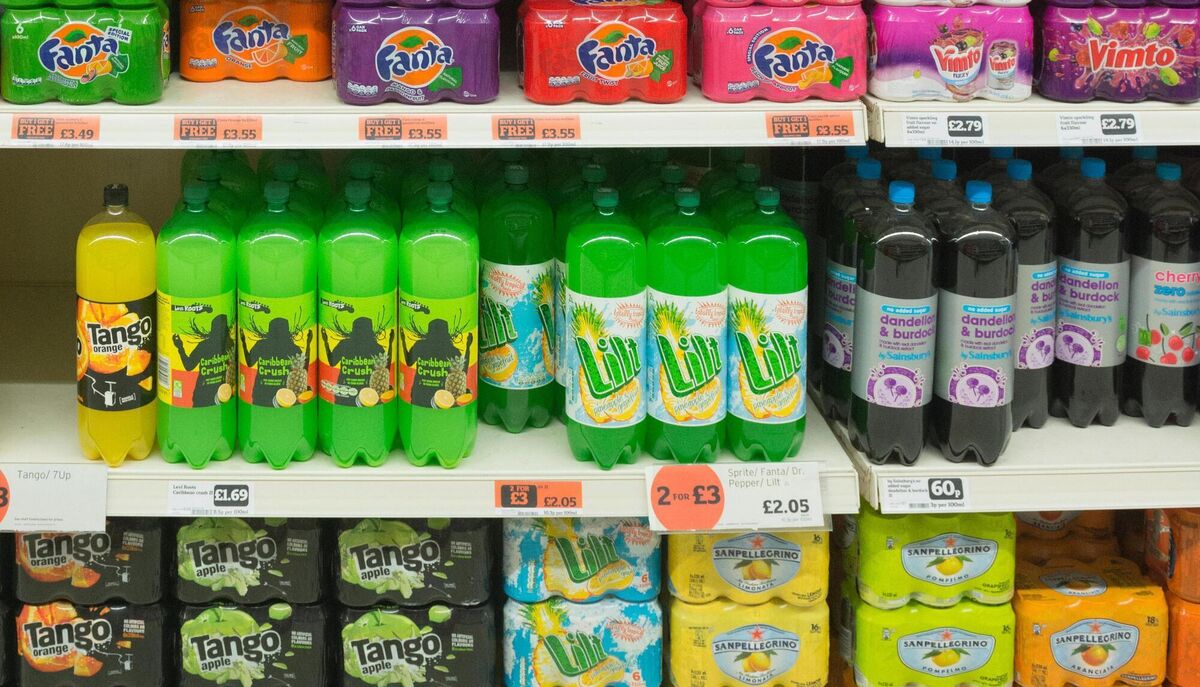
Consideration is also being given to increasing the Sugar-Sweetened Drinks Tax, applied to sugary drinks and mineral waters.
The tax applies to all drinks with added sugar totalling 5g or more per 100ml.
If there is more than 5g per 100ml, the tax adds around 6.6c per 330ml can.
At over 8g per 100ml, the tax adds around 9.9c per 330ml can.
The papers provide two options:
- increase the lower rate by 2.2c per 330ml can, and the higher band by 3.3 c per can.
- introduce annual increases over five years, with the lower rate rising by 2.5c per year and the upper rate by 5c per year.
It is estimated that by 2029, such a change would have raised €91m.
Elsewhere, the papers indicate that the lower Universal Social Charge (USC) rate for medical cardholders is ending.
There is currently a USC concession for medical cardholders with total income under €60,000 per annum, paying a maximum of 2% rather than 3%, resulting in savings of €326.
Although a 2022 report found there was “not a strong case” for maintaining the lower rate, it was extended as a cost-of-living measure.
The TSG stated that medical cardholders are “no worse off than other income earners where income levels are equal”, and having a medical card offers “a benefit over and above that available to non-medical card holders in the form of the reduced rate of USC” in addition to free medical services.
The documents also provide options for hiking excise on cigarettes, with a €1 increase estimated to yield as much as an extra €73m per year.
However, they note that higher prices may reduce demand, creating a greater incentive to buy cigarettes abroad or purchase illicit products.
The Government’s newly proposed e-cigarette tax would raise the cost of a disposable vape by €1, while doubling the price of a 10 ml refill cartridge from €5 to €10.
The papers estimate that vape tax revenue would range from €46.5m to €149.9m per year, depending on market response and a potential ban on disposables.
There will also be a review of the Rent Tax Credit before the budget. The report noted that 40,820 people who tried to claim the credit could not, as they paid no income tax.
It notes that lower earners are not receiving the full €1,000 tax rebate as they do not pay high enough rates of tax. More than half of claimants have a gross income below €40,000.
The cost of increasing the scheme by €500 per person would be €95m in a full year, falling to €20m for a €100 increase.

Options are also presented for the continuation of the VAT rate cut on gas and electricity, as the extension is currently set to expire on October 31, 2025. Extending the measure by a further year is expected to cost €198.3m in total, with €140.1m for electricity and €58.2m for gas.
The prospect of a vehicle-weighted tax has also been revisited. The documents suggest that introducing such a tax could help meet climate targets.
The report states that heavier cars already pay higher road tax but that as more people switch to electric vehicles, “existing tax bases will be eroded.” It adds: “The growth in EV sales will inevitably see a reduction in motor tax, fuel excise and VRT receipts in the years ahead."
To maintain Exchequer receipts, tax structures must be adjusted over time to reflect changes in the vehicle fleet.
In Social Welfare, the TSG stated that a €1 increase in weekly personal rates across all weekly-paid social protection schemes, with no dependent increases, would cost €72.2m.
A €1 increase in weekly personal rates with adult dependent increases would cost €76.8m.
If Child Benefit increased by €1, it would cost €15.3m.
The report also provides some options to cut the VAT rate from 13.5% to 9% for the construction industry, specifically for housebuilding.
There are significant restrictions, however, as the Government must justify the cut as part of a broader social policy to comply with EU VAT rules. Nonetheless, the paper argues there is a case to allow all housing construction to qualify for the 9% rate.

CONNECT WITH US TODAY



Be the first to know the latest news and updates