Justice minister defends proposal to scrap jury trials in defamation cases
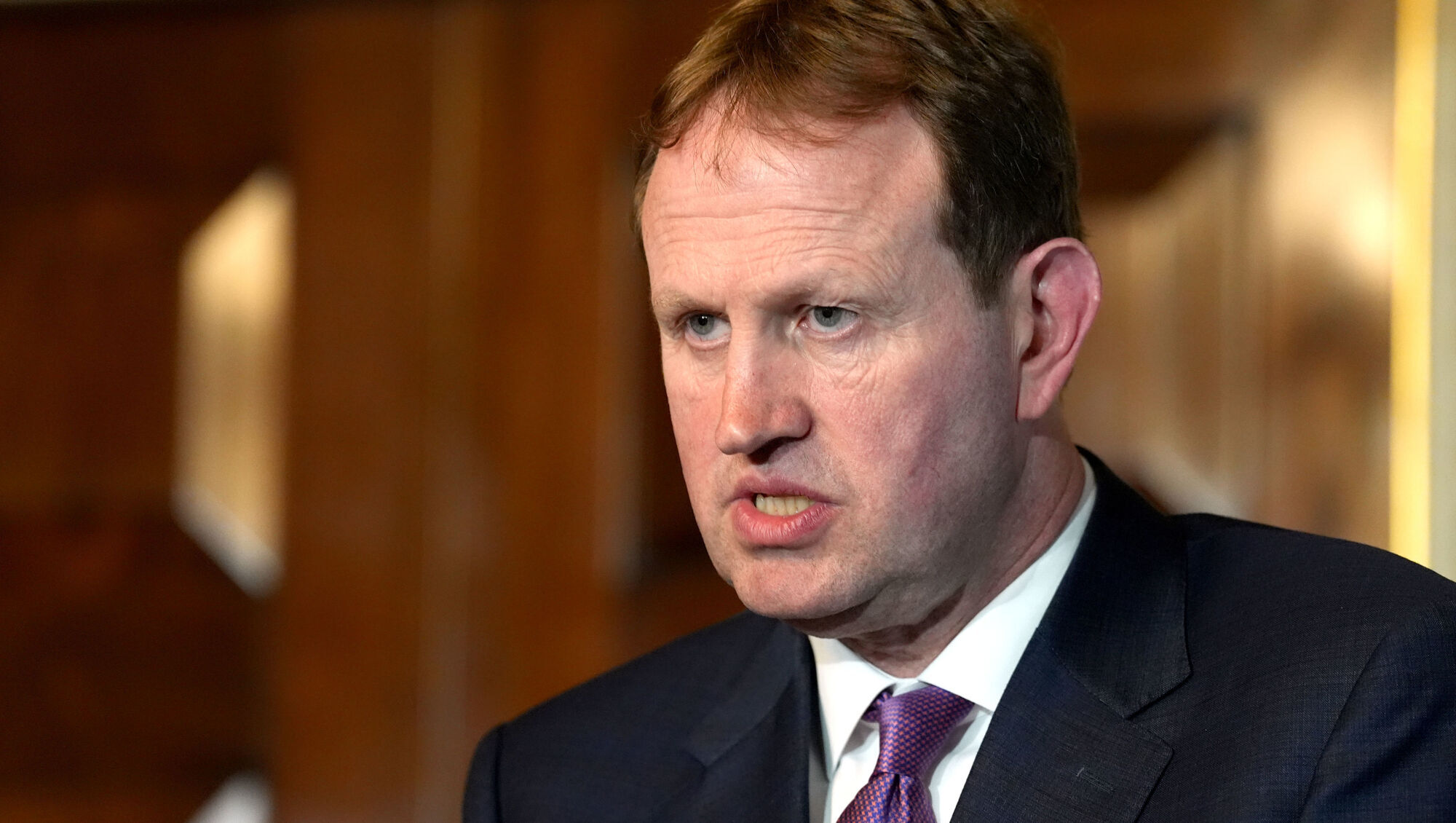
Justice minister Jim O'Callaghan countered opposition protests, saying both the Fianna Fáil manifesto and the programme for government had committed to passing the bill as is. Picture: Brian Lawless/PA
The justice minister has denied "changing his mind" on the issue of removing juries from defamation cases.
A bill to reform the country's defamation laws reached committee stage in the Dáil on Wednesday, with much of the focus on the abolition of juries entirely for all defamation actions, a key aspect of the new law.
Sinn Féin's Matt Carthy had said that his party was against the removal of juries in defamation cases, claiming that the justice minister, Jim O'Callaghan, had himself raised concerns about the removal of juries in a debate on the bill last year.
Labour's Marie Sherlock said that juries had been abolished in personal injury cases in 1988 and that, at the time, the argument in favour had been that it would make awards happen quicker and would cut the size of payouts, which has not been the case. 7
She said that she did not see how the abolition of juries would lead to smaller payouts.
The Labour TD said that juries of the public were best placed to determine if a person's reputation had been damaged. There was "an element of departmental capture" in the final shape of the bill, according to the TD.
The Dublin Central TD said that there were issues around the costs of defending cases in superior courts and that payouts from defamation cases "start out at a minimum of €15,000" because they cannot be heard in the District Court. She said that there was an attitude that "suing for defamation is the preserve of the very well-to-do" and that this was outdated.
Ms Sherlock said that changing defamation laws was important for the media industry.
In response, Mr O'Callaghan said that TDs were entitled to criticise him, but that he had signed up for both the Fianna Fáil manifesto and programme for government, both of which committed to passing the bill as is. He said that the abolition if juries was designed to speed up the trial process and would create certainty for both defendants and plaintiffs in defamation cases as it would create a structure around awards.
Social Democrats TD Gary Gannon said that juries "do what they say — they are the judgement of your peers".
He said that hiring more judges would tackle backlogs in court lists and that the role of juries would "reduce bias and ensure fairness".
Independent TD Catherine Connolly said that Mr O'Callaghan had agreed with the opposition when the bill had reached second stage last year around the issue and had called the measure "short-sighted" and said that abolition would mean appeals would become the norm.
She called on the minister to show "moral courage" and pull back from passing the bill as it is.
Ms Connolly called the abolition "bowing to vested interests".
She said that a recent presentation from media representatives had argued for the abolition of juries in defamation cases through "repetition and rhetoric".


CONNECT WITH US TODAY



Be the first to know the latest news and updates