Only two religious orders offer redress in mother and baby home compensation scheme
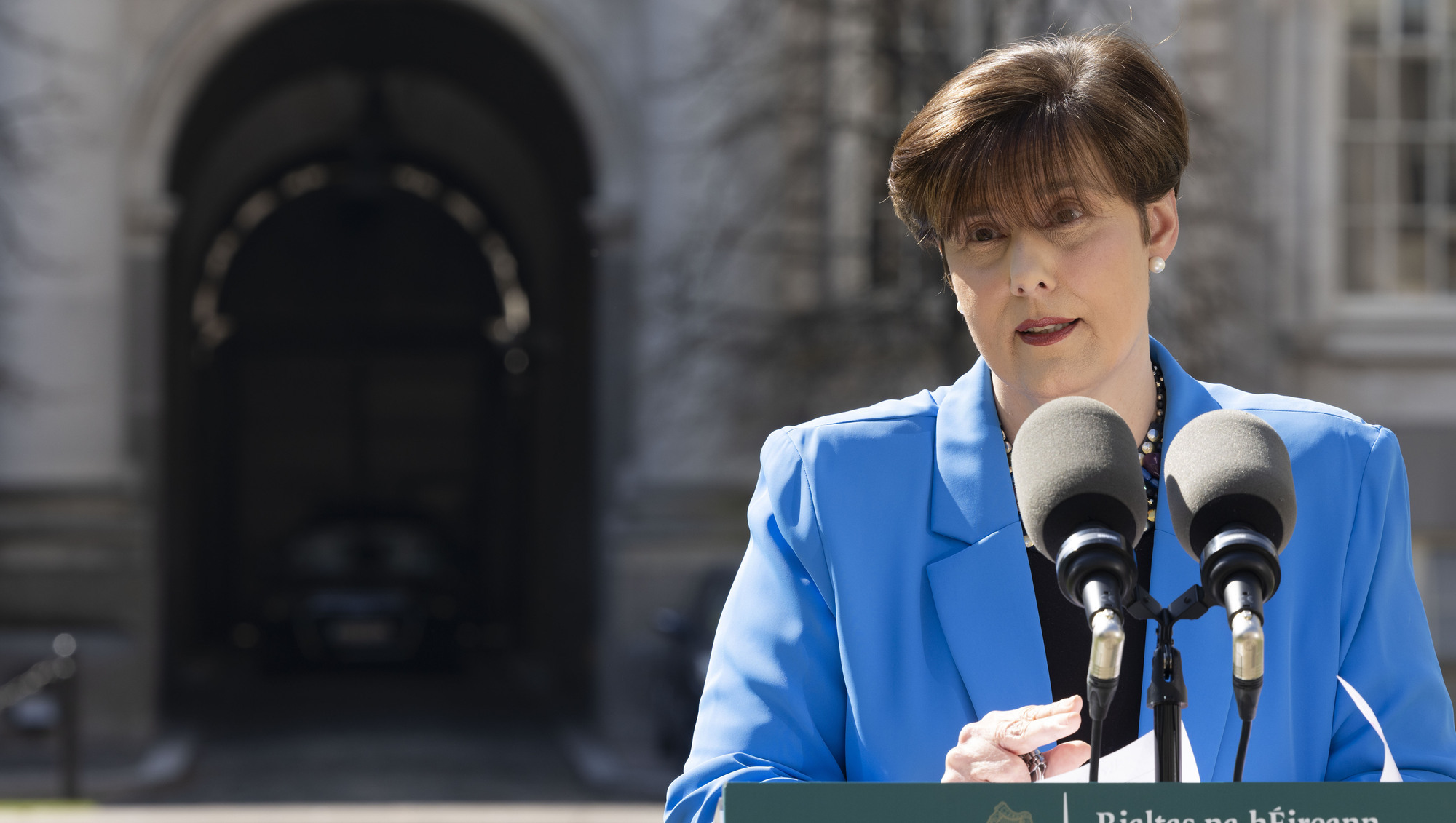
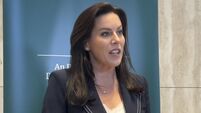
Minister for children, Disability, and equality Norma Foley said: 'It behoves all of us who have a place of responsibility within those orders and institutions to ensure that the right thing is done.' Picture: Sam Boal/Collins
Just two of the eight bodies involved in the running of mother and baby institutions have made offers to contribute towards redress.
Children's minister Norma Foley published the report of the independent negotiator, Sheila Nunan, into the impasse around compensation on Tuesday.
Ms Nunan was tasked with leading a negotiation process with the religious bodies who ran the State's mother and baby homes and county homes, in a bid to secure a financial contribution towards the cost of the Mother and Baby Institutions Payment Scheme.
However after 20 months of negotiations, just one of the bodies, the Sisters of Bon Secours, has offered a cash contribution. The offer of €12.97m is in line with the negotiator’s determination of a "meaningful contribution" and the Government has agreed to accept it.
Another order, the Daughters of Charity of St Vincent de Paul, offered a contribution of a building, an offer seen as worthy of consideration by the Government.
A third body, the Sisters of St John of God, offered a conditional donation of €75,000 to be used as a charitable donation towards a charitable purpose associated with mother and baby home survivors.
The remaining bodies did not offer any contribution. The scheme will cost more than €800m and the Government had been seeking around €270m in total from the religious bodies.
Ms Foley said that the State has "accepted its own responsibility for what happened to women and their children in Mother and Baby Homes by firstly apologising and also setting up a payment scheme" but that more could be done by the religious orders who should do the right thing.
"This is not just to the Catholic hierarchy, we’re also talking about the Church of Ireland. We’re talking about many orders and institutions here. It behoves all of us who have a place of responsibility within those orders and institutions to ensure that the right thing is done.”
Separately, the Government announced on Tuesday that sick pay will not rise to 10 days as had been flagged in recent years. Enterprise minister Peter Burke confirmed that entitlement to paid statutory sick leave will remain at five days per calendar year.
The leave was introduced for the first time in 2023 when the entitlement was set at three days per calendar year, with this moving to five days from January 2024. However, a plan to move this to 10 days in the coming years will not be progressed, the Government has confirmed.
Meanwhile, public expenditure Minister Jack Chambers has announced a review of the National Development Plan will be carried out and completed in July.
The review will cover all public capital investment to 2035 and will account for windfall income like the Apple tax money and the proceeds of the sale of AIB shares. A statement from the Government said the review "will prioritise the delivery of transformative, critical and growth-enhancing infrastructure over the next five years".

CONNECT WITH US TODAY



Be the first to know the latest news and updates