Tánaiste curtails part of Kenya visit as police probe Nairobi serial killer 'atrocity'
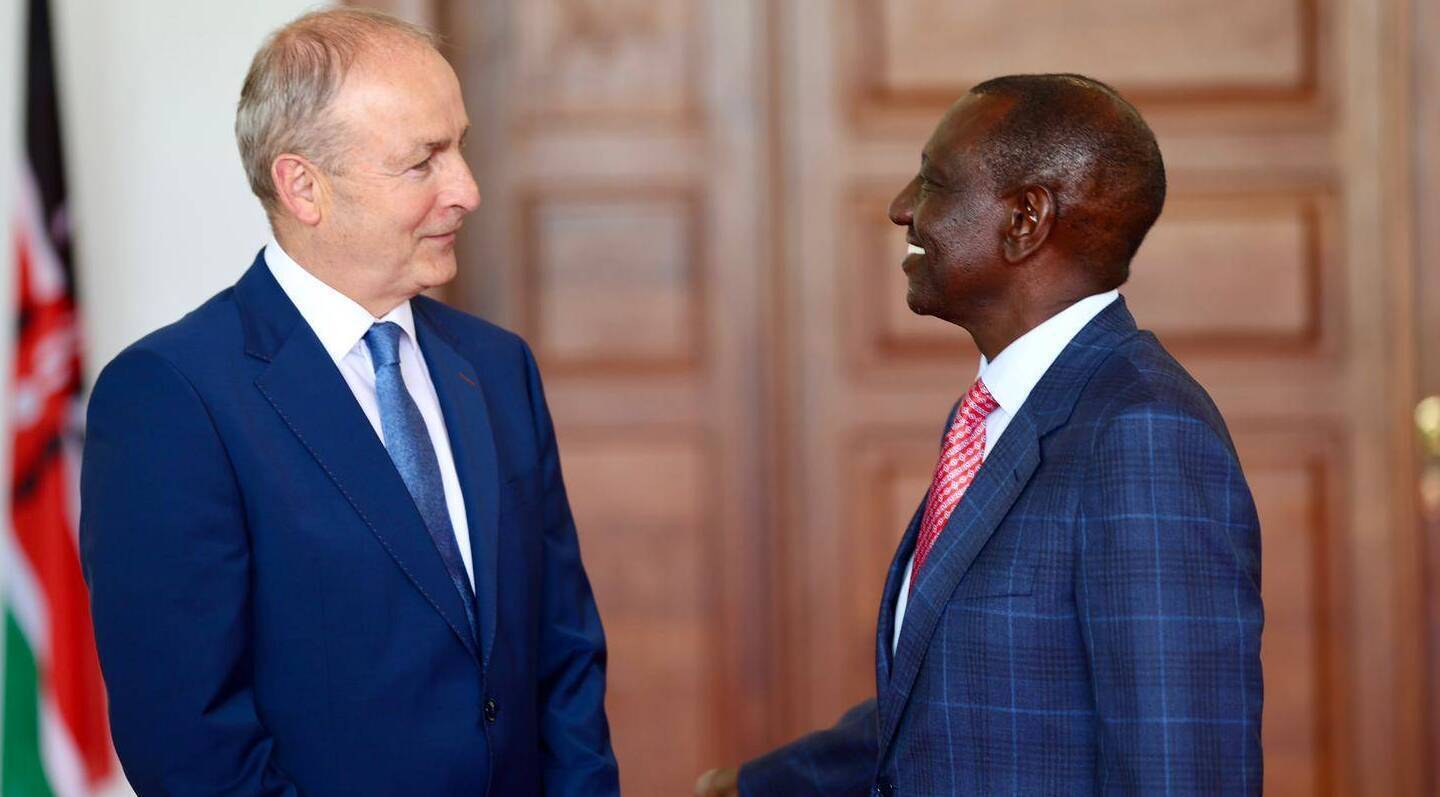
Tánaiste and Foreign Affairs Minister Micheál Martin with Kenya’s president William Ruto in Nairobi, Kenya, on Tuesday Pictures: Phil Behan/Department of Foreign Affairs
Tánaiste Micheál Martin’s trip to Kenya to promote Irish development projects was disrupted by a Nairobi police probe into a serial killer linked to the murder of up to 42 women.
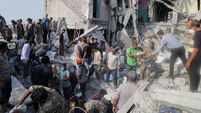
Nine dismembered bodies were discovered in a disused quarry in a suburban slum area which the Irish delegation had planned to visit on Wednesday.
Police told the BBC a male suspect arrested on Monday had confessed to killing 42 women since 2022.
Locals have been outraged and it was deemed unsafe for Mr Martin to visit an Irish-funded health clinic nearby.
“It is a shocking story,” he said, noting Ireland funds many projects tackling violence against women in this region. This includes the Makuru clinic which provides “extraordinary supports” to women, he added.
“So that such an atrocity, multiple atrocities could have occurred close to that is quite shocking." He added:
Mr Martin met Kenyan president William Ruto to discuss trade between Ireland and Kenya.
They also talked about the protests taking place again on Tuesday in the capital against tax plans, with at least one person killed, according to Reuters reports.
Speaking to reporters afterwards, Mr Martin said he stressed the importance of dialogue.
“He was very clear on that himself, that he had engaged with quite a number of and met some of their immediate requests,” he said.
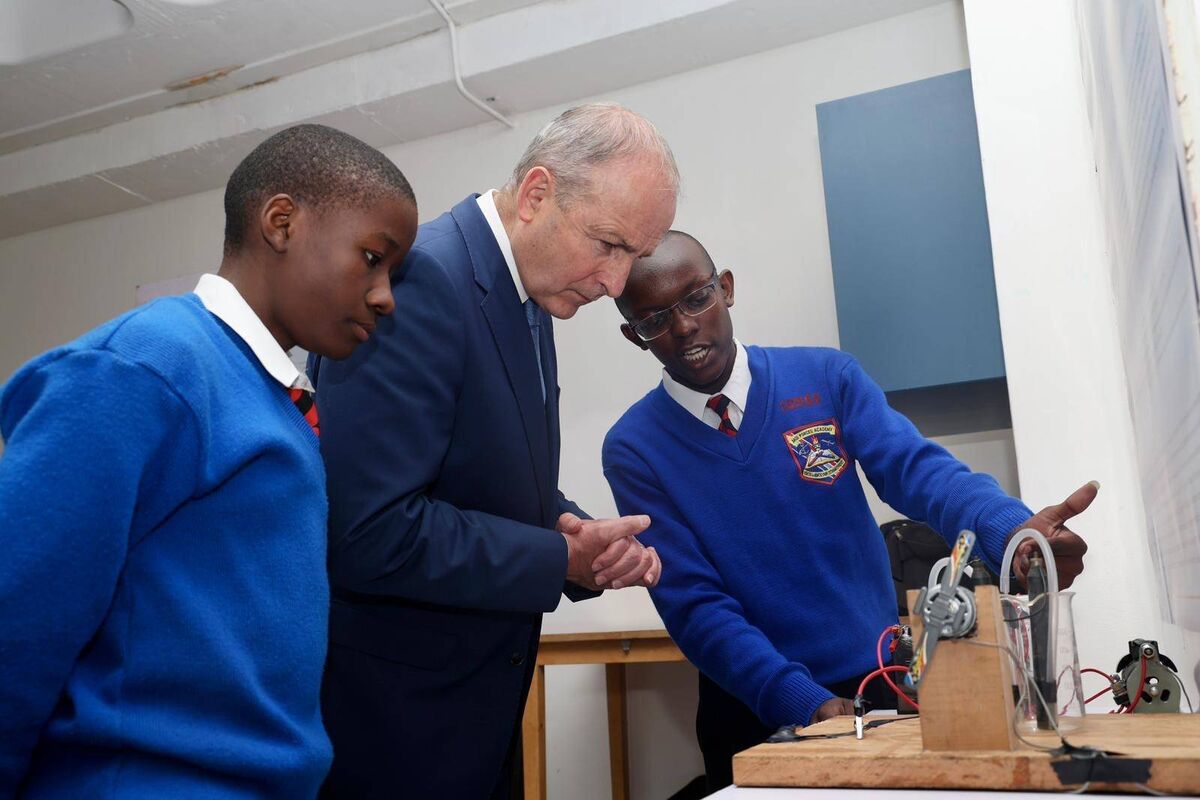
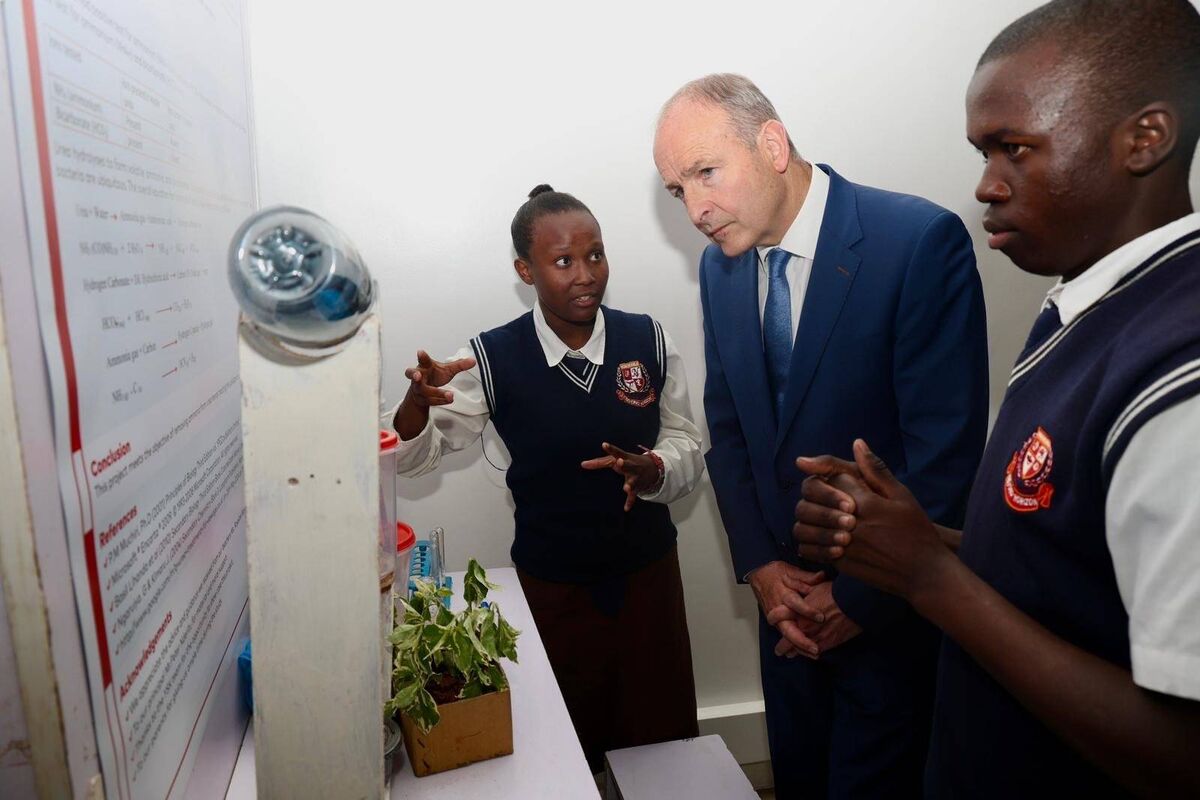
He later visited the launch of Young Scientist Kenya, which takes place next month. This is supported by Ireland and based on the Young Scientist and Technology Exhibition.
He met Maxwell Opondo, 20, who made a robotic arm which creates sign language from speech to help disabled students.
“I am able to speak on one end and on the other it is able to sign a particular word-set,” he said. This ‘Zerobionic’ is in three schools and he is looking for sponsorship.
Mr Martin said Irish scientists and teachers were “thrilled” to see this concept spreading internationally.
“For me it’s one of the best things that ever happened to Ireland,” he said, adding it was “the most optimistic week of the year” for him.
He welcomed in particular how inclusive the Kenyan exhibition is, with a focus on encouraging female students and students living with disabilities.
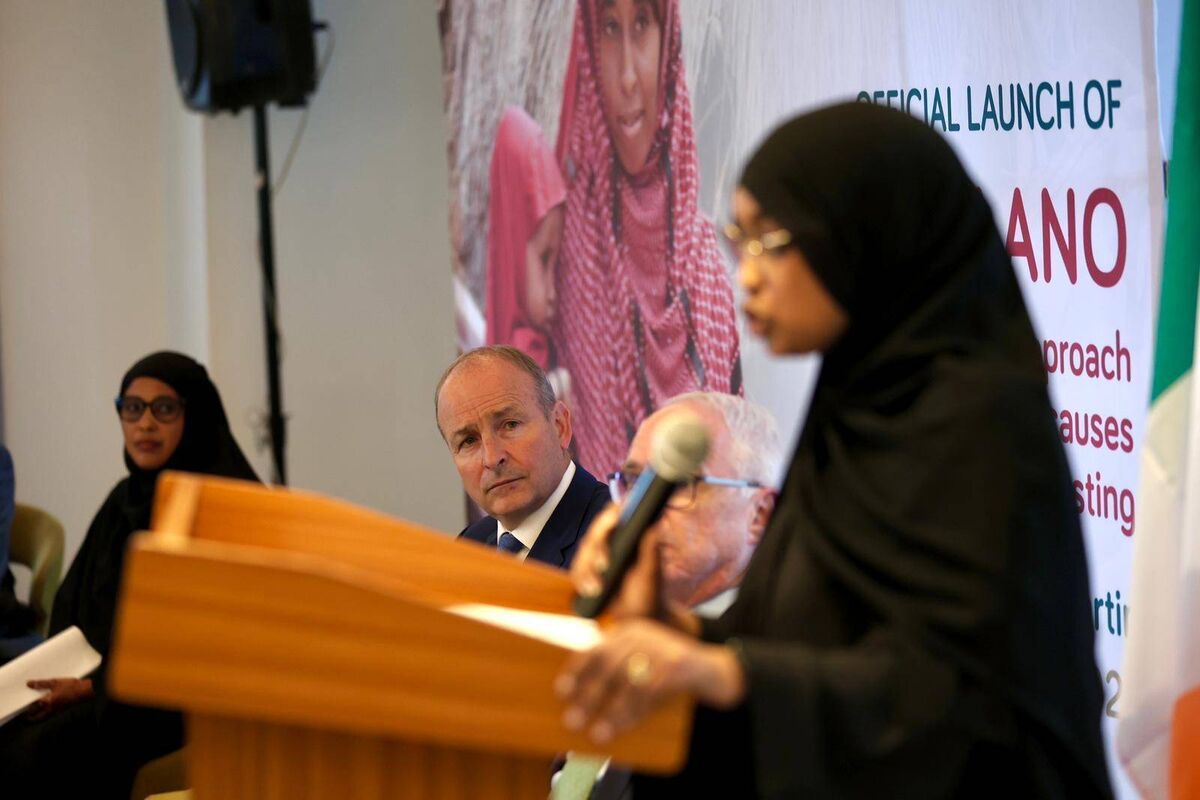
The Tánaiste also launched the “Hanaano programme” a €15m initiative to fight child malnutrition and wasting in the region.
This is funded by Irish Aid and run by Concern Worldwide, with partners in border communities in Kenya, Ethiopia, and Somalia.
Safia Mohamed gave a moving description of one rural mother of seven. "We discovered that she often goes without food to ensure her children have something to eat, but it is never enough," Safia said.
They provided her with a clean water source and training in new farming practices, among other changes.


CONNECT WITH US TODAY



Be the first to know the latest news and updates