New bill will allow all third-level graduates vote in Seanad elections
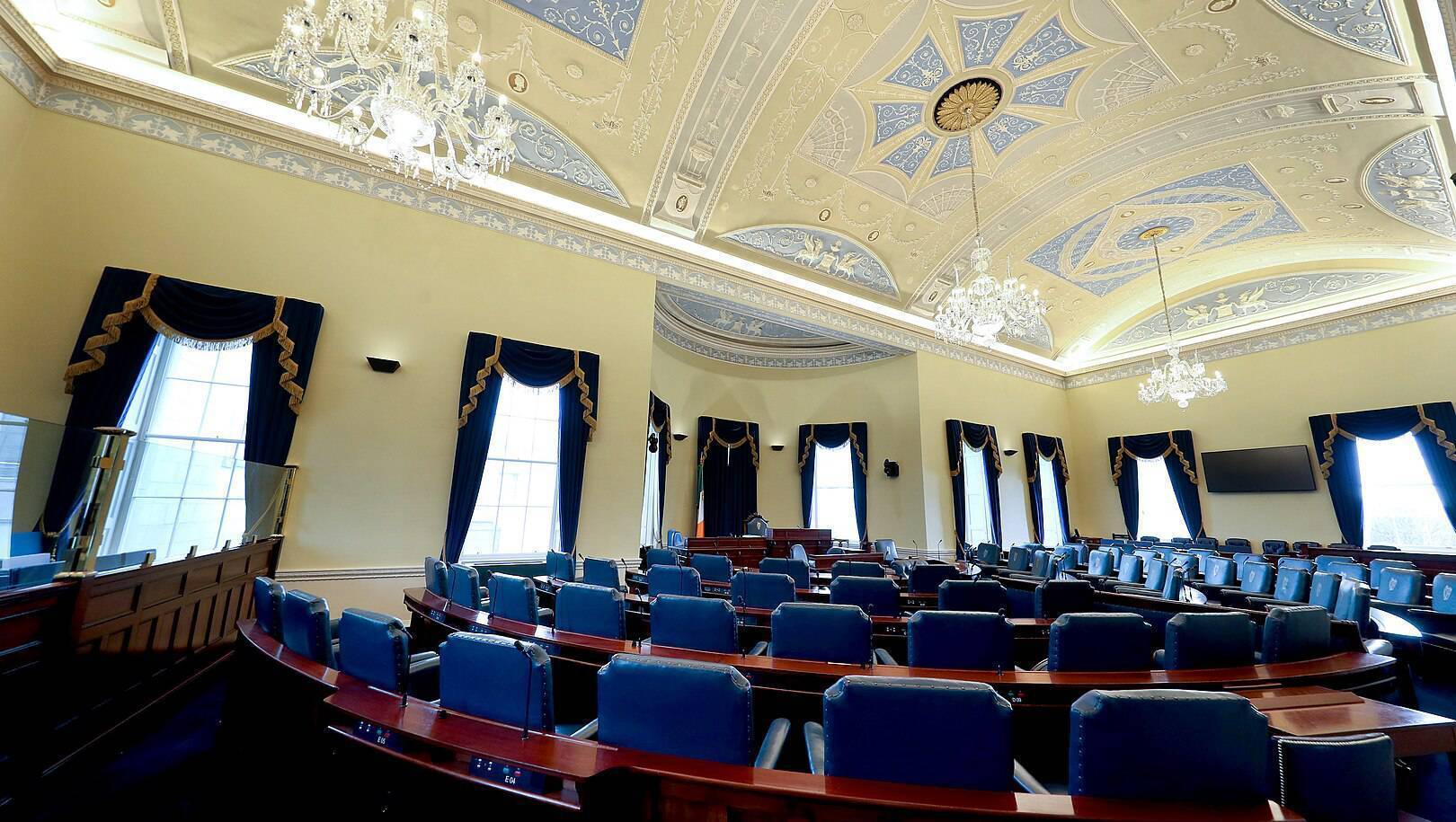
The Seanad Electoral (University Members) Bill 2024 will establish a new six-seat ‘Higher Education’ constituency to replace the existing NUI and University of Dublin third-level constituencies.
All graduates of third-level institutions will be able to vote in Seanad elections under a new bill.
On Tuesday, Local Government Minister Darragh O’Brien will bring the Seanad Electoral (University Members) Bill 2024 to Cabinet.
It will extend the franchise for electing university members of Seanad Éireann to graduates who are Irish citizens, aged 18 and over, and who hold a degree from a designated institution of higher education in Ireland, by establishing a new six-seat ‘Higher Education’ constituency to replace the existing NUI and University of Dublin third-level constituencies.
At present, only graduates who attended Trinity College and National University of Ireland can vote for the six Seanad seats.
A Supreme Court ruling last year found that university electoral panels for Seanad Éireann are unconstitutional.
At the core of the case was the failure by successive Governments to bring legislation to enact the results of a 1979 referendum.
The seventh amendment to the Constitution was passed by an overwhelming majority, and extended the franchise to all educational establishments.
However, it was never enacted into law.
Mr O’Brien will meanwhile update Cabinet on ongoing work to protect the integrity of elections from misinformation and manipulation of artificial intelligence (AI).
Mr O’Brien last week held a roundtable discussion with representatives from the major online platforms, An Coimisiún Toghcháin and Coimisiún na Meán, which focused on the measures in combatting electoral misinformation and disinformation.
He will update Cabinet on a new voluntary framework that is targeted at online platforms, online search engines, political parties, and election candidates amid concerns over the potential for false and misleading information which can compromise the integrity of and trust in electoral processes.
The framework applies to online electoral process information, deceptive AI content, and online advertisements for the European Parliament elections, local elections, and the Limerick mayoral election.
Agriculture Minister Charlie McConalogue and minister of state Pippa Hackett will seek Cabinet approval for a €79.5m package for farmers and landowners whose forests have been impacted by ash dieback.
The €79.5m will provide for a €5,000 per hectare payment to farmers who re-establish forests in their place.
This is in addition to an existing €160m scheme that pays farmers to clear their ash forests and replant them with a different species. The average ash plantation is three hectares, meaning a payment of €15,000 for those landowners, in addition to grants covering the costs of clearing the site.