Budget plans to be made years in advance under new EU rules
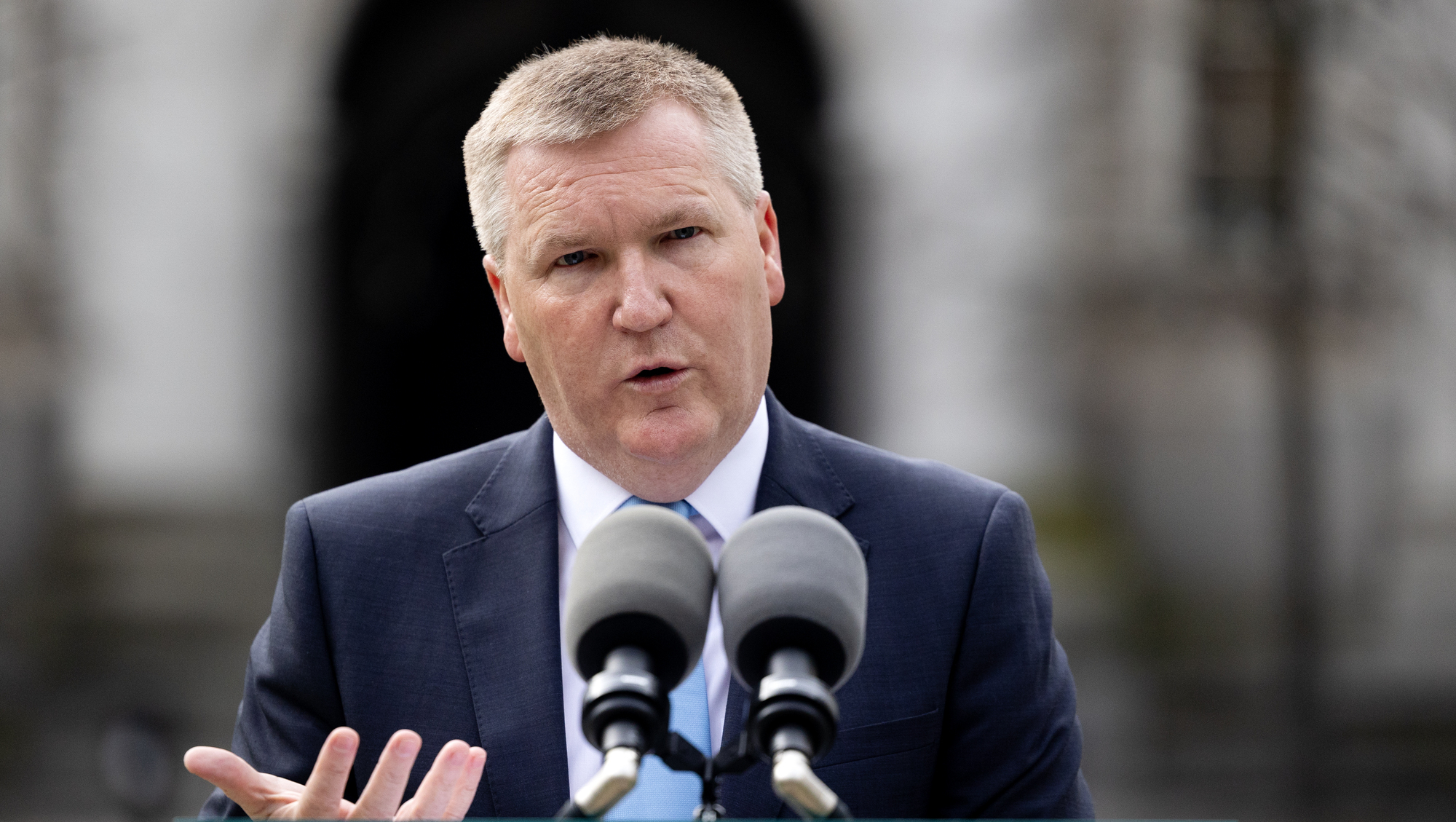
It is not expected that these rules to be formally adopted by next month, which means Michael McGrath will publish the Department of Finance’s most up-to-date economic and fiscal forecasts in the Stability Programme update as planned. Picture: Sam Boal/Collins
New EU rules will see Irish budget plans announced years in advance, the Government is to be told.
Finance Minister Michael McGrath will today update Cabinet on the new European fiscal rules which will have significant implications for budget formulation in Ireland and across the EU.
Currently going through the formal EU legislative process, the new rules will require member states to publish budgetary plans four or five years in advance.
Countries will still have to adhere to the budget deficit target of 3% of GDP and the debt target of 60% debt-to-GDP, which Ireland is comfortably within at this time.
Unlike the current rules however, which focus on the a one-year timeframe, the new fiscal rules will place a greater focus on country-specific, medium-term budgetary plans. Member states will be asked to lay out plans setting out net expenditure paths for the years ahead.
Once those plans are endorsed by the European Council, countries will not be permitted to deviate from them over the four or five-year timeframe, depending on the length of the national legislature.
However, if a new government is to take office, there is flexibility within the new rules to adopt a new budgetary plan.
It is not expected that these rules to be formally adopted by next month, which means that Mr McGrath will publish the Department of Finance’s most up-to-date economic and fiscal forecasts in the Stability Programme update as planned. He will produce Ireland’s first medium-term fiscal plan under the new EU rules as part of Budget 2025 that will take place later this year.
Separately at Cabinet, Minister for Education Norma Foley is set to bring a memo about the rollout of the 2024 summer programme.
This programme involves schools providing activities and excursions for children with complex special educational needs and children at risk of educational disadvantage during the summer months. Around €40m was secured in Budget 2024 for the summer programme, which has expanded since 2021.
Last year, more than 50,000 children from over 1,400 primary and post-primary schoools participated, however schools have said that there are issues in obtaining the staff required to run the programmes.

CONNECT WITH US TODAY



Be the first to know the latest news and updates