Tánaiste cannot see 'any momentum' to resolve Israeli-Palestinian conflict
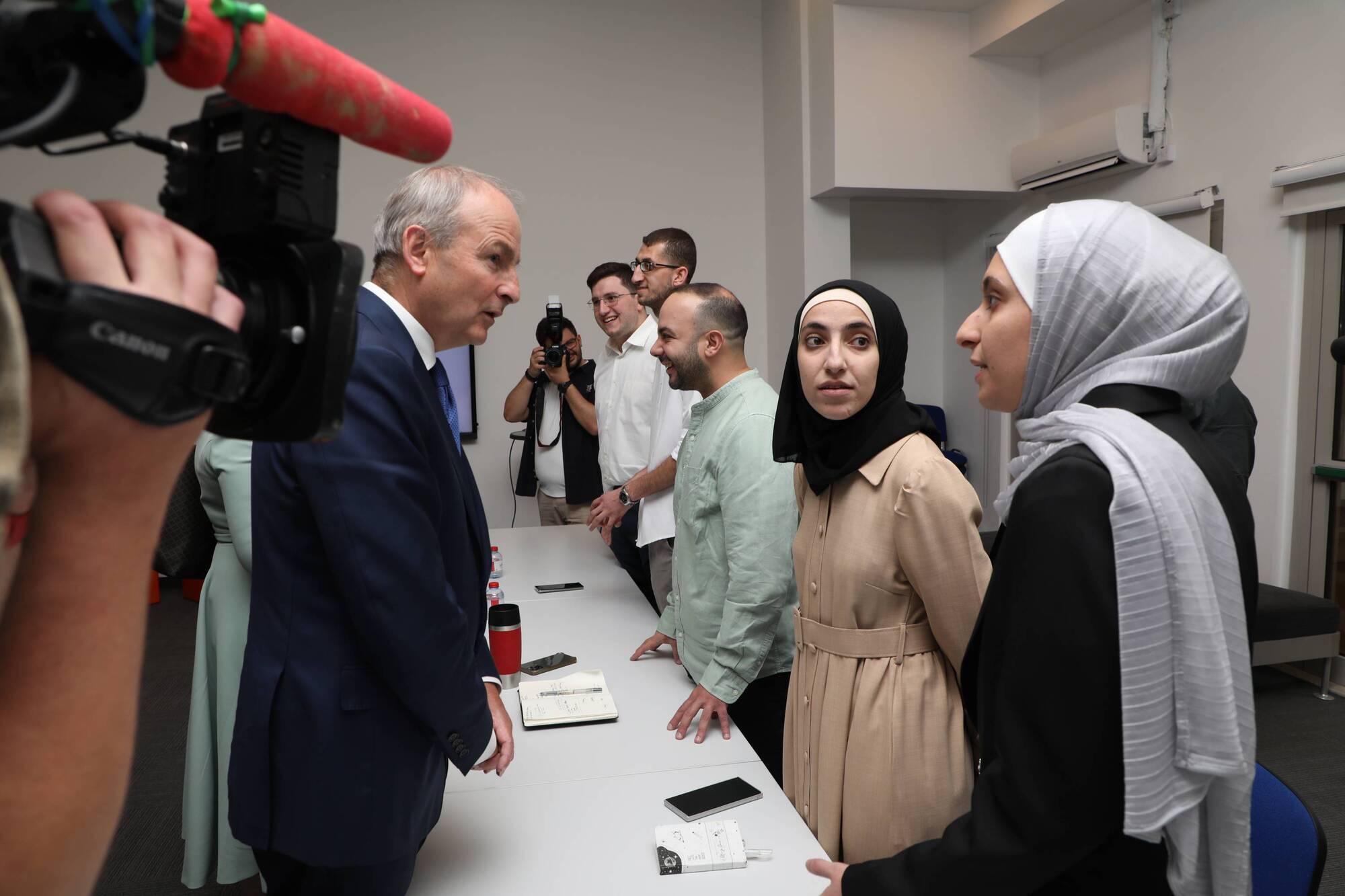
Jordan was the final destination for the Tánaiste’s Middle East tour, following visits to Israel and occupied Palestinian territory in the West Bank earlier in the week. Picture: Phil Behan/DFA
A whistle-stop tour of the Middle East finished with a determined Tánaiste insisting now is not the time to abandon the two-state solution as a means of resolving the Israel-Palestine conflict.
However, Micheál Martin conceded he could not see "any momentum" towards de-escalation as he prepared to leave the region.
He told reporters in Amman, the capital city of Jordan, on Thursday: “There are a lot of agendas in the region, and some of them conspire against a peaceful resolution of the issue and I think it's important that the complexities of the issues here are realised.”
Mr Martin said Ireland had always looked at the problem through a lens of human rights, equal opportunities, and the framework of international law.
“Palestinians are not getting access to basic human rights and they’re not being treated the same as others in the context of international law.
“And that’s a concern to us. But I think they desire self-determination.
“We believe it is important to pursue that agenda.”
The foreign affairs minister suggested that based on all of his conversations in recent days, he had been told the current situation was probably one of the most challenging phases on the issue and it was only getting more difficult “to say the least” due to violence in occupied Palestinian territory by Israeli settlers and violence in Israel also.
“The challenge is to try and work out a pathway and a roadway to create momentum,” he said.
Jordan was the final destination for the Tánaiste’s Middle East tour, following visits to Israel and occupied Palestinian territory in the West Bank earlier in the week.
While stressing Ireland remains supportive of a two-state solution, Mr Martin said Ireland would not yet officially recognise the state of Palestine and it was waiting for a “critical mass” of EU countries to follow suit.
On Thursday morning, prior to leaving Jerusalem, Mr Martin met with Israeli president Isaac Herzog.
It is understood Mr Herzog was interested to hear about Ireland’s Shared Island initiative as a way to bring communities together. They were also said to have discussed the importance of dialogue.
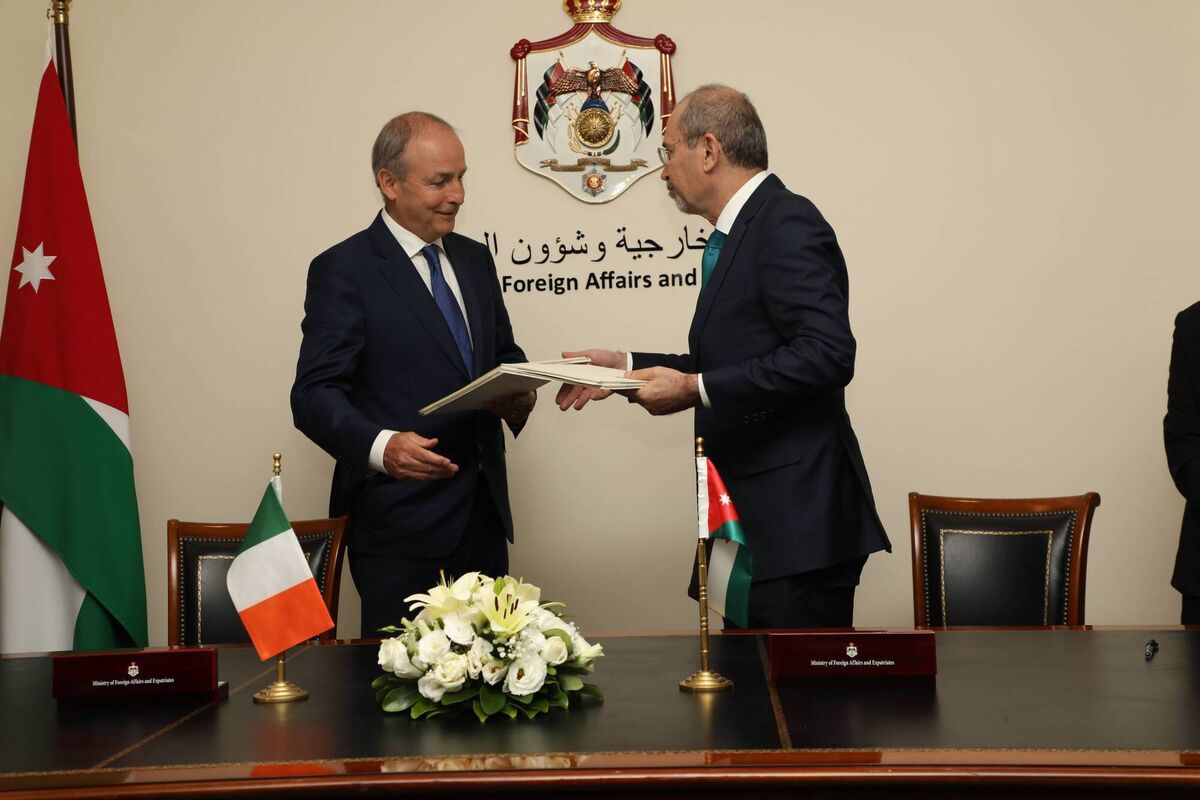
He then travelled to Amman in Jordan, where he first met with his counterpart, foreign affairs minister Ayman Safadi.
The pair signed a memorandum of understanding between Ireland and Jordan to establish political consultations.
Mr Safadi said Ireland and Jordan had “strong friendship ties”, and he hoped to further explore opportunities related to economic development, tourism, and education between the two countries.
In respect of the Israeli-Palestinian conflict, Mr Martin said Jordan was a “voice of reason” in the region and was an “urgent voice” trying to create fresh momentum on reconciliation.
He also praised Jordan for its hosting of refugees, and also thanked Mr Safadi for the country’s assistance in helping Irish citizens flee Sudan amid the conflict earlier this year.
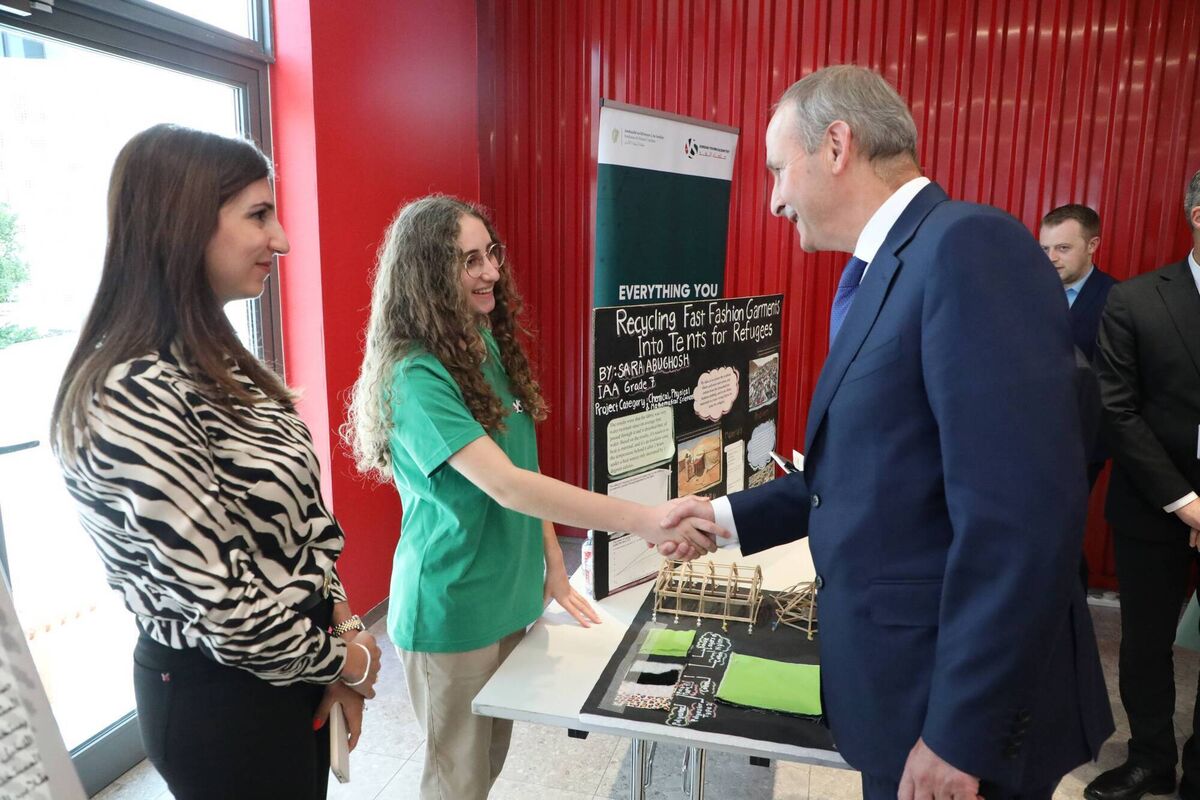
Mr Martin later met the king of Jordan, and also visited Al Hussein Technical University to meet with the faculty and meet the winners of the Jordan Young Scientist 2023, presenting prizes for the winning projects.
He then attended a reception at the residence of Ambassador Marianne Bolger in the evening and gave an interview to television network Al Jazeera.
The Tánaiste flies home on Friday.

CONNECT WITH US TODAY



Be the first to know the latest news and updates