Government unveils plans to reduce ‘disproportionate’ defamation awards
Justice Minister Simon Harris has said the “single biggest reform” of Ireland’s "draconian" defamation laws will be the abolition of juries for High Court cases
Government unveils plans to reduce ‘disproportionate’ defamation awards

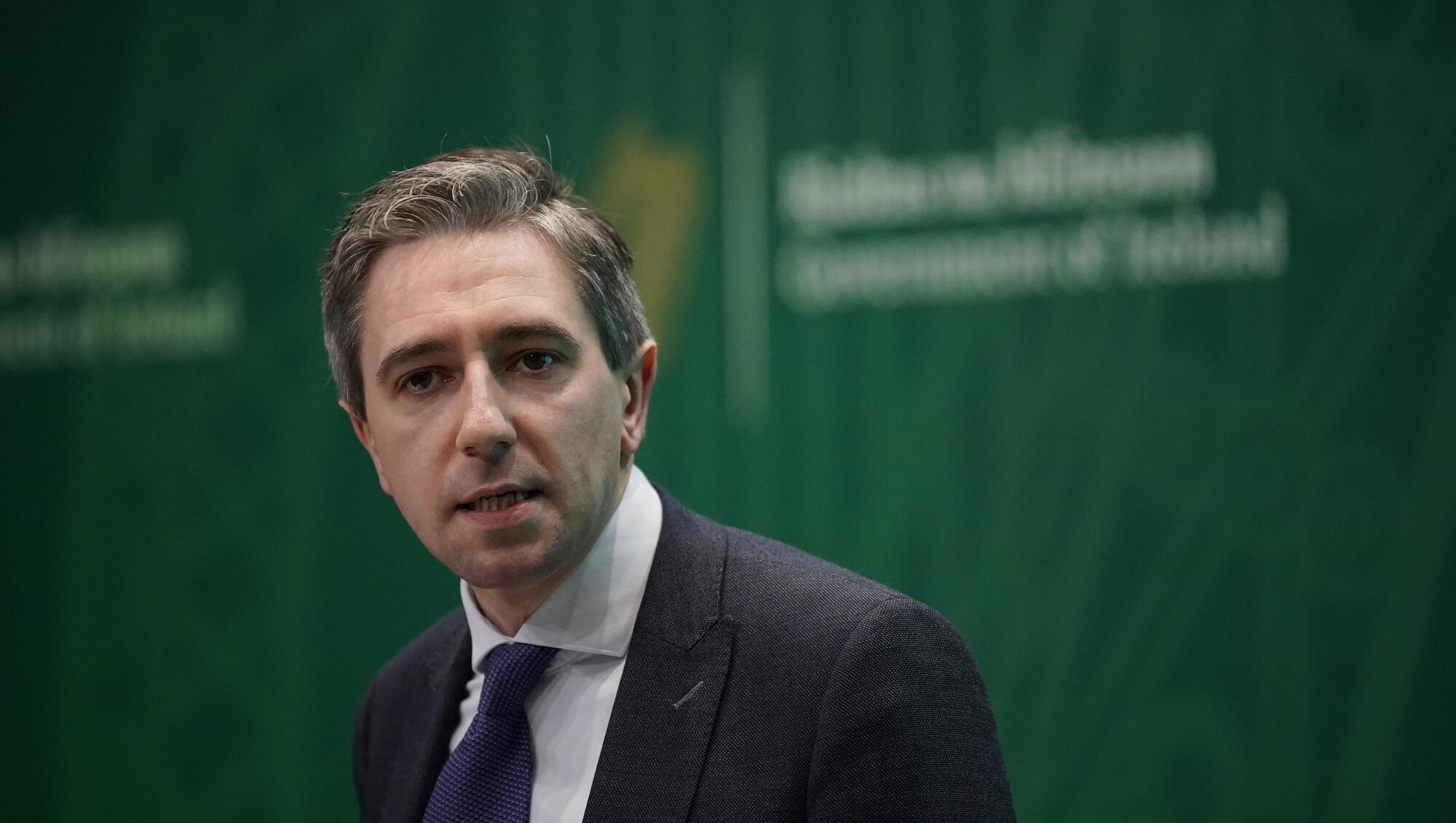
Minister for Justice Simon Harris at the announcement of the publication of the General Scheme of the Defamation (Amendment) Bill, at the Government Buildings in Dublin (PA/Niall Carson)

Justice Minister Simon Harris has said the “single biggest reform” of Ireland’s "draconian" defamation laws will be the abolition of juries for High Court cases.

The Defamation (Amendment) Bill will also tackle so-called strategic lawsuits against public participation (SLAPPs) with specific measures to stop individuals or organisations from taking cases as a way of shutting down criticism or negative reporting.

He said that some legal actions by Sinn Féin individuals were an attempt to have a chilling effect but they were not the only party doing it.

Mr Harris said the legislation has to be fair and if a defamatory story is “splashed” on the front page of a newspaper, then the apology to an individual should be given “equal prominence".

Mr Harris said Cabinet approval of the Bill is “a moment of real progress”.

“Democracy cannot truly flourish without robust protection for the right of freedom of expression,” he said.

“This bill is trying to absolutely ensure that we protect investigative journalism, that we protect journalism in the public interest, that we provide clarity around the defence of public interest.” Mr Harris said the “single biggest reform” in the Bill is the abolition of juries for High Court defamation cases, a move which he said will reduce the likelihood of disproportionate and unpredictable awards, as well as high legal costs.

The bill will also include “practical measures to improve protection against online defamation”. Mr Harris said this would make it easier to identify the owners of anonymous online accounts who are defaming others.

“At the moment, you’ve got to go to the High Court for that. We know that can be cumbersome [and] costly, so enabling somebody to get access to the Circuit Court for that, I think, does improve access to justice,” he said.

There will also be a reformed defence for live broadcasting to address instances where a contributor unexpectedly makes a defamatory comment during a live broadcast.

However, the broadcaster will have to show it took reasonable measures before and during the broadcast to prevent that happening.

The representative body Newsbrands Ireland said the bill marks “significant reforms” to defamation laws. However, it regretted that it does not recommend a cap on damages, or a general requirement for someone to show serious harm was caused by a publication of a statement.

Mr Harris said he is “disappointed” by the organisation's response and said in relation to the issue of a serious harm test, there is provision there in some cases but it can be expensive and difficult for an individual to prove that the damage to the reputation caused by a defamatory comment does meet that serious harm test.

“We do have a constitutional obligation in this country, and we obviously need to be respectful in relation to the protection of someone's good name,” he added.

More in this section

Politics

Newsletter

From the corridors of power to your inbox ... sign up for your essential weekly political briefing.

Cookie Policy Privacy Policy Brand Safety FAQ Help Contact Us Terms and Conditions

© Examiner Echo Group Limited