Government has been tumultuous for Greens but party is focused on policy wins
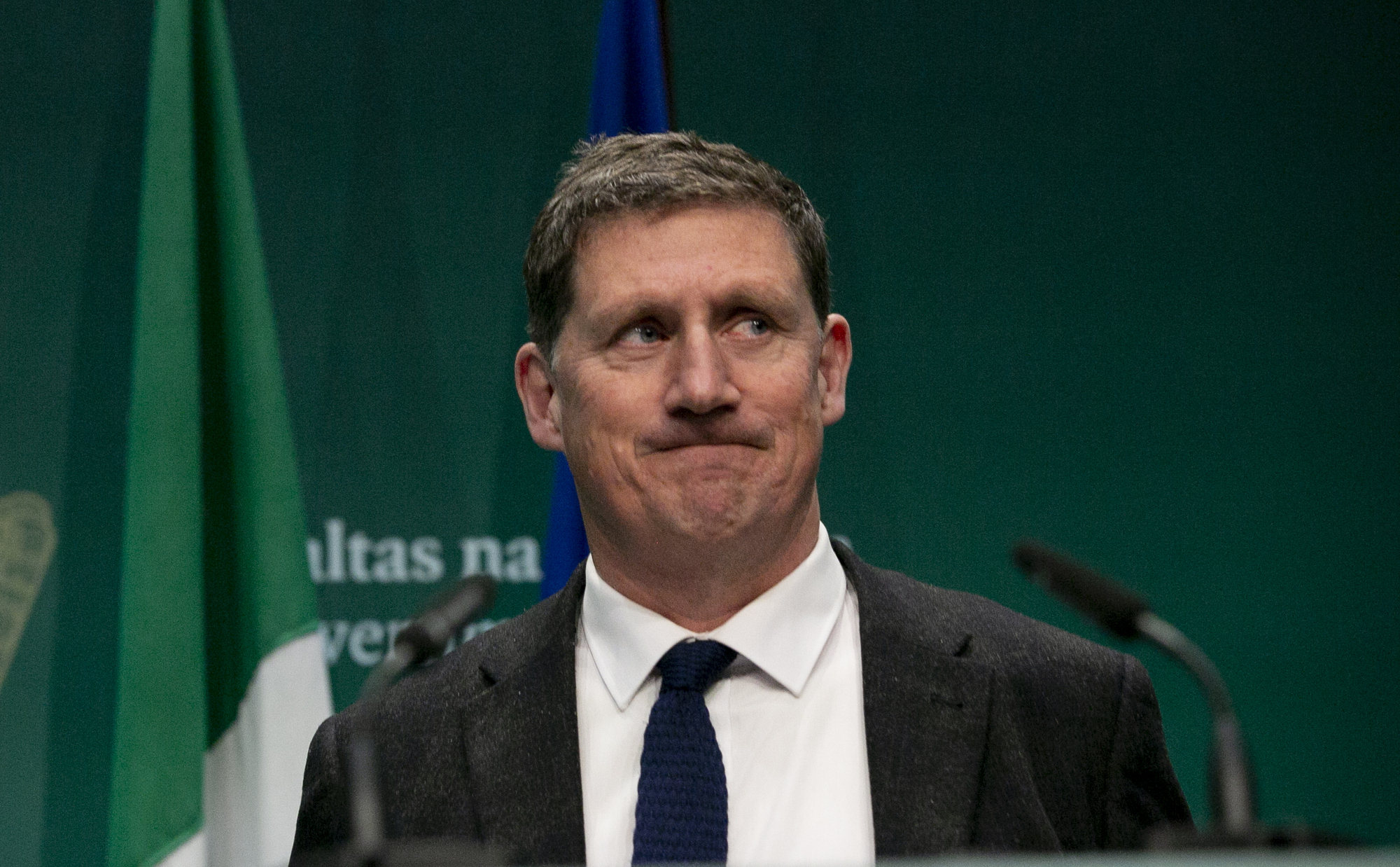
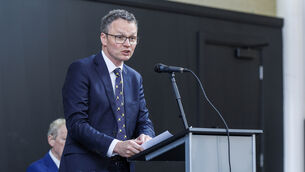
Eamon Ryan took over as leader after the Green Party lost all its Dáil seats in the 2011 general election. Picture: Gareth Chaney/ Collins
In the run-up to the 2007 general election, then taoiseach Bertie Ahern approached his scriptwriter and adviser Brian Murphy with an unusual request.
Ahern, mired in major controversy over his own financial affairs, was chasing but not assured of a historic third term in office.
“I was surprised when Ahern instructed me to heavily focus on the environment in drafting his opening address for the pre-election Fianna Fáil ard fheis,” says Murphy.
“This was hardly the traditional fare for such a speech and I expressed concerns that the taoiseach might not connect with the delegates.
“Bertie told me he was less worried about those in the hall and more interested in sending a message to the Green Party. He told me that he and the late Séamus Brennan had been crunching the numbers and they were convinced that Fianna Fáil would need the Greens after the election.”
Throughout the subsequent election, Ahern was careful not to say anything that would exclude the Greens from his post-election permutations.
In the end, Fianna Fáil won 78 seats, falling just short of an overall majority and Ahern’s hunch he might need the Greens to form a Government proved correct.
“In the aftermath of the election, Green Party members voted overwhelmingly at a special conference to go into government with Fianna Fáil,” Murphy says.
Despite the decision to enter government for their first time in their history, the strain on the Greens was immediately obvious, with the resignation of then leader Trevor Sargent, who said in good conscience he could not lead his party into power with Fianna Fáil.
The historic Fianna Fáil/Green Party/Progressive Democrat government was soon engulfed by the financial crash and for the four Green ministers who took office, reconciling their green ideology with the realities of government proved highly complicated.
Plunged into an era of austerity, the Greens, now led by John Gormley, quickly became lightning rods for public anger and outrage at the nature of the cuts introduced.
As the months went on, the Greens sought to implement their policy agenda but found the going tough, while all the time having to implement savage cuts to the most vulnerable in our country.
Tensions with Fianna Fáil were never far from the surface, with the party being blamed for forcing the resignation of then defence minister Willie O’Dea in March 2010 and for tabling laws to ban stag hunting when the country was imploding.
But the party also found itself under attack from its more radical wing for compromising core values on issues like the Corrib gas field.
In truth too, the party looked downright amateurish in government, with figures like Senator Dan Boyle becoming lightning rods for criticism over seeking to play opposition from within government.
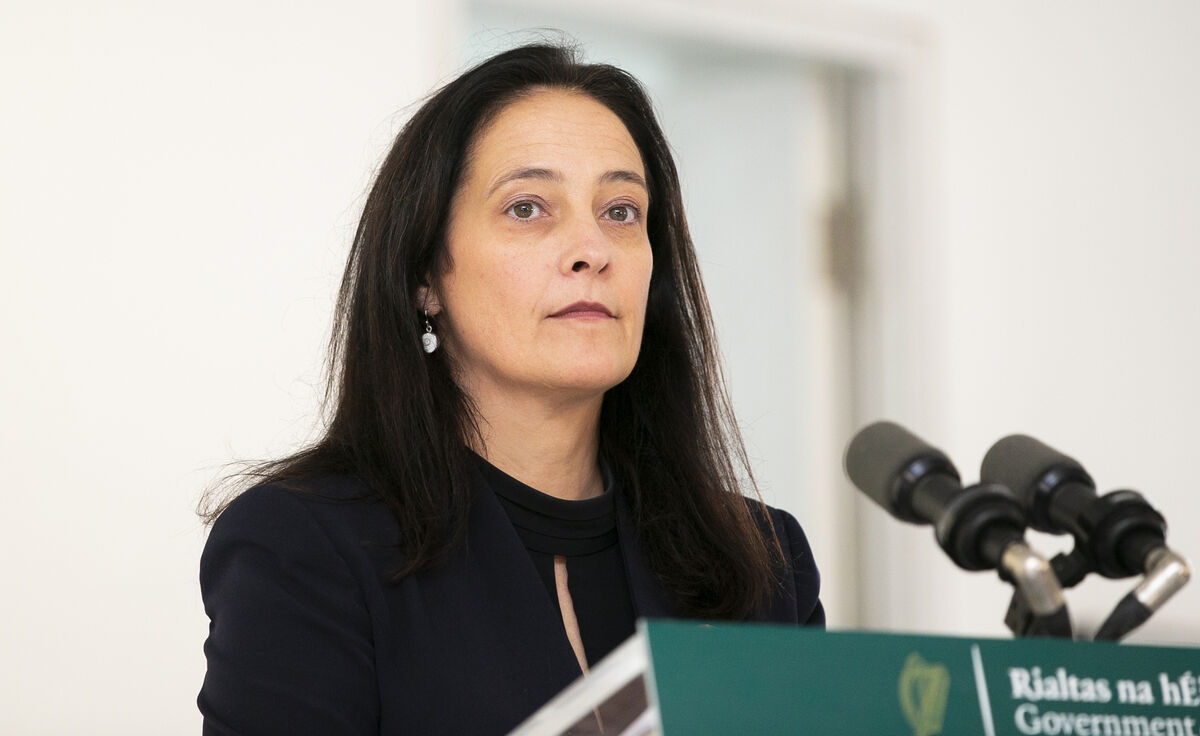
In terms of wins, the party did force a renegotiation of the programme for government in 2009 to its significant advantage and the Bike to Work Scheme was the stand-out legacy win for the Greens from its time in office.
Ryan in office also set in place the foundation for Ireland’s drive to increase its wind energy capacity.
However, such victories were rare and the humiliating end to that era came with the arrival of the IMF-led Troika in late 2010.
Just a few months later, Fianna Fáil were nearly decimated at the 2011 general election and the Greens were totally annihilated at national political level, losing all of their Dáil seats. Gormley stepped back from the party and Ryan took over the mantle as leader.
Life in opposition was tough but Ryan was still afforded a media profile on Green issues during that time, which proved invaluable in his successful bid to re-enter the Dáil in 2016.
Catherine Martin also was re-elected on that day in Dublin Rathdown, proving there was a viable future for the Green Party.
A term in opposition allowed the party space to renew its policy agenda, which became a major issue in both the 2019 local and European elections and the 2020 general election.
Record wins on both occasions saw the party reach its peak in terms of political representation, but once again, the Greens' ability to make life difficult for themselves came to the fore.
The party, or leading figures within the party, including Martin as deputy leader and new TD Neasa Hourigan, was decidedly uneasy at the prospect of entering government again with Fianna Fáil and Fine Gael.
There was a somewhat embittered attempt to oust Ryan as leader, with many complaining about his style of leadership and his lack of connection with rural voters.
Despite the turmoil, Ryan not only won the leadership contest over Martin, but his desire to go into government won a thumping majority from party members in late June 2020.
Nine years after being dumped unceremoniously by the Irish electorate, the Green Party and Ryan found themselves back at the top table of Irish politics.
However, if the party thought a return to government hammered out in weeks of fractious negotiation would ensure unity, they were mistaken.
The first few months of government were an adjustment, to say the least. On the same day Ryan was squeaking by his deputy leader in a leadership battle, one of the Green Party's most high-profile members announced she was leaving.
Saoirse McHugh had not won an election for the party but her put-down of Peter Casey in the 2019 RTÉ European Parliament debate and her passionate advocacy had made her a burgeoning star. However, in July 2020, McHugh was out.
McHugh said her reasons for leaving were “obvious” and she had become disillusioned with the "toxic" party over the previous year. She, among others, had been vocally against entering government with Fianna Fáil and Fine Gael over concerns social justice issues would be cast aside.
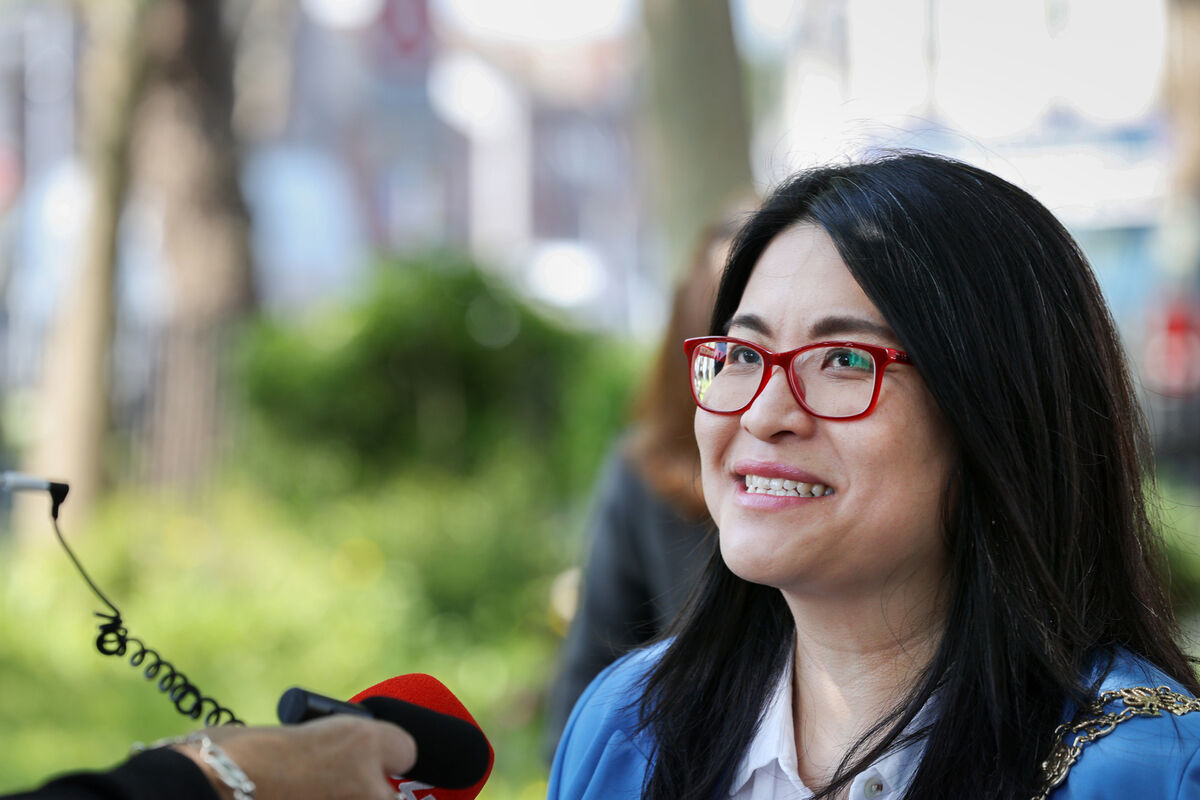
McHugh’s resignation came after a number of public resignations from members including chair of the Queer Greens, the LGBTQ+ contingent of the party, Rob O’Sullivan. However, Hazel Chu's election as lord mayor of Dublin was one major positive.
The tumult continued during that summer as just ahead of the summer break, party whip Neasa Hourigan voted against the Government. Hourigan along with Junior Minister Joe O’Brien were sanctioned by having their speaking rights withdrawn for two months, but this happened when the Dáil was not sitting and rendered the punishment meaningless.
If Ryan had hoped the restarting of the Dáil would calm things, he was mistaken. Roderic O'Gorman came in for huge criticism for his handling of a decision to seal testimony of mother and baby homes survivors for 30 years.
Having been outwardly critical of the programme for government, as well as the Green Party's handling of the Shannon LNG project, the issue forced Cork City councillor Lorna Bogue to tender her resignation from the party.
She would be followed by three more councillors within months, with Peter Kavanagh — who had negotiated the Irish language elements of the programme for government —among them.
Before the year was out, the party encountered what has been one of its defining issues in this government when a routine vote turned into "an almighty row".
The Ceta free-trade agreement between Canada and the European Union was due to be ratified in the Dáil after a 55-minute debate, but was kicked into the following year after some Green TDs, notably Hourigan and Patrick Costello, said they would not vote for it.
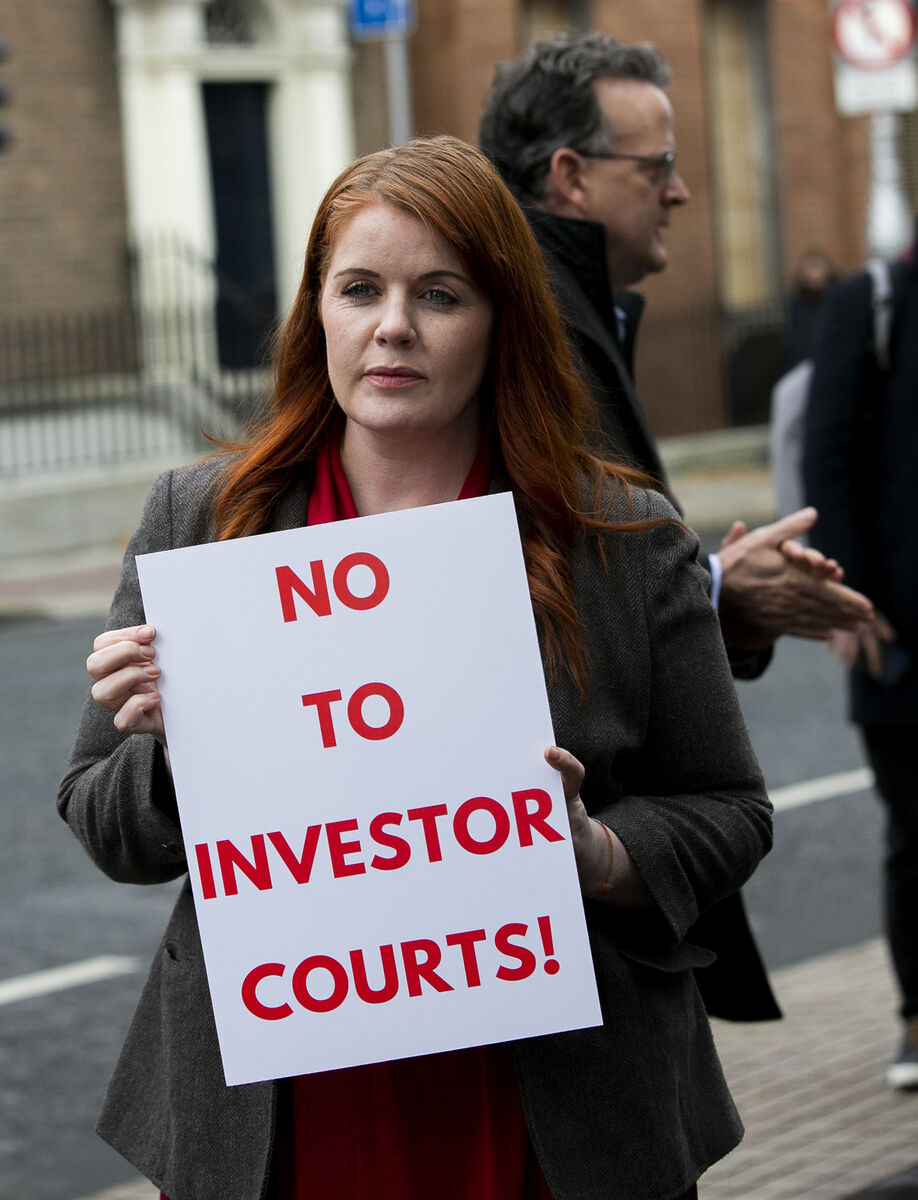
Taoiseach Micheál Martin and Tánaiste Leo Varadkar felt the issue had been in hand and a "robust" exchange was had as the three leaders met that week, while the Greens themselves had "an almighty row".
Dublin South Central TD Patrick Costello took it a step further, lodging a legal challenge to the deal, which he would take 18 months and a trip to the Supreme Court to win.
Between the High Court and Supreme Court, Costello would also be suspended from the party when he and Hourigan voted with a Sinn Féin motion to locate the new National Maternity Hospital on State-owned land.
Candidly and privately, many in the Greens accept that any electoral backlash to this Government will focus on them, meaning they are concentrating on amassing as many legislative wins as possible before then.
Ask for a list of these wins in Government and the party's members are not shy about listing them: they point to the enactment of the Climate Act 2021 and the Climate Action Plan, they talk of the investment in public transport, of retrofitting and commitments to the arts and sport, but for one party source, the major focus "has to be on Ukraine".
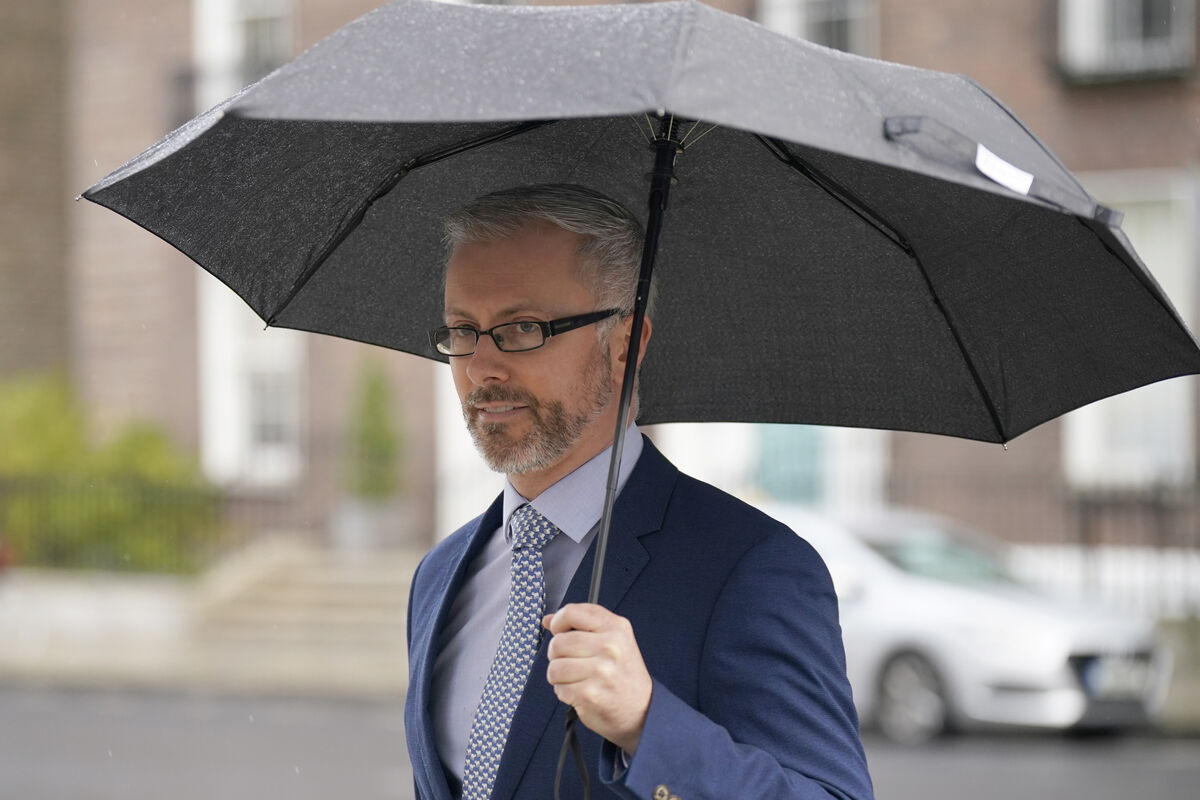
Party members are generally glowing in how O'Gorman has handled the crisis. While they are reluctant to agree that the Dublin West TD was handed a hospital pass by being the line minister responsible for housing and integrating 70,000 new arrivals in just nine months, they do believe he has "carried a lot of the load" at Cabinet level.
They praise his "humane" approach to the situation and point to this as an example of why the Greens are necessary in this coalition.
The news during the week that Costello and Hourigan were returning to the party fold after their suspension was timely given Costello's court win, but it has avoided the party heading into an ard fheis minus two important TDs and allows Ryan to project unity and strength at a time when his party is performing perhaps better than it has in this government.
But he will know that with these Greens, there are many more obstacles to get over in the coming months.


CONNECT WITH US TODAY



Be the first to know the latest news and updates