Simon Coveney sees 'flicker of optimism' in Northern Ireland Protocol dispute
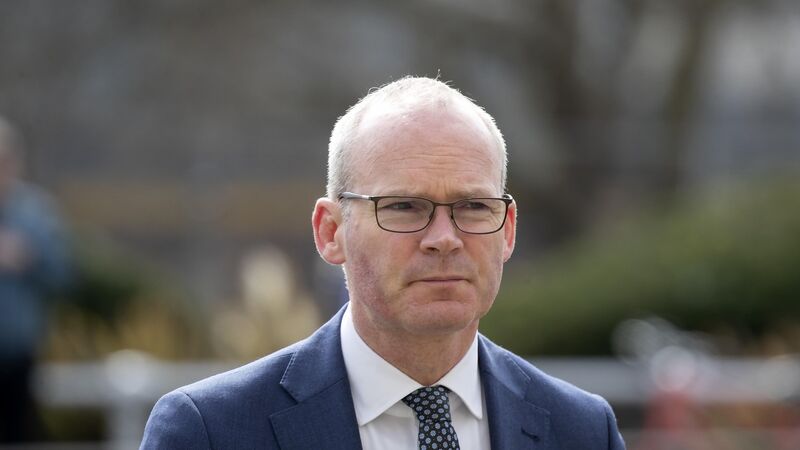
Foreign Affairs Minister Simon Coveney. File Picture: Colin Keegan/ Collins Dublin
Foreign Affairs Minister Simon Coveney has said there was “an air of positivity” and “a flicker of optimism” during his informal talks with Britain's foreign secretary James Cleverly.
Mr Coveney spoke with his British counterpart at the Irish Embassy in London on Thursday night, against the backdrop of the resumption of technical talks over the Northern Ireland Protocol between the EU and the UK.
Speaking on Friday, Mr Coveney said it is important that there be "trust between Dublin and London" as regards their willingness to resolve the outstanding issues over the Protocol.
He said that, ultimately, any major agreement on the matter needed to be between London and Brussels, and that Ireland was part of the EU team.
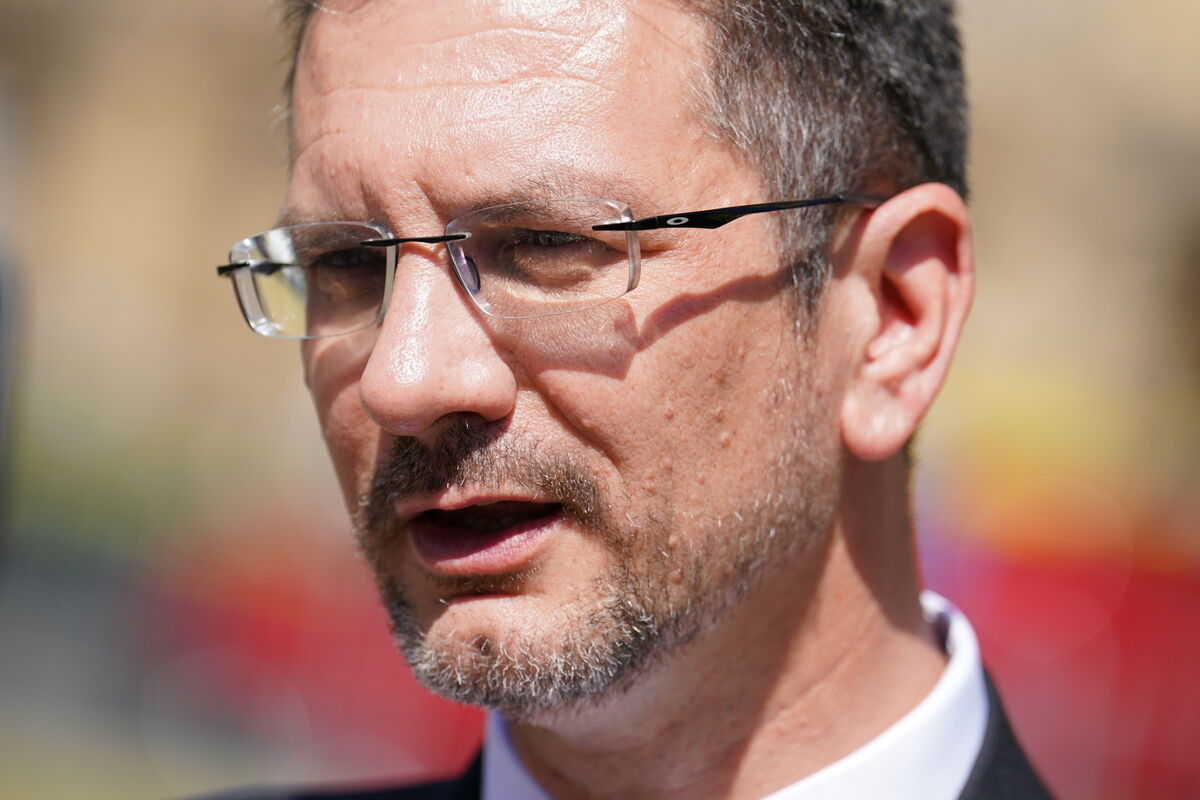
Later today, Mr Coveney will meet with Britain's minister of state for Northern Ireland, Steve Baker.
“There’s a lot of warm language at the moment. I don’t think we should get carried away with that.
“But I certainly think we should recognise that there is a genuine effort coming from this new team in the British Government to try to reach out to Dublin and indeed to Brussels and sending the signal that they’re up for a serious discussion to try to resolve these issues," he told RTÉ's .
“But time will tell whether they’re whether the compromises necessary to get a deal are possible.”
Mr Coveney added that the EU remained flexible on how the Northern Ireland Protocol would be implemented, but the focus on all sides now needed to be on the Northern Ireland Protocol Bill currently making its way through the British parliament.
He said EU negotiators had made it very clear that if the Bill becomes law it would mean the end of the Protocol.
However, he said the time it would take before the bill passed through Britain's House of Lords gave both sides “a window of opportunity.”
Mr Coveney also emphasised the urgency of reaching agreement before October 28, when new elections could be called if the current Northern Ireland Executive is not up and running, which, he said, could "take us backwards” and make the agreement more difficult.
CONNECT WITH US TODAY



Be the first to know the latest news and updates