Ireland asks EU to provide Irish beef with same protections as Champagne
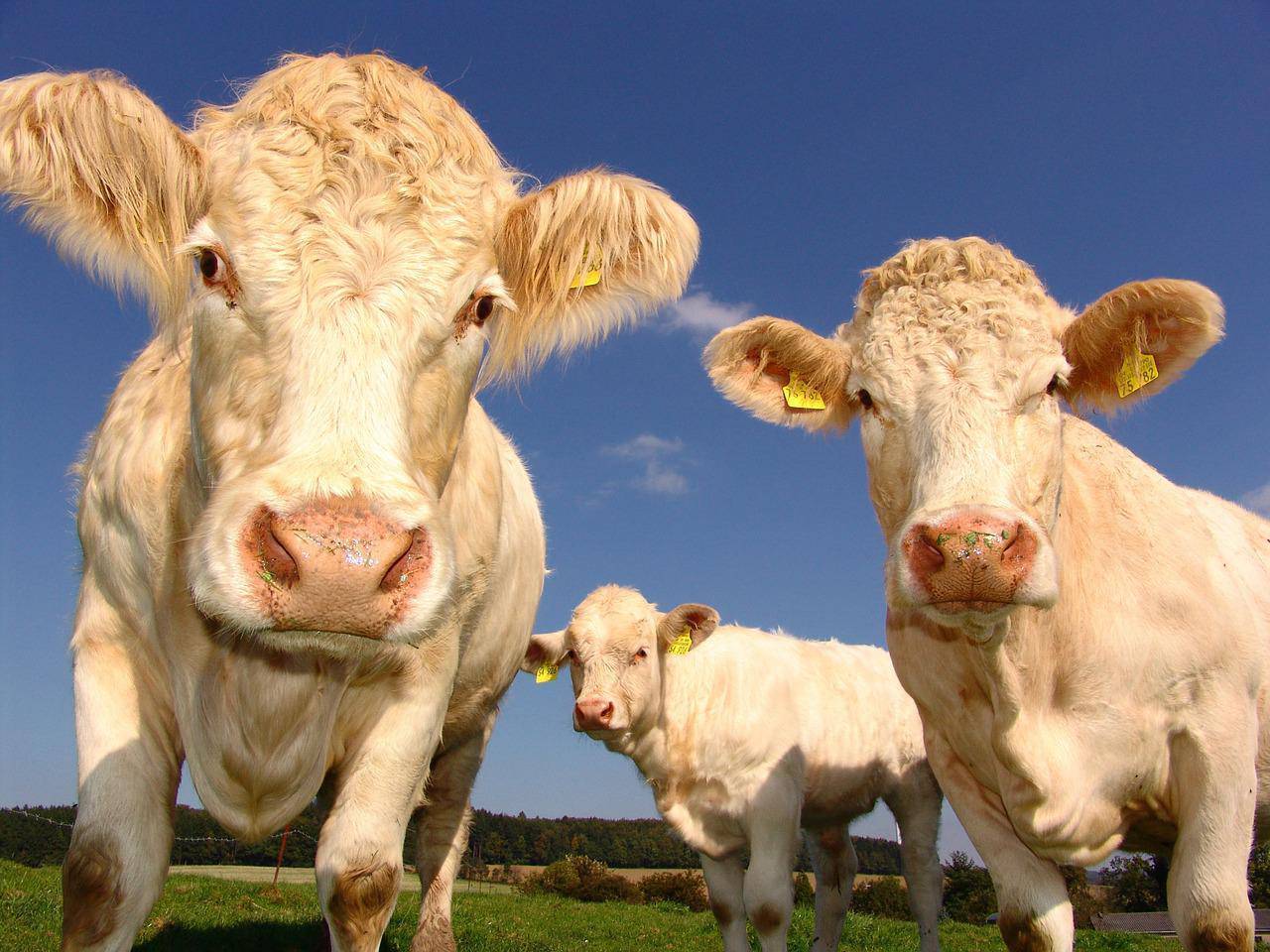
Beef reared and fed in Ireland could be given protected geographical indicator status
Ireland asks EU to provide Irish beef with same protections as Champagne

An agreement struckcould see beef reared and fed in Ireland given protected geographical indicator status by the European Commission.

Ireland has asked the EU to give the country's grass-fed beef similar protection to the likes of Champagne and Parma ham.

Agriculture Minister Charlie McConalogue updated Cabinet on an agreement struck between his Department and Bord Bia with their counterparts in the North and Britain which could see beef reared and fed in Ireland given Protected Geographical Indication (PGI) status by the European Commission.

Geographical indications are a type of intellectual property, protecting food product names which are linked to a particular territory or to a production method.

The Irish push for a PGI had caused alarm among Northern farmers, who feared not being allowed to use the term Irish. After three months of negotiations, however, it has been agreed that the protection would apply to all beef which comes from the island of Ireland.

The European Commission was notified of the agreement and will advise Ireland on the next steps which will include further scrutiny and a three-month consultation/opposition period at EU level. It is hoped that the Commission scrutiny and publication of the revised application will progress "quickly" and the PGI for Irish Grass Fed Beef will then be registered.

Cabinet also agreed the end of Covid-19 testing for the public. 

Health Minister Stephen Donnelly accepted the recommendation from CMO Breda Smyth that testing be wound down from early autumn.

A Government spokesman said that, based on revised public health advice, Covid testing will no longer be recommended for the general population. 

Testing will only occur based on a clinical assessment where a doctor requires the result to "contribute to the diagnosis and management of an individual patient, or where deemed necessary by Public Health in relation to the management of an outbreak or specific public health risk". 

It is not clear if patients will have to pay for tests, but the HSE has been developing an emergency plan which describes how testing will be ramped up if there is a need to reintroduce mass testing at community level. Mr Donnelly has also received approval for a bill which will enable holders of UK medical degrees to access medical intern training posts in Ireland, which had been disrupted by Brexit.

Tánaiste Leo Varadkar sought approval for a piece of legislation which will see the introduction of a "seasonal employment permit" to cater for short-term and recurrent staff shortages in certain sectors, as well as the expansion of the Credit Guarantee Act to allow businesses avoid liquidity issues because they are stockpiling. 

The Emergency Response SME Credit Guarantee Scheme will replicate many of the features of the Covid Credit Guarantee Scheme. 

Building projects 

Housing Minister Darragh O'Brien updated Cabinet on his Department's Capital Expenditure report, which shows that €199 million less than anticipated was spent on building projects by the end of June. A spokesperson said "the variance is partly explained by delays in some construction projects due to challenges of price and energy inflation, as well as supply chain disruption".

Children's Minister Roderic O’Gorman told Cabinet that as of last week, some 42,000 Ukrainians fleeing the conflict have arrived in Ireland and been provided with temporary protection orders, and over 30,900 of these have sought and been provided with short-term accommodation.

More in this section

Politics

Newsletter

From the corridors of power to your inbox ... sign up for your essential weekly political briefing.

Cookie Policy Privacy Policy Brand Safety FAQ Help Contact Us Terms and Conditions

© Examiner Echo Group Limited