Agriculture Minister fully committed to 51% emissions reduction by 2030
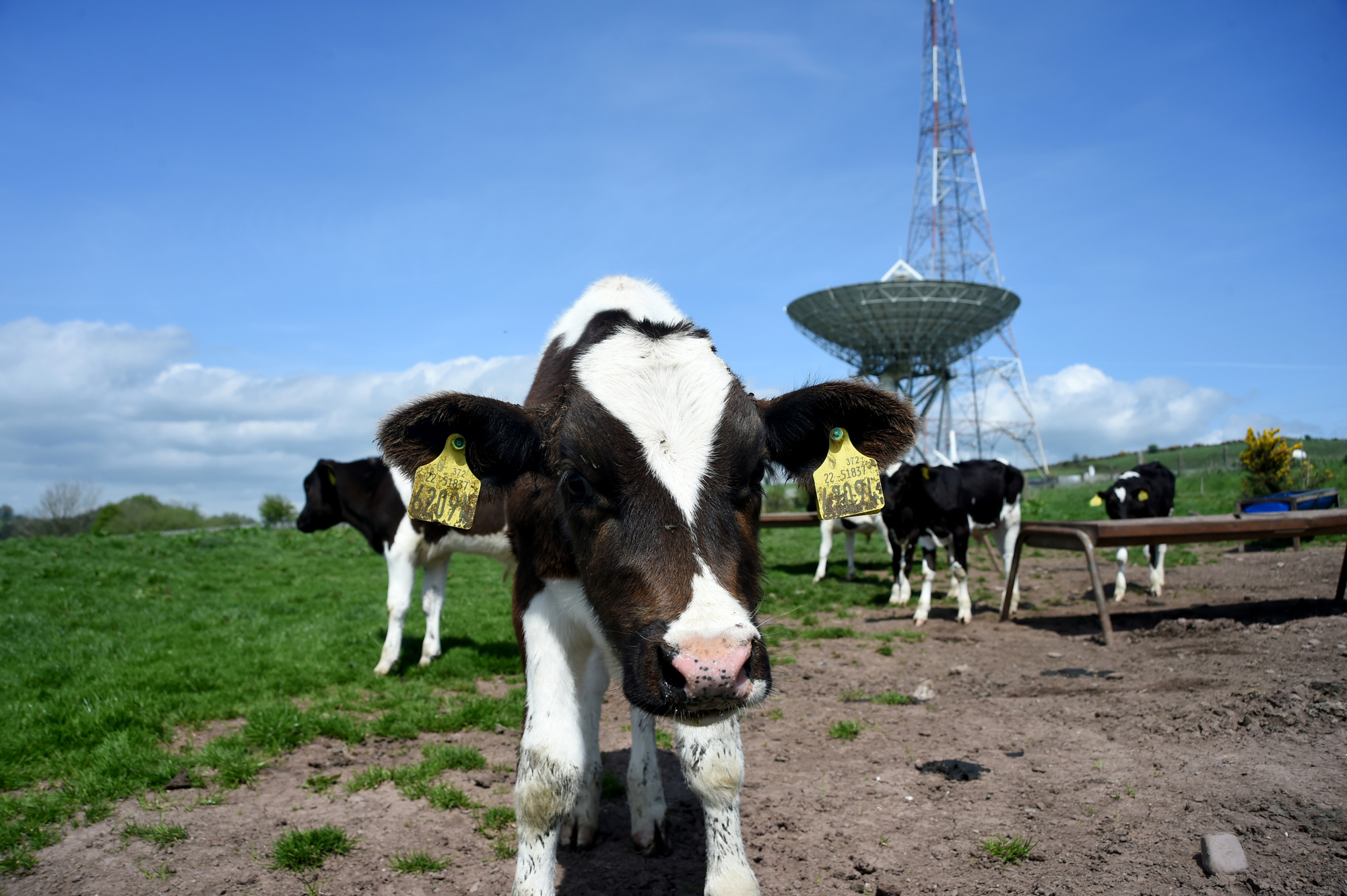
Cattle in a field beside the National Space Centre at Elfordstown, Midleton Co Cork. Picture: Larry Cummins
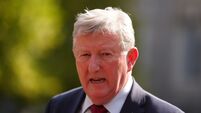
Agriculture Minister Charlie McConalogue says he is fully committed to achieving a 51% reduction in emissions by 2030, but said work is still ongoing to agree the first reduction this week.
Tensions are high within Government over the level of proposed emissions reductions in agriculture with farmers saying they cannot go beyond the minimum amount of 22%, while Green Party leader Eamon Ryan is looking for 30%.
Mr McConalogue said the talks are “productive” and his goal is to minimise the emissions connected with the production of food but while helping family farms produce that food.
“The key objective I have had throughout this process is to get a conclusion which minimises in every way the emissions footprint in how we produce food, but backs family farms in their massively important work in producing that food,” he said on Sunday.
He moved to dismiss contradictory reports in the media as “not accurate” but was slow in countering suggestions that he is willing to concede ground beyond the 22%.
Such tensions between Mr McConalogue and Mr Ryan have already led to a delay in the emissions targets being agreed but there is still hope within government it can be resolved before Wednesday’s last Cabinet meeting before the summer.
However, speaking to the , several senior government figures have conceded that “kicking it back” until September is now a realistic possibility.
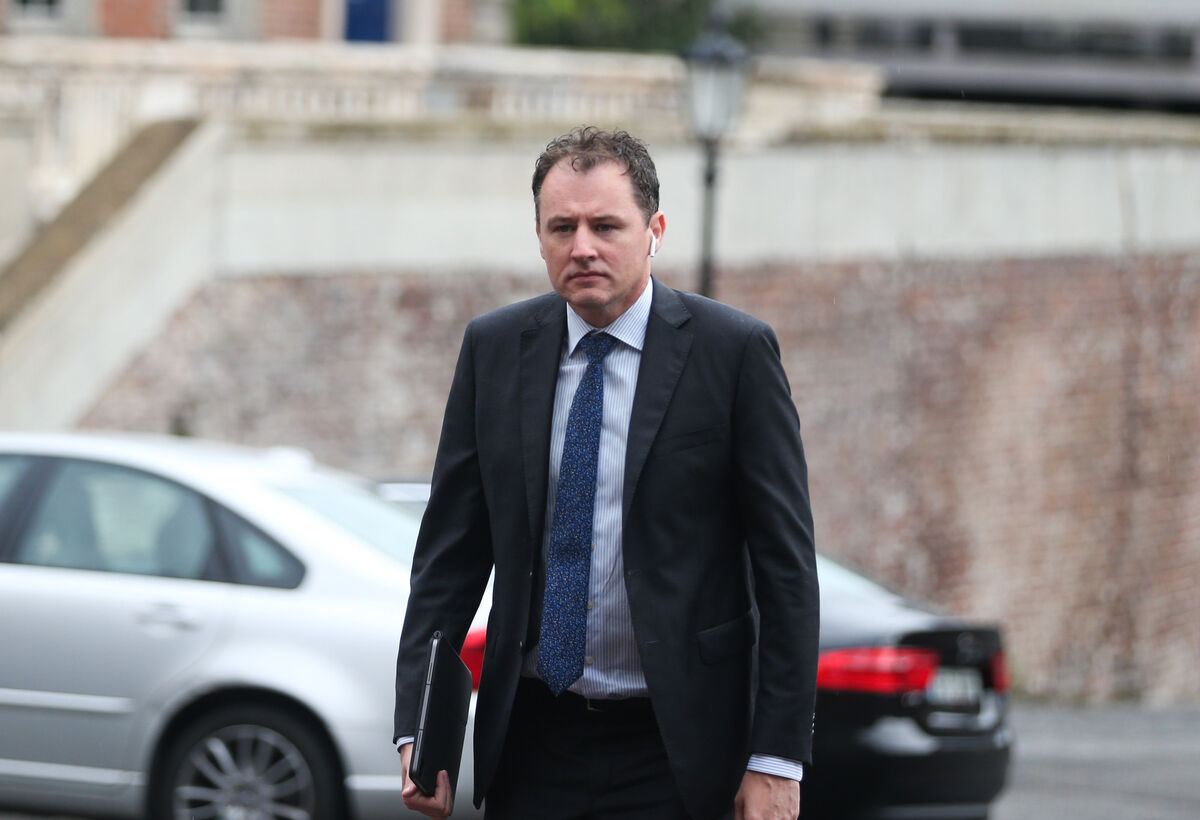
Speaking on Newstalk radio on Sunday, Mr McConalogue said the approach he has been taking at all times is about balancing the need to produce food with the need to minimise the emissions footprint of it.
“I’m fighting for farmers here to back them in relation to food production, and what we need to do is do the maximum in relation to minimising emissions,” he said.
The Donegal minster described as “an erroneous argument” about people eating less meat saying people need to have a balanced diet, echoing comments made in an interview with the Sunday Independent.
Agriculture accounts for just over 37% of all of Ireland’s greenhouse gas emissions. Asked about the increase in agricultural emissions last year, as recorded in an Environmental Protection Agency (EPA) report this week, Mr McConalogue said he expected emissions to fall in 2022.
“This year I’m confident we’ll see a reduction in our emissions because we’ve seen fertiliser use down,” the minister said.
A spokeswoman for Mr Ryan refused to comment on the various speculation in weekend media reports.
A member of Mr Ryan’s Climate Change Advisory Council, Dr Cara Augustenborg, said farmers need to raise their ambitions in line with the energy, transport and construction sectors.
“The other sectors have already agreed to the most ambitious end of the scale for their targets. So they've said they're willing to do as much as they possibly can to reach those emissions targets,” she said.
“Whereas agriculture has been the big holdout. They're saying we're only willing to do the lower end of that target that 22%. And unfortunately, if agriculture doesn't raise their ambition, then it really calls into question the entire process and the ability to meet our targets,” she added.
A group of Fine Gael TDs and Senators, including four former government ministers, have said that farmers and rural Ireland are being "scapegoated" over climate change.
In a joint statement released over the weekend, former Fine Gael ministers and current TDs John Paul Phelan, David Stanton, Charlie Flanagan, and Paul Kehoe, as well as Senators John Cummins and Garret Ahearn, sought to counter what they called the “false narrative” around agriculture and its impact on Ireland's greenhouse gas emissions.


CONNECT WITH US TODAY



Be the first to know the latest news and updates