Government expected to reject SF calls for emergency budget
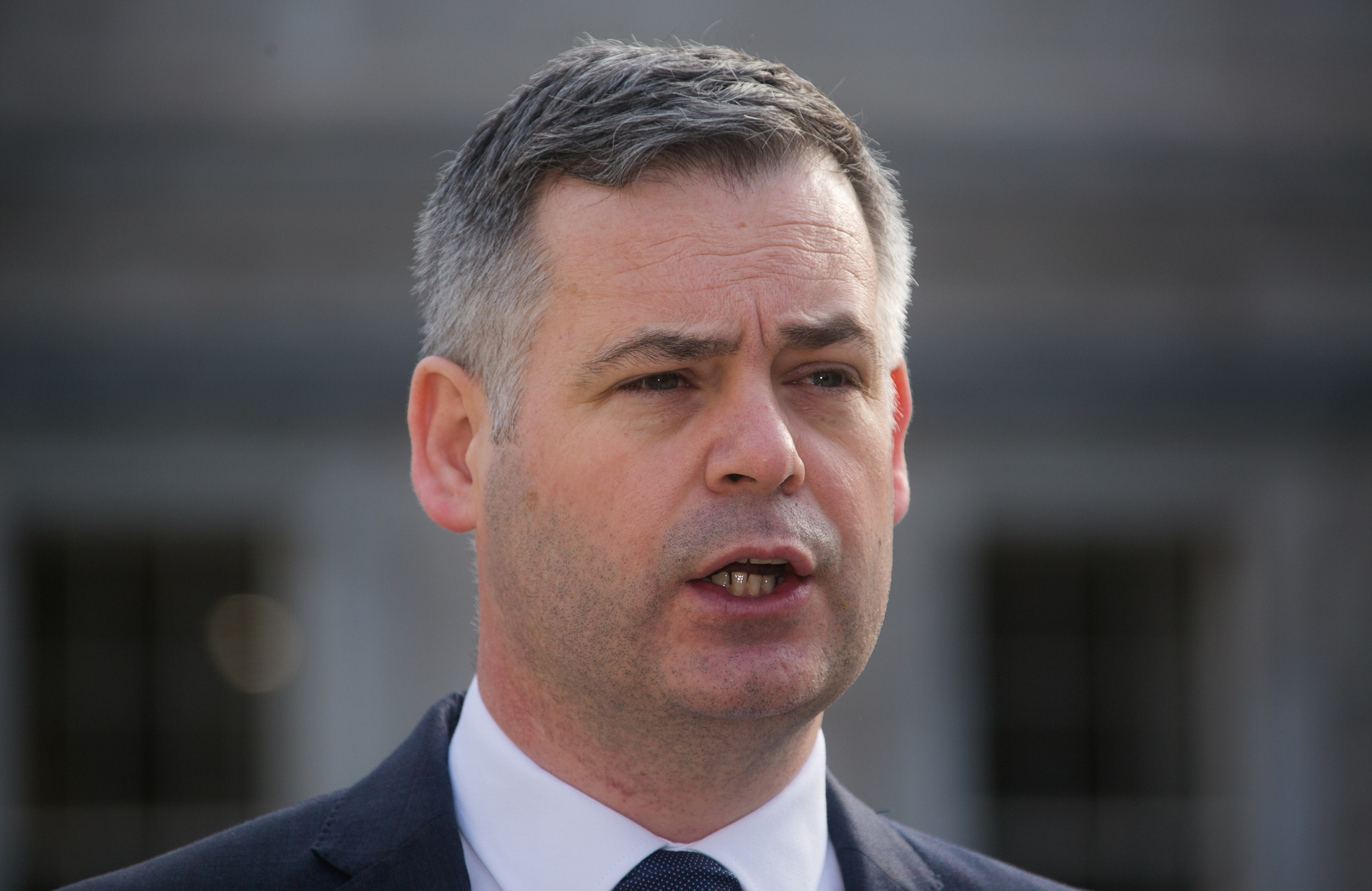
Sinn Féin finance spokesman Pearse Doherty: 'The Government cannot keep ignoring this crisis and the huge pressures people are under. The time to act is now.' Picture: Gareth Chaney/Collins
The Government is expected to reject Sinn Féin calls for an emergency budget even as pressure comes from within parties to act on the cost of living.
A Sinn Féin motion will be debated in the Dáil on Tuesday on a €1bn emergency budget but ministers have said the Government would resist the urge to intervene.
"The motion changes nothing. It comes down to how much money you want to be available for autumn, when we think people will really need the help," said one senior minister.
Government sources have said that with the Summer Economic Statement yet to be finalised, it was difficult to know how much additional spending would be possible in the budget, meaning that any additional outlay now may affect the ability to make cuts to childcare costs or third-level fees.
That statement, due in the next two weeks, will clarify how much fiscal space the Government has. A senior source said that while tax revenues were "buoyant", there was "a lot of moving parts".
"There are judgement calls to be made and debates about how you target resources," said a minister.
Ministers accepted "the temperature will be high" in the remaining three weeks of the Dáil term but said there was commitment among the coalition leaders and the finance and public expenditure ministers to wait until the budget for further measures.
Sources said they were concerned that "reacting week to week" would put at risk Government priorities such as a cut to creche fees.
The Government response to the Sinn Féin motion will be discussed at a meeting of the three coalition leaders on Monday night.
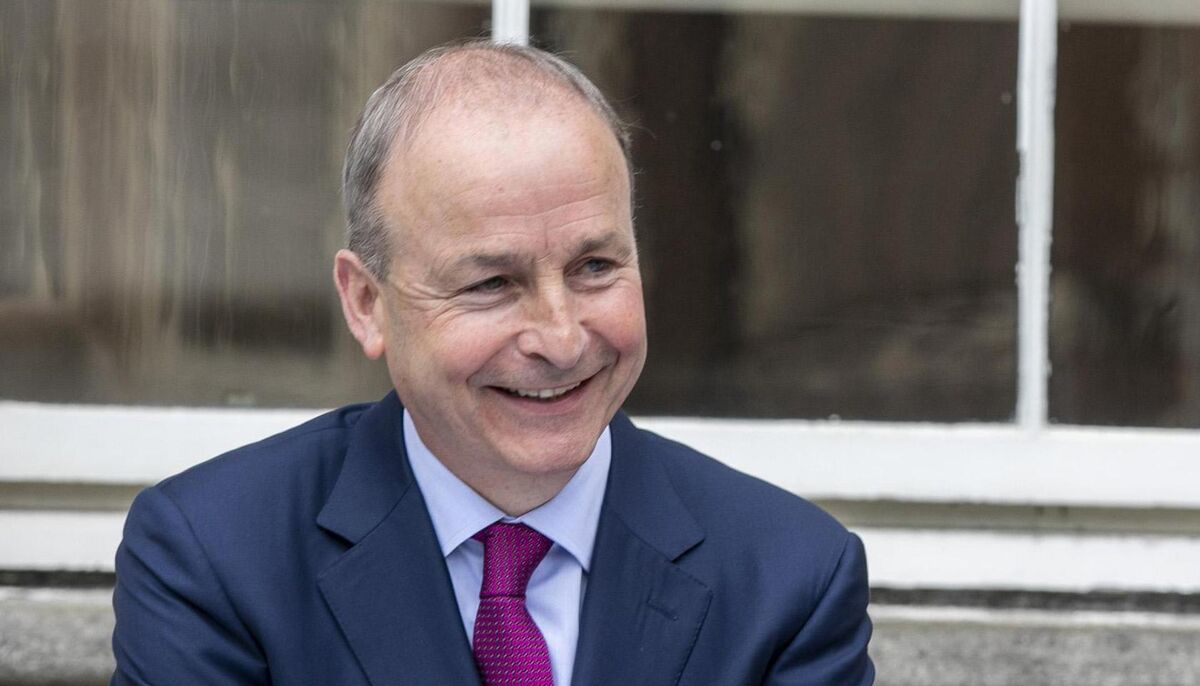
Taoiseach Micheál Martin ruled out the notion of an early budget while in Brussels last week.
“The optimal moment for us is the budget and it’s not just to deal with the cost of living — we will have to deal with the cost of living in terms of reducing pressures on people," he said.
Sinn Féin's finance spokesperson Pearse Doherty said his alternative would "deliver much-needed support to ensure that workers get a break".
“We must introduce a cost- of- living cash payment for people who need it," Mr Doherty said.
"We need to cut childcare costs by two thirds as they are far too expensive for families. We must cut the price of petrol and heating so that they are affordable. We must increase core social welfare rates to ensure the most vulnerable in society are protected from price rises.
"The Government cannot keep ignoring this crisis and the huge pressures people are under. The time to act is now."
Both Fine Gael and Fianna Fáil are set to discuss budget priorities with finance ministers in the coming days, with Fine Gael set for a six-hour parliamentary party meeting on Tuesday. One of its TDs, Kildare North's Bernard Durkan, said a Government agency should be established to track "price gouging".

“There is a possibility that prices could rise further and this is of huge concern to people," Mr Durkan said. "We need to be able to identify the cause of this and instances where there is a legitimate need for prices to be passed on to the general public or whether some companies are engaging in the dubious practice of price gouging.
“I believe in the current climate, we require a particular unit within a Government department to monitor prices set by utility and other service providers to ensure companies aren’t abusing their market position through excessive pricing."
Mr Durkan raised the issue with Tánaiste Leo Varadkar last week, with Mr Varadkar saying he was open to the proposal.

CONNECT WITH US TODAY



Be the first to know the latest news and updates