Taoiseach 'would not overstate' coalition tensions over budget to tackle cost-of-living crisis
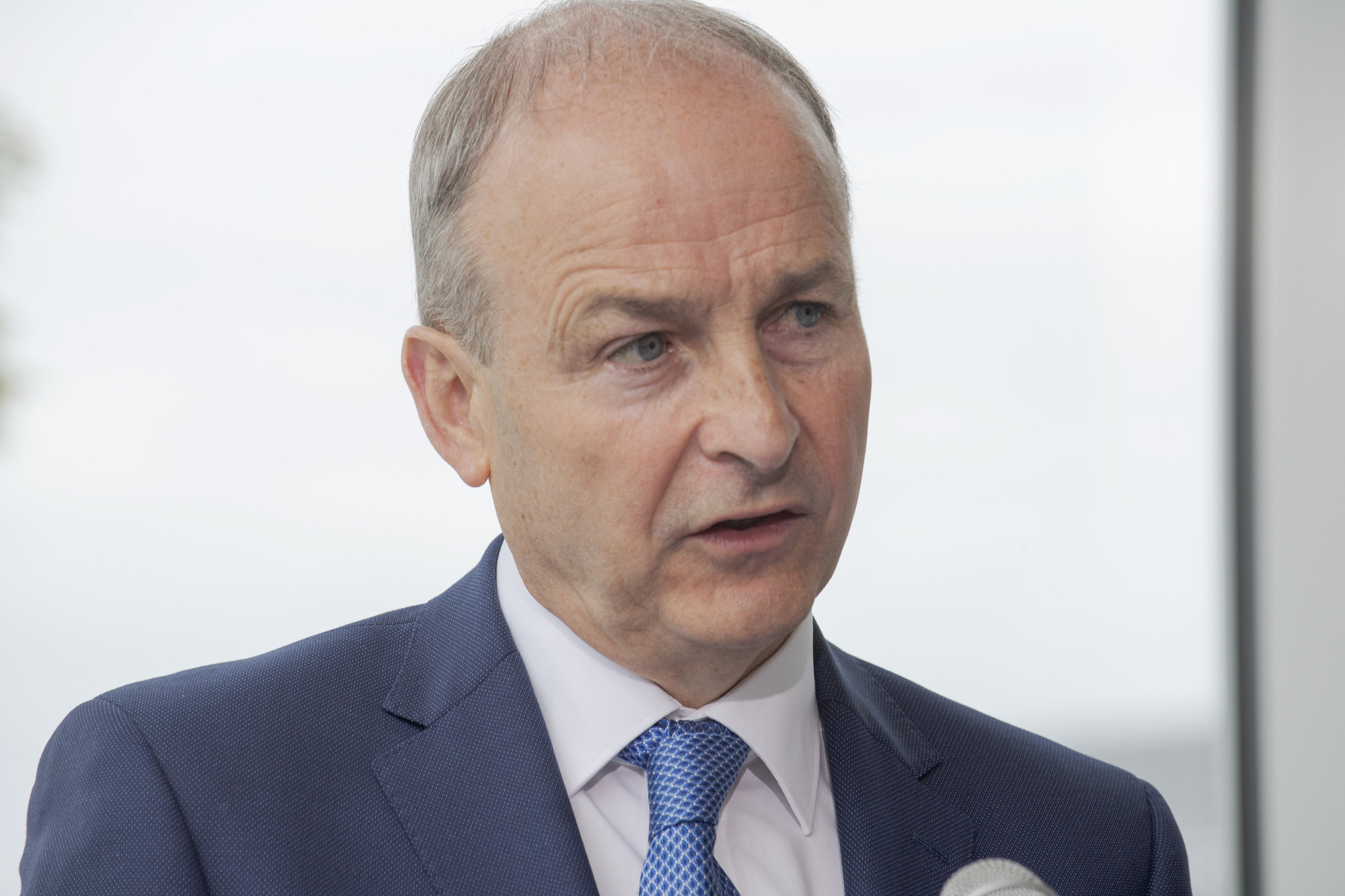
Micheál Martin said the first major development in the Government's tackling of the cost-of-living crisis will be the Summer Economic Statement
Taoiseach 'would not overstate' coalition tensions over budget to tackle cost-of-living crisis

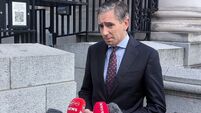
The Taoiseach Micheál Martin: "The war in Ukraine has unleashed a humanitarian crisis, the likes of which we have not seen since World War II, with very serious migration flows across Europe, a huge energy crisis and now, and in the next while, famine – a potential food crisis globally." Photo: Daragh Mc Sweeney/Provision

The Taoiseach said that he “would not overstate” any rising tensions in the coalition over how to best tackle the cost-of-living crisis in the next budget.

But he said that Government “fully realised” the difficulties spiralling costs are creating for people. The October budget will be a ‘cost of living budget’, he said at the official opening of Park Place Technologies’ new facility in Blarney Business Park, Cork, which plans to now double its workforce.

“Cost of living is a very serious issue for people,” Micheál Martin said.

“There’s a lot of pressure on people, essentially brought about by the war in Ukraine. The war in Ukraine has unleashed a humanitarian crisis, the likes of which we have not seen since World War II, with very serious migration flows across Europe, a huge energy crisis and now, and in the next while, famine – a potential food crisis globally.

“It’s very, very serious. And, as a society, we have to deal with it.” He said that although Government has introduced some €2bn worth of measures to help people cope with soaring inflation – such as reducing public transport fees and increasing the fuel allowance – the October budget was their opportunity to comprehensively address the crisis.

“We cannot chase inflation on a week-by-week basis … but we will engage with various stakeholders to deal with the crisis that has been brought about by the war, and also coming out of covid and the economy rebounding, causing the price of living to rise.

“We haven’t seen inflation as high as this since the 1970s. What we want to avoid is what happened in the 1970s which went on for a full decade, we don’t want that happening now.

“I wouldn’t overstate any tensions [with coalition partners over the budget]. Serious discussions in terms of the framing of the budget will take place over the coming weeks. The first major development in that respect will be the Summer Economic Statement.

“That will give an idea of the framework, and the parameters around which the budget decisions will be taken.” When asked if he would consider increasing tax cuts, as proposed by Fine Gael, Mr Martin said that priorities had yet to be fully hammered out by Government.

“Everybody would love cutting everything and reducing costs but priorities will have to be hammered out by Government,” he said.

“We want to make sure we keep the economy on track, which is going well, we’re near full employment and it looks like we will post economic growth again at the end of the year.

“So the budget will be a cost-of-living budget, focussing on the pressures that are on people. We’ve got to target those resources in the best way possible, especially in terms of reducing poverty… and whatever broader measures we can take.”

More in this section

Politics

Newsletter

From the corridors of power to your inbox ... sign up for your essential weekly political briefing.

Cookie Policy Privacy Policy Brand Safety FAQ Help Contact Us Terms and Conditions

© Examiner Echo Group Limited