Anne Rabbitte: Massive disability investment not translating to services
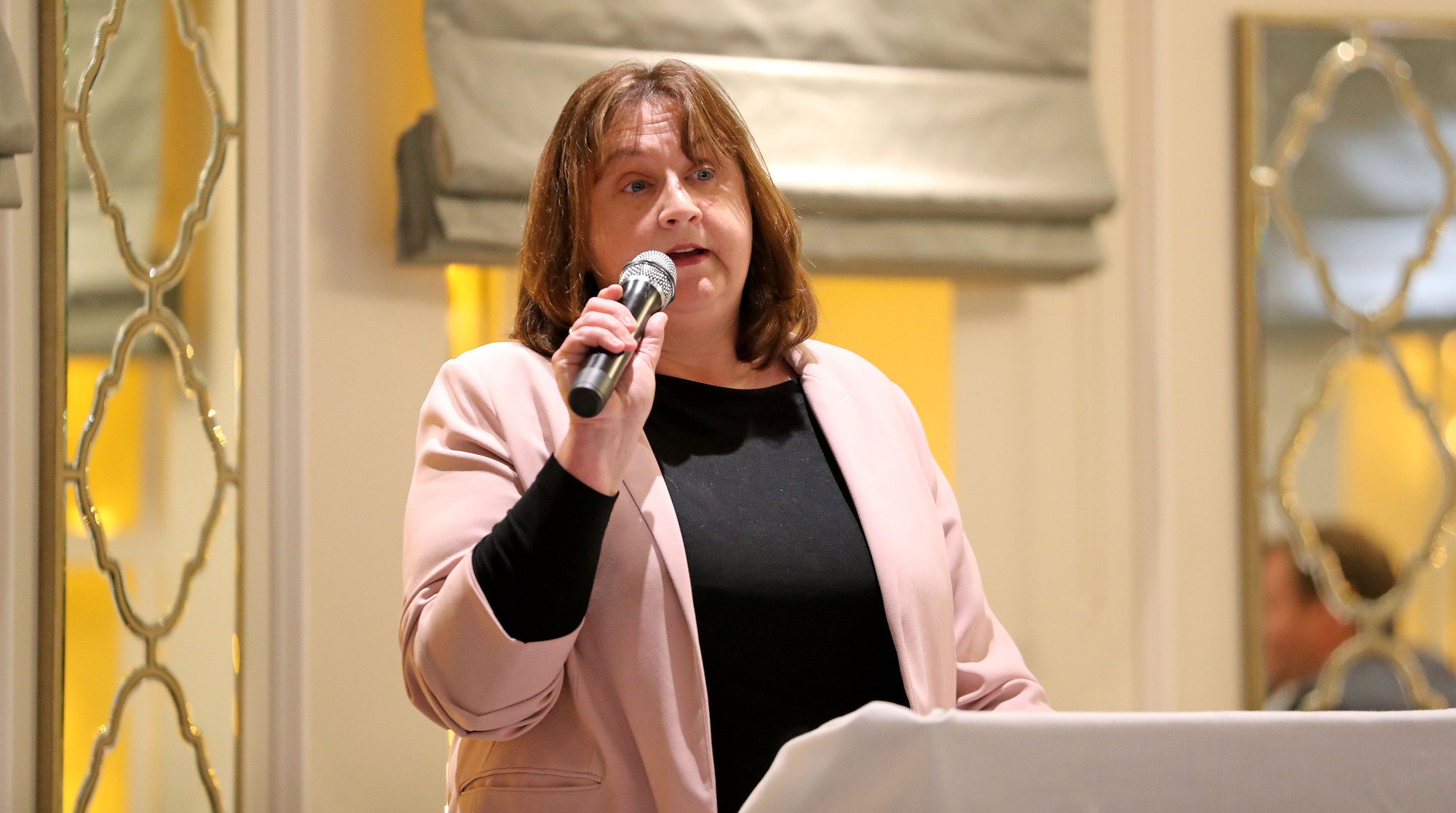
Anne Rabbitte TD, Minister of State at the Department of Children, Equality, Disability, Integration and Youth. Picture: Jim Coughlan
“I’m done fighting, I can’t do it anymore.” That’s what a mother said to me at a recent meeting about disability services. The sad thing is, it’s not the first time I’ve been told this and yet it never stops having an effect on me.
When the Taoiseach appointed me the Minister for Disability in July 2020, I was surprised to learn that the vast majority of the €2.1 billion for disabilities had largely focused on the provision of residential places and day services. These are absolutely crucial supports and investment in these areas will continue, and indeed more is needed. But other areas need attention at the same time. Over my two budgets to date, I have tried to reorient the funding, with a particular focus on respite and the recruitment of clinicians to deliver therapies, as well as bolstering the number of Personal Assistant hours people can access.
Change, however, can be slow. It’s sometimes not only the direction of the funding that needs to be looked at but, in some cases, there’s a culture that needs to change, and I don’t mean in Government. But I do think it’s shifting, and if we just keep persisting, we will get there. For me, it’s essential there are clear pathways in place for people with disabilities so people know what and where supports are available, regardless of diagnosis or need.
A key tenet I’ve tried to adhere to as a minister is that I am also an advocate for people with disabilities across Government. It’s not only my job to ensure enough funding is secured in each budget so services can be improved upon, but also to ensure services already in place are operating at full capacity for people with disabilities, and that we’re sweating all assets. Thankfully, I have yet to meet a minister or Government colleague who has not supported me. There is a sense of purpose and a recognition of there being a job to do and we just need to get on with it.
There are so many initiatives in train that I hope can have a positive impact, whether it’s the Autism Innovation Strategy, the development of 19 respite houses around the country over 2021 and 2022, the launch of the Day Service deferral programme, the commencement of the Irish Sign Language Act, the funding of the AsIAm Information Support Phoneline, the new Disability Promotion and Awareness Fund, the upcoming commencement of the Decision Support Service, or the commissioning of research into gender-based violence against people with disabilities.
But these are almost peripheral if some of the key issues facing disabled people and their families aren’t addressed. I think it’s my duty to be open about where disability services are working but also where they are not. People deserve the respect. For those that know me, they know I’m a straight talker and sometimes it can get me into a little trouble (or maybe a lot!).
Key services such as the delivery of children’s therapies need to be functioning in a way that ensures children can access therapies in their community and in a reasonable timeframe. We have legislation and policies to beat the band and I know there are tens of millions of euro going into the delivery of children’s therapies but, in some cases, it’s clear to me that this massive investment is not translating into services on the ground. In some cases, recruitment and retention can be critical issues that the HSE and its funded agencies must grapple with, but I also know the application of some policies can be too slow-moving, overly complicated, or, in some cases, lacking common sense. And this is causing upset, frustration and anger among parents, and I can see why.
I know from meeting parents and visiting services themselves that frontline staff, whether clinicians, day service staff, respite and residential staff and so on, are doing their best to deliver services and support people accessing the service. The issues often lay elsewhere in the system.
Not long after being appointed and while still getting to grips with the portfolio, I was told by a senior official that I was ‘getting in the weeds’ too much, that ministers generally take a higher-level approach. But, for me, that’s where the issues are, where I can get a better understanding of why services aren’t working for parents, or why waiting lists aren’t decreasing.
This hands-on approach has certainly been a bit of a readjustment for the HSE and the bit of back and forth we’ve had on some issues has sometimes spilled into the public domain. I’m not trying to catch people out or point the finger of blame though. Like any of my government colleagues, I just want to ensure that policies are working for children, families, and disabled people themselves. I need to know whether additional resources are needed, or if I need to make changes to a given policy.
One such area is the rollout of the Progressing Disability Services (PDS) programme, which has been one of the most fundamental changes to disability services in this country in decades. But I can’t state here that the rollout of PDS has been smooth, far from it. I think the merits of PDS and the equitable access to services it strives towards is the way to go but in its current form, it is simply not delivering for children or parents.
We need to make some changes to ensure it is working, that therapies are being delivered face-to-face and parents aren’t left waiting for years with no service or having to pay privately themselves. This includes returning therapists to Special Schools who may have lost them, pausing the use of the Individual Family Support Plans (IFSPs), and over the coming months, I will commence a PDS Development Audit, which will aim to pinpoint what elements simply aren’t working and what areas need extra support to ensure delivery.
I can’t but mention that one of the key drivers of change in disabilities is the UN Convention on the Rights of Persons with Disabilities (UNCRPD), which Ireland ratified in 2018. It’s about giving disabled people the choice to live their lives how they want and ensure society is as accessible in all its forms. I think we’ve made a lot of progress in making the UNCRPD a reality, but we still have a number of issues to address. The UNCRPD doesn’t just apply to health issues but across society. I don’t think it has been fully integrated into a number of areas, and this is why the UNCRPD Implementation Plan will be a key framework that ensures we make the changes necessary, including the introduction of the Optional Protocol.
The HSE and I don’t always see eye to eye but that’s OK. I would actually be worried if we did always agree. My job, as a minister, is to develop policy, secure funding to implement it and then ensure the HSE operationalises it at local level and delivers the services as intended. I need to be assured that people with disabilities can access the services available to them and if it’s not working, I need to find out why. And sometimes that involves calling out the HSE. It’s uncomfortable for them, but you know what, it’s more uncomfortable for the children, families and people with disabilities when they can’t access services.
Some parents may understandably be done fighting, but you have my word, I’ve many rounds left in me yet.
- Anne Rabbitte is Minister for Disability in the Department of Health and Department of Children, Equality, Disability, Integration and Youth.
CONNECT WITH US TODAY



Be the first to know the latest news and updates