Economist: Irish reunification would mean hefty tax rises or spending cuts in Republic
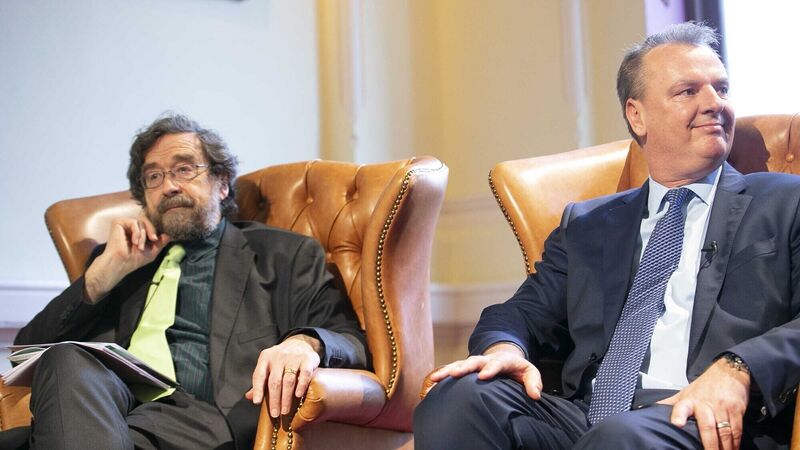
Prof John Fitzgerald, left, said the cost of Irish unity would depend on how much subvention would be needed for the North. File picture: Sam Boal/Rollingnews.ie
Foreign Affairs Minister Simon Coveney is to hold a meeting with British Northern Secretary Brandon Lewis in Dublin on Wednesday, amid rising tensions in the province.
The Dublin Government is keen to step up the level of engagement with the Northern Executive leaders and the British government following the ousting of DUP leader and First Minister Arlene Foster.
The meeting comes as TDs were told that Irish reunification would cause a financial shock in the Republic which would require either a major hike in taxes or a significant reduction in public spending.
Economist John FitzGerald said this shock would trigger a drop in living standards, he said.
Speaking at the Oireachtas Committee on the Implementation of the Good Friday Agreement, Prof FitzGerald said the cost of Irish unity would depend on how much subvention would be needed for the North.
At present, the North currently runs an annual budget deficit of £9bn-£10bn, which requires an annual subsidy or subvention from the UK exchequer, the committee heard.
Prof FitzGerald and his TCD colleague Edgar Morgenroth have calculated that assuming the North's subvention would lead to a five to 10% decrease in the standard of living currently enjoyed in the Republic.
Speaking at another committee, Mr Coveney said the arrival of Joe Biden into the White House is putting a lot of pressure on Saudi Arabia in relation to [its military activity in] Yemen, and also on Eritrea and Ethiopia over the ongoing violence in the Tigray region.
"The US has become much more exorcised... in recent weeks," Mr Coveney said. This "has added real impetus to the need for change".
Since January, Ireland has a rotating seat on the United Nations Security Council and assumes its presidency for the month of September.
He said there was lots of evidence of extreme and brutal breaches of international law as well as sexual violence by soldiers on women and children in the region.
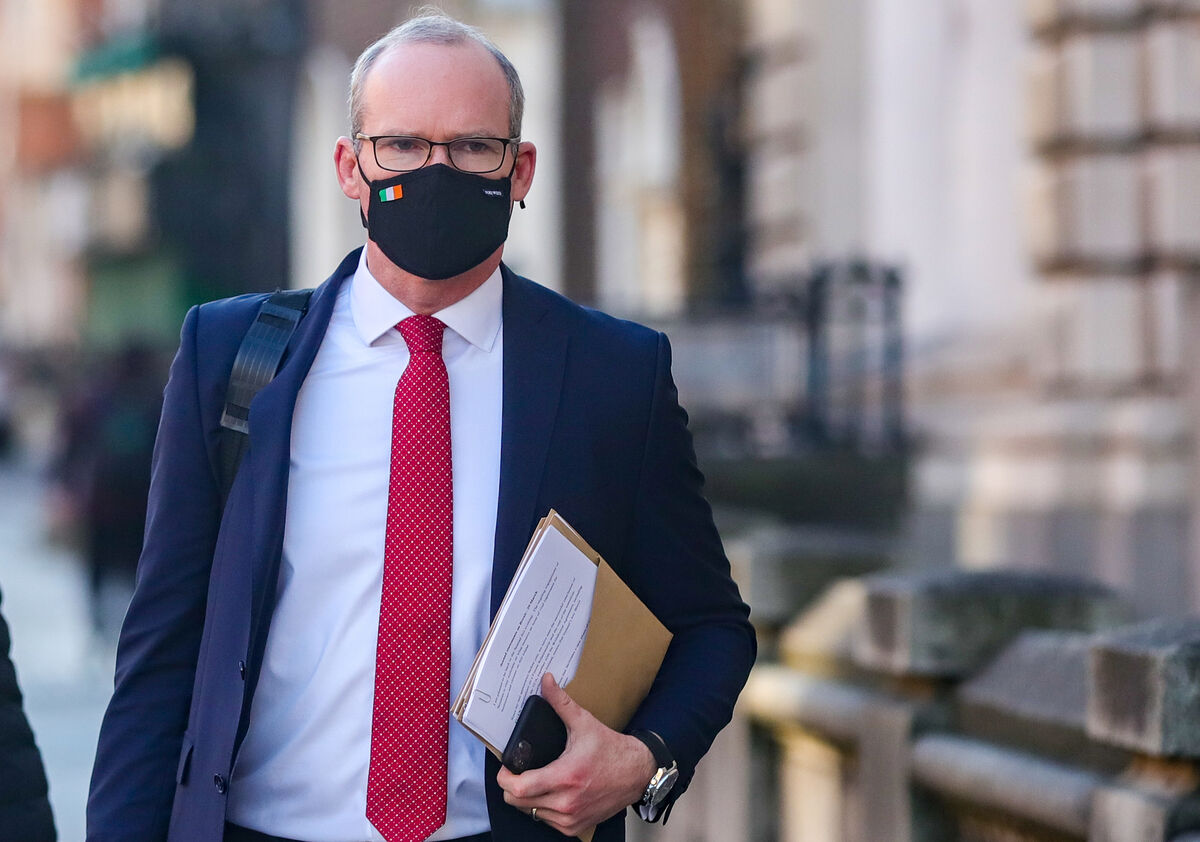
Addressing the Oireachtas Foreign Affairs Committee, Mr Coveney said there was no consensus in the EU to impose an arms embargo on Saudi Arabia over the war in Yemen at present.
He said despite this lack of agreement, a number of arms exporters in the EU have said they will not export until there is a permanent ceasefire.
On vaccines and the pandemic, Mr Coveney said it was morally unacceptable to allow a legal intellectual argument to prevent or slow down the manufacturing of life-saving vaccines.
Mr Coveney said the UN may soon deliver what he called new thinking and new initiatives on how to tackle the ongoing humanitarian and political crisis in Syria. This would particularly help the many thousands of detainees who have been seized arbitrarily by the regime of Bashar al-Assad, he said.
He said it was essential to maintain the only international border crossing into Syria.
CONNECT WITH US TODAY



Be the first to know the latest news and updates