Alan Kelly: Joan Lucey will not be last woman to die while taking case against HSE
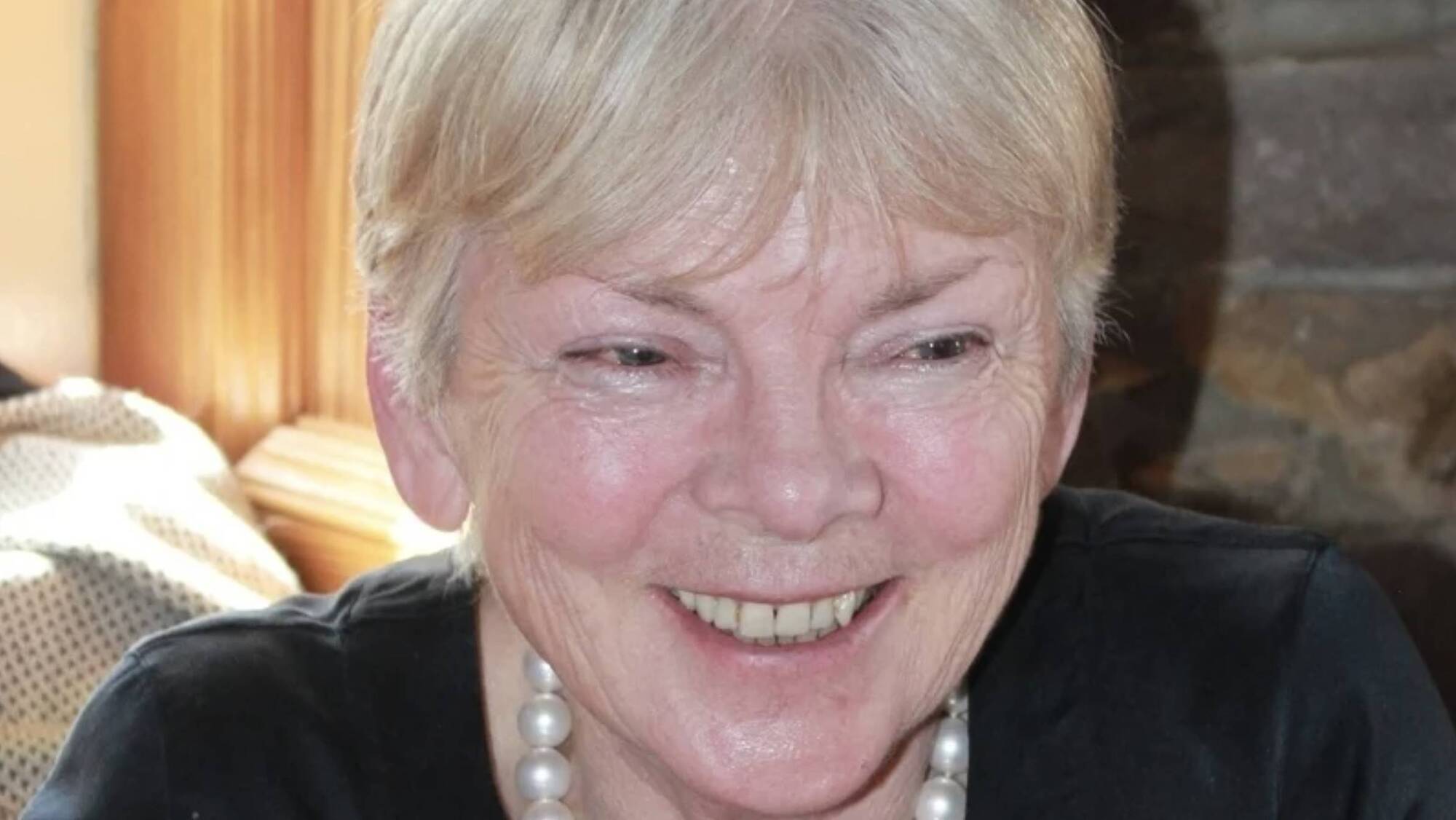
, from , had been suing the and two laboratories over her smear slides. She passed away just hours after her legal team, who had repeatedly sought mediation, got an agreement to this from the and the labs.
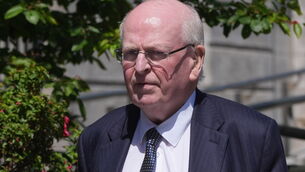
will not be the last woman to die while taking a case against the over the CervicalCheck scandal unless the Government acts, Labour Party leader has warned.
Ms Lucey, who was terminally ill with cervical cancer, had been suing the and two laboratories over her smear slides. She passed away just hours after her legal team, who had repeatedly sought mediation, got an agreement to this from the and the labs.
Before her death, the 73-year-old Kerry woman said she had gone public on her case as she wanted to hold the accountable and also hoped to help other women and families in her position.
Mr Kelly called on the Government to immediately intervene as he warned that there are a lot more cases coming down the line.
"I can guarantee, as I've spoken to so many people, that there are many more women and families who are going to be left in the same situation," said Mr Kelly. "For me, that's immoral and completely and utterly wrong.
 "And remember, there are more cases coming down the line."
Mr Kelly added that Ms Lucey's case shows how the Government "has not learned" from the Morrissey judgement with regard to the way in which these cases should be handled, adding that "it's scandalous that this is continuing".
Ruth Morrissey, who passed away last July, won a case against the and two laboratories that examined her cervical smear tests.
She was not told until 2018 that a review carried out in 2014 showed smears taken under the CervicalCheck screening programme in 2009 and 2012 had been incorrectly reported. Her cancer returned in 2018.
The High Court found in favour of Ms Morrissey against all three defendants and awarded total damages of €2.16m.
A five-judge Supreme Court dismissed most of the appeals by the laboratories and the over the High Court decision and held that the High Court was correct in applying a standard for screening where screeners should have no doubt a sample is adequate and does not contain any suspicious material before stating it is clear.
"The judgment, as the chief justice said, requires the Government to now legislate to ensure the situation can be dealt with," said Mr Kelly. "The Government, quite frankly, failed to do so."
He said it is "not good enough" for Tánaiste to state in the Dáil that this is complex legislation that requires time to draft.
"They've had lots of time and it's not even on the radar of the Government or the department."
It comes after it emerged that no claims have been lodged to the CervicalCheck Tribunal up to the end of January.
The tribunal, which was formally established in and began its work on December 1, recently confirmed that no claims have yet been lodged, but it has fielded a number of queries.