INMO calls for independent probe into Covid-19 infections among healthcare staff
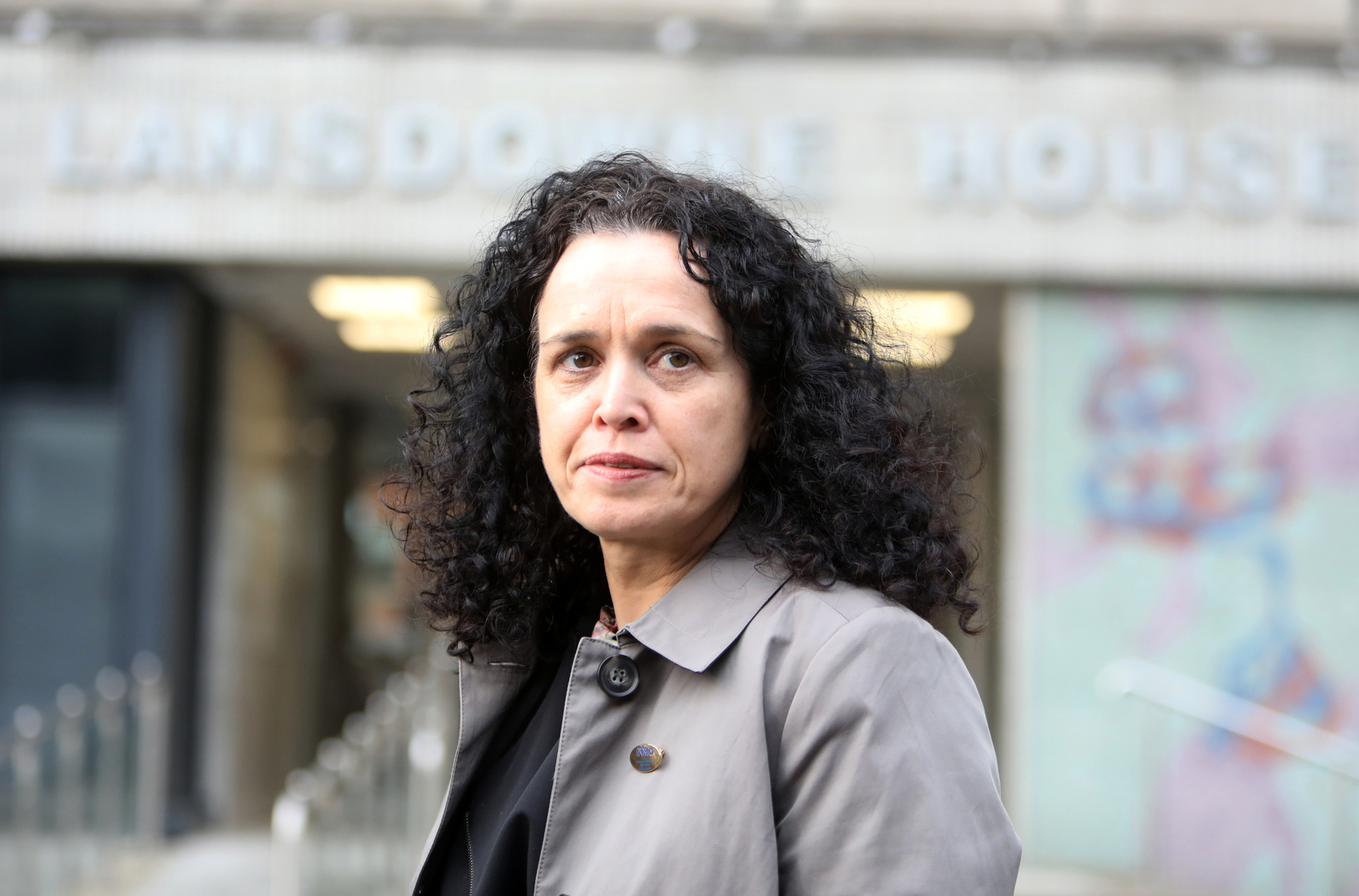
INMO general secretary Phil Ni Sheaghdha. 'Pressure cooker that is the health service environment right now.'
The INMO has called for an independent investigation into Covid-19 infection among healthcare workers.
The Irish Nurses and Midwives Organisation, which represents 35,000 nurses and midwives, will appear before the Oireachtas Health Committee this morning.
INMO general secretary Phil Ní Sheaghdha said it has called on the Government to address a number of issues as the country continues to battle the pandemic.
"There was no independent scrutiny of healthcare worker protections, and our view is that — no more than any other workplace where there are biological hazards — there must be independent scrutiny to make sure that the principle of precaution is applied," Ms Ní Sheaghdha said.
"In January, our members sought higher grade protections with the new variant of Covid-19 and, again, we had to fight to get those made available to them.
"Now, simply put, there should be at all times the principle of protecting to the maximum those that are putting themselves at this risk and, unfortunately, our members felt that that was not the priority.
"Therefore, the Health and Safety Authority, which is a statutory body with this responsibility, should be investigating clusters and outbreaks at all times to ensure that... the State is ensuring that the maximum protection is afforded them [healthcare workers] when they're doing this heroic work."
Ms Ní Sheaghdha said the INMO carried out a survey last August which is due to be repeated.
"We have many reported incidences of sleeplessness, of chronic fatigue, and the intention to leave," she said.
"We have to prepare, and we have to make sure that we are saying loudly to nurses, to midwives, to other healthcare workers: When the vaccine is fully rolled out. First of all, you're prioritised.
"Second of all, when it's fully rolled out, you will have a reprieve. We know there are going to be waiting lists, for example, without giving our healthcare workforce reprieve.
"That will have detrimental consequences for them, and that is not good enough. We have to plan for that."
Ms Ní Sheaghdha said that many healthcare workers did not get their vaccine when initially planned and a sequencing document has now been agreed upon.
"The big issue for us right now is that it (the sequencing) works for patient-facing staff who are most at risk.
She said statistics show that 25,355 healthcare workers have already been infected. Those are the ones that have been tested, the majority being nurses and midwives.
"This is a huge issue for our members. They want the precautionary principle.
"Many of them are suffering from the longer effects of Covid, and their view is more has to be done to make sure these mistakes that are avoidable don't happen when something as important as protection in the workplace is being rolled out.
"What we're looking for is the vaccine rollout to bring an end to this absolute pressure cooker that is the health service environment right now."
The INMO will also tell the health committee that a reward scheme, akin to what's been happening in Northern Ireland and Scotland where they received £500 payments, should be rolled out for staff who have worked over and above their working hours.
CONNECT WITH US TODAY



Be the first to know the latest news and updates