Kerry man on mother's dementia diagnosis at age 50: 'I’d tell her I love her and she’s an inspiration'
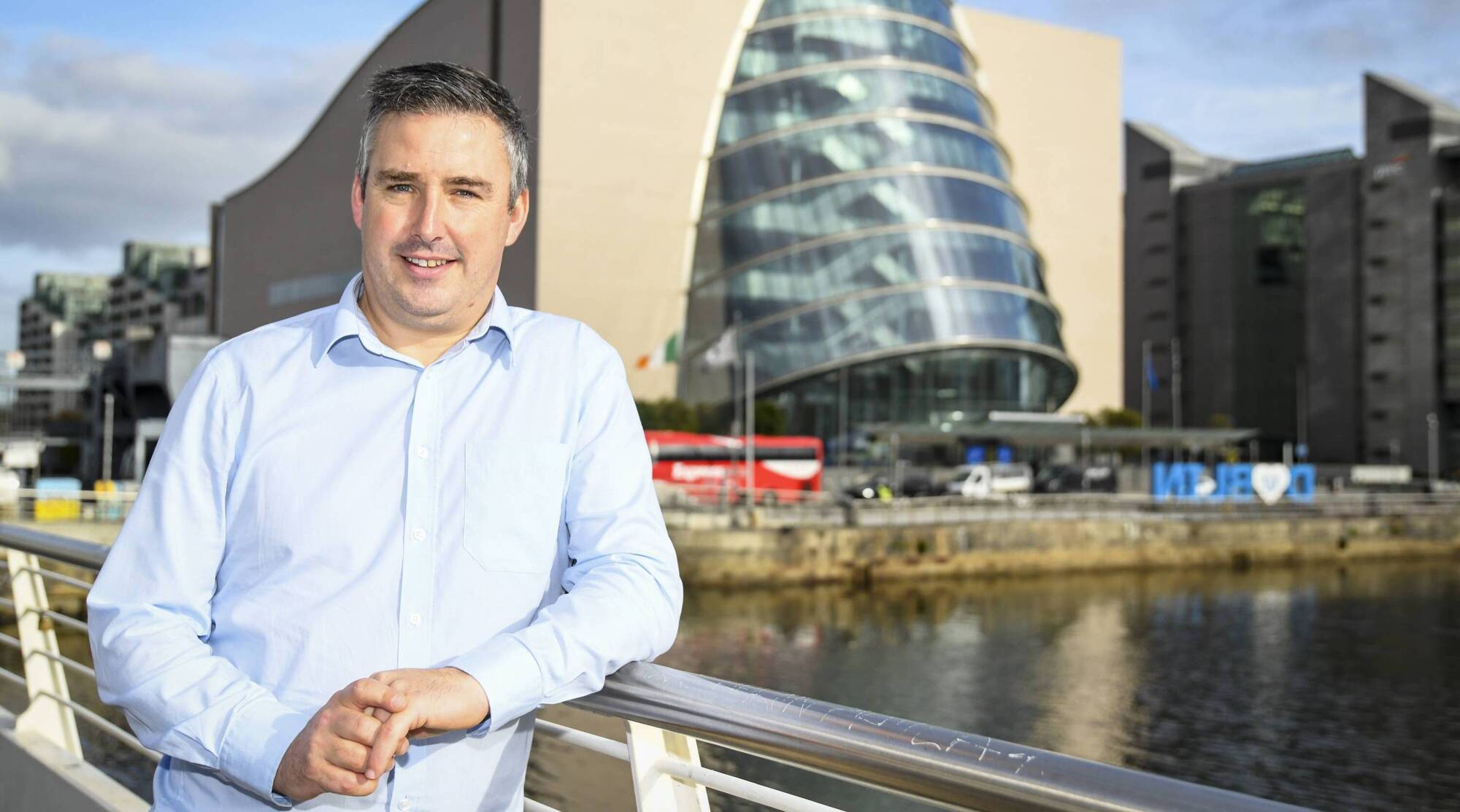
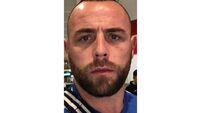
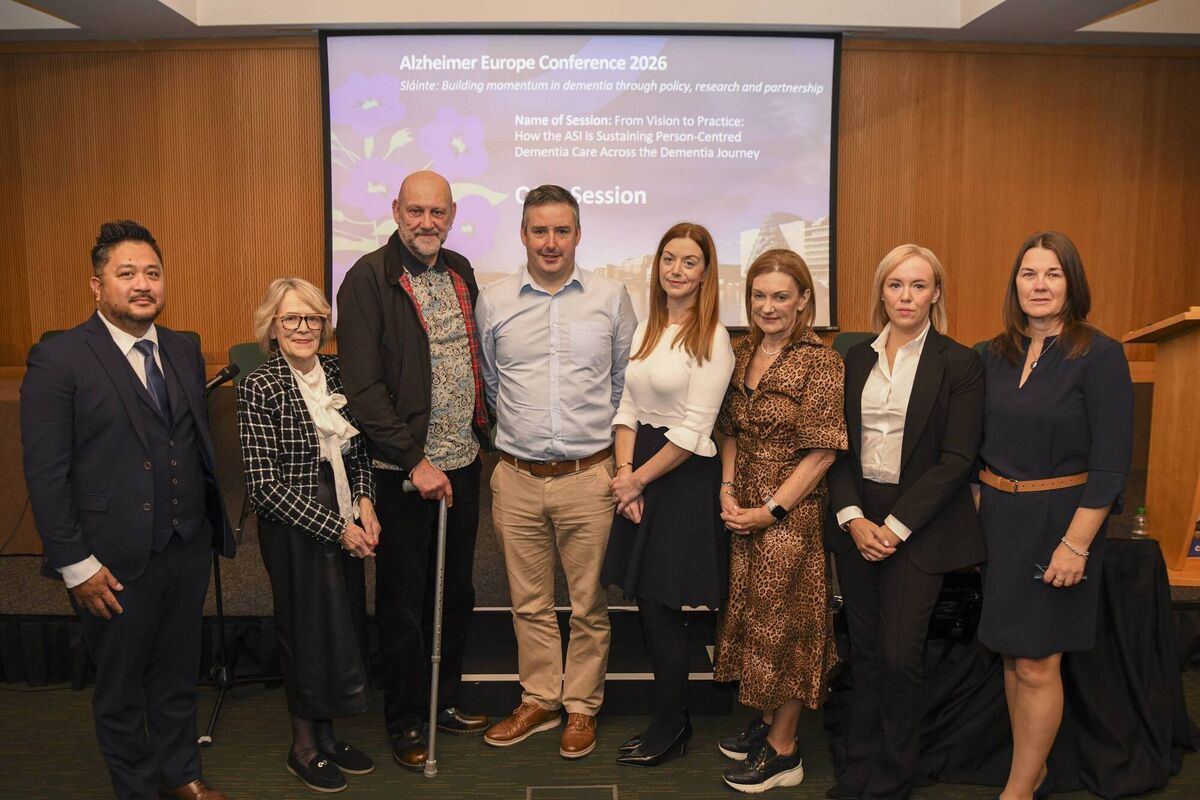
Sean Donal O'Shea at the Alzheimer Europe Conference in Dublin. Photo: Karen Morgan
A man whose mother was diagnosed with early-onset dementia at the age of 50 has described her as an inspiration and urged families to talk openly about the disease.
Sean Donal O'Shea said his late mother, Debby, gradually lost the ability to speak and move her hands as her condition progressed, but is remembered by her family with pride and love.
“She got diagnosed in 2006, we had no services, we didn’t know anything about dementia,” he said, explaining that her relatively young age had a big impact.
“I remember one time bringing mum into a day centre in Caherciveen. It wasn’t dementia-specific and she was younger than some of the staff.”
Mr O'Shea, from South Kerry, was speaking during a panel discussion at the Alzheimer Europe Conference in Dublin on Thursday, where he shared a video of his mother.
"When we were young she’d say ‘goodnight, god bless, I love you’ and boys don’t say that craic," he said. "But after the diagnosis I’d tell her I love her and she’s an inspiration.”
Read More
Mr O'Shea praised the support his family received, particularly from the Alzheimer Society of Ireland, which included assistance in their home.
A blocklayer at the time of her diagnosis, Mr O'Shea went on to study in Limerick and now works as a dementia adviser with the ASI.
On working with families, he said: “It’s about enabling families; you’re allowed to be happy, you’re allowed to be sad, you’re allowed to be angry and to acknowledge that.
"Guilt is one of the biggest emotions I see, but it’s about owning the guilt and putting it to one side because every decision you make is surrounded by guilt.”
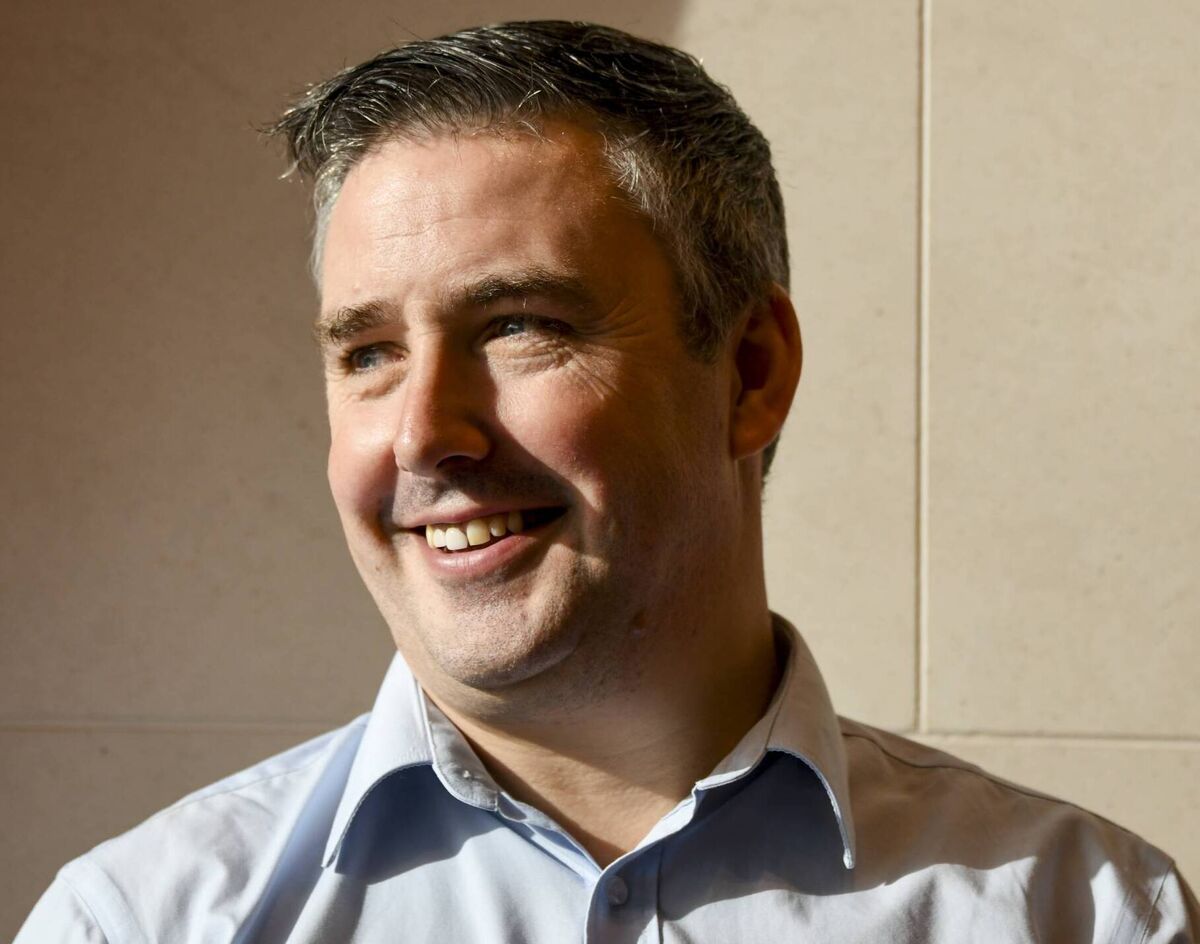
Mr O'Shea urged people to get support. “If my mother was alive today, I’d still be making mistakes. But I’d sleep at night because I’d done my very best.”
In a separate session at the conference in Dublin, Dr Antoinette O’Connor, clinical lead for the Irish Dementia Registry, outlined progress with this new project.
The registry will collect information on where and when people are diagnosed, types of dementia diagnosed, what supports and medications are provided, quality-of-life measures, and other indicators.
Planning work, including agreement on the dataset to be collected, has now been completed. Dr O'Connor said the next stage would involve building the IT system before moving to training and implementation.
Estimates of numbers affected with dementia range from 64,000 to 70,000. Dr O'Connor said: “We don’t actually know the number of people in Ireland living with dementia and that’s a real problem. It leads to gaps in how we inform policy and healthcare provision.”
She said the launch of the registry marks "a really exciting moment”.
CONNECT WITH US TODAY



Be the first to know the latest news and updates