Budget 2027: Cost of living, housing and transport top Cork residents’ wish lists
With Budget 2027 just around the corner, we took to the streets of Cork to ask people what they would do if they had control of the country’s purse strings.
The cost of living, housing, public transport and support for both younger and older people featured prominently, while cycle lanes and other transport infrastructure emerged as a recurring target for cuts.
For young father Kyle Anderson, bringing down the cost of living would be his priority. He and his partner both work full-time, but with a two-year-old son and another child due in January, he says they are struggling to make ends meet, never mind save.

“We just can’t seem to save a few pennies anywhere,” he said. “We’re not going on holidays, we’re not doing extravagant outings.” Asked where he would make cuts, Mr Anderson pointed to spending on what he considered inessential infrastructure.
“It doesn’t seem to make any sense to me that I’m hitting potholes on my way to work while cyclists are able to park their bicycles in big fancy bike sheds.”
Read More
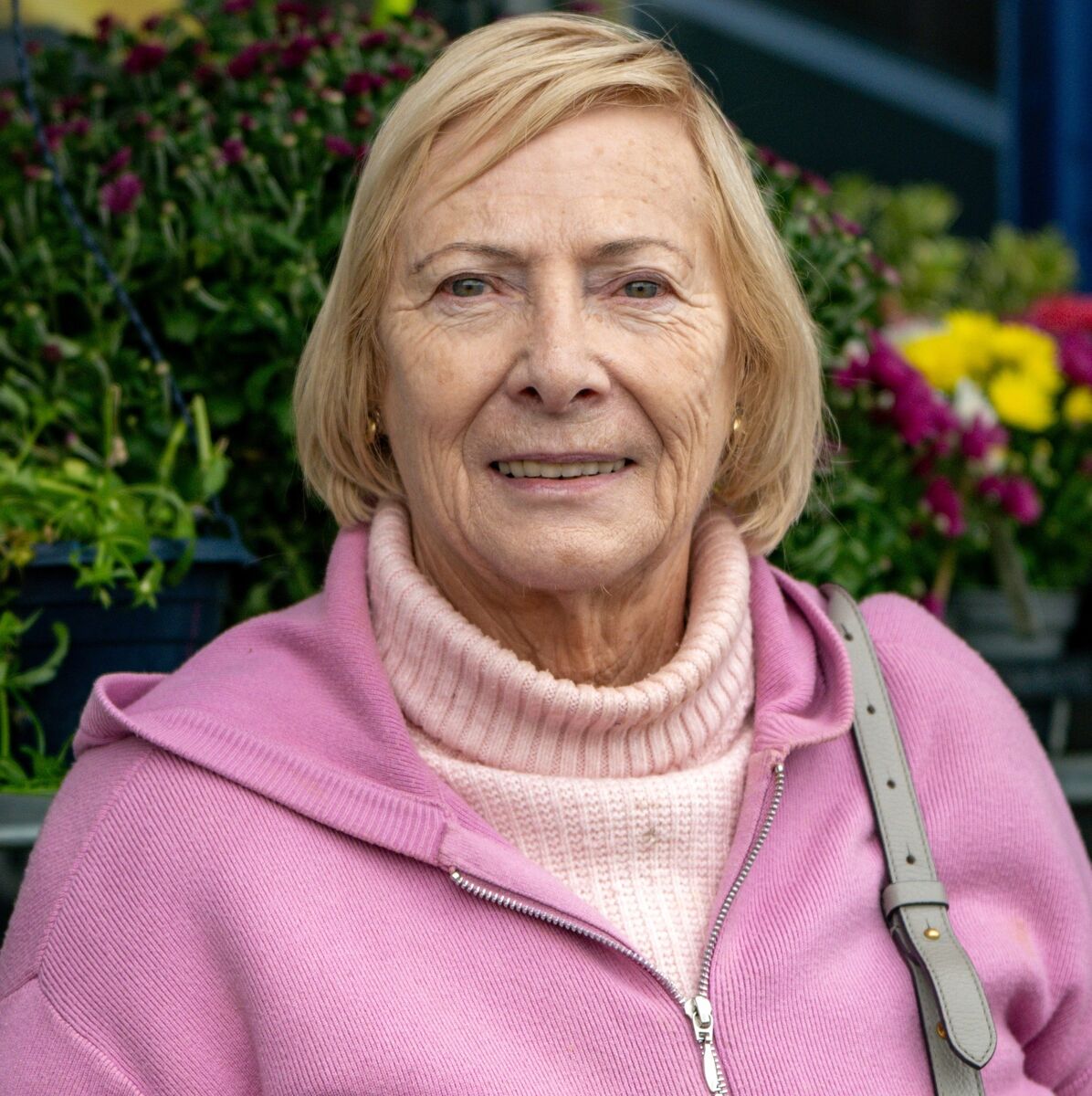
Pensioner Marie Mackie said she would prioritise the elderly and young children, but believes Local Property Tax is placing an unfair burden on older homeowners.
“I was happy to get a €10 rise in my pension last year, but I ended up giving double that amount back with the rise in my property tax,” she said.
Ms Mackie said many older people had scrimped and saved to buy their homes and were now facing property tax bills on limited pension incomes.
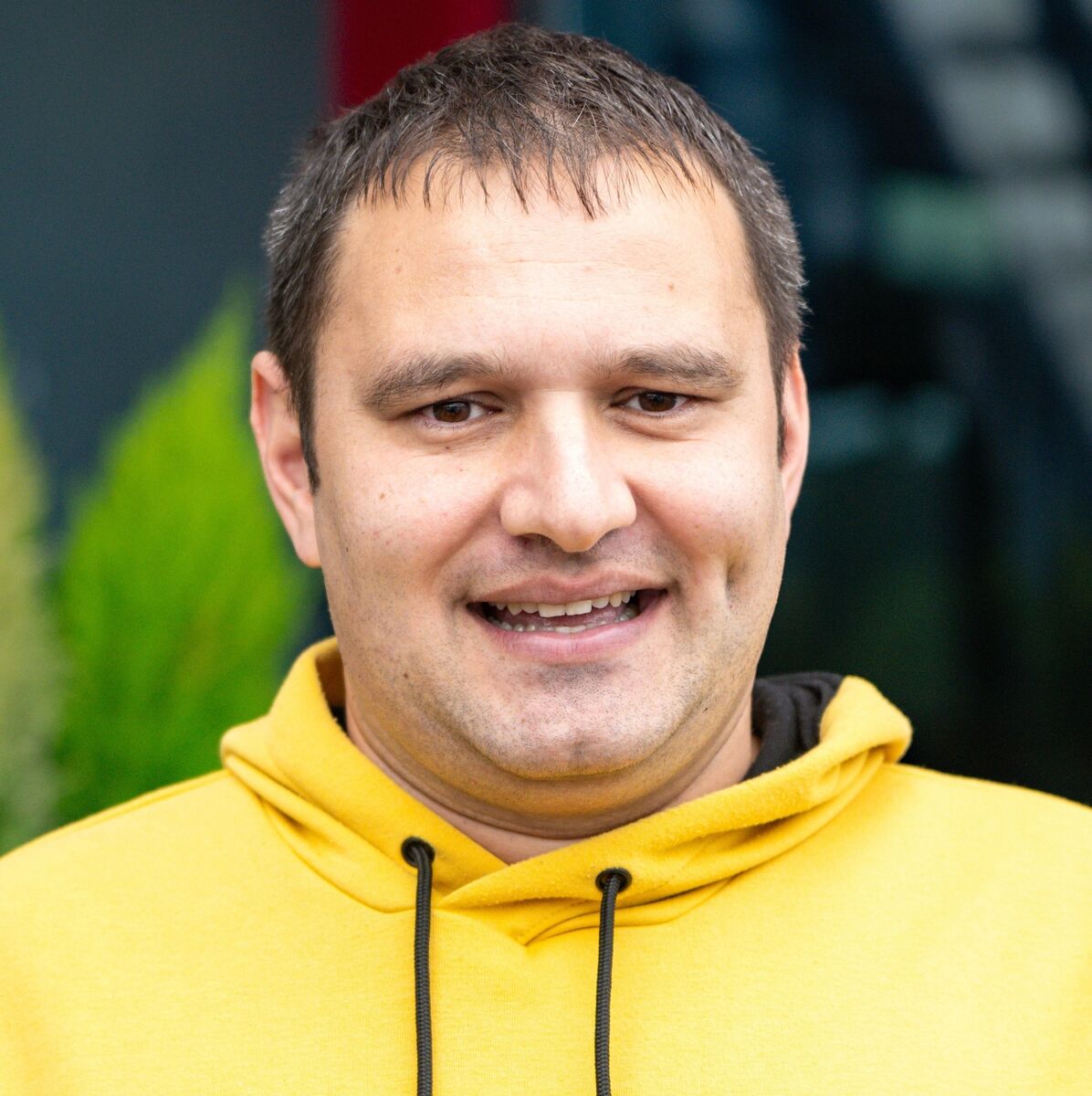
Shane also said investment should focus on “the elderly and the children of Ireland”, but Cork’s lack of public transport was his real bugbear.
Cork’s traffic problems, he said, made better public transport essential.
“I was going to work and it took nearly an hour to get to work, which was ridiculous,” he said.
He also questioned spending on the greenway projects, while suggesting reinstating the rail lines could provide a better investment.

David Lynch, a young professional still living at home, said he would put money into transport and housing, while also supporting increases in wages, including the minimum wage.
For mother Carol Anne, housing was also a priority, particularly for young people trying to get onto the property ladder.
Her son had recently gone through a “huge ordeal” trying to buy his own home, she said.
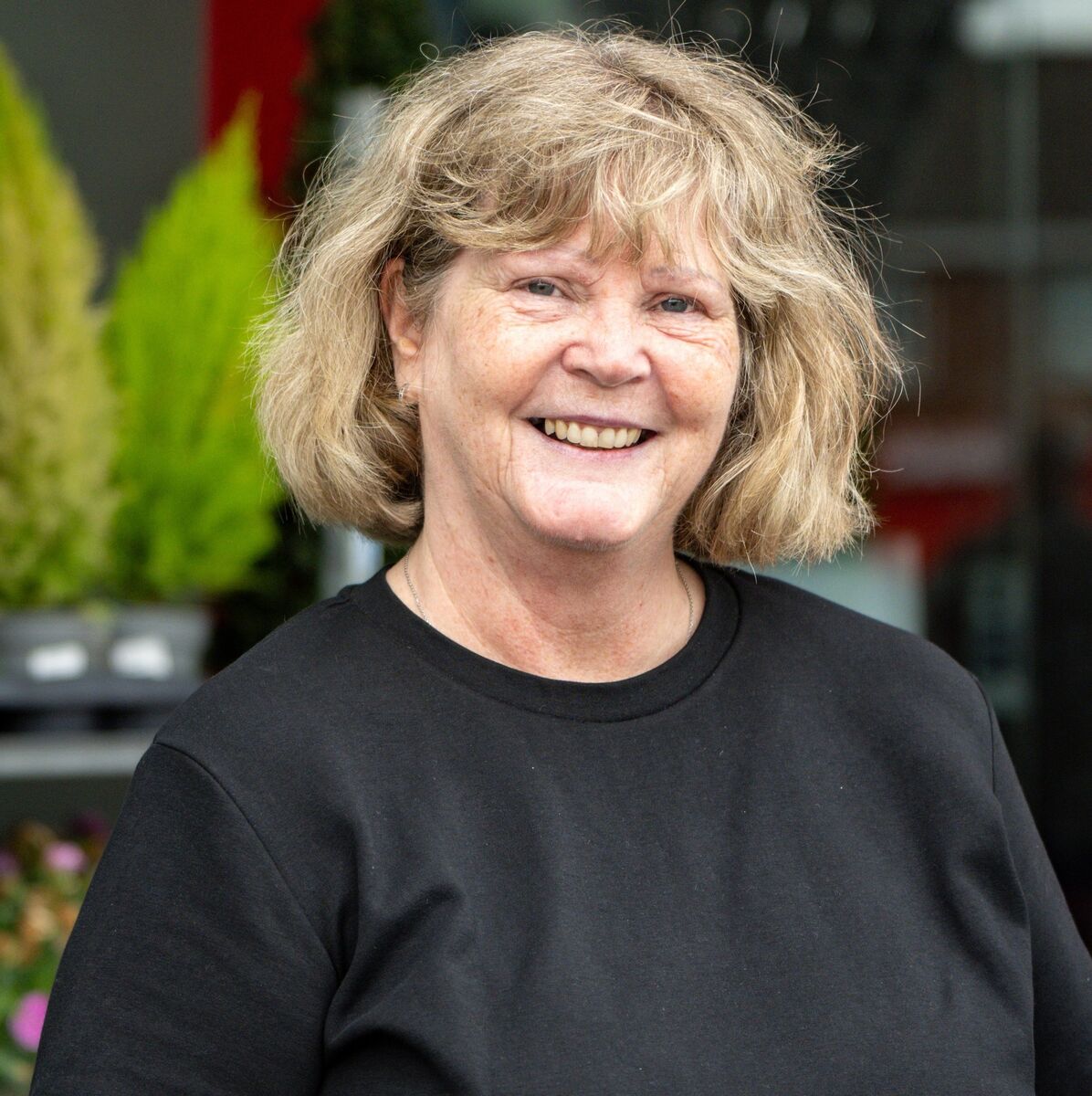
She would also like to see more investment in community infrastructure, saying that, other than sports facilities, there’s very little for teenagers to do in Glanmire, where she lives.
But when asked about wasted money, she had an immediate answer.
“Don’t get me going on the footpaths,” she said. “Sweet divine. I just can’t understand why the roads are getting smaller and smaller, and the footpaths are getting wider and wider. I think there’s a lot of waste there.”
For student Lauren Walsh, education would be her priority.
As someone studying for a career in early childhood education, she said students were struggling with the cost of living and some were working two or three jobs.
“If we could get some money off the fees and just help out,” she said.
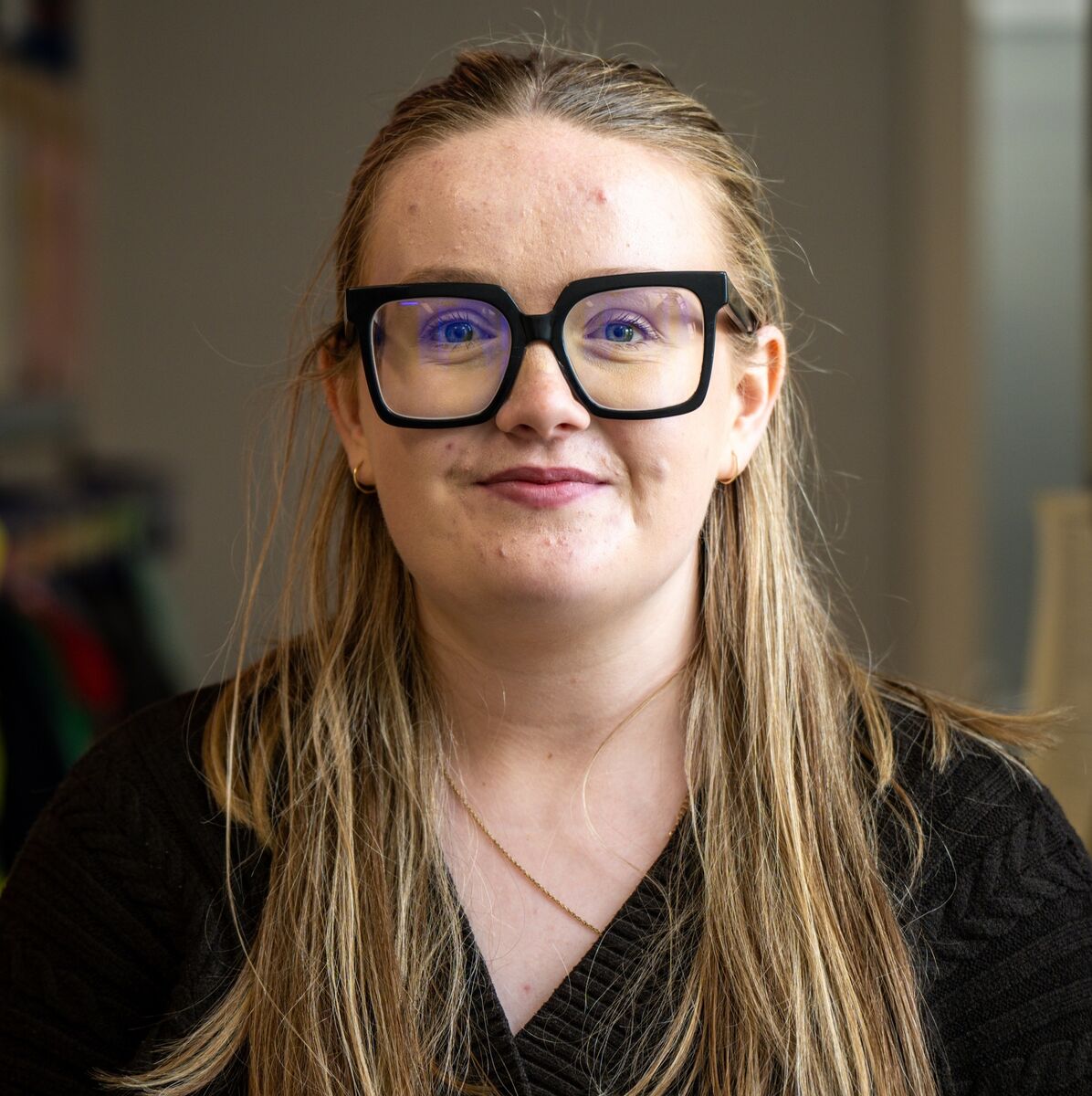
But when asked where she would look for savings, she too pointed to cycle infrastructure.
“There’s lovely cycle lanes and you don’t see an awful lot of people cycling around the place,” she said, suggesting money could instead be directed towards making public transport cheaper.
Across the six voices, there was considerable agreement that the budgetary pressures facing every sector were valid, with the cost of living remaining a significant concern.
But equally, among those who identified areas where cuts could be made, it was interesting that all cited some form of cycling infrastructure, from cycle lanes and bike sheds to greenways.
None of the six, however, envied the Government the job of trying to balance those competing demands on Tuesday.
CONNECT WITH US TODAY



Be the first to know the latest news and updates