Sediment deposits dating back 1.5 million years found during Celtic Interconnector construction
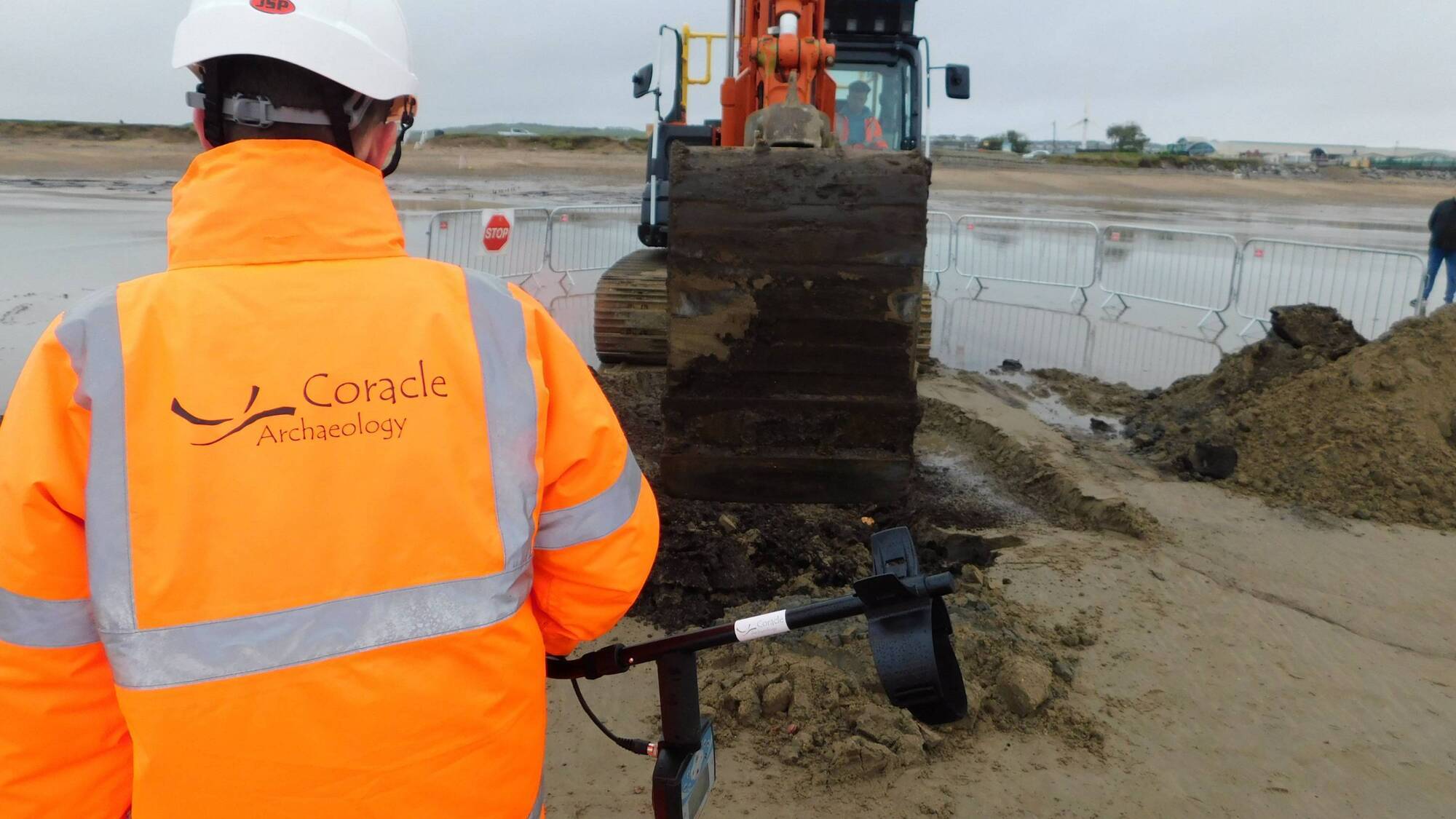
Archaeological and geological investigations carried out as part of EirGrid’s Celtic Interconnector Project have revealed new insights into Ireland’s ancient past.
Ancient sediment deposits, dating back 1.5 million years, were discovered during the construction of EirGrid’s Celtic Interconnector project in East Cork.
At a webinar hosted by EirGrid, entitled ‘Hidden Heritage: Discoveries from the Celtic Interconnector Project’, onshore archaeology expert Dan Noonan of Dan Noonan Archaeological Consultancy and underwater archaeology expert Dr Michael Walsh of Coracle Archaeology Limited, revealed new insights into Ireland’s ancient past.
Mr Noonan and Dr Walsh said the extensive archaeological and geological investigations were carried out as part of the Celtic Interconnector Project, which is a subsea cable linking the electricity grids of Ireland and France, allowing the exchange of 700MW of power, equal to powering 450,000 homes.
The webinar attendees learned one of the most significant discoveries made during the investigations was the identification of ancient sediment deposits, some of which were estimated to be more than 1.5 million years old.
Speaking following the completion of the investigations, Dr Walsh said: "Samples recovered offshore from Claycastle Beach, Youghal, were found to predate radiocarbon dating techniques (>50,000 years), so further samples were recovered for optically-stimulated luminescence dating, but the samples were found also to predate this technique (>1.5 million years).
"These findings offer a rare opportunity to better understand environmental conditions from a period far earlier than can typically be studied through conventional archaeological dating techniques."
Read More
The interconnector project has made considerable progress since it began construction in 2023, with all onshore cables for the project in Ireland successfully installed on the 44km route.
Offshore, burial and protection of 84km of high-voltage direct current cable, was completed in Irish waters this summer, and the route has now re-opened for fishing.
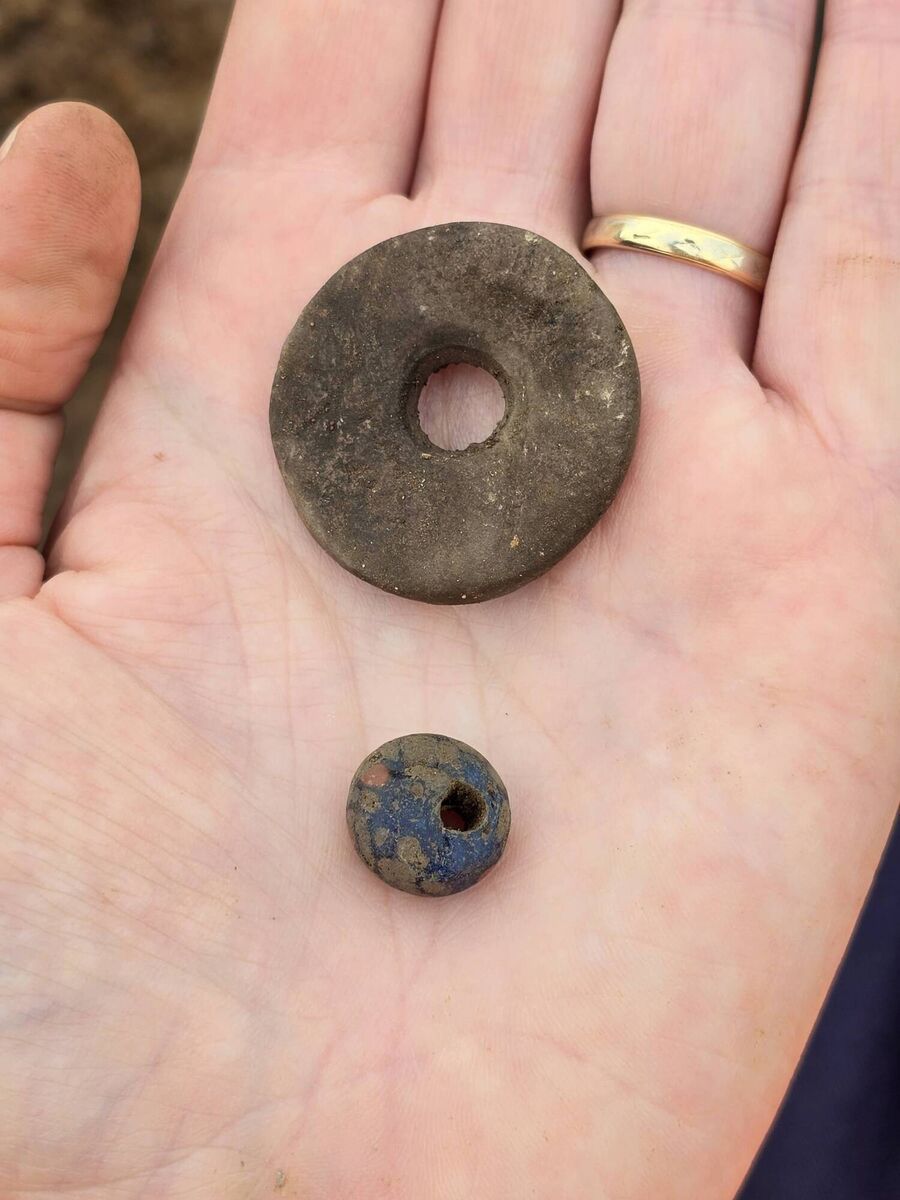
“EirGrid’s extensive programme of investigations, licensed by the National Monuments Service, supported broader archaeological and geological research, enhancing our understanding," said Dr Walsh.
“This work has contributed valuable information that extends beyond the needs of the project itself," he added.
Analysis of the deposits ultimately led researchers to conclude the material was too old to have been associated with human occupation in the area.
Mr Noonan said archaeological works were undertaken on land along the cable route, with the highest concentration of possible features found outside Killeagh.
Finds included fragments of 9th- to 10th-century clay tuyere from the Killeagh pavement scheme.
A tuyere is a tube or nozzle injected into a furnace or hearth during smelting or forging.
“From excavated features, a large number of fragments related to metal working were identified at Ballyedekin,” said Mr Noonan, adding the fragments may be post-medieval.
Soil samples are now being analysed, along with selected charcoal samples for radiocarbon dating.
“The radiocarbon dates, combined with information from the artefacts uncovered during excavation, will provide valuable insights into the function of these features and how the sites were used over time,” said Mr Noonan.

CONNECT WITH US TODAY



Be the first to know the latest news and updates