Nine brothels inspected in Cork as part of human trafficking crackdown
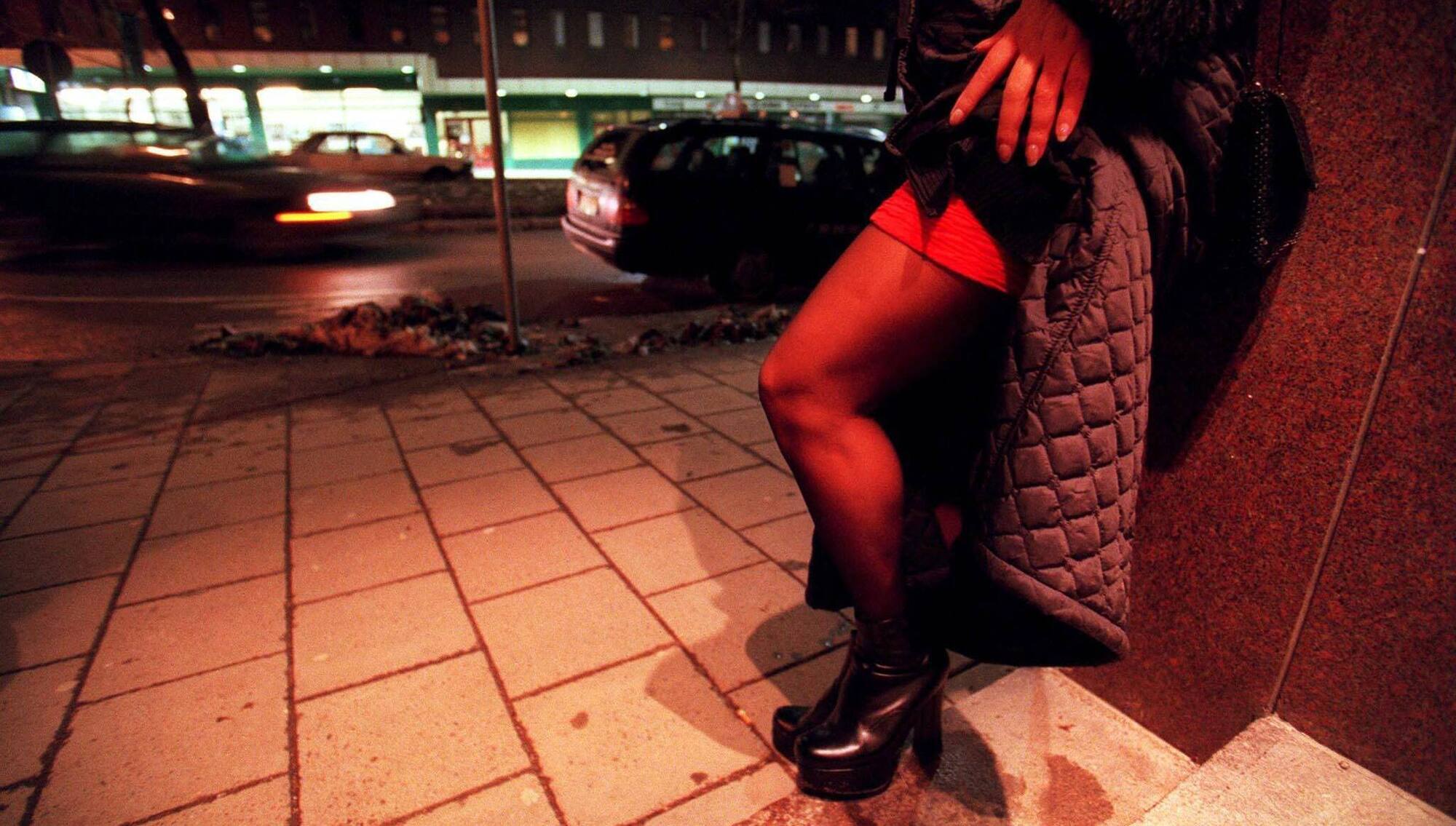
As part of the operation, gardaí searched 166 brothels and spoke to 269 sex workers across Ireland. File picture: Reuters
Nine brothels were inspected in Cork and six brothels were inspected in Limerick as part of a global crackdown on human trafficking.
Gardaí expect to locate victims of human trafficking and identify and intercept new human trafficking networks following the operation.
Ireland was involved in an annual international anti-human trafficking operation with Europol and other international partners in June, called Operation Global Chain.
The operation generated new lines of inquiry, with gardaí receiving contact from potential victims of human trafficking in the weeks since it concluded.
Similar contacts made following previous operations have led to investigations into Brazilian human trafficking networks operating in Ireland.
Operation Global Chain involved law enforcement agencies from 59 countries and was co-ordinated through command centres in Skopje, Macedonia and Rio de Janeiro, Brazil.
Read More
Gardaí were based at the Skopje control centre, where they participated in the sharing of real-time intelligence with international policing partners.
As part of the operation, gardaí searched 166 brothels and spoke to 269 sex workers across Ireland.
A man wanted in Germany on allegations including child kidnapping, illegal restraint, and hostage-taking was arrested in Cork City during the crackdown.
The man, aged in his 50s, was arrested at a massage parlour on a street off Oliver Plunkett St. Gardaí checked his identification and found that he was wanted in Germany on charges including kidnapping his own child and taking them outside of the country illegally.
He has since been extradited to Germany.
Buying sex in Ireland is illegal, while selling sex is not. However, people selling sex from a brothel can face prosecution, with a brothel defined in law as a premises where two or more people sell sex.
Although people — mostly women — found in these places could be prosecuted, gardaí have taken a more considered approach, increasingly focused on identifying potential victims of trafficking and sexual exploitation in such settings and helping them rather than rushing to arrest them.
“The worst thing we could do is go in and terrorise and arrest people who may be victims of human trafficking for sexual exploitation, which is what the case is in a lot of brothels," said Detective Superintendent Derek Maguire of the Garda National Protective Services Bureau.
“They're not going to tell you straight away that they're a victim of trafficking or indeed understand what a victim of trafficking is.
“There are others who maybe know what they're coming to do. But once they're here, everything changes and they're controlled, they're coerced, their documents are taken, their finances are controlled.
“That is a form of trafficking as well, when their life is controlled completely.”
Gardaí go into these places and carry out welfare checks with people working there, Det Supt Maguire said.
“We talk to them. We separate them from anyone who might be in there as well to try and get a full account so there's no coercion, so nobody else is listening to what they're saying.”
Gardaí also bring people from Ruhama, a charity which focuses on helping those in sexual exploitation, into the welfare checks with them.
People will often tell gardaí that they are not trafficked during these welfare checks.
“But we find that there's a lag effect, and sometimes they come back to us within days or weeks and say, ‘I actually do need help. I need to get out of this situation.’”
Such welfare checks at brothels have led to major investigations.
A Brazilian woman, who initially told gardaí that she had not been trafficked when she met them during a welfare check, later contacted a garda whose number she was given during that check.
“We did a lot of work with the federal police in Brazil, and we were able to identify where the victims were sourced, who they were working for, and how they were getting to Ireland, both the victims and the suspects," said Det Supt Maguire.
“And how the money was then returning back to Brazil. This is all about exploiting human beings for financial gain.
“We identified three or four suspects here, and we rescued two victims from Brazil, but there were probably more that didn't come forward as well."
One suspect was Ilamar Rodrigues Ribeiro, from Goais, Brazil, who was jailed for nine years after renting multiple properties across Ireland and using them as brothels.
Human trafficking is among the most serious offences in Irish criminal law and carries a maximum sentence of life imprisonment.
Some trafficking operations are linked to organised crime groups, with networks operating across multiple countries, including Ireland.
There are also individual ‘opportunists’ who seek to exploit people for their own financial gain.
Ireland has some of the strongest organised crime legislation in Europe, said Det Supt Maguire, which allows gardaí to go after criminals, even if they have no victims willing to come forward to build a human trafficking case.
“We can still go after the traffickers who are exploiting these people under organised crime legislation, under money laundering legislation, and thefts and fraud offences laws as well.”

CONNECT WITH US TODAY



Be the first to know the latest news and updates