Catholic church to sell land beside two Limerick City schools for €2.27m
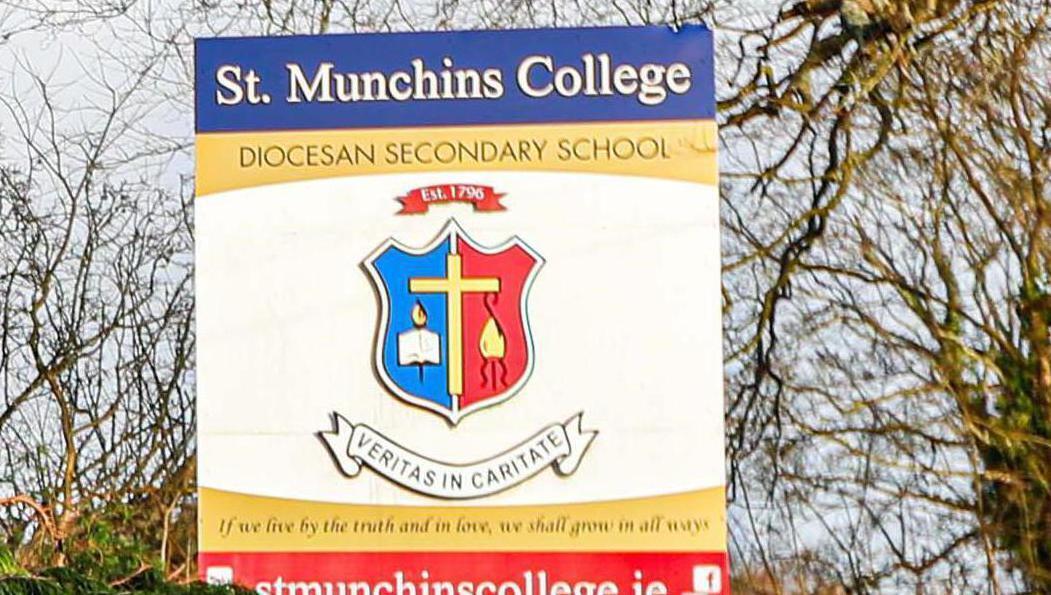
The land, which is zoned for housing, is adjacent to St Munchin’s College, an all-boys post-primary school in Limerick City, and Scoil Íde, a primary school on the Corbally Road. Picture: Damien Storan
The Catholic Diocese of Limerick has placed land adjacent to two Limerick City schools on the market for more than €2.27m, as it faces a “sustained” budget deficit.
In a statement issued in April, the Bishop of Limerick, Brendan Leahy, said the continuing annual operational deficit facing the diocese was not sustainable in the long term.
“The proposed sale of this site is one of a number of steps we must consider to stabilise our financial position,” the bishop said.
He added more measures, like the sale of land, may have to be considered if the diocese is to maintain services.
The 5.6-acre greenfield site in Limerick City has now been placed on the market for €2,275m.
The land, which is zoned for housing, is adjacent to St Munchin’s College, an all-boys post-primary school in Limerick City, and Scoil Íde, a primary school on the Corbally Road.
The Diocese of Limerick also has its offices based on the St Munchin’s campus.
The diocese’s annual financial statement for 2024, published at the end of 2025, notes it recorded an operating deficit for 2024 amounting to more than €1.45m, compared to €712,239 in 2023. It also brought in €955,500 in income from parishes that year, down from more than €1.4m in 2023.
It recorded net income for the 2024 financial year of €849,265, net current assets of more than €1.17m and charitable funds of more than €30.5m.
In an update earlier this month, the diocese said it currently employs the equivalent of 13 full-time staff, delivering services like safeguarding and pastoral supports.
“It also plays a central role in supporting schools through diocesan advisers on religious education, as well as providing patronage and governance support to boards of management.”
“In addition, the diocese manages a broad range of operational functions, including financial management and accounts, governance and compliance, property management, Garda vetting, and other essential services.”
With Mass attendance declining “significantly”, it added it was difficult to maintain the levy for these services, paid by parishes through the monthly ‘diocesan needs collection’.
Bishop Leahy said: "While we are fortunate to have some reserves, this is not a situation that can continue indefinitely. We must take prudent and, at times, difficult decisions to ensure the long-term viability of the diocese and the services we provide."