'I will, yeah': Cork-based GP says foreign doctors in Ireland can face a slang barrier
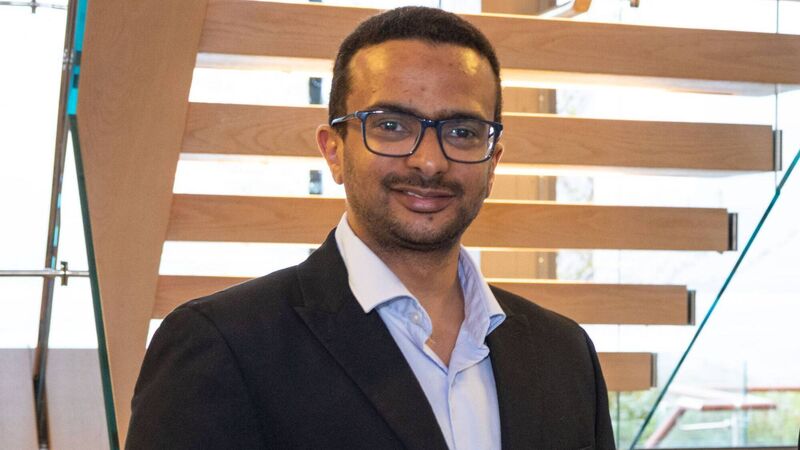
When Mohamed Elbadri asked a patient if he would quit smoking, he responded ‘I will, yeah’ — meaning that he wouldn't. Dr Elbadri acknowledged the humour in such misunderstandings but pointed out they could have serious implications. Picture: Shane O'Neill/Coalesce
A misunderstanding about the uniquely Irish phrase ‘I will, yeah’ has led a Sudanese GP working in Cork to call for more cultural supports for newly-arrived migrant doctors.
Dr Mohamed Elbadri was advising a patient about quitting smoking when some confusion arose.
“I had asked as a first question: ‘are you willing to quit smoking’ and he said ‘I will yeah’,” he recalled.
Read More
“I was happy, I thought he was determined to quit smoking so I didn’t offer him anything [in support]. When he came back three months later and I asked how was his journey with smoking cessation, he said ‘I told you I will never stop’.” The patient then explained the nuance of this phrase ‘I will yeah’.
Dr Elbadri acknowledged the humour in the situation, but he pointed out it could have been more serious.
Now in his fourth year working at My Cork GP, he said more serious obstacles related to how different the Irish health system is to that in Sudan or his previous time in Ukraine.
Read More
“I would tell a patient that you are going to be referred and you will be seen soon,” he said.
“I didn’t realise they might not be seen by secondary care for two or three years, and I should be supporting them for all of that duration [of time].”
His visa allows him to bring his family with him. He travelled initially alone, arriving in March 2023.
“I moved myself firstly, I thought I would settle in first but two weeks after I moved in, a devastating war started in my country,” he said.
Instead of being separated for a few months, it was a year and a half before he saw his family again.
“Luckily I had support from Irish society, Irish people, the doctors here, the nurses and the staff which was a good thing,” he said.
Speaking at the Irish Medical Organisation’s annual conference in Killarney, he called on the IMO and other doctors’ groups as well as the HSE to better support newly-arrived migrant doctors.
About 40% of HSE doctors trained abroad, as did a growing number of GPs.
Read More
He described support from Dr Nick Flynn and others at the practice as “very good”, saying he felt “blessed” to have this. However more formal supports would help his patients also, he added.
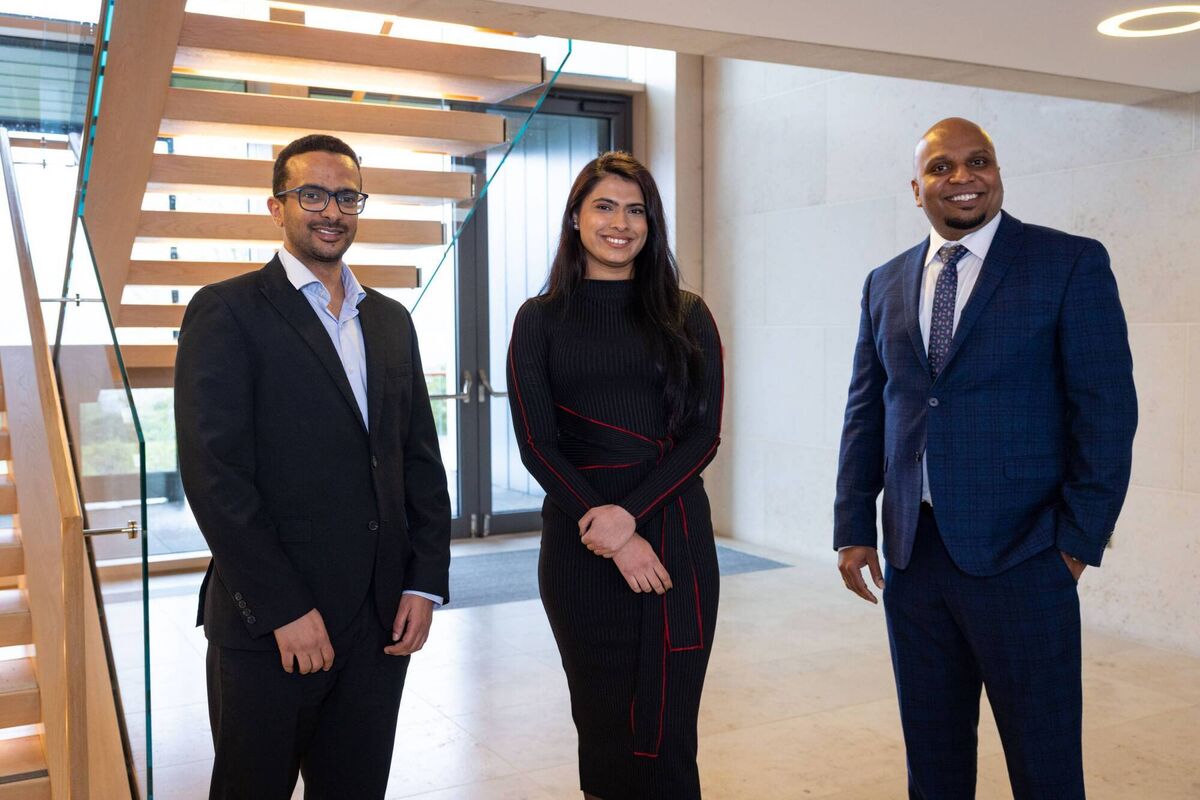
Dr Alina Fatima, now working at the Mater hospital in Dublin having moved from Pakistan, and Dr Nallasegarampillai Muthalvan at Drogheda Hospital, who moved from Sri Lanka, also spoke. All three mentioned that despite how welcoming most people are, they have seen changes in the last 18 months.
Dr Fatima said: “It’s hard to ignore” saying this can happen “not just from the patients” but also outside. However, like the others, she stressed her generally positive experiences here.
- Niamh Griffin, Health Correspondent
CONNECT WITH US TODAY



Be the first to know the latest news and updates