Cork fire service warns fuel scarcity could impact staffing and response
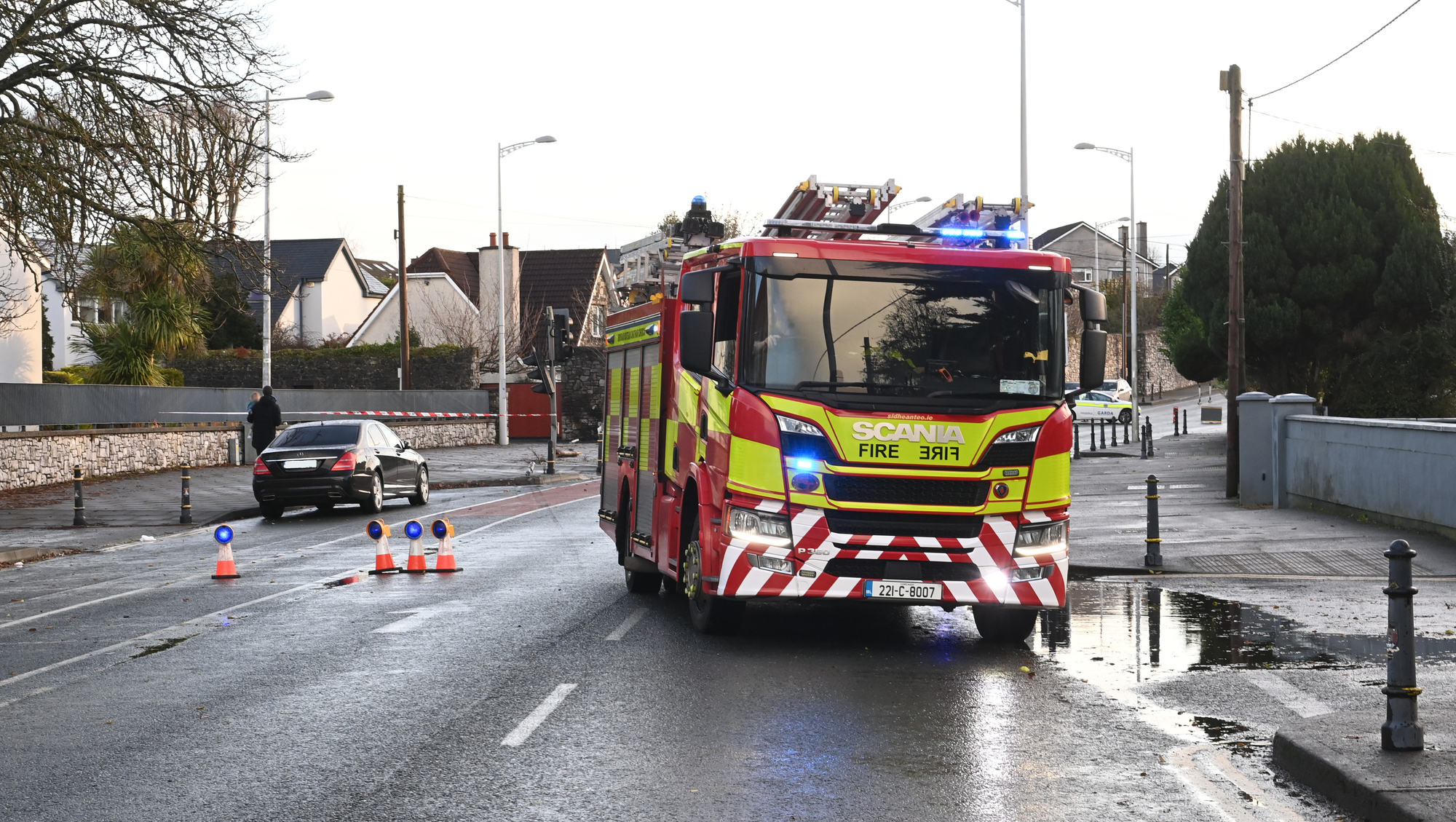
Cork City Fire Brigade at the scene of an incident, Picture; Larry Cummins
Emergency services in Cork remain “stable” amid fuel scarcity, despite predictions that more than 200 fuel stations across the county are expected to run dry this morning.
Victor Shine, second officer with Cork City Fire Brigade the Irish Examiner that while their fleet of emergency trucks is not currently in danger of running low on fuel, “it is always a concern”.
“We’re stable at the moment, so we’re not panicking,” said Mr Shine.
“We have a minimum supply of fuel ourselves that we fuel in-station, but we do need trucks to keep us topped up.
“We’re supported by some of our surrounding petrol stations on both the North and South sides of the city, so we can go to them for fuelling when we start to get critical.
“Our trucks use quite a significant amount of diesel when they’re running, it’s not economical driving, we burn up a lot of fuel, so we’re hoping our fuel suppliers will still be able to fill our tanks when we need it.
“If we have to go to those stations we’ll make arrangements with them and they may give us slots to come and fuel up,” he added.
Read More
“The emergency vehicles aren’t so bad, it’s staff coming in – when they run short on fuel, we could run short on staff, so it is getting a little bit more concerning.
"We’ll be relying on our neighbouring stations to look after us in a crisis.”
Mr Shine also said that due to a mixture of road blockades, road works and slow-moving convoys, the fire service is “exceptionally busy” as crews respond to an increased number of road traffic collisions.
“We’re hoping that wherever the protests are, they will continue to allow emergency vehicles through,” said Mr Shine.
“We are exceptionally busy, we are dealing with life and death situations and I wouldn’t want to come out tomorrow saying that someone has died because we were blocked by a protest, but so far, we haven’t had a problem.
“People are now going from main roads to secondary roads, travelling at the same speed they would on main roads, and road traffic collisions are increasing due to that.
“It’s all vehicles that are using these roads now, and they’re not always the best for commercial vehicles or large volumes of traffic to be on.
“People are under pressure, stress levels are increased, so it’s a recipe for disaster.”
CONNECT WITH US TODAY



Be the first to know the latest news and updates