'Robust' biosecurity measures at Fota after bird flu outbreak in East Cork
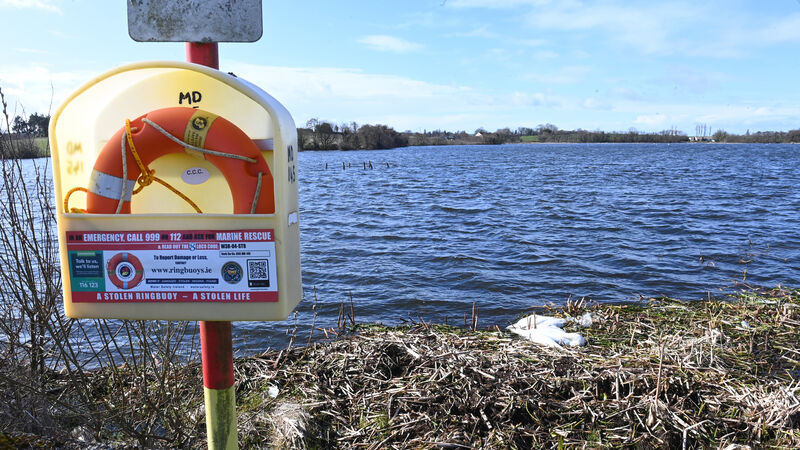
The carcasses of dead swans remain in place at Loughaderra lake at Castlemartyr, East Cork at lunchtime on Friday, March 13. Picture: Larry Cummins
Fota Wildlife Park said it is maintaining robust biosecurity protocols to limit the risk of bird flu, after 11 dead swans were found last week in nearby Castlemartyr.
The Department of Agriculture confirmed that one of the flock of dead swans, found on private land at Loughaderry Lake near Castlemartyr on Thursday, had tested positive for Highly Pathogenic Avian Influenza (HPAI) or bird flu.
Fota Wildlife Park, which is approximately 20km from Castlemartyr, was forced to close from October to December during last year’s outbreak of avian flu, resulting in the euthanising of more than 70 birds.
Operational costs at Fota are approximately €120,000 per week, with the closure estimated to have cost the wildlife park more than €1m. In December, Christopher O’Sullivan, minister for nature, heritage and biodiversity, announced that Fota would receive an additional €700,000 in Government funding.
On Sunday, Fota said its protocols and mitigation measures include isolating captive birds from wild populations by housing birds and covering outdoor aviaries.
“Fota Wildlife Park operates an extensive vaccination programme for all captive birds and has closed the duck feeder to discourage wild birds from congregating at the park,” a statement said.
Mr O’Sullivan said any loss of wildlife was extremely concerning.
“It’s really important that we do everything possible to ensure that avian flu doesn’t once again get a strong hold, because of the impact that it would have on our wild bird population, but obviously we have to think of the poultry farmers as well,” he said.
“My department will certainly work closely with the Department of Agriculture in anything that we can do to support them in their work.”
A spokesperson for the Department of Agriculture said the department carries out avian influenza surveillance testing throughout the year, in targeted dead wild birds, to understand if avian influenza is circulating in the wild bird population. It then provides this information to the poultry industry to inform them of risk.
“The department, however, is unable to collect, remove or provide treatment to sick wild birds,” they said.
“Where they are not needed for surveillance, the routine collection of dead birds’ rests with the landowner. It is the responsibility of the local authority to safely dispose carcasses where they are on public land.”


CONNECT WITH US TODAY



Be the first to know the latest news and updates